Contents
Hyaluronic acid is arguably one of the most popular aesthetic injectables, but did you know it comes in three molecular formulations: large, medium, and small? What differences do the molecule sizes make? Which areas is each suited to? This article walks you through the areas hyaluronic acid treats, the differences between molecular formulations, recommended formulations and cc amounts for popular injection areas, and finally compares four major hyaluronic acid brands.
What Is Hyaluronic Acid?
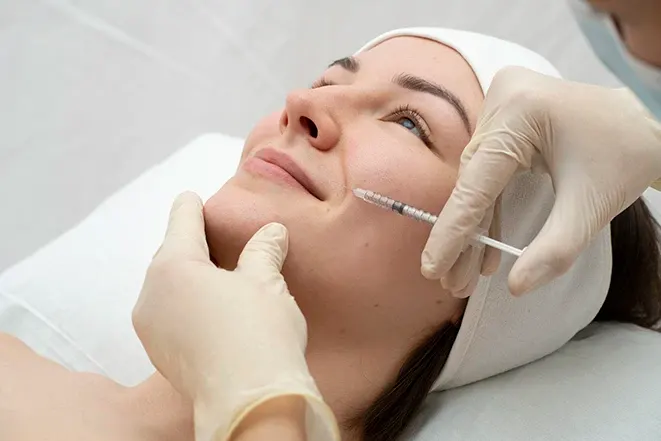
Hyaluronic acid (HA), also called hyaluronan, is a type of mucopolysaccharide with high viscoelasticity, water retention, and lubricating properties, and it is widely present in the human body. In aesthetic procedures, it is injected into the dermis of the skin, where it can fill hollows, smooth fine lines, hydrate and moisturize the skin, and reshape facial contours.
[Learn more: The Complete Hyaluronic Acid Guide: Aftereffects, Precautions, Indications, and Side Effects All in One Place]
Best Areas for Hyaluronic Acid and Molecule Size Differences
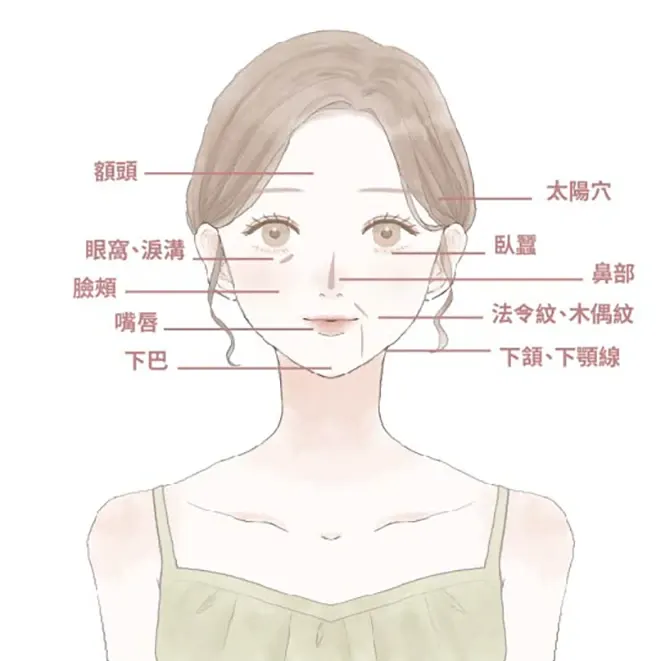
Hyaluronic acid treatment has four main benefits: filling hollows, local sculpting, smoothing lines, and hydration. The areas it suits are:
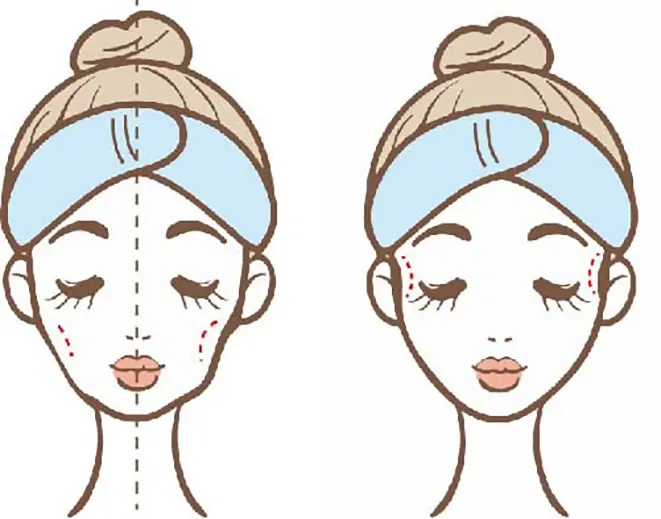
Filling hollows: Temples, brow-tail area (“marriage palace”), tear troughs, dark circles, eye bags, and cheeks
Local sculpting: Forehead, apples of the cheeks, nose, lips, chin, and jawline
Smoothing lines: Forehead lines, glabellar lines, fine lines around the eyes, nasolabial folds, marionette lines, and neck lines
Hydration: Full-face hydration injections
Hyaluronic acid can be divided into three categories by molecule size: large, medium, and small. Different molecule sizes are used in different ways:
| Large-Molecule HA | Medium-Molecule HA | Small-Molecule HA | |
|---|---|---|---|
| Effect | Forms a barrier on the skin surface, reducing water evaporation | Softens the stratum corneum and maintains its barrier function | Improves water retention within the stratum corneum and relieves dry skin |
| Features | Strong support, with filling and shaping effect | Softer than large molecules while still offering support | Small particles, fine texture, can replenish moisture |
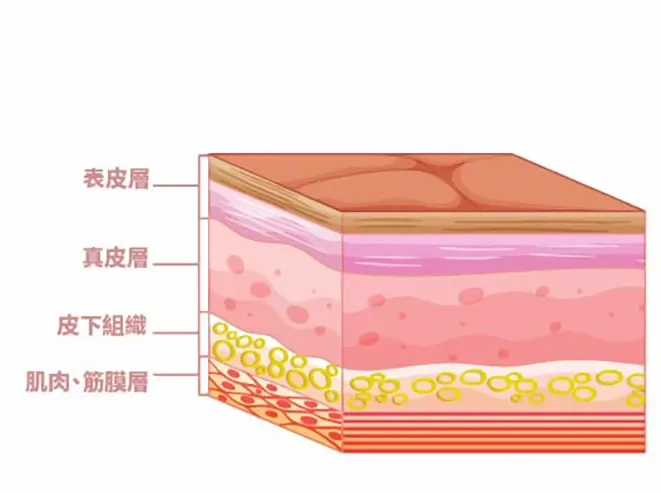
| Target Layer | Deep dermis, subcutaneous tissue | Mid to deep dermis | Superficial dermis, periorbital area |
| Indications | Chin augmentation, nose augmentation, contour sculpting | Forehead augmentation, temples, large areas of hollowing, wrinkles, apples of the cheeks | Tear troughs, under-eye fine lines, crow's feet, lip lines, neck lines, hydration, facial lifting |
| Duration | 12 months | 6-9 months | 6 months |
Recommended Hyaluronic Acid CC Amounts
We have covered the differences in hyaluronic acid molecule sizes and the main benefits of injections. Below are 8 popular injection areas, using Restylane as an example, with the formulation and cc amount recommended by a professional doctor:
| Area | Molecule Type | Recommended cc |
|---|---|---|
| Smile lips | Small molecule | Normal: 1cc / lip tubercle only: 0.5cc |
| Apples of the cheeks | Medium molecule | 1cc |
| Nasolabial folds | Medium molecule | 1cc |
| Chin | Medium-large molecule | 1-2cc |
| Nose augmentation | Large molecule | 1cc |
Tear troughs:
| Molecule Type | Recommended cc | |
|---|---|---|
| Mild hollow | Small molecule | 0.5cc |
| Severe hollow | Small molecule | 1cc |

Brow-tail area (“marriage palace”):
| Molecule Type | Recommended cc | |
|---|---|---|
| Mild hollow | Medium molecule | 1cc |
| Severe hollow | Medium molecule | 2cc |
Cheek hollows:
| Molecule Type | Recommended cc | |
|---|---|---|
| Mild hollow | Medium molecule | 1cc |
| Severe hollow | Medium molecule | 2cc |
Four Major Hyaluronic Acid Brands Compared
NAISS CLINIC offers Neuramis, Restylane, Hya-Dermis, and Juvéderm. Here is how the four hyaluronic acid brands compare:
| Neuramis | Restylane | Hya-Dermis | Juvéderm | |
|---|---|---|---|---|
| Texture | Gel type | Flexible type | Gel type Particle type | Gel type |
| Origin | South Korea | Sweden | Taiwan | United States |
| Patented Technology | SHAPE cross-linking process | OBT patented technology | CHAP hyaluronic acid cross-linking platform technology | Vycross patented technology |
| Features | Softness Support Viscoelasticity High tissue integration | Excellent tissue support High compatibility Formulations contain local anesthetic | Strong support Resists migration The only brand on the market whose full range comes in both anesthetic-containing and anesthetic-free versions | Long-lasting High safety Very smooth and easy to mold Low allergenicity High tissue compatibility |
| Product Lines | N/A | 1. Defyne (D formula): contour sculpting with a noticeable shaping effect 2. Volyme (V formula): plumps tissue and improves hollows 3. Refyne (R formula): soft-focus smoothing of dynamic fine lines | 1. Yellow Blink: bright eyes; improves tear troughs, the area around the eyes, and superficial wrinkles, and lifts the whole face 2. Green Kiss: sexy, sweet lips; treats tear troughs and the apples of the cheeks, augments the lips, and treats superficial folds 3. Pink Smile: a charming smile; treats the apples of the cheeks and nasolabial folds, augments the cheeks, and treats the brow-tail area (“marriage palace”) | 1. VOLUMA: high cross-linking; improves skin hollows 2. VOLIFT: medium cross-linking; improves deep fine lines around the eyes 3. VOBELLA: medium-low cross-linking; improves superficial fine lines around the mouth 4. VOLITE: low cross-linking; deep, intensive hydration for the skin 5. ULTRA PLUS: high cross-linking; improves moderate to severe hollows |
[Learn more: Hyaluronic Acid Brands Compared! Which One Is Best for Me?]
Beyond the choice of injection area, formulation, and brand, the doctor's injection technique and experience are also important. NAISS CLINIC offers a professional medical team that gives the most thorough advice based on each patient's needs and the safest, most effective treatment!
This article is for general information only. Results vary from person to person; please consult a doctor in person before deciding on any treatment.