Contents
What should you do when hyaluronic acid filler does not turn out as expected? Can hyaluronidase, known as the "hyaluronic acid antidote," reverse a failed filler? What symptoms after an injection count as a failure? This article covers common hyaluronic acid filler brands and the symptoms of failed injections, explains how hyaluronidase works and when it is used, and answers common questions about hyaluronic acid filler and hyaluronidase.
How Hyaluronidase Works and What It Does
Hyaluronidase is extracted from animal tissues such as those of cattle and sheep, and is a hydrolyzing enzyme drug produced through fermentation. It can be used to increase tissue absorption of drugs and reduce tissue damage from drug leakage, and it hydrolyzes hyaluronic acid so that it dissolves, improving lumps and unevenness after hyaluronic acid injections, which is why it is nicknamed the "hyaluronic acid antidote." In addition, because hyaluronidase is a special biological product, it was not legal in Taiwan in the early years. After years of negotiation between the medical community and Taiwan FDA, it officially obtained legal status in 2015.
How it works:
Hyaluronic acid filler can fill and shape because of the cross-linking agent added to the product. The cross-linker re-links loose hyaluronic acid structures in the body into a tightly packed gel.
Hyaluronidase works by breaking down the structure of the cross-linker, lowering the stability and longevity of the filler, returning the hyaluronic acid to a loose molecular form that breaks down easily, which resolves results that did not turn out as expected after the injection.
When it is used:
It is used to treat problems such as too much or too shallow filler, asymmetry between the left and right sides, an uneven surface, or lumps that do not go away for a long time, or when you are unhappy with the result after injection and do not want to wait for the filler to be metabolized. In these cases, hyaluronidase can be injected to improve the situation. It is also needed for more serious complications, such as when a blood vessel is accidentally compressed during hyaluronic acid injection and causes vascular occlusion, in which case hyaluronidase must be injected promptly to dissolve the filler, to prevent more serious aftereffects.

Common Hyaluronic Acid Filler Brands
1. Neuramis (Fairy Filler)
Developed by the major Korean aesthetics company Medytox and endorsed by the actress Son Ye-jin, Neuramis uses the exclusive "SHAPE" cross-linking process, combining safety, softness, support, a natural look, and high integration. Compared with other traditional, long-established fillers, Fairy Filler places more emphasis on a natural feel. Compared with other brands, it gives the facial contours a softer look and suits people who prefer a natural, gentle appearance, and it is suitable for hollow areas of the face, such as the cheeks, cheekbones, and temples.

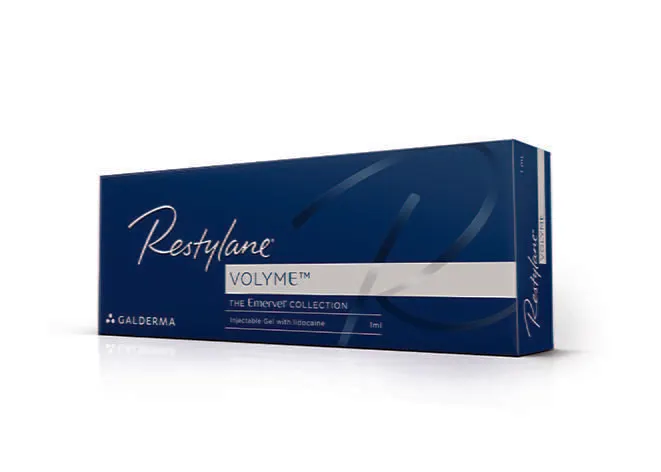
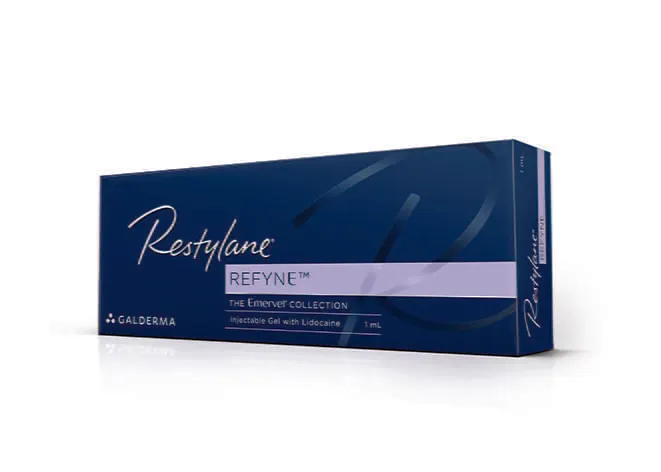
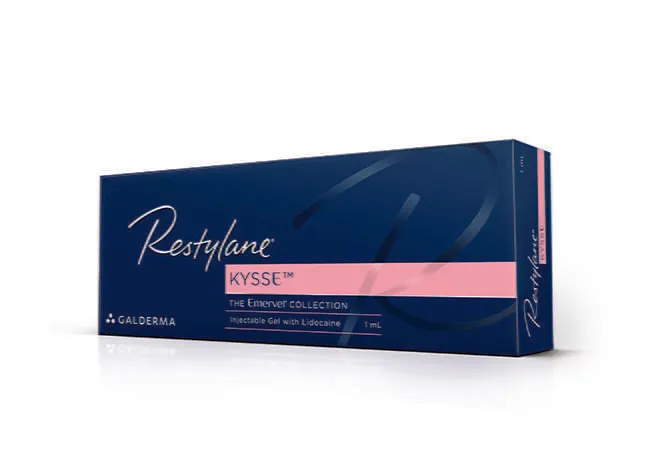
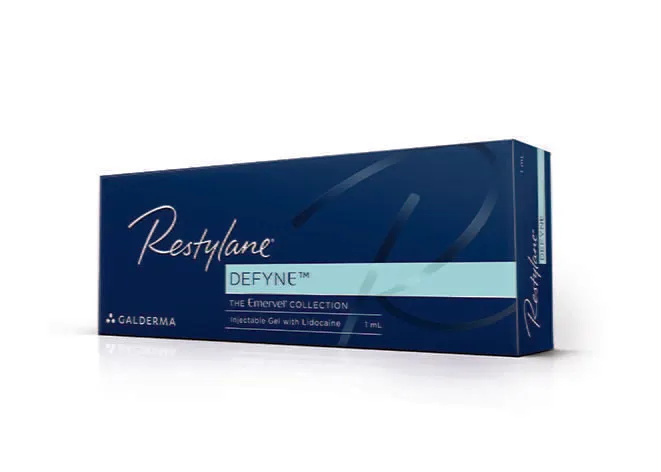
2. Restylane Goddess Filler
From Sweden, Restylane is the world's leading hyaluronic acid brand. It was introduced to Taiwan in 2003 as the first hyaluronic acid brand approved there, and it has a complete product line covering large, medium, and small molecule sizes. It improves on the shortcomings of traditional gel fillers and is a flexible filler that uses patented Optimal Balance Technology (OBT) to increase the stretch of the gel, so the injected filler moves with your facial expressions, looking natural however you move!
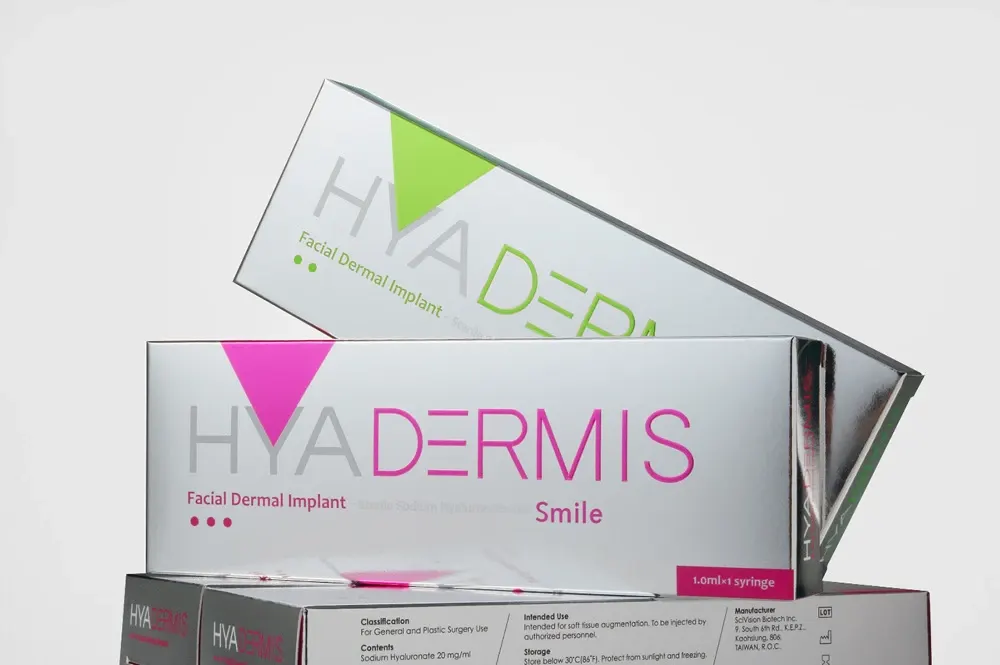
3. Hya-Dermis Hyaluronic Acid Filler
From major Taiwanese manufacturer Ke Yan Biotech, also known as Water Micro-Crystal, this filler is made from non-animal-derived hyaluronic acid produced by microbial fermentation and purification. It uses patented CHAP technology to improve support and offers low allergenicity, low toxicity, and high biocompatibility. The full product line comes in both gel and particle types, and it is also currently the only full-range filler line on the Taiwan market available in both lidocaine and lidocaine-free formulations, with 4 formulations in total to cover full-face needs.
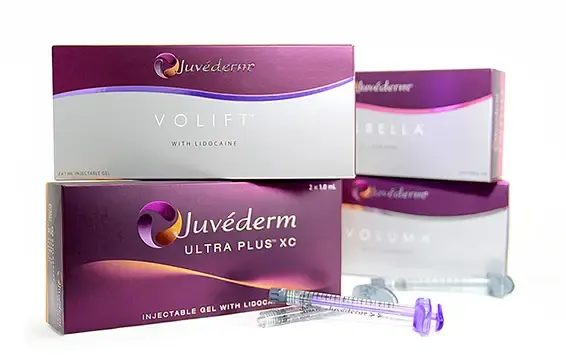
4. Juvéderm
Distributed by the US pharmaceutical company Allergan, Juvéderm officially launched in 2009 and currently comes in 5 formulations of large, medium, and small molecules. It is mainly composed of natural polysaccharide polymers and uses the exclusive patented Hylacross cross-linking technology to produce a high concentration of cross-linked hyaluronic acid, which increases the high extensibility of Juvéderm.
Common Reasons for Failed Hyaluronic Acid Filler and What to Do
Hyaluronic acid filler is used to treat wrinkles caused by skin aging. It is injected under the skin into hollows and creases of the dermis, using the filling principle to support the skin. Most people choose it because of its high safety, but filler injections inevitably sometimes produce poor results. Here are 3 common symptoms of failed hyaluronic acid injections and their causes:
1. Lumps or bumps
Injecting too much filler or placing it too superficially can cause bumps on the skin's surface or a hard, foreign-body feel when touched. This happens more often in areas with thin skin, such as around the eyes and the tear troughs. The commonly heard "a lump sticking out" and "tear trough caterpillars" come from this cause. Long-term movement and compression can also cause lumps or bumps, commonly in areas that move frequently such as the lips and nasolabial folds.
2. Filler migration
Because of frequent movement in the area, filler can shift over time and accumulate in the wrong place. This is common in areas that move often, such as the nasolabial folds, lips, and masseter muscles. For example, big laughs or frequently changing expressions may push the filler upward and make the nasolabial folds look deeper. Generally, the smaller the filler molecules and the looser the injection site, the higher the risk of migration; filler with larger molecules or filler injected into the dermis has a lower risk.
3. Tyndall effect
The Tyndall effect is a phenomenon in which light passes through a suspended colloid and is scattered, producing a milky glow. Hyaluronic acid is a colloid, so when light passes through it, the originally transparent filler may take on a faint blue tint, which affects appearance. Besides filler placed too superficially, it is also common in areas with thin skin, such as under the eyes and the tear troughs.
All 3 of these common problems can be corrected with hyaluronidase injections, followed by choosing a suitable needle, adjusting the injection dose, or injecting a filler of a different texture to improve the result.

Hyaluronic Acid Filler and Hyaluronidase FAQ at a Glance
Q1. How much filler is injected per session?
A1: The dose varies by treatment area and the depth of the hollow. Usually 1-2cc is injected per area, but it must be confirmed after evaluation by the physician.
Q2. How long do hyaluronic acid filler results last?
A2: There are many filler brands, with differences in molecule size and dose, but in general the results last about 6-12 months, although this also varies with each person's metabolism, aftercare, and lifestyle habits.
Q3. What is the difference between gel-type and particle-type fillers?
A3: Gel-type filler is ground into a smooth gel during manufacture, which gives it high water absorption and makes it easy to shape and integrate, with a more natural feel after injection. Particle-type filler is made by turning hyaluronic acid clumps into uniform particles mixed with a little hyaluronic acid solution. It is firm and provides strong support, with support varying by particle size, but the overall feel may be less natural.
Q4. Who should not get hyaluronic acid filler?
A4: People with autoimmune diseases, abnormal blood clotting or who take anticoagulants, a keloid-prone constitution, cancer patients or those with a history of cancer, and women who are pregnant or breastfeeding should not get hyaluronic acid filler.
Q5. How soon does hyaluronidase work? How many injections are needed to dissolve the filler?
A5: Hyaluronidase works very quickly, with effects visible about 10-30 minutes after injection and breakdown complete in roughly 24-48 hours, and the product is absorbed and metabolized by the body within a week, so you can return for a follow-up check 1-2 weeks after the injection. The number of injections varies with individual constitution, injection area, and other factors, and most people achieve a good dissolving result with 1-2 injections.
Q6. Does hyaluronidase have side effects? Is it safe?
A6: Hyaluronidase is extracted from animal tissue, so the most common side effects are temporary local redness, swelling, itching, or rash caused by an individual's allergy to the protein. However, the chance of an adverse reaction to locally injected hyaluronidase is extremely low, and as long as the dose is properly controlled, it is basically very safe.
Q7. Does hyaluronidase destroy the body's own hyaluronic acid or tissue?
A7: Hyaluronidase is used to break down the cross-linker in filler products, so it only acts on synthetic hyaluronic acid and has little effect on the body's own skin structure, so there is no need to worry that hyaluronidase injections will destroy your own hyaluronic acid and collagen. In addition, a professional physician who can precisely control the injection dose and location can avoid excessive and unnecessary breakdown.
Q8. Can hyaluronidase dissolve injectables other than hyaluronic acid filler?
A8: Hyaluronidase can only dissolve hyaluronic acid. Other injectables, such as Ellansé, Sculptra, and others, cannot be reversed with hyaluronidase and can only be left to be metabolized over time until they disappear or fade on their own.
If you are unsatisfied with a hyaluronic acid treatment, you can have hyaluronidase injected to correct it and then adjust with other treatments for the specific problem. Be sure never to buy hyaluronidase of unknown origin yourself, to avoid further complications, and seek a physician and clinic with professional skill to get a good dissolving result!
This article is for general information only. Results vary from person to person; please consult a doctor in person before deciding on any treatment.