Contents
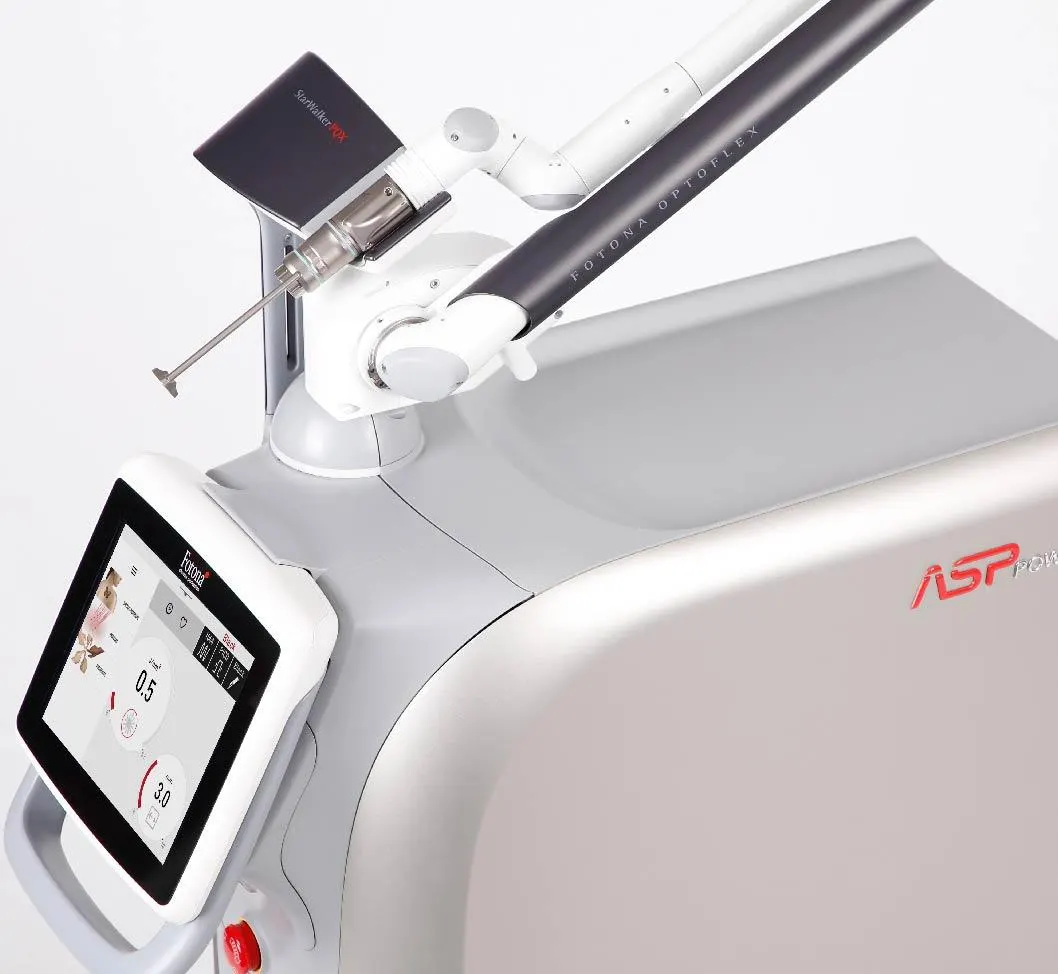
What is StarWalker PQX, said to “tackle every skin concern in one go”? The biggest feature of StarWalker PQX is that it can “not only fade pigmentation but also firm the skin”. Introduced by Fotona, the longest-established manufacturer of aesthetic laser devices, this new-generation model improves on the shortcomings of current picosecond lasers and adds proprietary patented technology, so it can address more skin concerns, such as melanin spots, shallow pitted scars and acne marks. Thanks to the dual action of photothermal and photoacoustic shockwave effects, it delivers better results! Let’s get to know the “third-generation StarWalker PQX”.
StarWalker PQX
“StarWalker PQX” is regarded as a revolutionary model that surpasses traditional picosecond lasers, thanks to the following exclusive features:
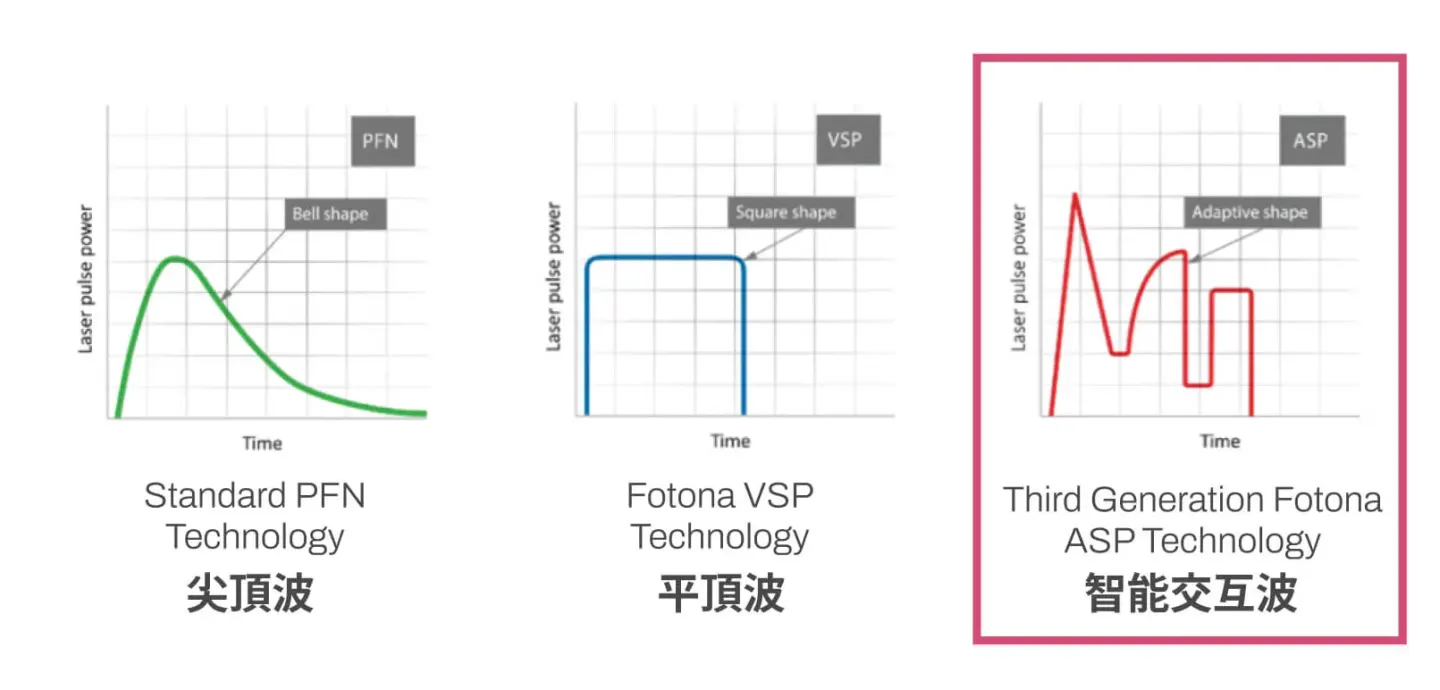
1. Smart monitoring: patented ASP smart technology can automatically adjust the pulse duration and waveform, tailoring the treatment method automatically to different skin concerns.
2. Patented ASP smart pulse technology: precisely controls the pulse duration and can also adjust it automatically according to different skin concerns
3. Patented EFC: every laser shot has the same density and penetration depth, so energy output is uniform and stable. This avoids accidental injury to the epidermis and tissue and effectively lowers the chance of rebound darkening after treatment.
4. Dual effects: a conventional picosecond laser can only shatter melanin into tiny fragments, whereas third-generation StarWalker PQX also adds a photothermal effect, so it can treat a wide range of skin concerns, including pigmentary conditions such as freckles and melasma, pitted acne scars, enlarged pores, wrinkles and fine lines. It also stimulates skin regeneration and improves uneven skin tone.
The Newest Picosecond Laser of 2023: Third-Generation StarWalker PQX ≠ StarWalker Laser
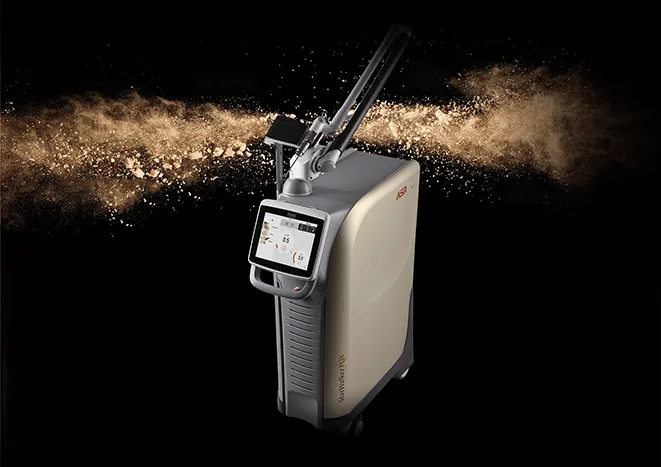
Features of StarWalker PQX
1. Lower chance of rebound darkening after treatment: paired with patented EFC (automatic energy feedback control), it stabilizes energy output, avoids accidental injury to the epidermis and tissue, and lowers the chance of rebound darkening!
2. Fast, safe and efficient treatment: high energy with a short pulse duration greatly reduces thermal damage to the skin, making the treatment both efficient and safe. (A session takes about 10-15 minutes.)
3. Quick recovery: because there is no open wound, there is almost no downtime. If a minimum recovery time has to be counted, it is 1 day.
Precautions for StarWalker PQX
Before treatment:
1. For two weeks before treatment, do not use retinoic acid or photosensitizing medications, and avoid exfoliation, AHA peels and excessive sun exposure.
2. If you are taking medication, have allergies, or are pregnant, please consult your physician in advance.
3. You can step up moisturizing before treatment.
After treatment:
1. A little blood may seep out during the treatment; this is normal. The skin usually heals within half an hour to an hour, and within about six hours only slight redness remains.
2. Mild itching 3-5 days after treatment is a normal reaction as the epidermis renews itself; please step up moisturizing.
3. For one week after treatment, do not use whitening or acid-based products, and do not have treatments such as exfoliation or AHA peels.
4. Avoid hot places (such as saunas, areas next to heaters, ovens or hot springs).
5. If scabs form, do not pick at them; be sure to moisturize and use sun protection more diligently.
6. Skin condition differs from person to person, so the treatment schedule, follow-up visit timing and precautions will differ.
Who Is StarWalker PQX For?
1. People with pigmentation such as freckles, melasma, and shallow or deep spots
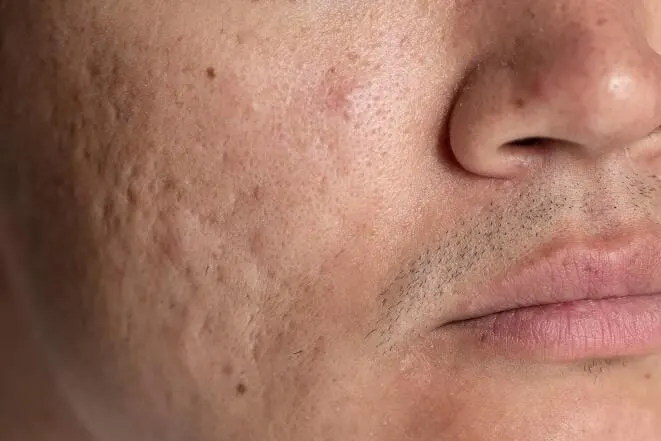
2. People with enlarged pores or pitted acne scars
3. People with loose skin who want to smooth out wrinkles and fine lines
4. People who want to fade or remove tattoos
5. People who have had picosecond lasers from other brands without noticeable results
6. People who want a short recovery period
What to Do About Enlarged Pores? Can Picosecond Really Improve Them?
Getting Rid of Dark Circles: 3 Major Causes and Solutions
Spot Treatment in 2023 at a Glance: The One Influencers All Recommend!
How Many StarWalker PQX Sessions Do You Need?
We recommend getting a consultation and evaluation from a professional physician first, who will give advice tailored to your individual situation. Generally, 3-4 sessions are recommended, at least 3-4 weeks apart. However, because everyone’s situation is different and every type of pigmented spot varies in severity and depth, the physician’s recommendation will vary, and the most suitable energy will be adjusted according to your skin condition!
(P.S. Figures found online are for reference only and do not suit everyone! Be sure to visit a clinic for a consultation to find the treatment and session schedule that suit you best.)
StarWalker PQX vs. Other Picosecond Lasers
The picosecond lasers on the market have only two wavelengths, which limits how deeply they can treat the skin. And while the photoacoustic mode of a picosecond laser can shatter melanin into very fine fragments, it lacks the photothermal effect of a skin-clearing (nanosecond) laser, so it cannot significantly improve skin texture, pores, fine lines and similar concerns.
StarWalker PQX, by contrast, has both nanosecond and picosecond pulse modes, so it can combine photothermal and photoacoustic effects, targeting skin tissue at different depths with the right approach and addressing both melanin- and hemoglobin-related skin concerns.
Can Sensitive Skin Get a Picosecond Laser? 4 Key Steps to Enjoy the Benefits Safely
StarWalker PQX Aftercare
1. After third-generation StarWalker PQX, you may have mild redness, swelling and a slight warm sensation. A wet or cold compress for 10-30 minutes is recommended. It usually subsides within about 24 hours. People with thinner skin may have slight subcutaneous bleeding, which is normal.
2. For one week after third-generation StarWalker PQX, do not use skincare products containing whitening agents, alcohol or acids.
3. After third-generation StarWalker PQX, cleanse and care for the skin gently, and do not use exfoliating or scrub products for 2 weeks.
4. After third-generation StarWalker PQX, step up moisturizing to speed up skin repair.
5. After third-generation StarWalker PQX, step up sun protection: use sunscreen of SPF30 or higher, reapply 2-3 times a day, and avoid excessive sun exposure to prevent rebound darkening.
6. For areas treated with third-generation StarWalker PQX for spot or tattoo removal, apply ointment daily after the procedure, do not get the area wet or scratch it before scabs form, and consider using artificial skin dressings for care.
This article is for general information only. Results vary from person to person; please consult a doctor in person before deciding on any treatment.