
Contents
- What is hyaluronic acid?
- Why does hyaluronic acid have moisturizing power?
- Features of hyaluronic acid injections
- Benefits of hyaluronic acid injections
- How long do hyaluronic acid injections last?
- Are there side effects from hyaluronic acid injections?
- Who cannot have hyaluronic acid injections?
- If I stop hyaluronic acid injections, will I look older?
Hyaluronic acid, a name everyone knows, is not only a top moisturizing ingredient but also widely used in aesthetic medicine, such as filling facial wrinkles and lubricating worn joints. From skin hydration to treating dry eye and preventing adhesions in surgery, hyaluronic acid is used to assist or treat. But what exactly is hyaluronic acid, and why is it so versatile? This article lifts the veil on hyaluronic acid!
What is hyaluronic acid?
Hyaluronic acid is a transparent gel-like substance with high viscoelasticity, water retention, and lubricating properties. It is found throughout the body: at the joints it acts as a lubricating fluid, and in the dermis it keeps skin hydrated and elastic. It is widely recognized as the best moisturizing ingredient.
Why does hyaluronic acid have moisturizing power?
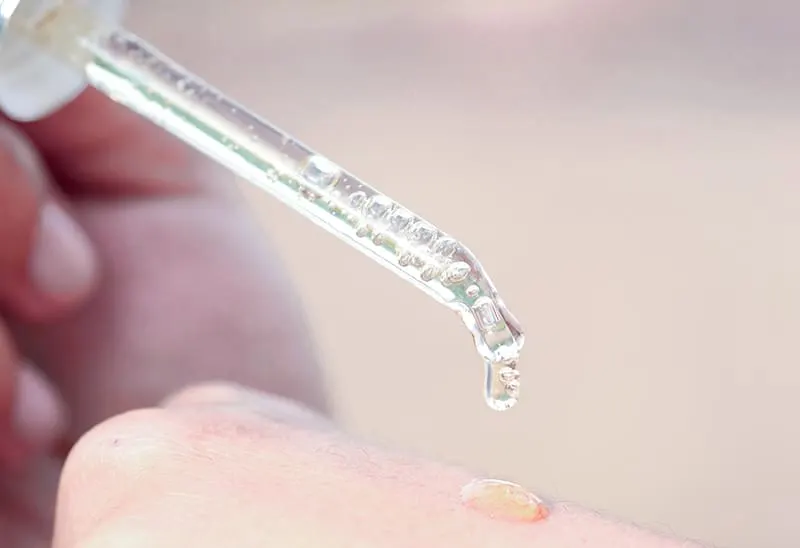
Hyaluronic acid is strongly hydrophilic and can absorb large amounts of water (1 molecule of hyaluronic acid can carry 500 times its weight in water). Like a sponge, it helps skin retain water and hydrates the stratum corneum, locking in moisture.
Features of hyaluronic acid injections
1. Highly compatible with human tissue and long-lasting. It is fully absorbed in about 1-2 years and then broken down by the body, leaving nothing behind to cause long-term side effects.
2. No foreign-body sensation or concern about residual foreign material.
3. No surgery and no downtime. Simple, safe, fast, and effective.
4. A comfortable injection process with only mild local swelling and discomfort, so it is well accepted.
Benefits of hyaluronic acid injections

1. Creating a three-dimensional face: suitable for nose augmentation, the nasal root, chin, apple cheeks, and forehead augmentation.
2. Refining facial contours: suitable for the temples, hollow cheeks, and overly wide cheekbones.
3. Rejuvenation injections: suitable for tear troughs, eye bags, fine lines around the eyes, eye-corner lifting, nasolabial folds, marionette lines, deep static wrinkles, neck lines, and more.
How long do hyaluronic acid injections last?
I had hyaluronic acid injected at the same time as a friend, but mine was gone in under half a year while my friend's lasted nearly a year. Why does theirs last longer while the hyaluronic acid in my face is absorbed so easily?
Although how fast hyaluronic acid is lost depends on individual constitution, how well you care for the area after injection is also a major factor in how long it lasts.
If you stay up late, your skin becomes dehydrated and absorbs much of the injected hyaluronic acid, shortening how long it lasts. Many people also drink or smoke, which speeds up blood circulation and metabolism, so hyaluronic acid is lost faster.
Hyaluronic acid injections call for drinking enough water and extra moisturizing every day. In particular, reduce exposure to hot environments: frequent visits to saunas, steam rooms, and hot springs increase the body's metabolic circulation and cause all the injected hyaluronic acid to be lost.
On average, however, large-molecule hyaluronic acid usually lasts 9-12 months and small-molecule hyaluronic acid 6-9 months. In slower-metabolizing areas or constitutions, it can even last up to 2 years.
Are there side effects from hyaluronic acid injections?
Although hyaluronic acid is highly stable and unlikely to cause skin rejection, skin types differ, so there is still a chance of an allergic reaction.
The most common side effects are temporary swelling and bruising after injection, usually resolving within 1 week. Hyaluronic acid feels slightly springy in the skin, and some people temporarily feel a small, elastic ball under the skin after injection. It gradually blends with skin tissue and fades, becoming much less noticeable in about 1-2 weeks.
For one week after injection, avoid hot environments and forceful touching or massaging of the injected area.
Who cannot have hyaluronic acid injections?

1. Pregnant or breastfeeding women, children, and people with abnormal liver or kidney function or serious illness.
2. People with clotting disorders or on anticoagulants, for whom hyaluronic acid injections may raise the risk of bleeding.
3. People with cancer or a history of cancer; some studies suggest hyaluronic acid injections may promote cancer cell growth.
If I stop hyaluronic acid injections, will I look older?
No! As hyaluronic acid is slowly metabolized, the skin gradually returns to its pre-injection condition and does not get worse. But as the years go by, the body loses more and more collagen, and regular hyaluronic acid injections can keep skin in better condition. Each Botox brand has its pros and cons, and using a single Botox brand over the long term may lead to resistance and unsatisfactory results. You can switch brands for different areas and needs, but be especially careful: if the price is too cheap, confirm whether the botulinum toxin is too low in concentration, so that you don't think you got a bargain when in fact the Botox treatment is ineffective.
This article is for general information only. Results vary from person to person; please consult a doctor in person before deciding on any treatment.