Key takeaways
Second-generation silicone three-part rhinoplasty case: an upturned nose hurt his confidence socially and in photos. Three-part rhinoplasty used second-generation silicone with ear cartilage taken from behind the ear, leaving an inconspicuous scar. No nasal packing was needed and he could breathe normally, with only mild swelling and a foreign-body sensation, and he could come back daily for dressing changes. About a month later the nose shape had improved.
Contents
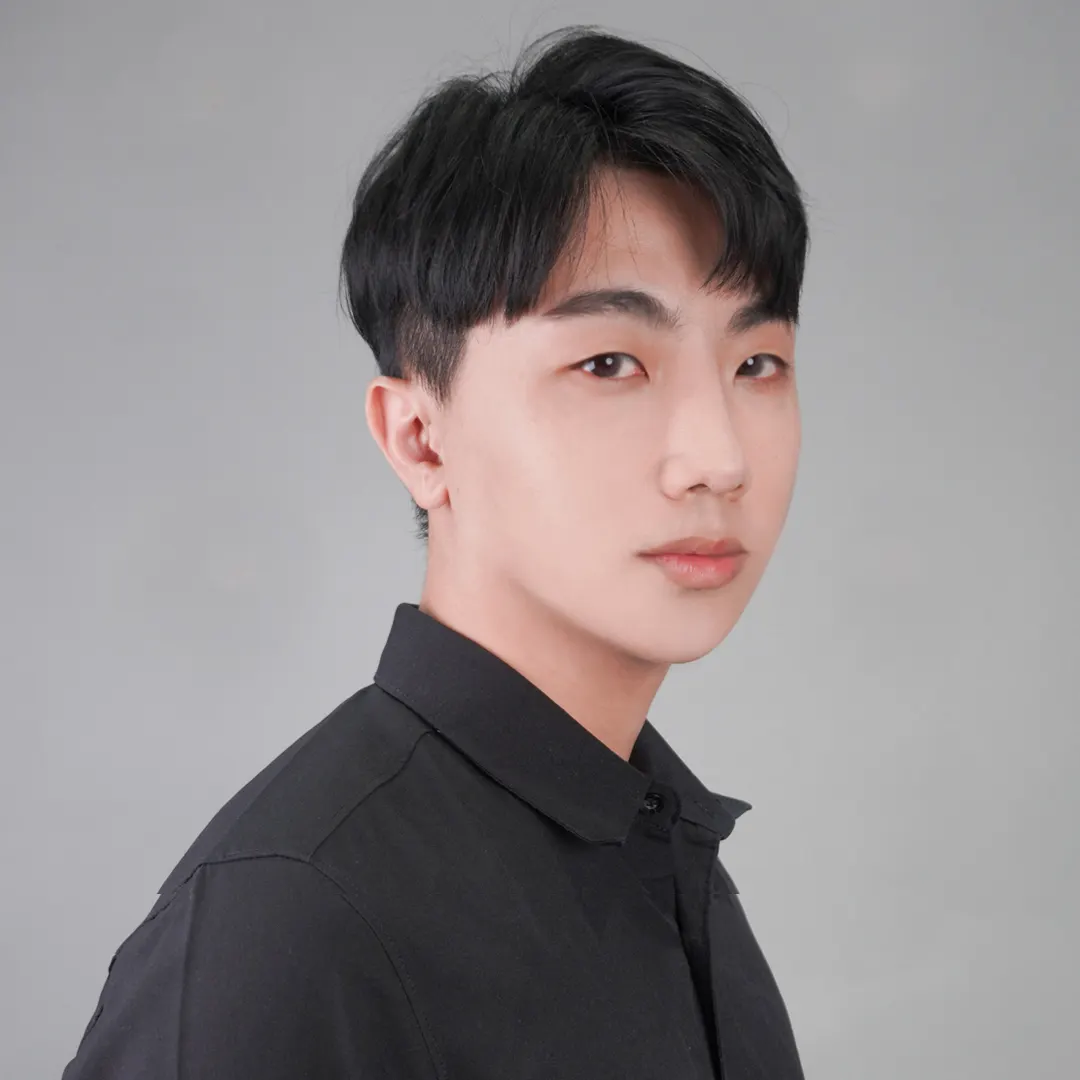
I'm Gary. In high school I realized how much my upturned nose bothered me. Whether looking in the mirror or talking to people, I had no confidence, so as soon as I turned 18 I went to an aesthetic clinic for a consultation. I was still a student then, didn't understand rhinoplasty, was scared, and the surgery wasn't cheap. But I'm fairly impulsive, so once I could afford it, I went straight ahead with barely any deliberation.
Second-generation silicone rhinoplasty is a fairly simple procedure, but it was the first surgery of my life, so I still worried about side effects or complications and asked lots of detailed questions in the consultation. The doctor carefully explained the possible risks and gave professional advice based on my face shape, so the result would look natural, not too high or obviously fake.
Ear, septal or rib cartilage: how to choose?
Second-generation silicone rhinoplasty is a three-part rhinoplasty suited to anyone unhappy with their nose shape. The tip support usually uses your own cartilage, with three options: ear cartilage, septal cartilage or rib cartilage. I chose ear cartilage because, compared with rib cartilage, the incision is smaller, it's safer and cheaper, and it's the most commonly used. The incision is also behind the ear, where hardly anyone notices it, so the scar isn't obvious. All things considered, it suited me best.
On the day of surgery I was surprisingly calm. Maybe I just wanted to fix my upturned nose so badly, and since it was my own decision, I didn't feel regret or worry about it failing. Aesthetic surgery is so common now that if it weren't safe, the news would be full of horror stories. Rather than worrying so much, I took it in stride and looked forward to the new me after second-generation silicone rhinoplasty.
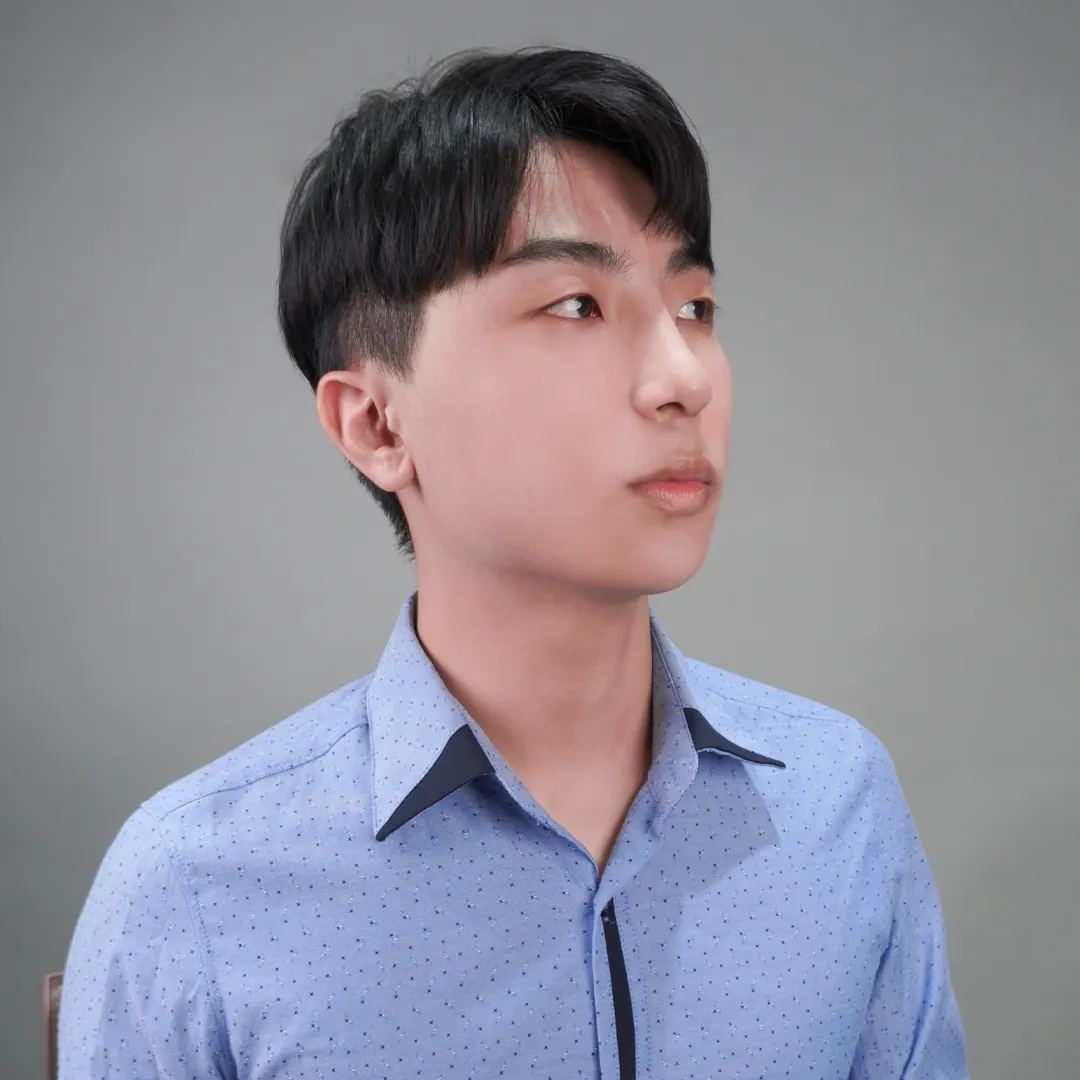
Many people still picture rhinoplasty as big, swollen wounds, a nose stuffed with packing, and breathing only through the mouth afterward. But medicine has come a long way. I didn't need packing, the incisions were small, and with just some tape on my nose I could breathe normally. Once the anesthetic wore off, it hurt less than I expected, just a little pressure and a foreign-body feeling. I had to be careful in the shower not to get the wounds wet, but it didn't cause much trouble in daily life.
It's been about a month since my second-generation silicone rhinoplasty, and I'm very happy with the clinic's regular follow-up. I could come back every day for dressing changes, the doctor gave aftercare advice based on how the wounds were healing, and scheduled a visit to remove the stitches. The wounds weren't very swollen or inflamed, so daily life wasn't much affected; early on I just cleaned with cotton swabs and avoided poking or rubbing my nose. Overall I rate the surgery 9.
Rooting out years of insecurity and finding confidence again
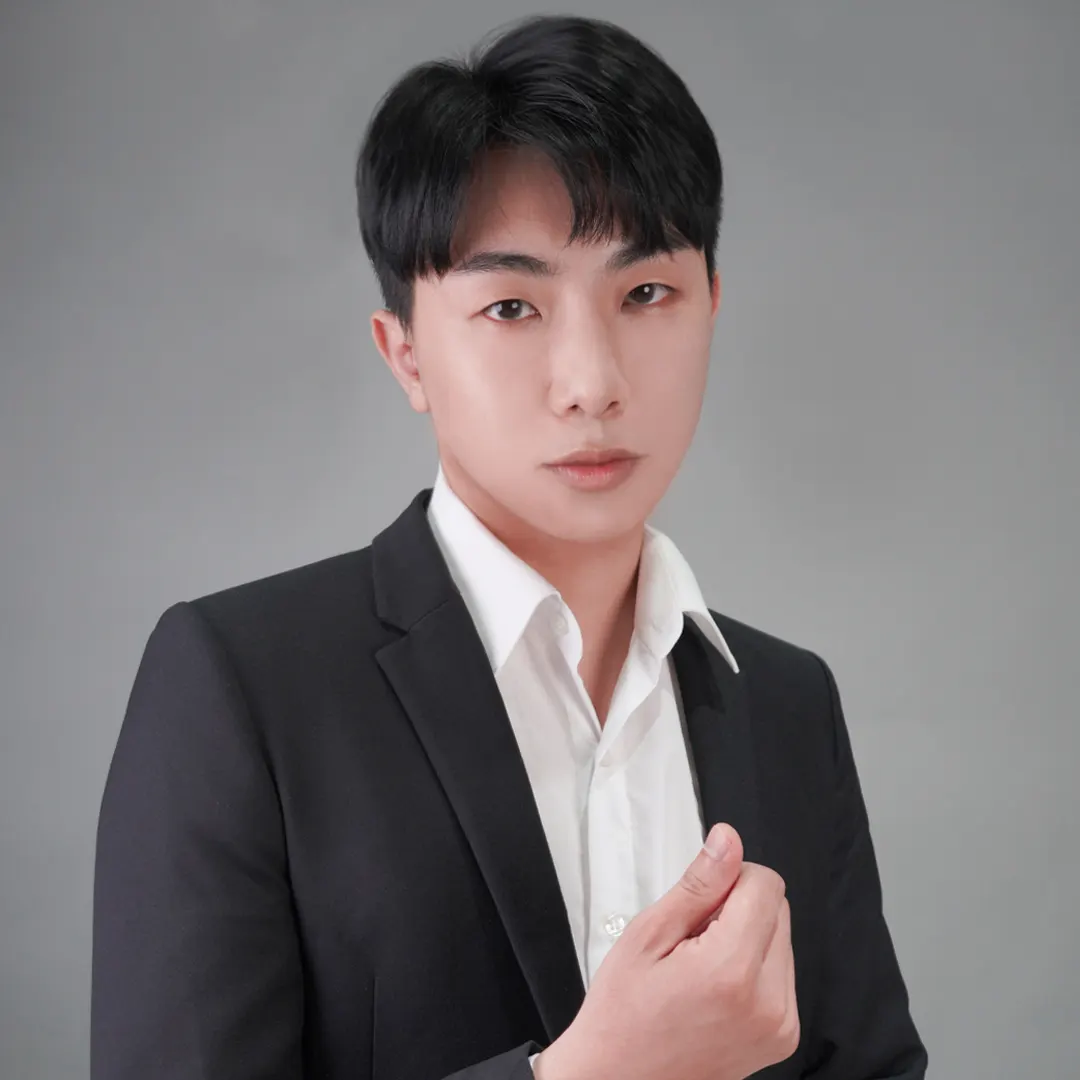
Since my second-generation silicone rhinoplasty, my confidence has grown a lot, especially in photos. If your nose is flat or oddly shaped, you have to be very particular about angles, and one wrong angle makes for an ugly photo. What used to take 10 minutes of adjusting now takes 1. It saves so much time, and I'm more confident and more photogenic.
Besides photos, when I went out with friends and met new people, I used to be too insecure about my upturned nose to start conversations, worried they'd keep staring at it. I often felt inferior. Second-generation silicone rhinoplasty finally ended that long-held insecurity, and since I work in a service job, I'm now braver and more confident dealing with customers.
Should you worry about people knowing you've had work done?
I don't think you need to worry about people knowing. You have surgery to improve something you're insecure about. If an ordinary person suddenly looks great and claims they did nothing, no one will believe it, so you may as well own it. Looking better is what matters most. If you insist on being completely natural, you shouldn't even use skincare.
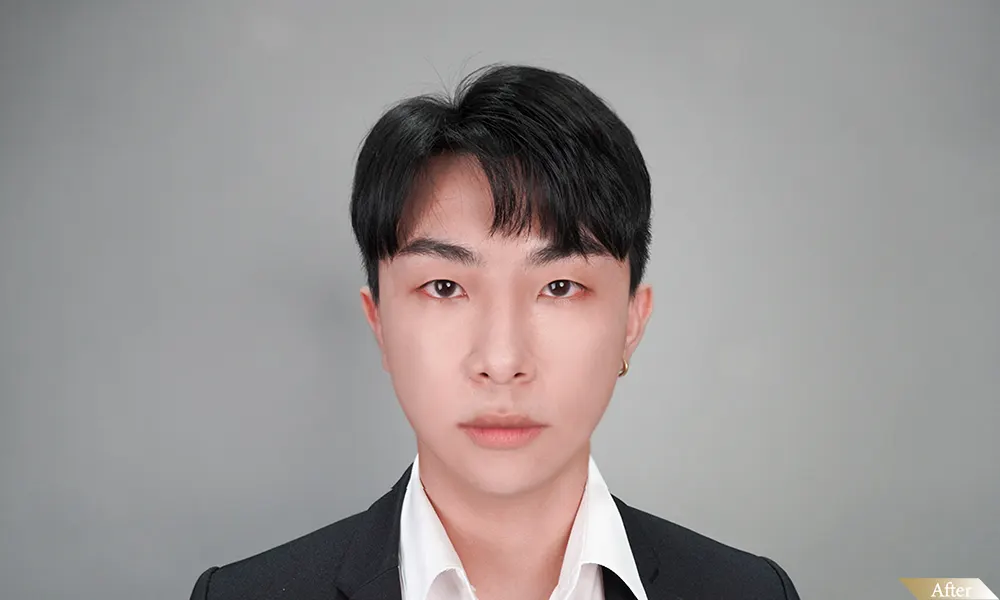
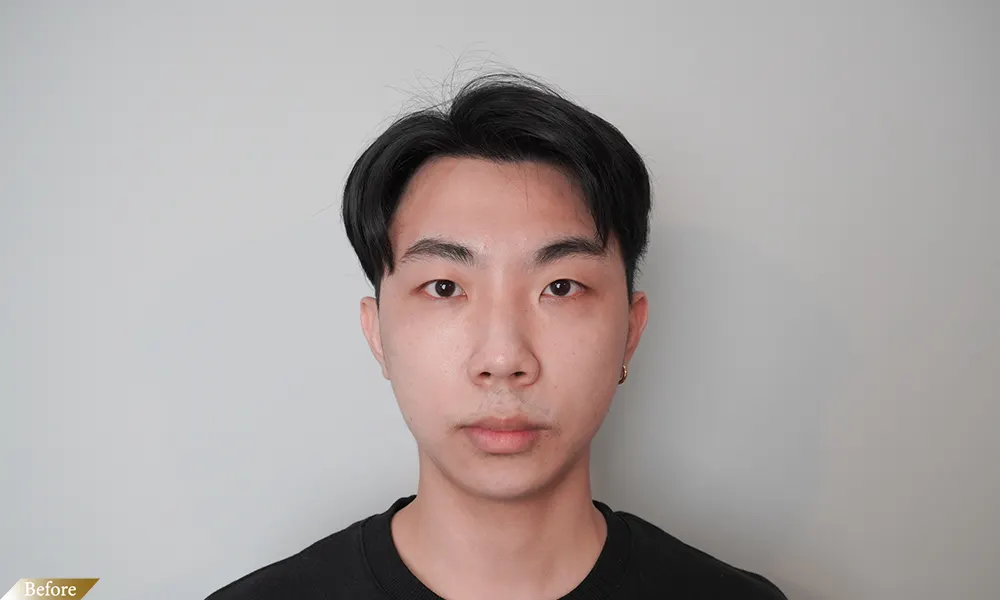
Seeing my change firsthand, friends who are also insecure about their noses are now tempted to have second-generation silicone rhinoplasty too. My advice is not to be swayed by others. If you really want to change, learn the risks first, and if you're willing to accept them, go for it, because you really will get your confidence back and be happier. If you keep hesitating, years of insecurity will only make you unhappier.
When choosing a clinic, I look at how experienced the doctor is. Good surgery depends on experience; with different problems and different patients, an experienced doctor knows how to adjust and minimize surgical trauma. Clinic reviews and other patients' real experiences are also essential to consider.
In the end I chose NAISS CLINIC on a friend's recommendation. He'd had second-generation silicone rhinoplasty there, and both his recovery and result were far better than expected. Having a real example nearby made me trust NAISS CLINIC more, and after my own second-generation silicone rhinoplasty, I've finally regained the confidence I'd lost for so long. I'm really happy!
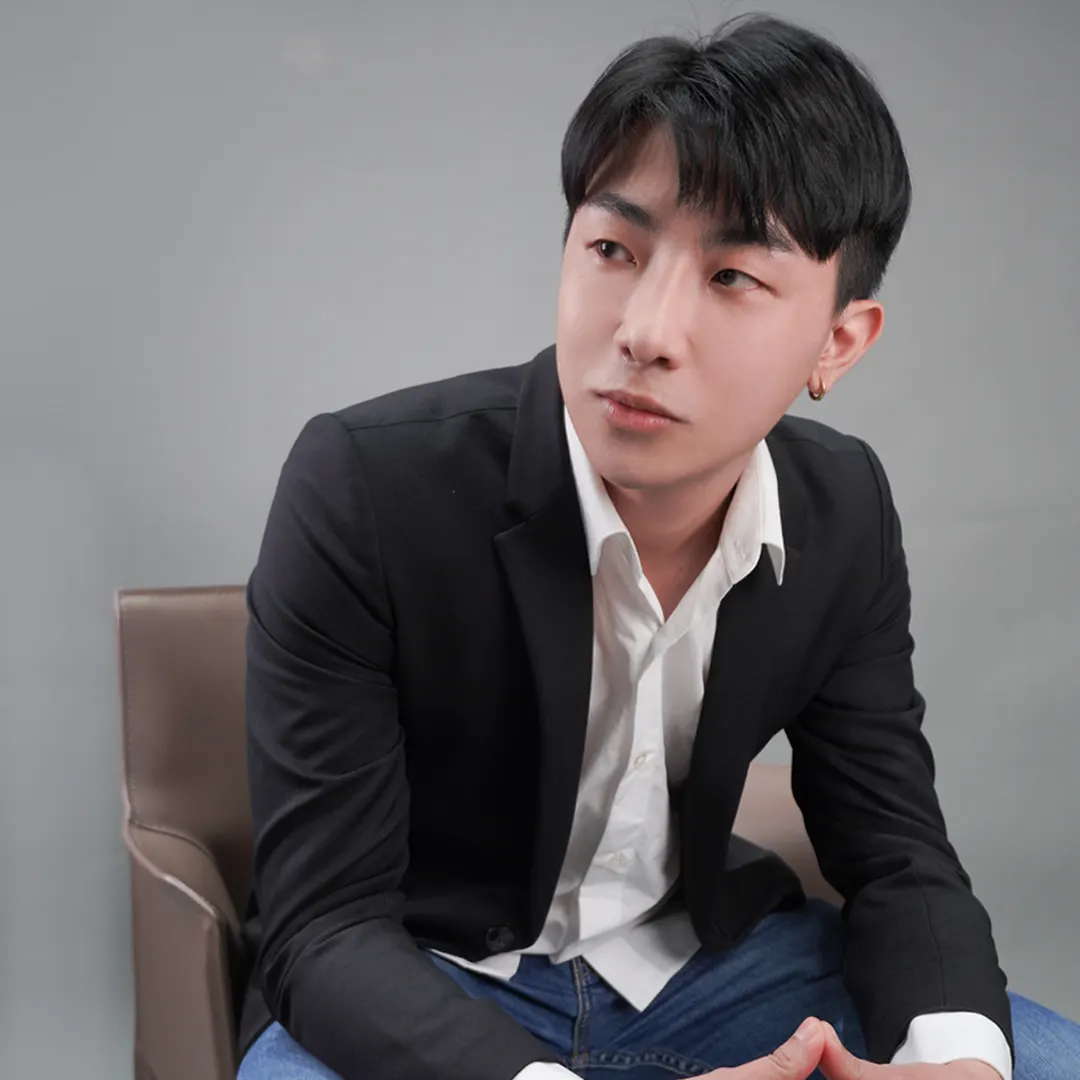
This story reflects one patient's experience. Results and recovery vary from person to person; please consult a doctor in person about your own treatment plan.