Key takeaways
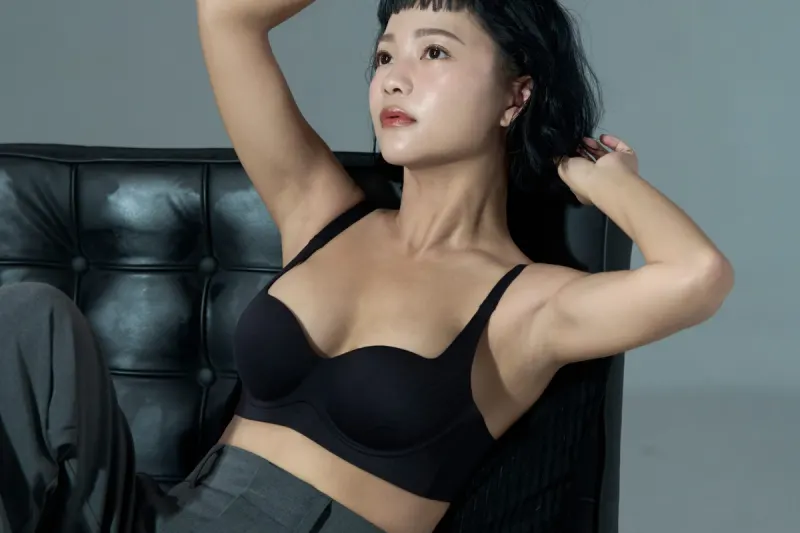
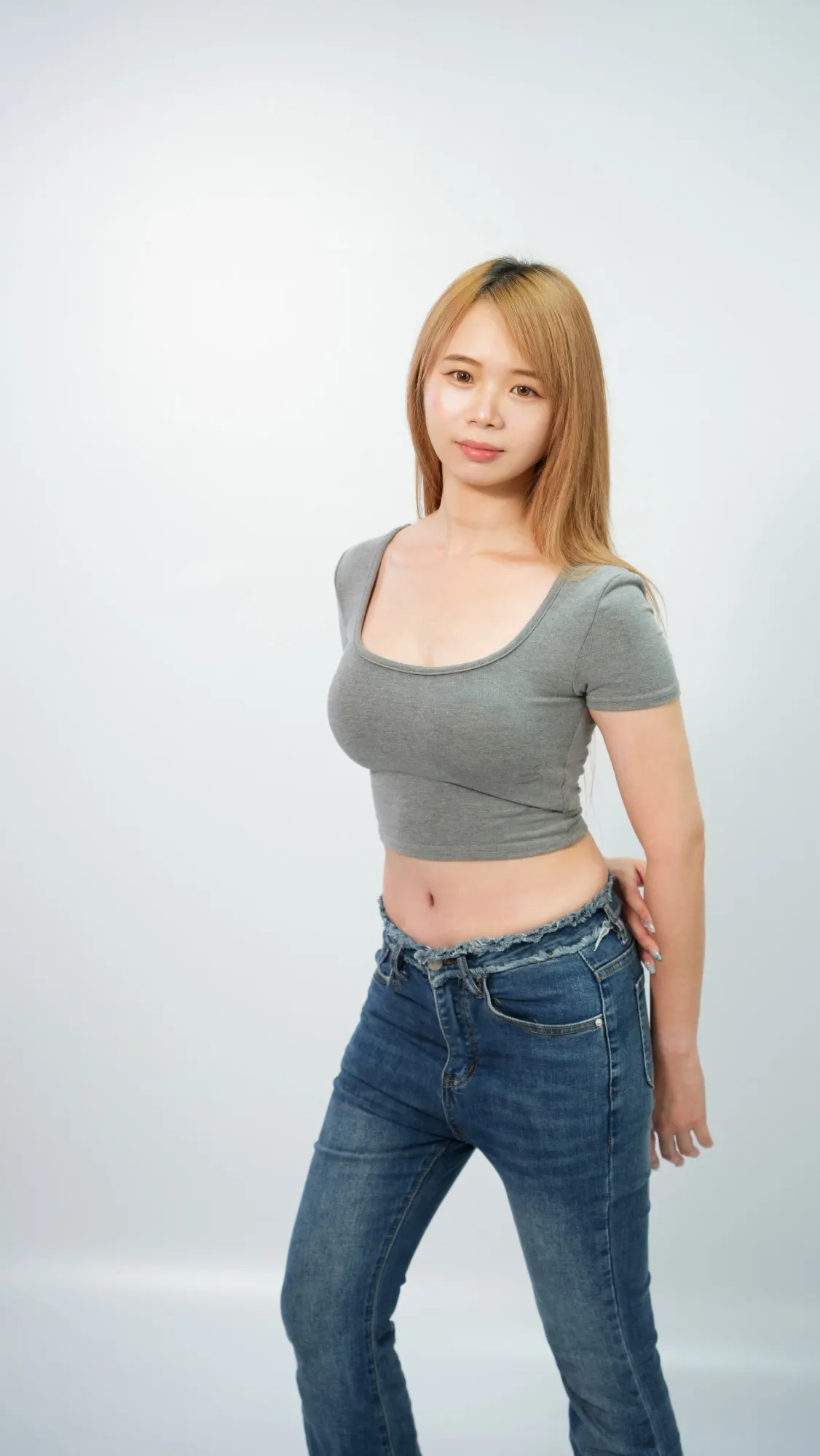
After breastfeeding, 31-year-old Pei-Pei's breasts became loose and flat, and her belly never went back. After a full assessment, Dr. Kuo-Chun Liao at NAISS CLINIC planned Mentor Xtra (Queen Wave) breast augmentation, rectus diastasis repair, and a tummy tuck in one session, plus flank liposuction with the fat grafted to her upper chest. She wore a compression garment for about 3 months; by month 4 her waist and abdomen were clearly defined, and she rates the result 10 out of 10.
Contents
- I'd lost the weight, but my breasts and belly hadn't bounced back
- From breasts to belly to waist, Dr. Kuo-Chun Liao reassessed my whole figure
- Why add fat grafting to the upper chest on top of the implants?
- Not just a smaller belly, but a reshaped waist and abdomen
- Recovery was harder than I expected, but from month 4 it all felt worth it
- 10 out of 10: finally comfortable showing off my figure
"I'm Pei-Pei, and I'm 31. After having my baby and breastfeeding, my breasts, which were never very full to begin with, became even looser and flatter. My belly also never went back after giving birth, and my waistline looked very different from before. Nothing I wore looked right, and I could really feel how much my body had changed..."
I'd lost the weight, but my breasts and belly hadn't bounced back
After giving birth, my upper chest became noticeably hollow, my breasts looked flatter and looser, and my clothes lost the fullness they used to have.
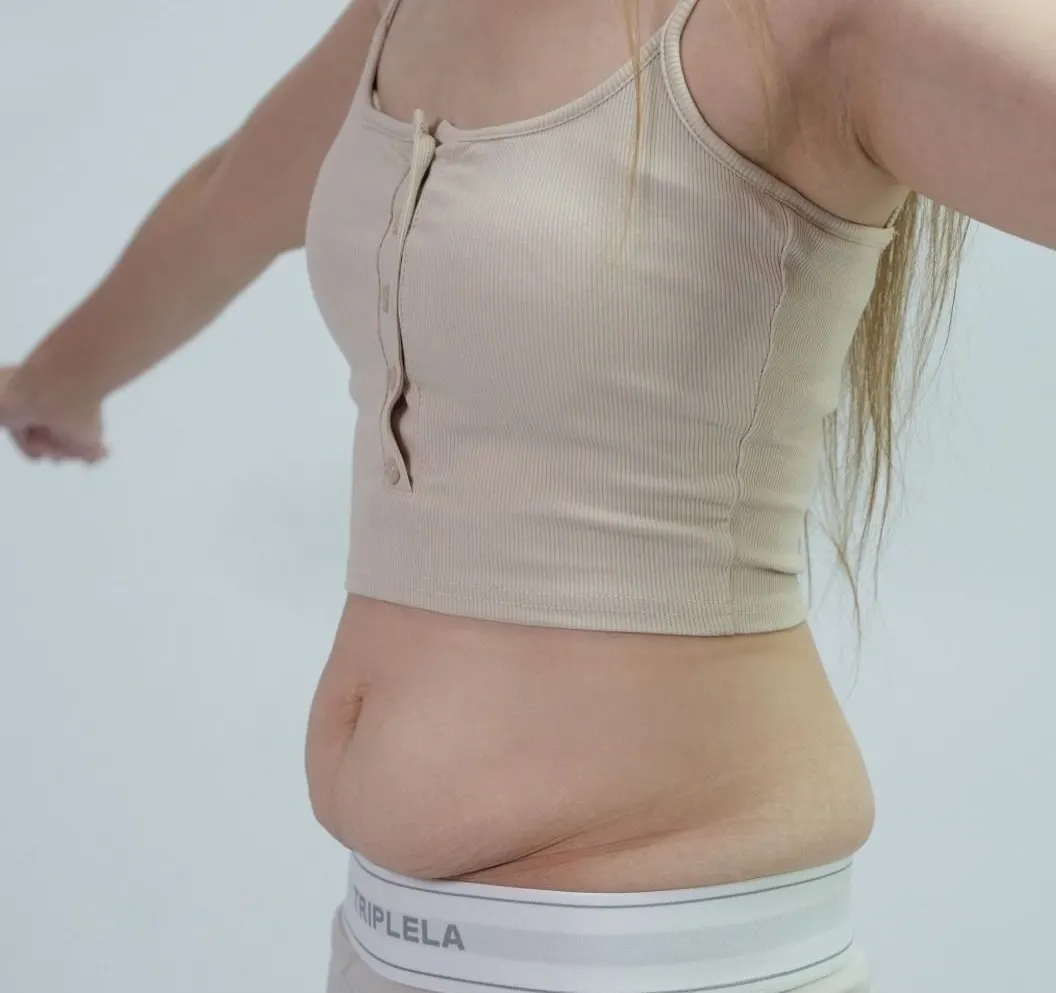
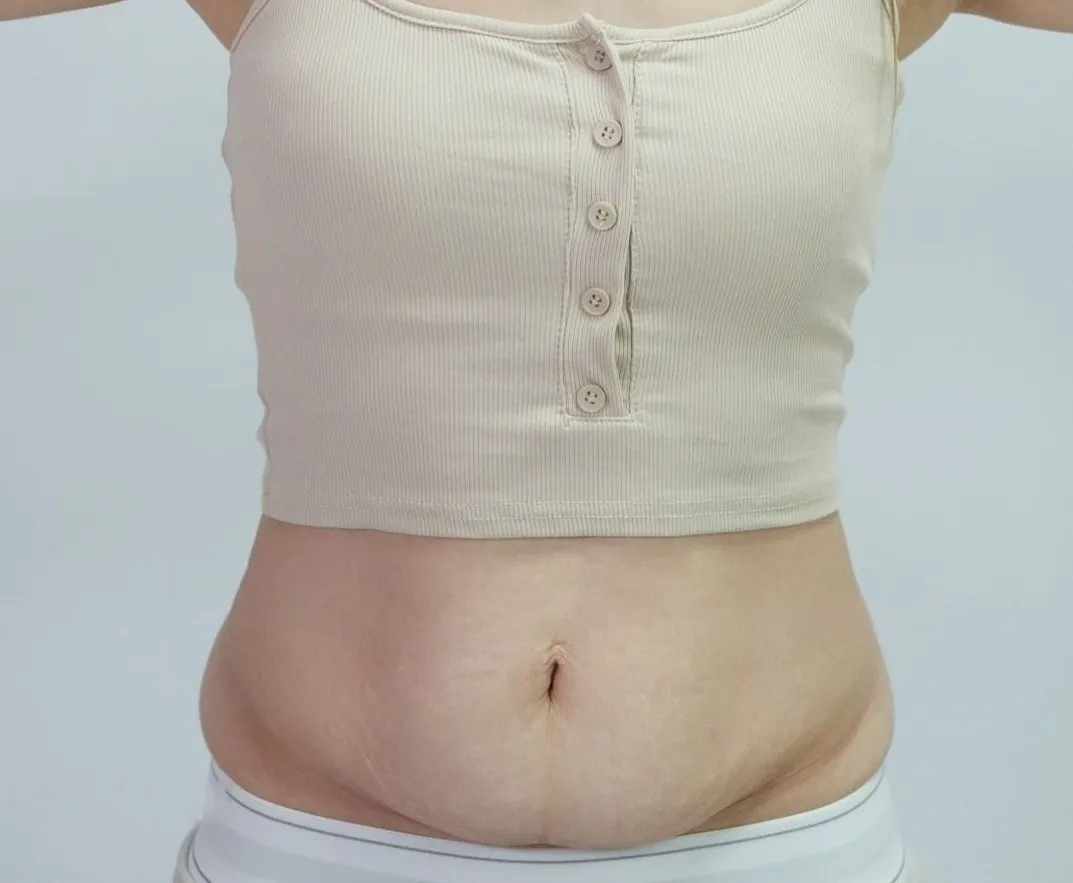
Besides my breasts, my postpartum belly was something I was always self-conscious about. Even as my weight gradually came back down, my stomach still stuck out and my waist wasn't as defined as before. I realized that postpartum body changes aren't just about being heavier or thinner; my breasts, belly, and waistline were all different.
From breasts to belly to waist, Dr. Kuo-Chun Liao reassessed my whole figure
When I first came to NAISS CLINIC, I mainly wanted to deal with my postpartum belly and was already considering a tummy tuck. During my consultation with Dr. Kuo-Chun Liao, I also mentioned that my breasts had become loose and my upper chest hollow after breastfeeding, so I asked about breast augmentation too.
Since I was having abdominal surgery anyway, I wanted to plan everything I cared about, my breasts and my waist and belly, in one go, so recovery would happen in a single stretch and I wouldn't have to go through surgery and recovery again later.
After a full assessment, the plan was Mentor Xtra (Queen Wave) breast augmentation, rectus diastasis repair, and a tummy tuck, combined with flank liposuction and grafting that fat into my upper chest. Rather than fixing a single area, it adjusted the proportions of my breasts, waist, and abdomen together.
Why add fat grafting to the upper chest on top of the implants?
I naturally have little breast fat, and breastfeeding left my upper chest even emptier, so just adding volume would still have left me worried about an unnatural transition at the top. So besides the implants, fat taken from my flanks was processed and grafted into my upper chest.
The implants mainly provide shape and overall fullness, while the fat graft, tailored to my breast shape, smooths the upper-chest transition so the line from collarbone to breast looks fuller and more natural.
Not just a smaller belly, but a reshaped waist and abdomen
Besides my breasts, my belly had bothered me ever since giving birth. Even though I'd slimmed down, my stomach still clearly protruded and my waistline wasn't as sharp as before.
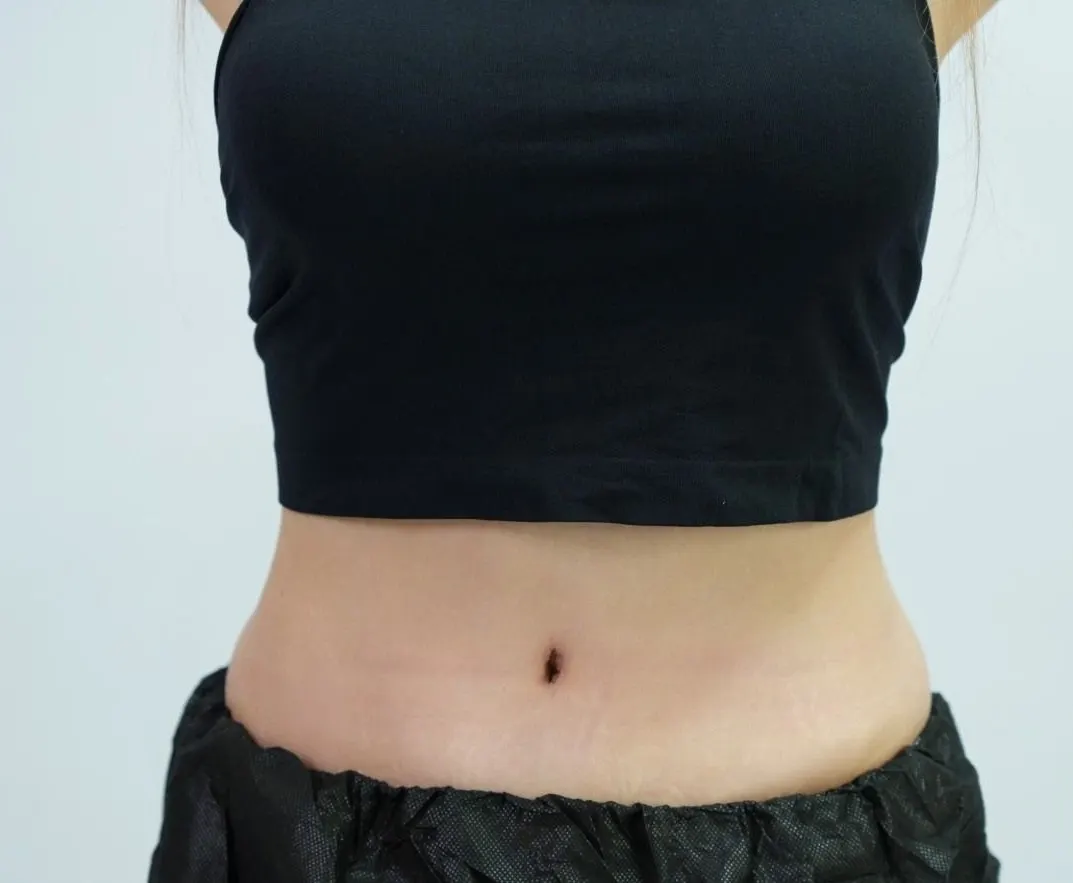
Rectus diastasis repair with a tummy tuck improved the postpartum looseness and bulge and smoothed the line from my abdomen to my sides. For me, this wasn't simply about a "smaller belly"; I wanted my breasts, waist, and abdomen together to have proportions closer to what I liked.
Recovery was harder than I expected, but from month 4 it all felt worth it
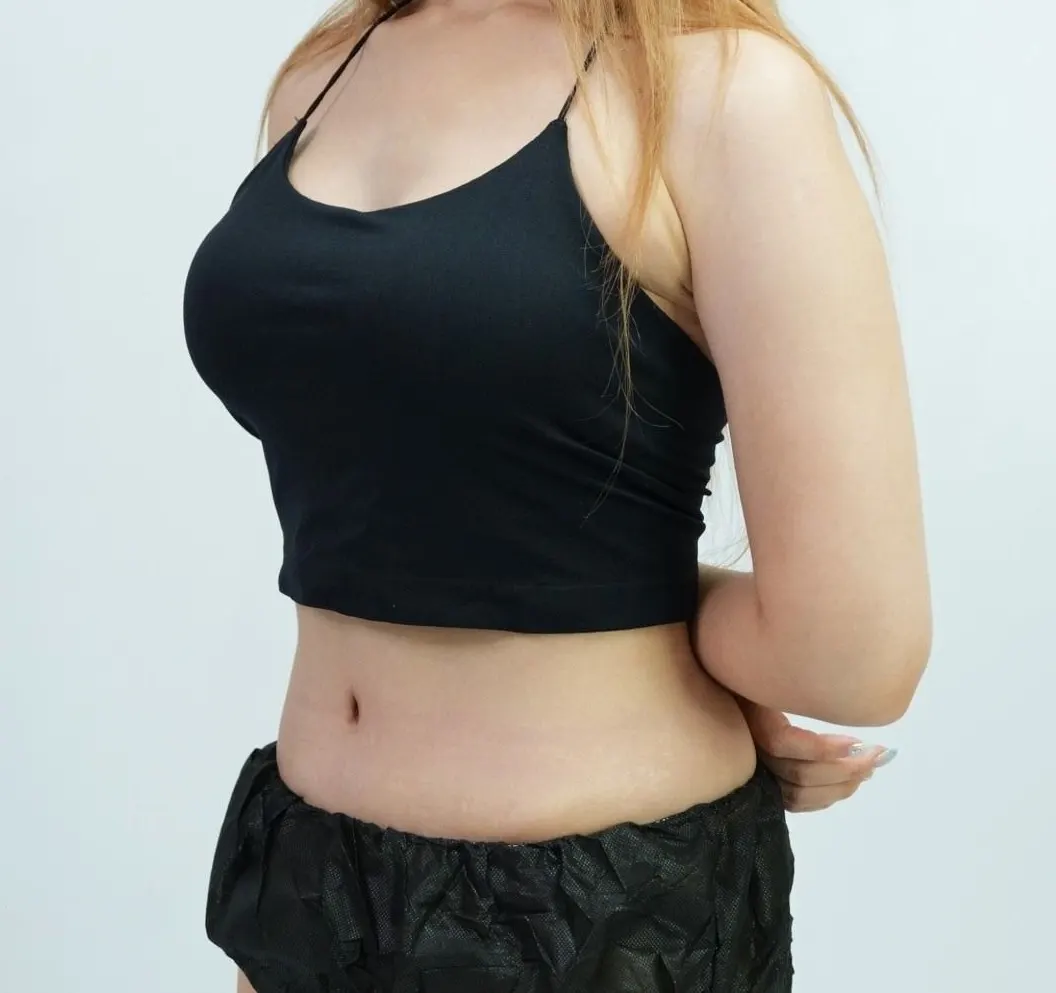
Afterward, the early pain was more noticeable than I'd imagined. With the tummy tuck and diastasis repair especially, even getting up and walking took time to get used to at first. I also wore a compression garment as the doctor advised, for about 3 months. That period was tough, but it was also when my body was recovering and my contours were settling.
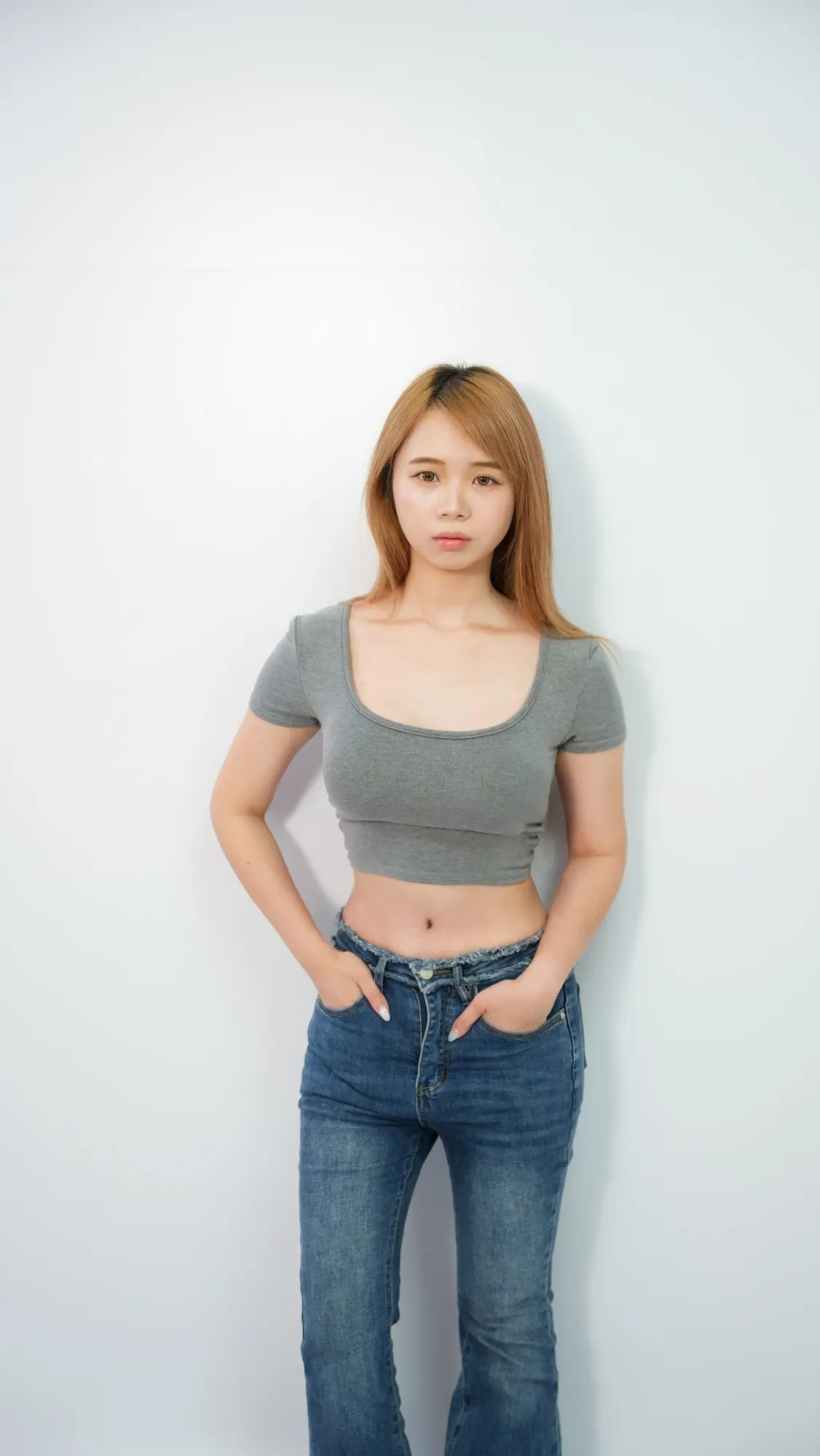
It wasn't until month 4, when I stopped wearing the compression garment, that I really noticed how much flatter my abdomen was and how my waistline was emerging. Looking back, the recovery was hard, but seeing how my figure has changed, I'm really glad I stuck it out.
10 out of 10: finally comfortable showing off my figure
If I had to rate the result, I'd give it a 10. What I notice most is that my once hollow upper chest is fuller, my breasts look more beautiful, and my waist and abdomen are much smoother than right after giving birth. I really like my overall proportions now.
I used to be extra self-conscious about my chest and belly in fitted or cropped tops and would instinctively try to cover up. Not having to hide anymore is what makes me happiest.
After seeing the change, family and friends have asked me what procedures I had and what recovery was like, and some have even started asking me about breast augmentation and postpartum body contouring. Since I've been through the whole process myself, I'm happy to share my experience with anyone who has similar concerns.
For me, the biggest change isn't just a better figure. It's finally being able to feel confident and wear the clothes I like!
This story reflects one patient's experience. Results and recovery vary from person to person; please consult a doctor in person about your own treatment plan.