Contents
Before considering breast augmentation, the question many people overlook most is: "Am I really a good candidate?"
Although breast augmentation technology is mature today, results vary greatly with individual constitution, breast shape, and health condition. If you do not evaluate carefully first, the final result may suffer, and post-op risks may even increase.
Breast augmentation is not for everyone! This article sets out who should not have it, who is a good candidate, and the key points of pre-op evaluation, to help you understand your own condition before surgery, reduce risk, and make a more confident choice.
What Breast Conditions Can Breast Augmentation Improve?
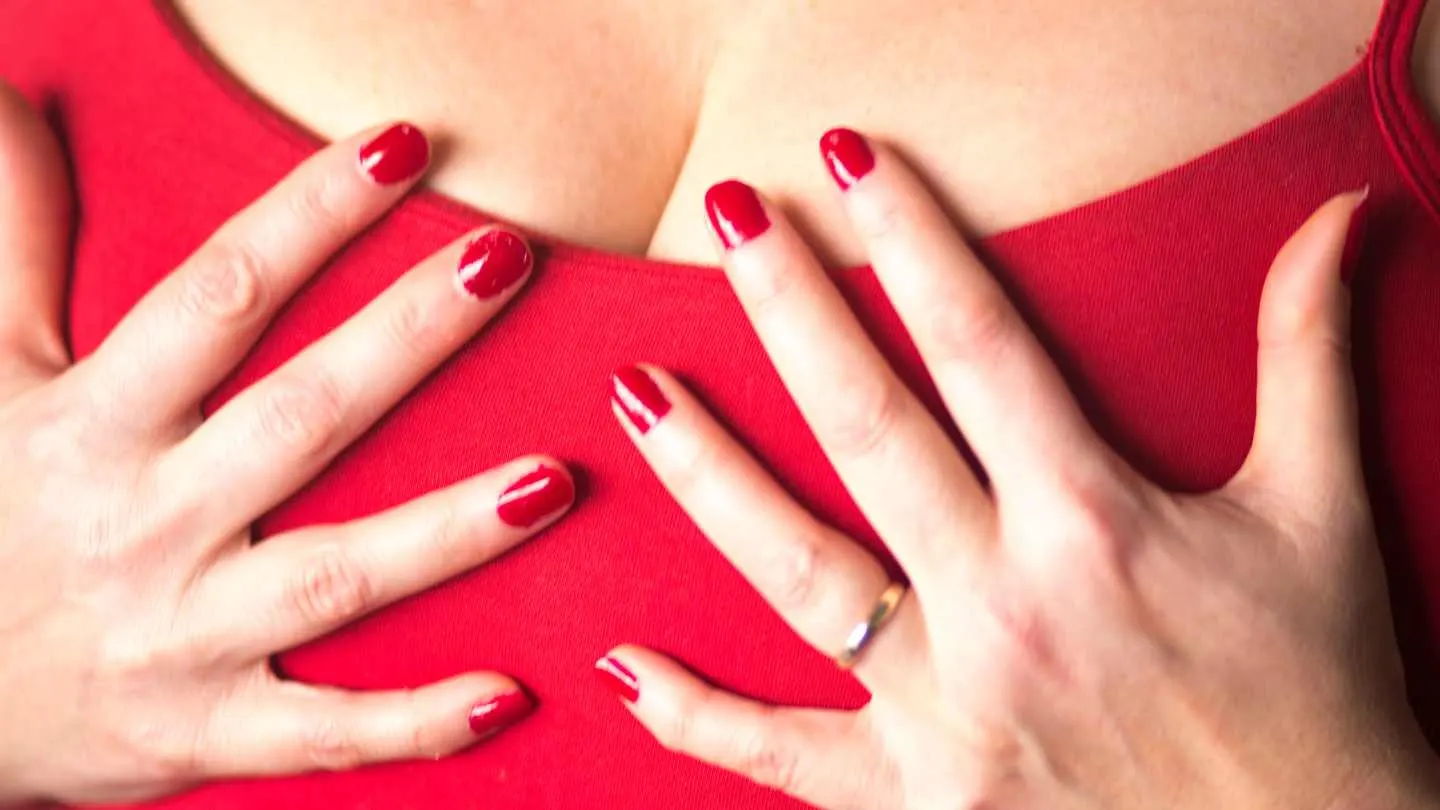
Breast augmentation is an effective aesthetic medicine procedure that can increase cup size and improve the shape of sagging breasts. It is a common solution for women whose breasts are naturally underdeveloped or who have sagging after childbirth. Implants provide support, so the surgery can rebuild full, firm breasts with a very natural result. For women whose breasts differ in size, point outward, or sit at different heights, an experienced doctor can make adjustments through breast augmentation and do their best to achieve symmetry between the two sides.
Flat chest
A flat chest means particularly small breasts, with the nipples almost lying against the chest muscle. Breast augmentation lets you shape your figure. Especially for slim people, the subcutaneous fat or breast tissue may be thin, so we recommend implants with fuller fill, which are less likely to show rippling.
Uneven breast size
If you are troubled by uneven breast size or asymmetry, breast augmentation can make fine adjustments so that both sides are relatively even. If the difference is more than 1.5 cup sizes, implants can be used; if it is less than 1.5 cup sizes, fat transfer breast augmentation may be considered to balance the breasts.
Sagging breasts
For sagging caused by excessive breast development, a breast reduction can remove the excess breast tissue, followed by a breast lift to reposition the nipples, and finally implants are placed to improve the shape.
Prominent accessory breast tissue
If accessory breast tissue is prominent, we recommend first evaluating its type, then using liposuction to remove the fat or breast tissue of the accessory breast before performing breast augmentation.
Outward-set (splayed) breasts
The nipples point toward the sides of the chest, creating an outward-set or "splayed" chest shape. Placing implants can effectively improve the outward-set appearance while adjusting and repositioning the nipples for a more balanced chest shape.
Who Should Not Have Breast Augmentation?
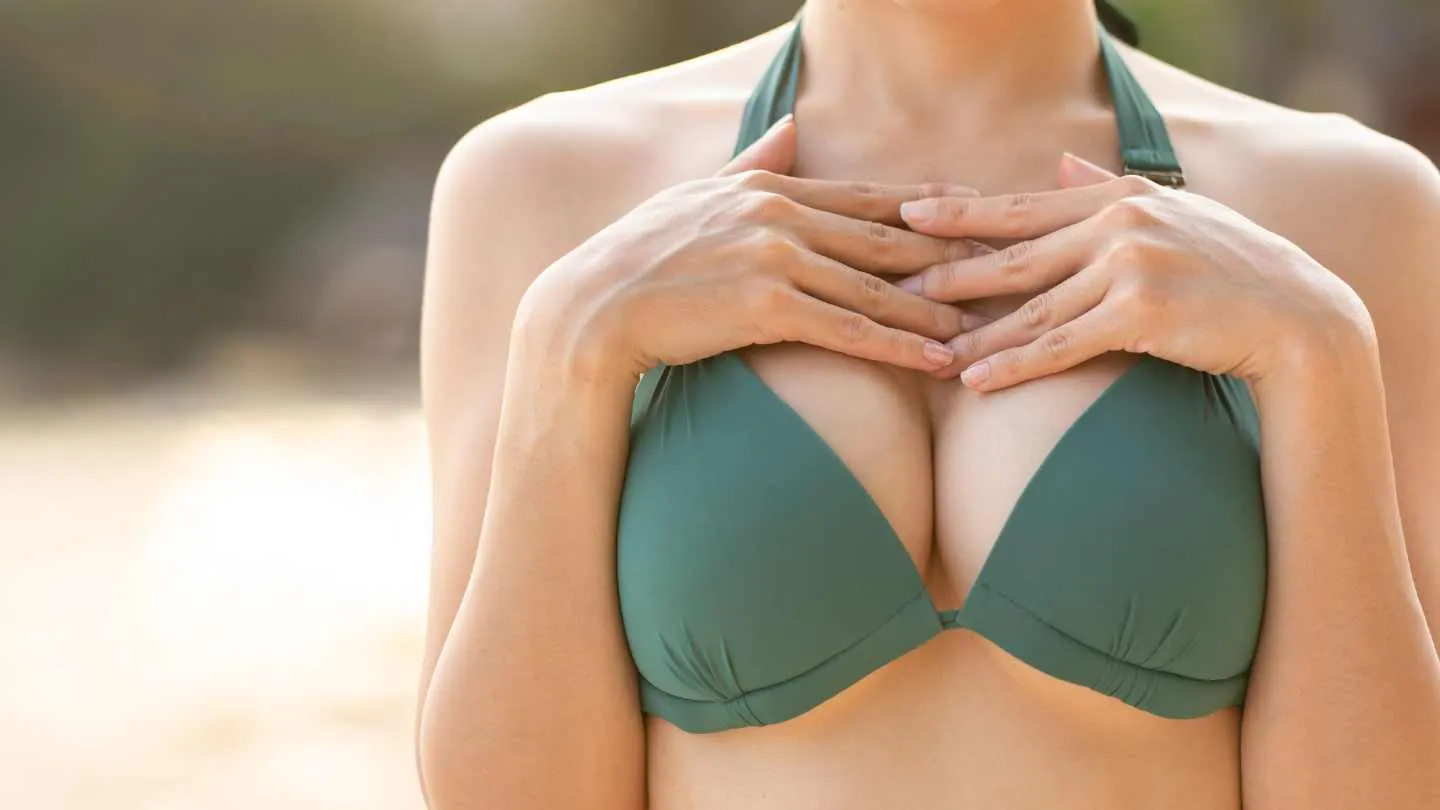
Although modern breast augmentation techniques are highly advanced, not every woman is a good candidate. Most people in good health can consider the surgery. Before deciding, we recommend consulting a qualified doctor. Below are some situations in which breast augmentation is not recommended.
Breastfeeding women
Pregnant women and nursing mothers are not suited to breast augmentation and are best off waiting for a more suitable time.
People with breast tumors
If you have ever had a malignant breast tumor, you should first receive appropriate treatment, and consider breast reconstruction only after treatment is complete.
People with serious illness
For patients with serious conditions such as heart disease, stroke, or other special illnesses, especially those taking medication, surgery carries greater health risks.
People with breast inflammation
If you have mastitis or other inflammation in the breast, implant surgery is also not suitable, because it may affect the post-op result.
Age Requirements for Breast Augmentation
Although breast augmentation is suitable for most women, there are still legal and health-science limits. Here are common age-related questions.
How old do you have to be for breast augmentation?
Under current law, minors are not allowed to have breast augmentation. The law explicitly requires that people having this surgery be at least 20 years old. So if a minor comes in to ask about breast augmentation, doctors are generally unable to accept the request.
Can older women still get breast augmentation?
Breast augmentation is not limited by age, and many women in their 60s have chosen it. The pursuit of beauty should not be restricted, and people of any age keep pursuing their dreams. As long as you are healthy and have no risk factors that make surgery unsuitable, basically anyone can consider breast augmentation, and what matters most is making yourself happy.
Is Breast Augmentation Affected by Hormones?
Breast implants are usually placed under the fascia or under the pectoralis major muscle, where they do not affect the mammary glands, so women can breastfeed with peace of mind. The breast structure includes mammary glands, fat, and chest muscle; after about 6 months of pregnancy, hormones begin stimulating the mammary glands to prepare for breastfeeding.
Hormone secretion is regulated by the central nervous system and the endocrine system and is not affected by breast implants. Women can therefore get pregnant and breastfeed with peace of mind, without worrying that breast augmentation will cause problems.
Which Breast Augmentation Method Should You Choose? Key Facts About Breast Augmentation Surgery
Body Type Limits for Breast Augmentation
Basically, there are no body type restrictions for breast augmentation! If you still have concerns, we explain different situations below.
Can I get breast augmentation if I am overweight?
Whether breast augmentation is suitable is not necessarily linked to being heavy or thin; what matters more is weight stability. For women planning a pregnancy, body shape changes before and after pregnancy, so we do not recommend breast augmentation during that period.
Likewise, if your weight fluctuates sharply, with large gains and losses, this may also affect the post-op result. Conversely, if your body shape stays relatively stable, whether thin or heavy, you are usually a suitable candidate for breast augmentation. What matters is keeping your weight stable before and after surgery.
Can I get breast augmentation if I am underweight?
For women who are naturally slim, the breast augmentation plan can be designed around their body characteristics, without pursuing an overly large cup size. The key to breast augmentation is creating a natural, harmonious look, not simply pursuing large breasts.
Everyone's body shape and proportions are unique, so choosing the right surgical method and implant size is crucial. A professional doctor will design the most suitable plan based on your body type and expectations, making the result more attractive and natural. Women of every body type have the chance to gain confidence and beauty through breast augmentation.
Which breast augmentation method suits underweight patients?
There is no fixed recommendation of one implant material for each body type. The key is for each woman to understand her own needs and preferences. Some people may value softness or firmness, and some may care whether massage is needed. It is perfectly normal for everyone to have different expectations and considerations about breast augmentation. An experienced breast augmentation doctor can offer customized advice and design a plan that fits each person's unique situation.
Can fitness enthusiasts get breast augmentation?
For fitness enthusiasts or athletes, fat transfer breast augmentation may not be suitable. This is because athletes usually have a high body fat percentage and actively burn fat in daily life, which limits how much transferred fat is retained and how well it works.
For athletes, we usually recommend placing the implant under the fascia, which avoids damaging the muscle. Because exercise is essential to their lives, an implant under the fascia is unlikely to affect their future muscle training and performance.
Breast Augmentation FAQ
There are many things to consider before breast augmentation surgery, so we have compiled common Q&A for your reference. If you still have questions, we also recommend asking a professional aesthetic medicine team.
Can pregnant women have breast augmentation?
Considering the health of mother and baby, pregnant women are not suited to breast augmentation and should wait until postpartum care is over and the baby is weaned.
Can men have breast augmentation?
Although breast augmentation for men is relatively uncommon, it accounts for roughly 3% to 5% of all breast augmentation cases. For transgender people in particular, it is one of the most widely accepted body contouring options. The main reason is that the male breast is a private area that is easy to conceal, so changes are not easily noticed by others, and breast augmentation is usually reversible: if it is no longer needed in the future, the implants can be removed at any time to restore the chest.
What size can breast augmentation achieve?
You need to understand that excessively large, unnatural breasts can cause problems. For example, if the implant is too large or too heavy, it may cause severe breast sagging and damage nerve and blood vessel tissue, creating extra burden.
In addition, carrying an overly heavy implant for a long time may cause lower back and back pain and make the figure look unnatural, so be sure to discuss implant size with your doctor and think it through carefully.
Breast augmentation is a major achievement of modern aesthetics and can help many women attain the figure they have always dreamed of. However, it is not suitable for everyone. This decision should be made with careful consideration of your own needs, health, and professional advice. If you have any questions about breast augmentation, be sure to contact a professional aesthetic medicine team first. We hope this article helps you better understand breast augmentation surgery.
This article is for general information only. Results vary from person to person; please consult a doctor in person before deciding on any treatment.