Contents
Liposuction has become a popular choice in recent years for weight loss and body contouring, but surgery inevitably carries some risk. Many people know little about why liposuction fails and what the risks are, and so hesitate to have the procedure.
If you want to look better but are hesitating, you are surely curious about the risks and potential complications of liposuction. This article walks you through those complications and how to avoid them, so you can pursue your ideal curves with confidence!
How Does the Liposuction Process Work?
Having liposuction is not just a matter of leaving it to the doctor; there is a lot of homework before and after surgery that you must do yourself. Here we walk you through what to watch for to lower the chance of complications.
Pre-op Evaluation for Liposuction
Not everyone is suited to liposuction, and before considering it you must receive a full evaluation from a doctor. Here are some common situations in which liposuction is not suitable: People with major illnesses, minors, and older adults over 55 should not have liposuction. In addition, people who are extremely obese and patients who cannot comply with post-op care are also not suited to liposuction.
Preparing for Liposuction
In the two weeks before surgery, avoid aspirin-type and anticoagulant medications, because they may affect blood clotting.
In addition, stop smoking before surgery, because the nicotine in cigarettes causes blood vessel constriction and thereby reduces blood supply, which is bad for wound healing. Also, never drive yourself on the day of surgery; for your safety, ask a friend to drive or use public transportation.
Planning the Liposuction Surgery
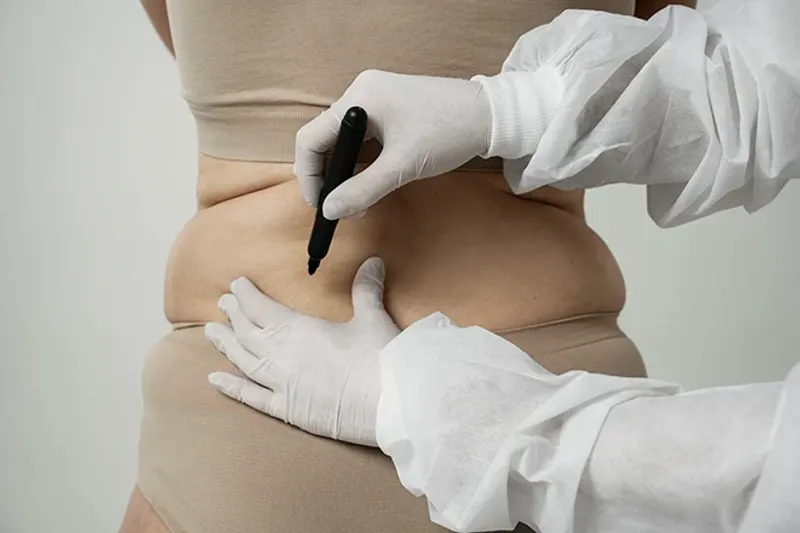
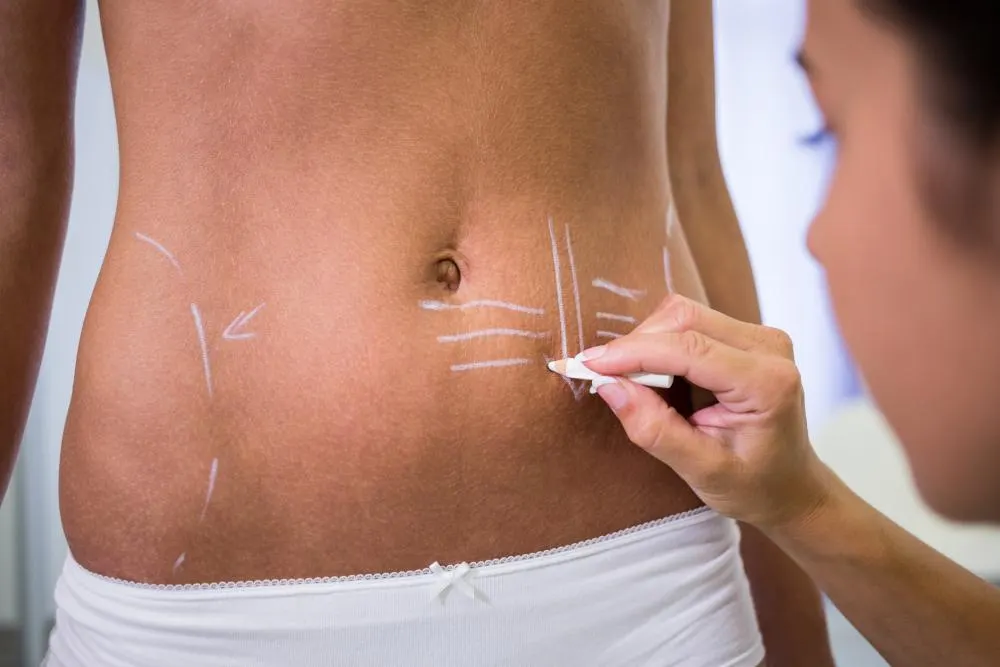
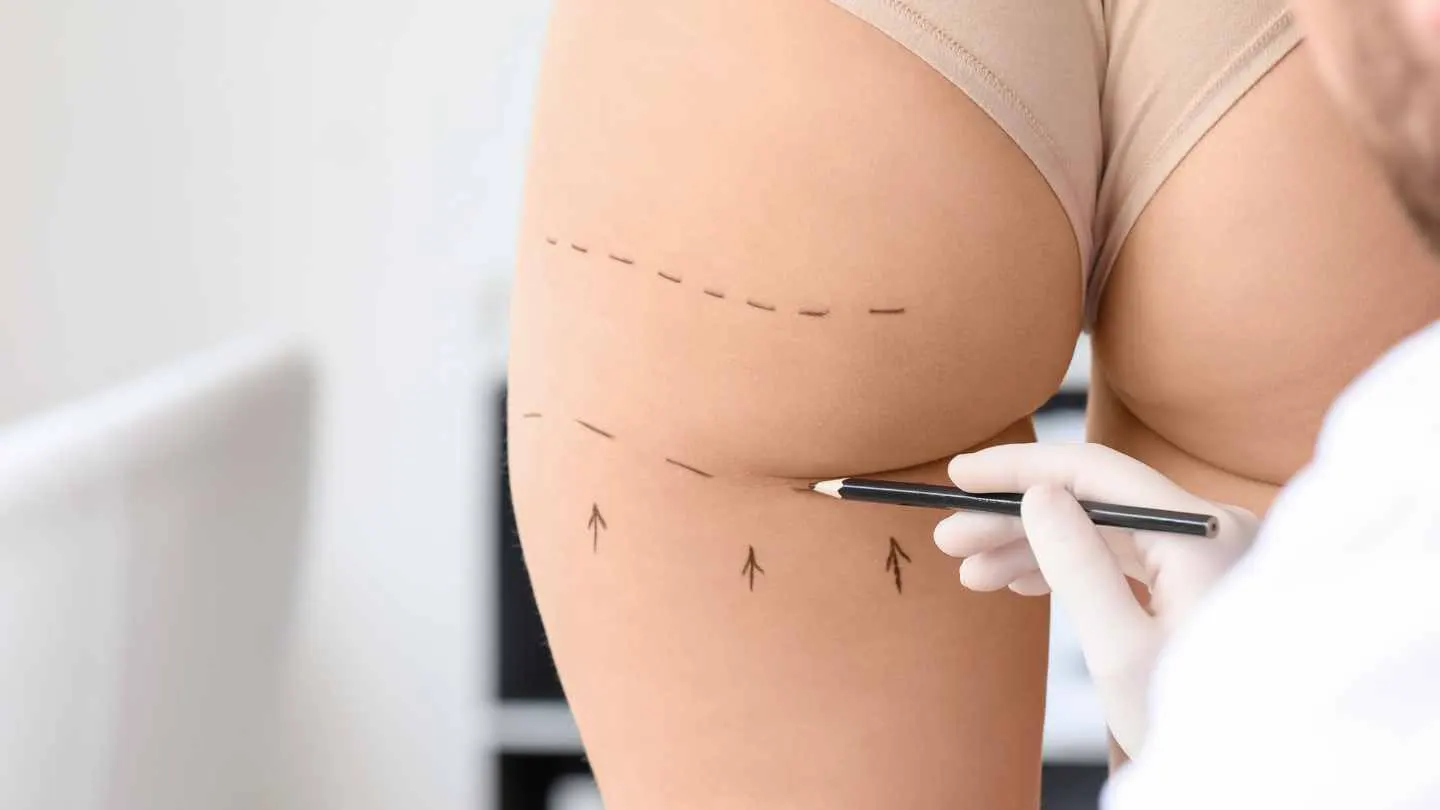
Before liposuction, be sure to communicate well with your doctor to confirm the areas to be treated and the results you want, and tell the doctor about your health condition, so that a sound surgical plan can be made.
The Liposuction Procedure
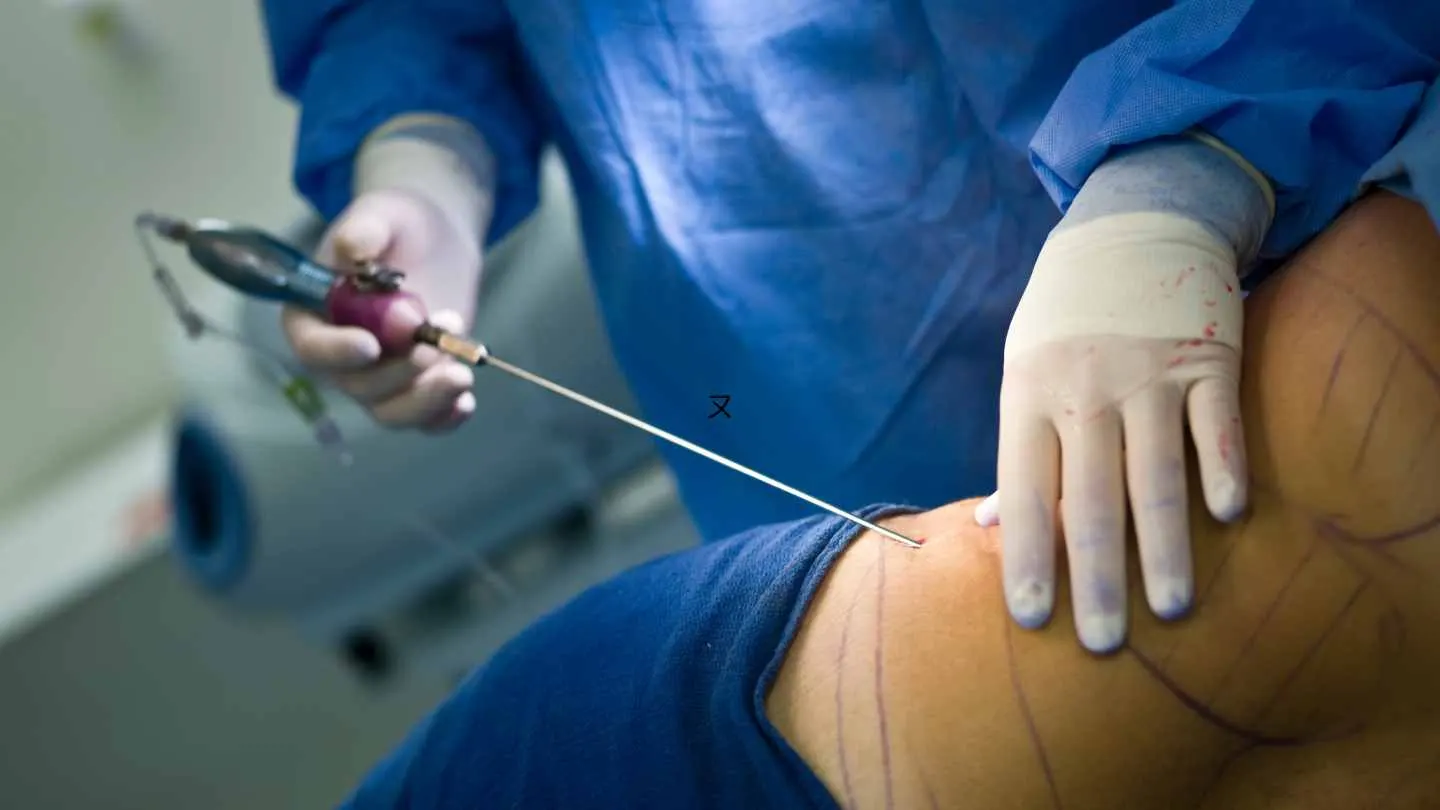
Liposuction usually requires anesthesia. After a small incision is made, a hollow alloy cannula is inserted under the skin and a vacuum liposuction machine draws out the deep fat. The whole process takes about 1-2 hours.
Recovery After Liposuction
Recovery time after liposuction varies with body type and the amount of fat removed, and generally takes 3 to 6 months. During this period, keeping the wounds clean and dry is very important, and you should take anti-swelling and anti-inflammatory medications regularly to lower the risk of post-op infection.
Follow your doctor's advice, do your care on schedule, apply appropriate warm compresses, and eat nutrient-rich foods, all of which help the wounds heal faster. In your spare time, you can also use warm compresses and massage to promote skin metabolism and speed skin recovery, making it smoother and softer.
What Is the Fastest Way to Recover After Liposuction? Precautions Fully Revealed!
Why Do Liposuction Complications Occur?
Because of factors such as instrument handling and force, improper technique in liposuction can lead to complications, such as puncturing muscle, the abdominal cavity, or internal organs and causing major bleeding.
In severe cases, if a blood vessel is accidentally injured during surgery, fat particles may enter the bloodstream and travel through the circulation to the lungs, causing a pulmonary embolism, which can lead to shock. Liposuction therefore needs to be performed by an experienced and highly skilled doctor and requires a proper pre-op evaluation to lower the risks of liposuction.
What Are the Main Complications and Risks of Liposuction?
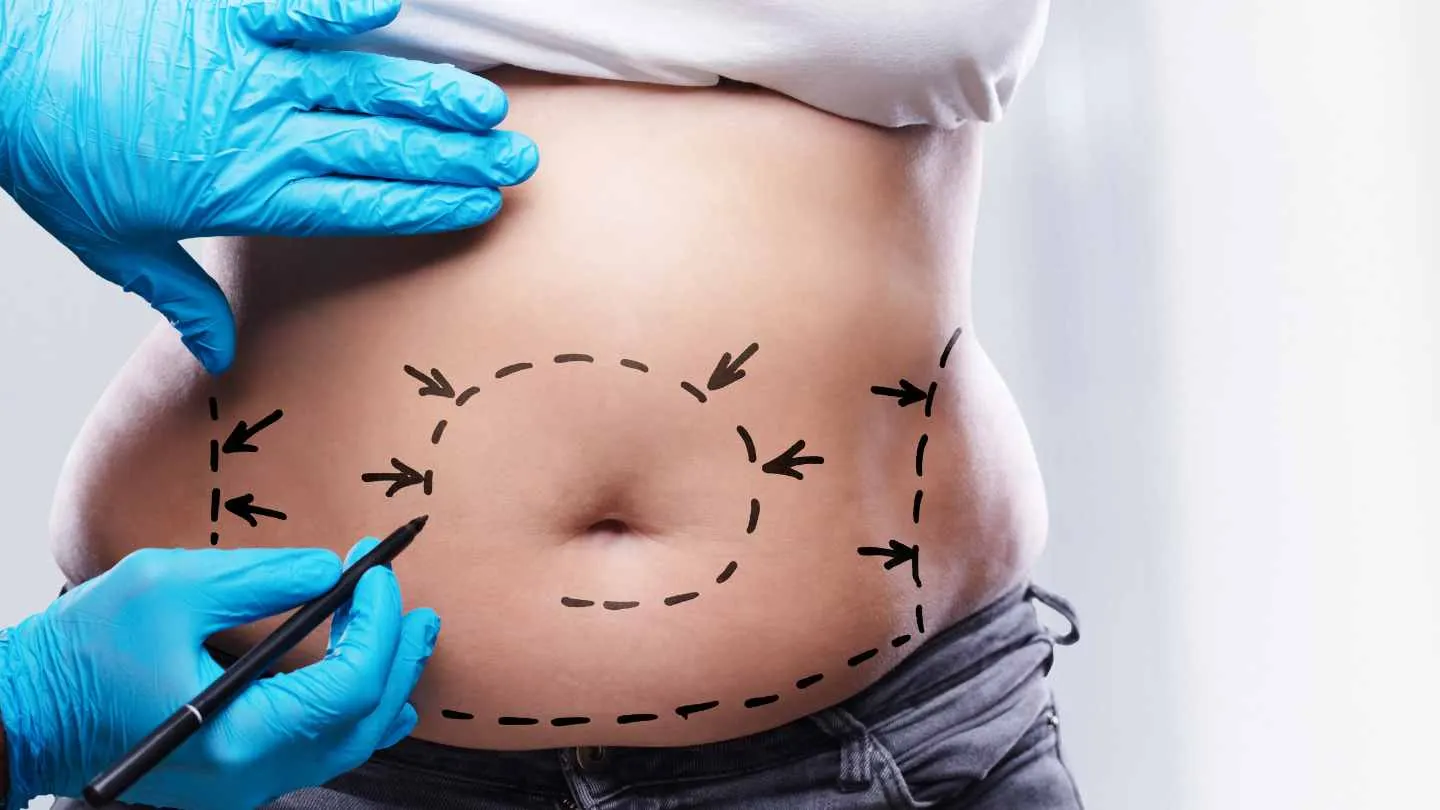
Below are the common liposuction complications and risks. In fact, as long as you remember to choose a professional doctor, communicate well before surgery, and follow your doctor's instructions, these problems can be effectively avoided!
Cardiovascular complications
To prevent heavy bleeding before liposuction, doctors need to inject a vasoconstrictor. If too much is used, it may cause cardiovascular complications.
Pulmonary edema
In some cases of large-volume liposuction, medication or fluid is injected into the treated area. If too much is injected, tissue fluid or blood may seep into the lungs and cause fluid buildup, leading to symptoms such as coughing or difficulty breathing.
Hemorrhagic shock
If bleeding continues after liposuction and collects in the subcutaneous tissue, and the hematocrit drops too low, it may cause hemorrhagic shock.
Subcutaneous hematoma
With liposuction, improper technique may injure blood vessels, causing blood to collect under the skin and form a subcutaneous hematoma, leading to post-op swelling and pain. This can interfere with the skin's blood supply and may even cause skin tissue necrosis.
Skin burns
During liposuction, if the time the instrument stays on the skin is not well controlled, the skin or tissue may be burned.
Localized fat necrosis
After liposuction, some of the damaged fat may not be fully cleared from the body. If blood circulation is impaired or immune function declines, localized fat necrosis may result.
Uneven treated areas
After liposuction, some patients may develop dents or bumps that have still not smoothed out after three months to half a year.
This is usually because the doctor applied uneven force during surgery, leaving the liposuction depth inconsistent, producing dents in the skin surface; or because the doctor misjudged and could not accurately determine the optimal amount to remove from each area.
Honest Q&A! Liposuction Complications and Risks at a Glance
How to Avoid Liposuction Complications and Failed Liposuction? 3 Risks You Must Know!
Can Liposuction Complications Be Fatal?
Although the probability is less than one in ten thousand, deaths from liposuction do occur, and the causes are mostly doctor error or the patient not fully disclosing their health condition.
Fat embolism
"Fat embolism" refers to fat being mistakenly introduced into a blood vessel during liposuction and then traveling to other parts of the body, blocking blood vessels. A severe fat embolism can seriously affect the blood vessels of the lungs and heart, causing blood oxygen to drop, and can even be fatal.
Excessive fat removal
Modern liposuction uses special anesthesia and tumescent fluid, injected before fat removal for anesthesia and fluid infiltration. These fluids are there to ensure safety, and doctors carefully adjust the ratio and total amount of medication to avoid electrolyte imbalance.
Generally, a single session should not remove more than 4,000 ml of fat, to prevent excessive fluid loss, acute dehydration, electrolyte imbalance, and life-threatening heavy bleeding.
Sepsis infection
Although liposuction causes relatively little trauma, you still need to be alert to the risk of sepsis from wound infection.When microorganisms such as bacteria, viruses, or fungi enter the body, they can trigger a strong immune response and severe inflammation throughout the body, with symptoms such as fever, a rise or fall in white blood cell count, and shock, and may even lead to multiple organ failure and death.
Accidental injury to other organs
Liposuction focuses on dissolving and removing fat cells in the subcutaneous tissue and usually affects only the fat layer, without damaging the skin, deep muscle, or other internal organ tissue.
In practice, however, a doctor occasionally makes an error in handling, causing the cannula to puncture an internal organ, which may lead to intestinal rupture or internal bleeding, among other situations.
Anesthesia risks
Anesthesia for liposuction usually comes in two options, general anesthesia and local anesthesia, and the choice depends on the extent and duration of the liposuction.
Errors during the procedure or improper anesthetic drugs can also be one of the main causes of death in liposuction. For example, an allergic reaction to anesthetic drugs, whether inhaled or intravenous, can cause anaphylactic shock with respiratory failure, convulsions, and other effects.
How Can You Avoid the Risk of Liposuction Complications?
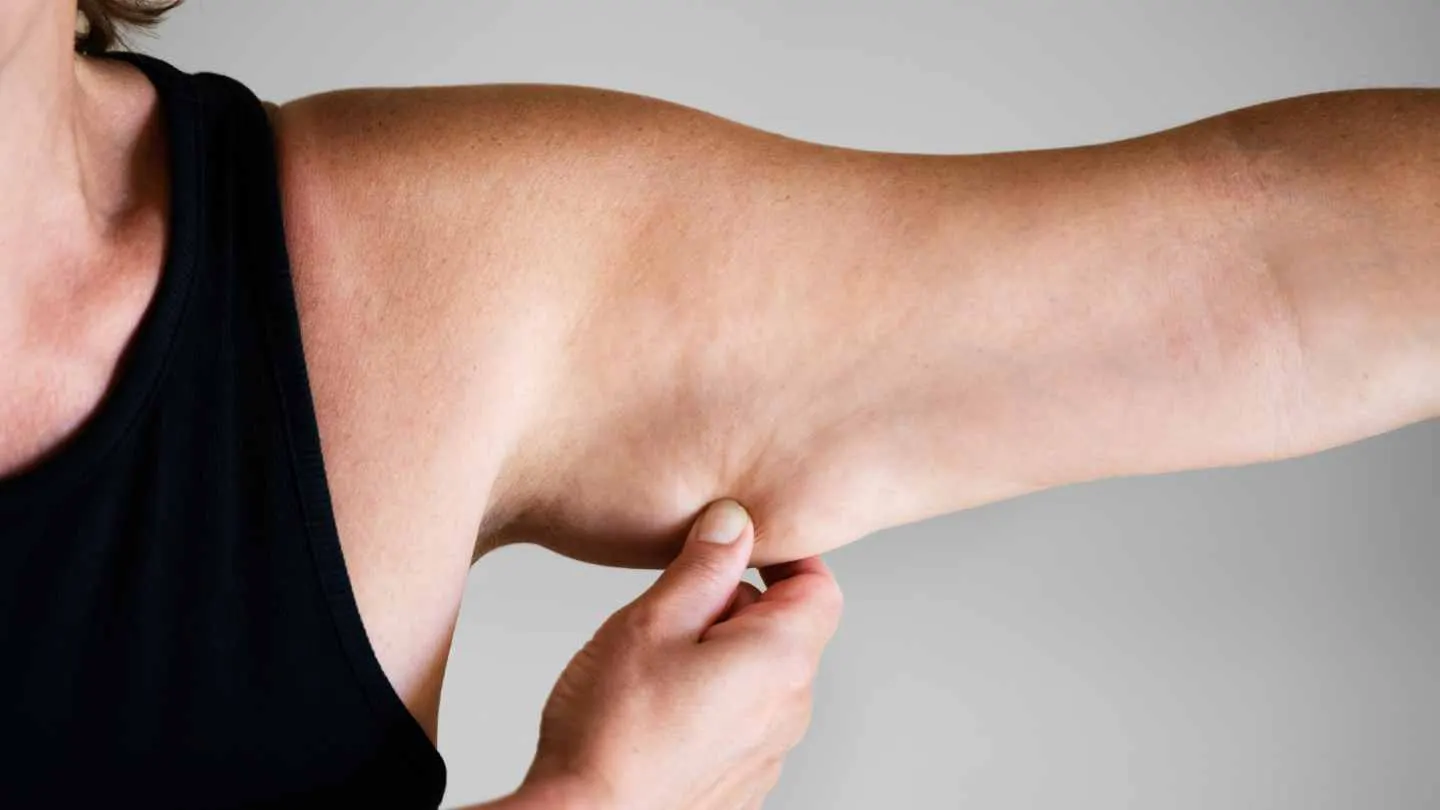
Reading about the complications above may make you fearful of liposuction, but in fact following the points below can avoid high-risk complications.
A Proper Pre-op Evaluation
Before liposuction, be sure to be honest with your doctor about your health condition so the doctor can correctly assess whether surgery is suitable for you, which reduces the risk of complications.
Setting Appropriate Goals
Do not be greedy and try to remove a large amount of fat in one go. Only a moderate amount of liposuction can safely and smoothly shape the body; otherwise, harming your health is not worth it.
Professional Anesthesia
Liposuction requires anesthesia first, so it is very important that the surgical team has an experienced anesthesiologist.
A Professional Doctor
The importance of a professional doctor to surgery goes without saying. Be sure to choose an aesthetic medicine team with good reviews and guaranteed professionalism.
Clinic Equipment
The equipment used during surgery also affects the level of surgical risk, because of factors such as accuracy and hygiene, so the clinic where you have the surgery also deserves attention.
After reading this article, do you have a deeper understanding of the process and risks of liposuction, and no longer feel unfamiliar with it or afraid of it? Although liposuction carries risks, the actual mortality rate is extremely low, and risk can be reduced through a qualified doctor and careful technique. Pre-op evaluation and preventive measures are also very important. As long as every detail is done well, achieving the ideal figure is definitely not difficult!
This article is for general information only. Results vary from person to person; please consult a doctor in person before deciding on any treatment.