Contents
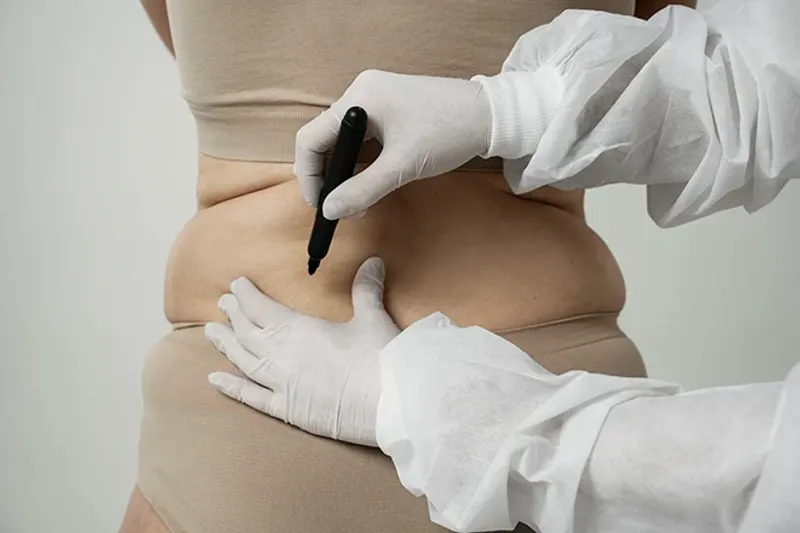
Long-term unbalanced eating combined with prolonged sitting leads to fat building up in the body that is hard to reduce, an unavoidable annoyance of modern lifestyles. If you want to get rid of these bothersome fat deposits quickly, liposuction is a fast and effective method!
Liposuction has become more and more common today. But aesthetic medicine is highly specialized, and it is natural to have questions. Perhaps you are not sure about the methods, related costs, possible side effects, and complications of liposuction, and that is fine! This article briefly covers common questions about liposuction to help you quickly understand this aesthetic medicine procedure for an ideal figure!
How Does Liposuction Work?
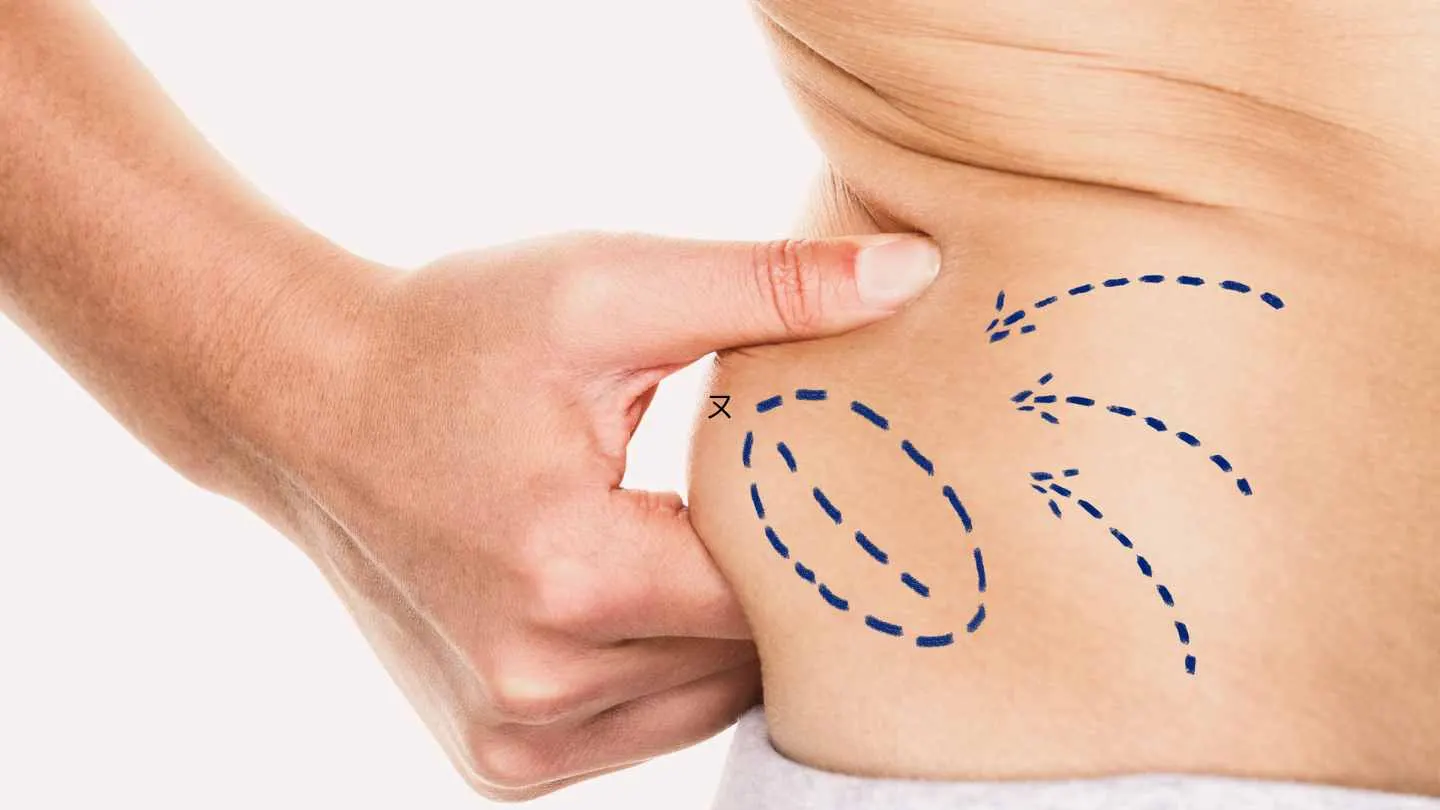
Human skin has a complex structure, and fat can be divided into two layers, superficial fat and deep fat. Deep fat accumulates more easily and is also the fat the body finds hard to burn, hard to remove even with a controlled diet and high-intensity exercise. In this situation, liposuction becomes one of the effective ways to quickly remove excess fat.
Liposuction mainly targets the loose deep fat, removing it to reduce the number of fat cells and further shape the body's curves.
Most liposuction doctors use straw-like surgical instruments to draw out deep fat while protecting surrounding tissue from damage. After processing, the removed fat can be used for fat transfer to other areas.
How Is Liposuction Different from Weight Loss?
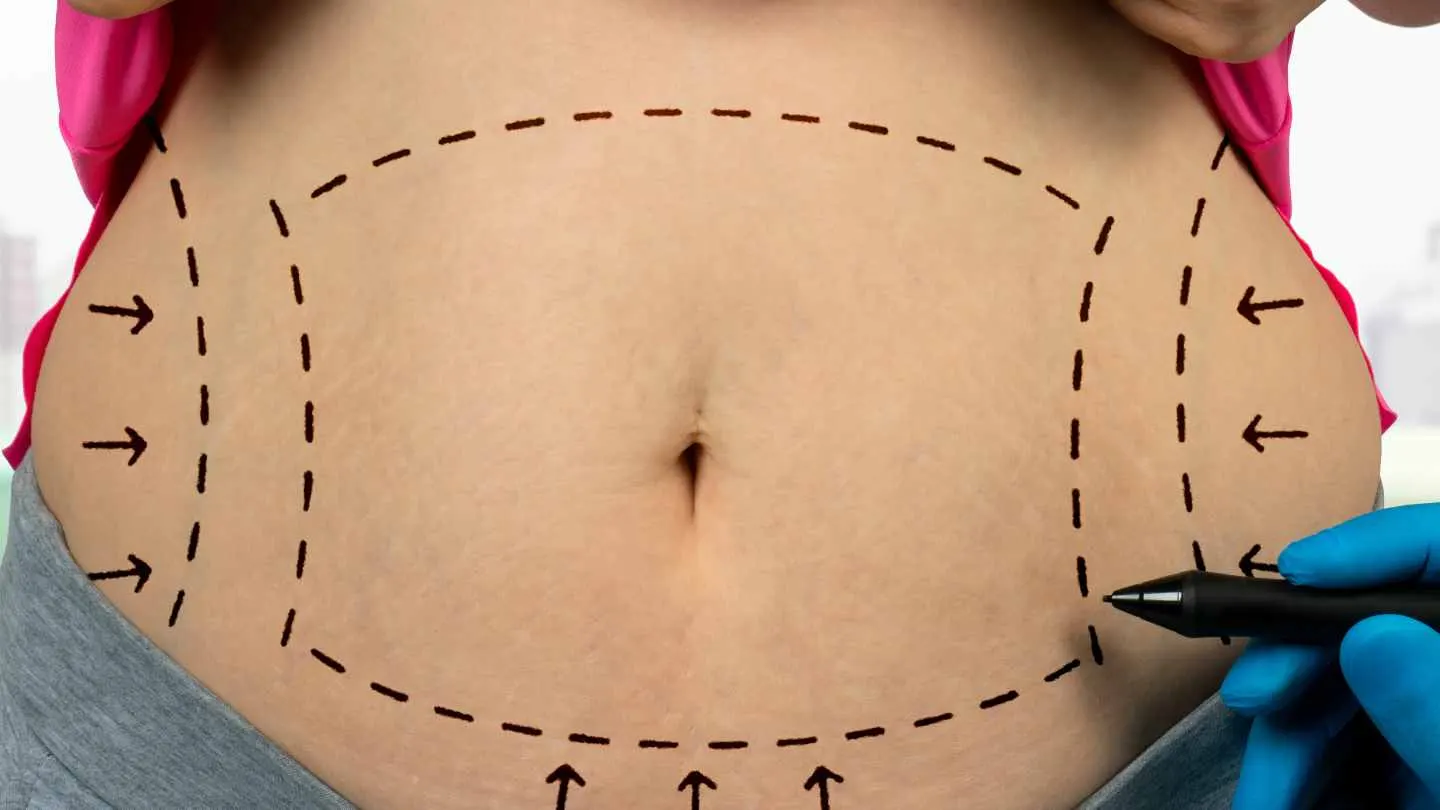
A common myth holds that liposuction is unnecessary and that continued exercise and dieting are enough, but the effects of the two are very different! In fact, if you are overweight, doctors may even recommend losing weight first for health reasons.
Liposuction
Liposuction removes deep fat cells, directly reducing the number of fat cells, and do not fall for the myth that liposuction can help you lose weight: because fat cells are light, surgery has little effect on body weight, so it is better suited to people pursuing a sculpted figure.
Dieting and Exercise
Through exercise, diet control, and similar methods, the effect is to shrink the volume of fat cells, while the number of cells does not change, which suits people who want to maintain a healthy weight over the long term. For stubborn fat in specific areas, however, the effect of dieting and exercise is quite limited. In common areas such as the thighs or buttocks, even long-term exercise rarely achieves a contouring effect.
Must-Read Before Liposuction! The Key to Liposuction Pain, and Is Liposuction Weight Loss?
Losing Weight Is Not the Same as Losing Fat! 4 Fat-Loss Methods for an Ideal Figure with Ease
Which Areas Can Be Treated with Localized Liposuction?
Liposuction can be done on many areas. Below are the common areas for localized surgery. Because body structure and fat distribution differ from person to person, when choosing areas you should still talk with a professional doctor to find the areas that suit you best.
Arm Liposuction
Arm liposuction can remove excess fat, improving the contour of the arms and making them look slimmer.
Thigh Liposuction
Thigh liposuction targets fat on both the inner and outer thighs. It can improve thighs that are too thick or have too much fat accumulation, giving the lower body better overall proportion.
Accessory Breast Liposuction
The small fatty bulges near the breasts are called pseudo accessory breasts. They feel loose and soft and are usually caused by obesity and the resulting excess fat accumulation. Because the fat sits in places that are hard to work out, the chance of removing it through weight loss alone is often poor, and liposuction can then be considered.
Abdominal Liposuction
Circumferential abdominal liposuction can help remove excess abdominal fat. It can effectively improve abdominal contours, turning a belly that looks heavy into a flat, shapely one, and give you an ideal waistline.
Calf Liposuction
Calf liposuction helps remove excess fat and improves the contour and muscle balance of the calves, making them look longer, slimmer, and more attractive.
Double Chin Liposuction
Double chin liposuction helps prevent neck lines and a double chin from appearing, making the chin contour more defined and attractive.
Buttock Liposuction
Buttock liposuction helps reduce excess fat in the buttocks, improving their curve and making them firmer and more attractive.
What Are the Risks of Liposuction?
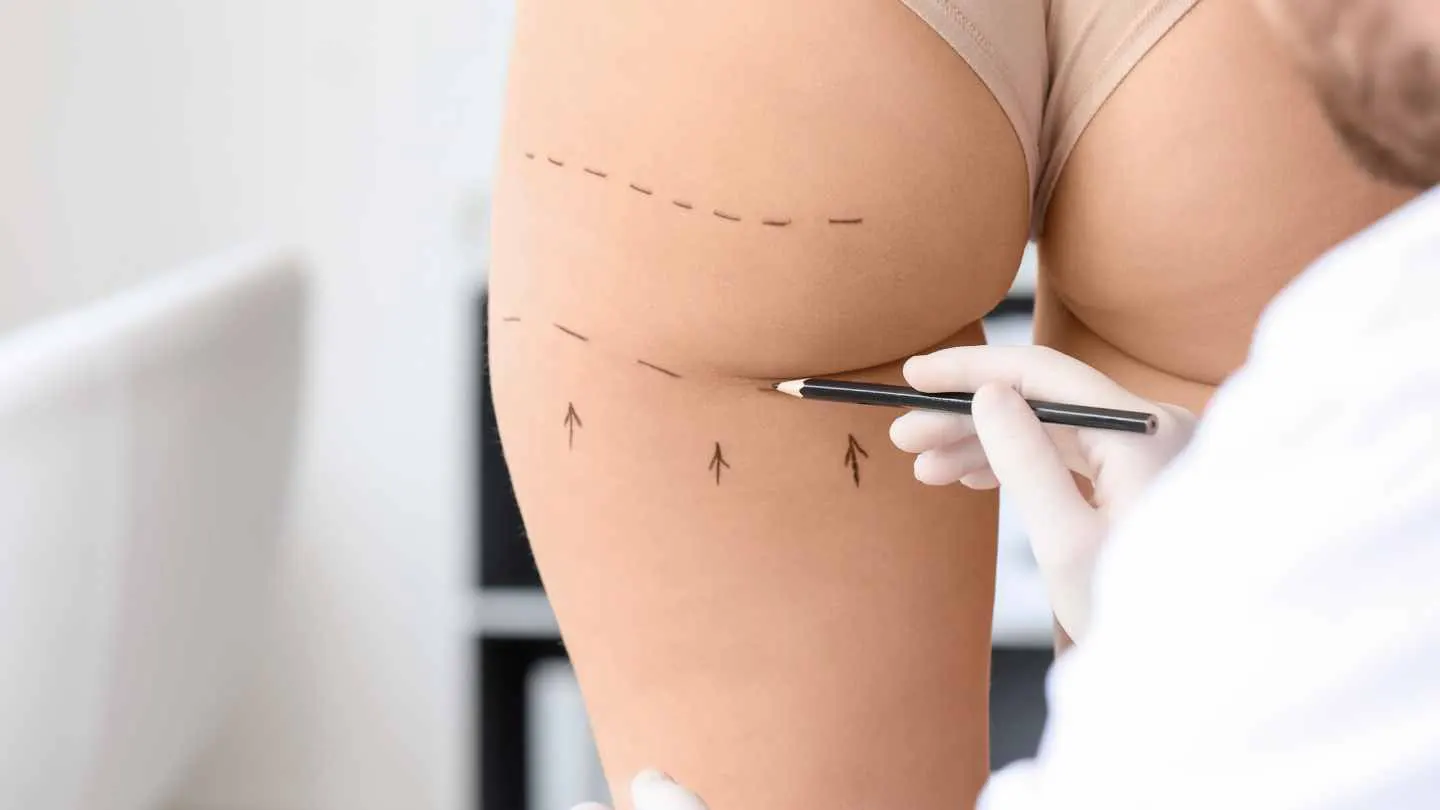
The risks of liposuction are often what makes people hesitate, but in fact, according to research from the American Society for Aesthetic Plastic Surgery, the complication rate of liposuction is about 0.25% and the mortality rate is only 0.002%, and fat embolism, one of the most serious complications, occurs in fewer than one in ten thousand cases.
These statistics show that the risk of liposuction is relatively low, but you still need to choose a qualified doctor and clinic carefully to ensure safety. In the next section, we also outline the common risks of liposuction, to help you understand this surgery fully before pursuing beauty.
Scarring Risk
After liposuction, a series of small puncture wounds is usually left. These wounds are usually about half a centimeter in size, and doctors suture them carefully, hiding them as much as possible in inconspicuous spots or skin creases.
The question many people care about most is how to avoid scarring. According to medical research, covering the wound helps fade pigmentation and reduce scar hardening. If wound care is neglected, the wound may swell or develop darker scars. Caring for the wounds after stitch removal therefore takes patience and strict adherence to your doctor's advice.
Risk of Weight Regain
Note that liposuction is not a one-and-done solution. Liposuction reduces the overall amount of fat, but if you do not watch your eating and exercise habits, the remaining fat cells in the body can still grow, causing weight to return.
Anesthesia Risks
Anesthesia for liposuction generally comes in two types: general anesthesia and local anesthesia. Improper technique or inappropriate anesthetic drugs during anesthesia can cause risks and may even lead to death.
Therefore, patients having liposuction are strongly advised to find an experienced, qualified anesthesiologist to ensure safety during the procedure.
Complication Risks
Liposuction can also cause additional complications, with probabilities related to personal health and genetics. Common complications include: cardiovascular complications, hemorrhagic shock, pulmonary edema, subcutaneous hematoma, skin burns, localized fat necrosis, and others.
The best way to avoid the risks above is to choose a trustworthy clinic and doctor with experience and good reviews, since a more professional team is better able to handle all kinds of situations.
Honest Q&A! Liposuction Complications and Risks at a Glance
Does Liposuction Hurt? How Long Does the Pain Last? The 10 Most Common Q&As
How Should You Care for Yourself After Liposuction?
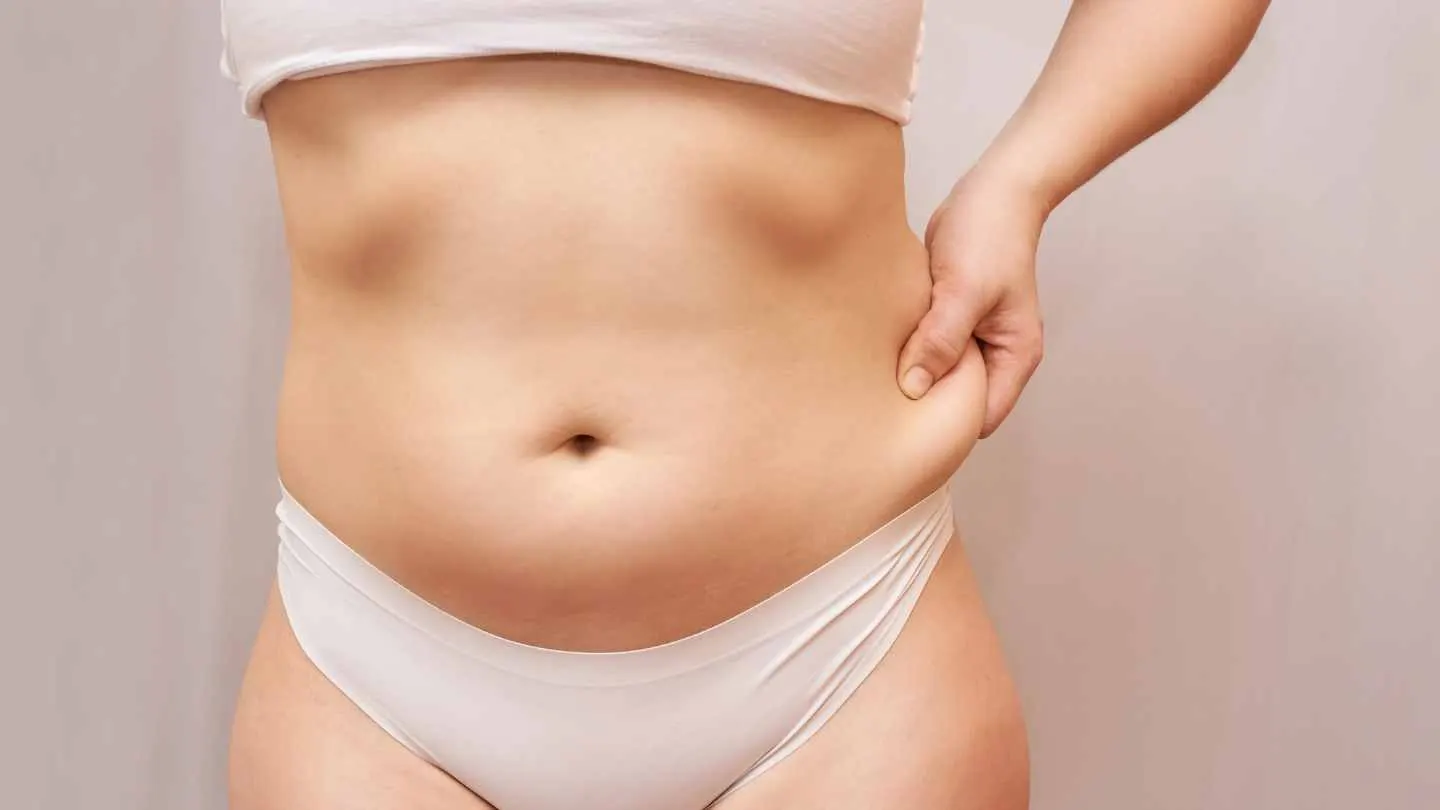
With liposuction, you cannot relax just because the surgery is over; post-op care for the body is sometimes even more important! Some cases have suffered serious harm from not paying enough attention to post-op care. Below are common care methods, but of course your professional doctor's instructions come first, and following the doctor's instructions is basic good practice for anyone having surgery.
Massage After Liposuction
Massage after liposuction plays an important role in several ways, including reducing swelling, preventing fibrosis and lumps, and fine-tuning the overall contour. Generally, the first two months after liposuction are the golden period for massage, and continuing to massage after that helps refine body lines and firm the treated areas.
Diet After Liposuction
After liposuction, in the first 7 days you should avoid smoking, drinking, and staying up late, and avoid irritating foods such as spicy, salty, and fried foods. During this time, choose natural ingredients and especially get enough protein to promote wound healing and body recovery.
Rest After Liposuction
After surgery, in the first 2 days you should stay in bed as much as possible to reduce pain and the risk of bleeding. When resting, also try to elevate the surgical area to help reduce swelling. Activity after that should also follow your doctor's instructions to avoid affecting the surgical wounds.
Compression Garments After Liposuction
After liposuction, gaps may appear in the subcutaneous tissue, leaving the appearance loose. Wearing a compression garment applies pressure that evenly compacts these areas, which helps improve unevenness and is an important care measure after liposuction.
Reducing Swelling After Liposuction
After liposuction, doctors usually prescribe a diuretic to help drain excess fluid and reduce swelling. Icing on your own is another method; it constricts blood vessels and slows blood flow, reducing pain and inflammation.
Liposuction is already a common aesthetic medicine procedure today. We hope this article helps you better understand this way to improve your appearance. Wanting ideal body lines is a wish everyone has. As long as you find a professional team and prepare to take post-op care seriously, liposuction is definitely a good way to sculpt your figure!
What Is the Fastest Way to Recover After Liposuction? Precautions Fully Revealed!
This article is for general information only. Results vary from person to person; please consult a doctor in person before deciding on any treatment.