Contents
In today's anxious society, more and more people hold their appearance and body to higher standards and keep striving for something better. For women, breast augmentation is a real gift of modern medicine: it can address concerns you care about and boost your inner confidence. But does breast augmentation carry many complications and risks? What exactly is the “capsular contracture” people mention online? Can you have a second augmentation if you regret the first? And if it goes wrong, can the implants be removed? Today we introduce and analyze, in one place, the four major risks you need to understand before breast augmentation. If you are considering it, we recommend reading to the end, learning as much as you can about breast augmentation, and evaluating your options carefully so you can avoid complications and regret.
Potential Risks Inside the Body After Surgery
1. Capsular Contracture
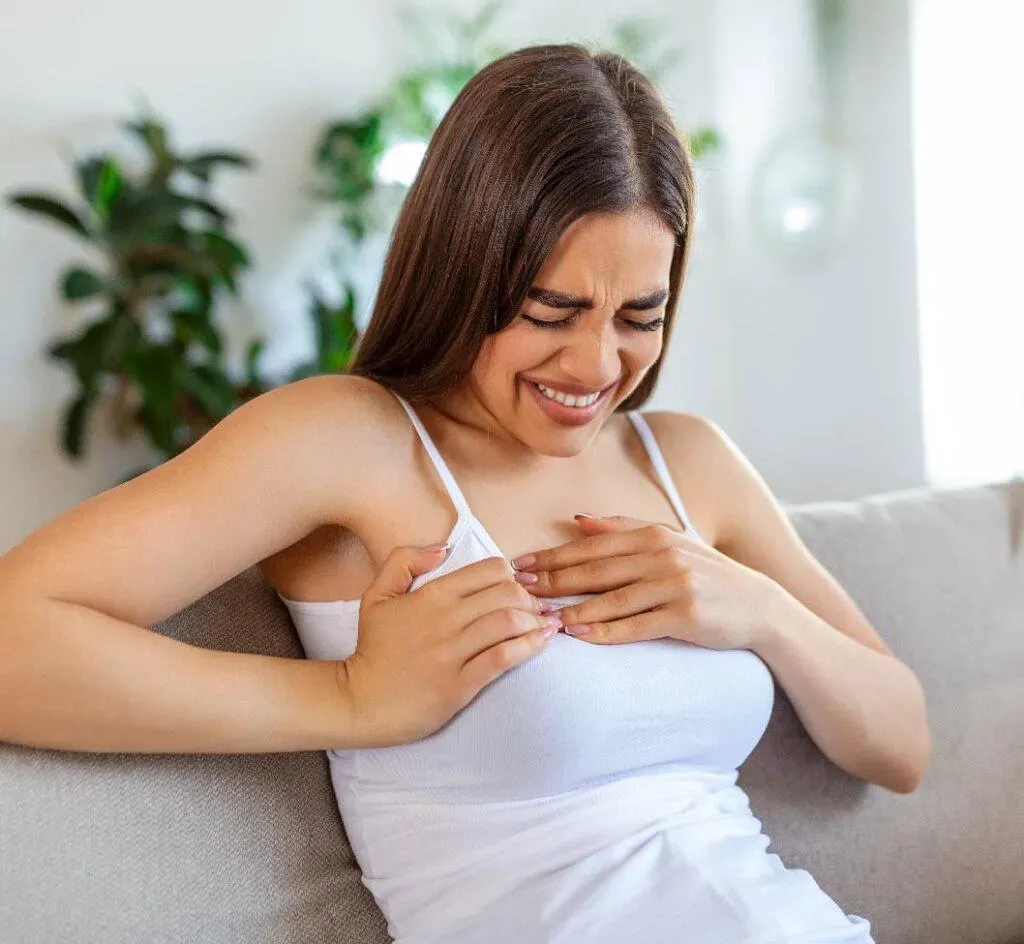
Capsular contracture is caused by the immune system's natural reaction when a breast implant is placed in the body. To isolate the foreign object from body tissue and prevent adverse reactions, the body forms a layer of capsule around it. So, if the implant is less compatible, the capsule keeps growing, thickening, and hardening, which presses on the implant and causes symptoms such as deformity, displacement, and pain.
How Much Do You Know About Breast Augmentation Complications? Understanding “Capsular Contracture”
2. Calcification After Fat Transfer Breast Augmentation
Calcification usually results from “injecting too much fat” or “concentrating the fat in one spot.” Many people ask for more fat to get a bigger size, but overfilling leaves part of the fat tissue without enough blood and oxygen supply, and when blood supply is insufficient, tissue at the center is prone to necrosis, so calcification, lumps, or cysts can form.
However, in actual cases, calcification is less likely after fat transfer breast augmentation, and it is also less likely to cause breast cancer. If a lump is found, you can have it examined with a needle biopsy. If it is benign, it can be treated with “ultrasound-assisted lipolysis” or “fine-needle aspiration”.
What Is Fat Transfer Breast Augmentation? A Guide to the Procedure and Key Precautions
3. Hematoma After Breast Augmentation
A breast augmentation hematoma is a condition in which blood abnormally collects in the surgical area within 48 hours after surgery, which can leave the breasts feeling tight and painful, or even swollen. Common causes include the surgical technique used and the patient's medical history before surgery.
If this happens, be sure to notify your attending surgeon immediately so it can be treated. We also remind patients to discuss the plan in detail with the doctor before surgery and to tell the doctor about their personal medical history.
4. Wrinkles and Rippling After Breast Augmentation
Wrinkles and rippling after breast augmentation arise from “a mismatch or uneven fit between the implant and the surrounding tissue.” For example, if the implant is not 100% filled with gel or there is not enough fat covering it, rippling or wrinkles can appear.
We also remind women with a smaller frame or a flat, slender build that smooth-surface implants can easily cause problems when there is too little upper-chest or subcutaneous fat, leading to gaps, wrinkles, or rippling after surgery. That is why we recommend choosing a gel-filled implant that suits the amount of fat in your own breasts, to avoid these problems.
What Are the Risks of Breast Augmentation?
If you know little about breast augmentation, you have probably still heard of “complications of liposuction breast augmentation” and “complications of fat transfer breast augmentation.” Next, we walk you through the “four major risks and side effects of breast augmentation.”
1. Surgical Infection
Any surgery carries a risk of infection! So before breast augmentation, we recommend learning about the clinic and the doctor's background, and looking for an experienced, professionally certified surgeon, to minimize every risk.

2. Implant Rupture
An implant can rupture if it is accidentally cut by a surgical blade during surgery or for other reasons, leading to complications after breast augmentation. If the gel is highly cohesive, it is less likely to leak, which lowers the chance of adhesion to tissue in the body.
3. Implant Malposition
After breast augmentation, improper surgical technique or other factors may leave the breasts asymmetrical, so surgeons usually recommend wearing a compression garment after surgery to help with adjustment.
4. Surgical Scars
Breast augmentation usually requires a scar around the breast, such as in the armpit, along the lower breast fold, or beside the areola. Beyond choosing the incision site, using endoscopic equipment and choosing a highly expandable breast implant can make the incision smaller.
Breast Augmentation Secrets: Materials and Complications at a Glance
Regret After Breast Augmentation: Can the Implants Be Removed?
Now that you know the complications and risks of breast augmentation, let's look at the three most common reasons for regret.
1. The shape after surgery falls short of expectations
2. The breasts feel unnatural to the touch after surgery
3. Finding out after surgery that breast augmentation is not right for you
Honest Q&A: Liposuction Complications and Risks at a Glance
Is There a Fix for Regret After Breast Augmentation?
Question: Can the implants be removed if I regret breast augmentation? What if I regret fat transfer breast augmentation? We answer and analyze both questions below.
1. Regret After Fat Transfer Breast Augmentation
Some people feel the results are not good enough after fat transfer breast augmentation, or that the fat has been absorbed by the body. This is because fat transfer breast augmentation inherently carries the risk of the breasts getting smaller (as fat is absorbed). So you can discuss your ideal cup size and your concerns with your doctor and have the doctor assess which augmentation method and material suit you best.
2. Regret After Breast Implant Augmentation
What if the implant does not suit you? Worried that other complications will follow…
You have two options:
1. Breast implant removal surgery: Discuss it thoroughly with your doctor, who will assess your case and perform the removal surgery if appropriate. Recovery after surgery takes about six months, after which the breasts regain a natural appearance and elasticity.
2. Remove the breast implants and switch to fat transfer breast augmentation: If you are concerned about capsular contracture or other complications after surgery, you can consider having the implants removed and switching to “fat transfer” breast augmentation to ease those concerns.
We also remind patients to ask as many questions as they like during the pre-op consultation. Raise your concerns and let the doctor answer them professionally, which can also help you avoid regret!
A Quick Guide to the Causes of Complications and How to Avoid Them
Proper surgical technique and a professional medical team can reduce risks during surgery and the chance of complications afterward. Even so, as breast augmentation has become popular in recent years, you can still find many reports of failed cases online, leaving many people who are considering it both tempted and hesitant. The NAISS team has put together the following five areas for a simple analysis and explanation!
1. Risks of the Surgery Itself
Breast augmentation is a “surgical procedure” performed under general anesthesia, and during surgery there may be risks such as bleeding, infection, and anesthesia reactions, any of which can lead to poor outcomes afterward.
2. Problems With the Implant Itself
There are many kinds of implants, but if the implant's surface material and gel fill rate do not reach 100%, or other factors cause the implant to shift or rupture, the patient may experience breast pain or deformity.
3. The Chosen Method Does Not Suit You
Everyone's body shape, amount of fat, and personal conditions are different, so the suitable augmentation method and incision site will also differ. A pricier implant is not necessarily a better one: choosing one that is too large or otherwise unsuitable can cause discomfort, deformity, pain, and other complications after surgery.
4. Technical Problems During Surgery
One step in breast augmentation is “adjusting the position of the breast and implant.” If the surgeon's technique is poor, it can lead to infection in the surgical area, asymmetrical breasts, improperly positioned implants, and even implant slippage.
5. Patient-Related Factors
What problems can come from the patient? For example, age, tissue elasticity, and genetics can all affect the results after surgery and the likelihood of complications. That is why a detailed examination and assessment by a qualified doctor are needed before surgery, and after surgery patients must follow the doctor's instructions, avoid overexertion and heavy lifting, and adjust their eating habits. If complications appear after surgery, seek medical care promptly for appropriate treatment.
How Can You Avoid Breast Augmentation Complications?
To avoid any problems, in addition to doing your basic homework, the most important thing is to choose a professional medical team, a compliant clinic, and real reviews and feedback from past patients, and to find someone both professional and right for you!
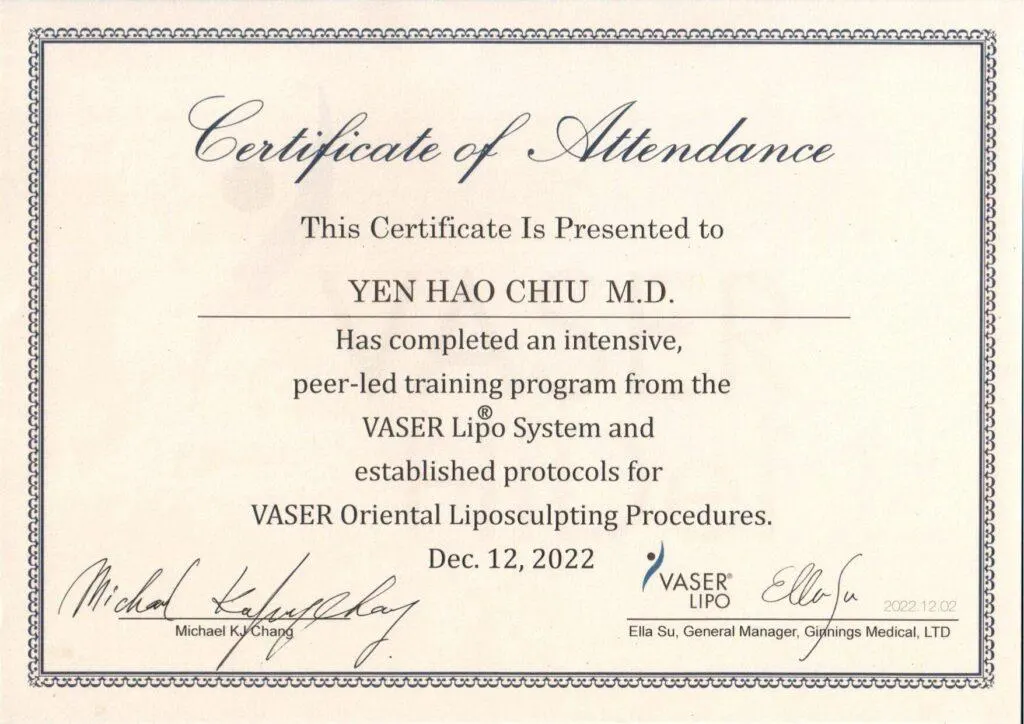
After surgery, be sure to follow your doctor's instructions, attend regular follow-ups to track your recovery, and watch for unusual breast pain, swelling, or inflammation. If you have any problems or concerns, you can return to the clinic or consult us online! Finally, here are some simple aftercare tips for reference:
1. Avoid underwire bras after surgery
2. Change dressings with saline after surgery to keep the wound clean
3. Avoid smoking and drinking alcohol after surgery
4. Avoid heavy lifting and other strenuous exercise after surgery
5. Some augmentation methods require breast massage
This article is for general information only. Results vary from person to person; please consult a doctor in person before deciding on any treatment.