Contents
- Is Liposuction the Same as Weight Loss?
- No Weight Loss After Surgery Means It Was Pointless?
- Will the Fat Come Back After Surgery?
- Can Liposuction Shrink Large Muscles?
- Can the Same Area Be Treated Again?
- How Painful Is Liposuction?
- Anesthesia for Liposuction
- Bleeding, Bruising, and Whether a Transfusion Is Needed
- How Long Does Surgery Take, and How Long Is Recovery?
- Safety of Liposuction
- Q&A: Who and Which Areas Are Suitable for Liposuction?
Who told you that liposuction is how you lose weight? Stop being misled by these misconceptions! We have put together everything you need to know before liposuction, including how to choose among the many types of liposuction surgery. NAISS CLINIC has gathered the questions that come up most often online and in the consultation room and answers them all in one place.
Is Liposuction the Same as Weight Loss?
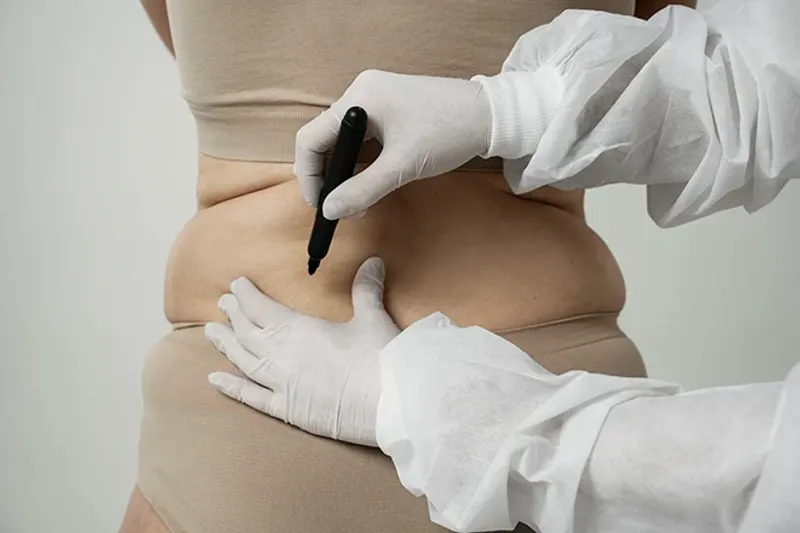
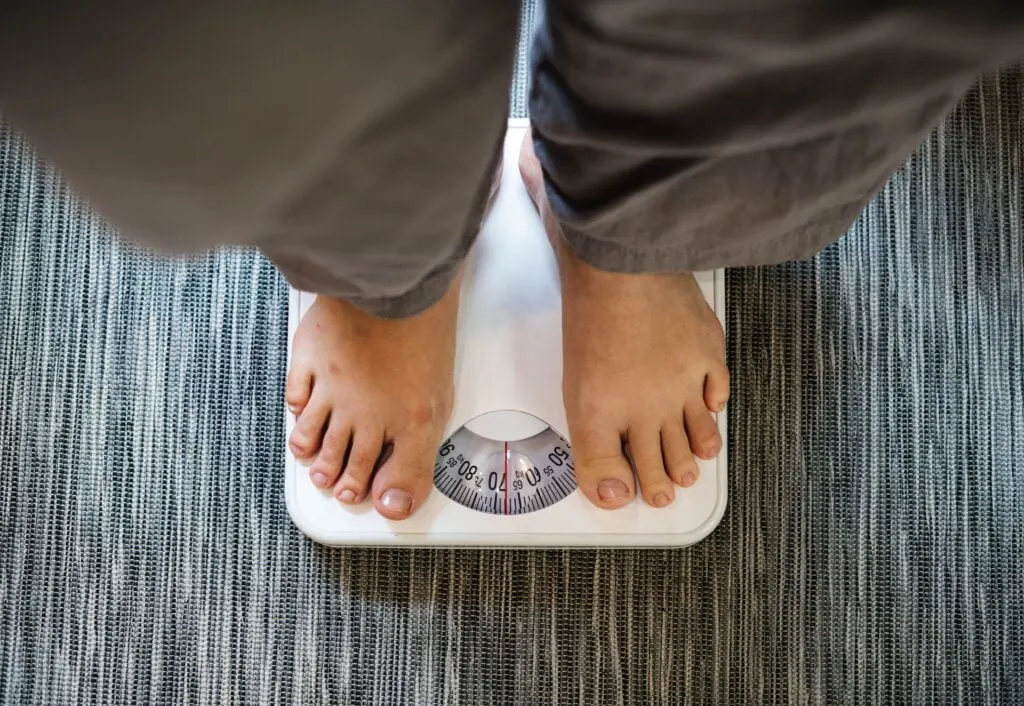
Who gave you that wrong idea! The most common myth is that liposuction is the answer if you want to lose weight, but in fact liposuction is not the same as weight loss. Strictly speaking, liposuction is “body contouring.” Its purpose is to reduce the number of fat cells, and fat cells weigh only about one-third as much as muscle, so your weight will not go down after liposuction. But if you want to improve your body shape, liposuction is a great fit.
Q: Which areas can be treated with liposuction?
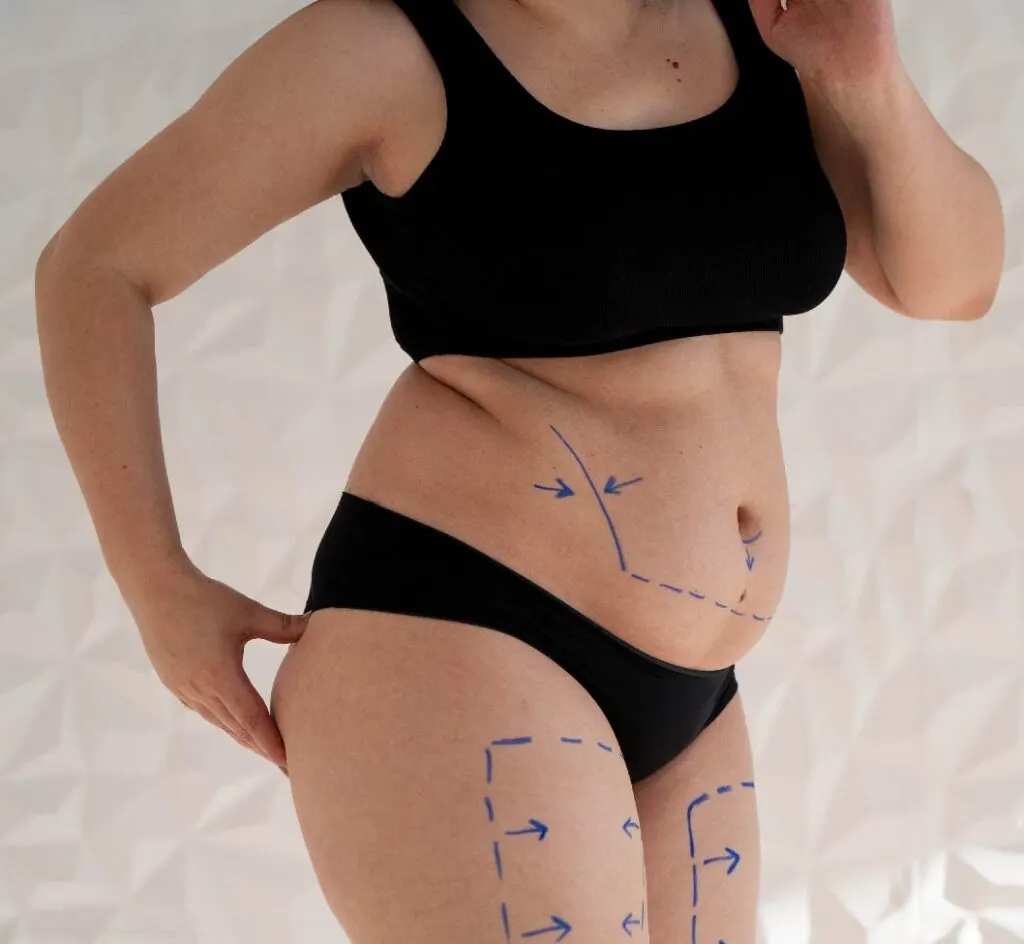
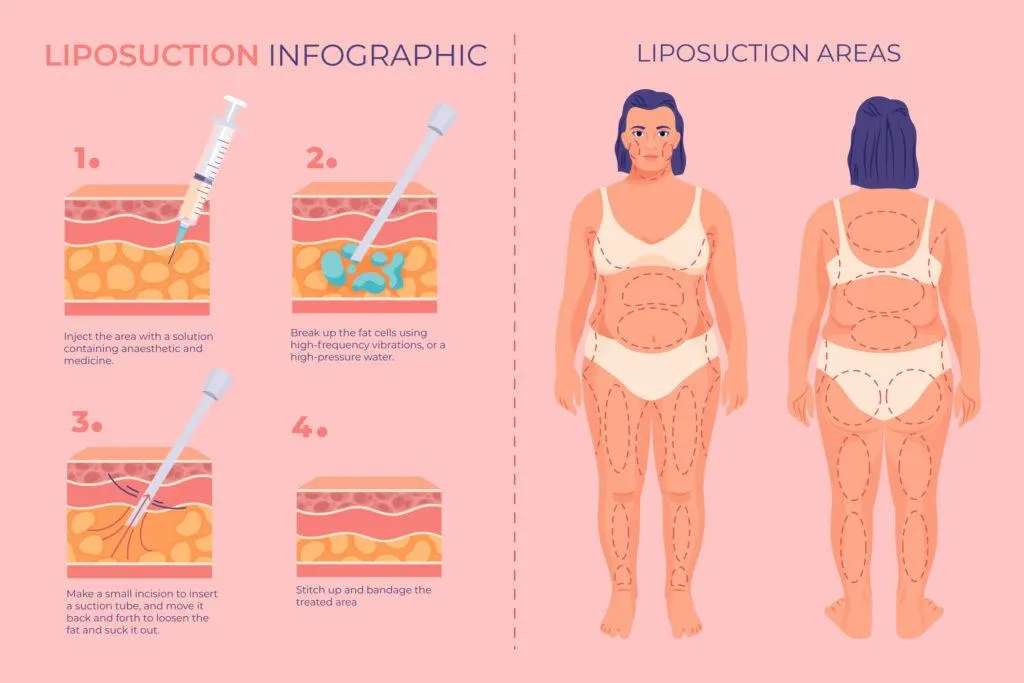
A: Basically any area with fat buildup can be treated with liposuction! Common areas include the thighs, abdomen, lower abdomen, and arms.
No Weight Loss After Surgery Means It Was Pointless?
As mentioned above, liposuction is not a weight-loss surgery, so it is normal not to lose weight on the scale after surgery; it does not mean the surgery failed! Liposuction is meant to give you a “better figure,” reach your own ideal standard, and make your curves more perfect.
Will the Fat Come Back After Surgery?
Whether you regain weight after surgery depends on your personal habits. Never assume that after liposuction you will never gain weight! If you don't follow your doctor's instructions and don't maintain good habits, you can still regain weight! So after surgery you need to keep exercising, maintain good eating habits, and follow your doctor's instructions to keep your results!

Q: Will the skin sag after liposuction?
A: For younger patients, this is basically not a concern. In addition, NAISS CLINIC uses “VASER liposuction”, which works by using “ultrasound” resonance to remove fat. It handles superficial fat very well and is gentler on the body. Compared with traditional liposuction, it is far less likely to cause unevenness, and it can sculpt and refine every area, perfecting the skin contours inch by inch!
Can Liposuction Shrink Large Muscles?
Although liposuction can help sculpt curves and body shape, you should first check whether the bulkier or heavier areas of your body are “fat or muscle.” Liposuction, as the name suggests, “removes fat” to achieve ideal curves; if you truly have enlarged muscles, you can improve them with Botox injections.
A little background: removing muscle would cause heavy bleeding, so liposuction-type procedures are not suitable for it.
Q: What is Botox?
A: Botulinum toxin is a protein extracted from bacterial secretions and highly purified with advanced technology. Its main component is highly purified “botulinum toxin type A,” which is a neurotransmission blocker used to treat overactive muscles, relaxing the muscles that cause wrinkles so the skin looks smoother and younger.
Can the Same Area Be Treated Again?
Of course! Many people end up with “unevenness” after liposuction. You can consider a second liposuction touch-up, or removing the excess fat, to get better results!
A little background: Can the fat that is removed be transferred to other parts of the body?
Yes! The advantage of your own fat is that it is intact, healthy, and unlikely to be rejected. After transfer, the survival rate is as high as 60–90%. Fat that has been removed is centrifuged and purified, preserving highly active fat and stem cells, and then moved to the face, breasts, or other areas that need filling.
I Want to Learn About Fat Transfer Breast Augmentation
I Want to Learn About Fat Grafting
How Painful Is Liposuction?
Liposuction pain is closely tied to the doctor's skill! That is why choosing a doctor and clinic is very important. If the procedure can keep blood loss and tissue damage low, post-op pain will also be lower.
Does Liposuction Hurt? How Long? The 10 Most Common Q&As (Part 1)
Q: Do the wound size and location affect recovery time?
A: The incisions for liposuction are about 0.5–1 cm. The smaller the incision, the faster the recovery. The incision sites are also planned according to the area being treated, with scars hidden in skin folds or places clothing covers, which keeps them from being noticed and avoids any cosmetic concerns!
Anesthesia for Liposuction
Whether it is localized or large-area liposuction, “general anesthesia” is used!
Bleeding, Bruising, and Whether a Transfusion Is Needed
The degree of bruising is also related to the doctor's skill! If less blood is lost during surgery, bruising will be milder, and severe swelling after surgery is also less likely.
Q: Can there be excessive blood loss during surgery, or a need for a transfusion?
A: A professional, experienced doctor will strictly control the blood-to-fluid ratio, that is, the ratio of fat, blood, and fluid in what is suctioned out, so liposuction basically does not require a blood transfusion!
How Long Does Surgery Take, and How Long Is Recovery?
Surgery time depends on the area, extent, and volume of the procedure. For example, localized abdomen or arm liposuction takes about 1–2 hours, while circumferential thigh or abdomen liposuction takes about 3 hours!
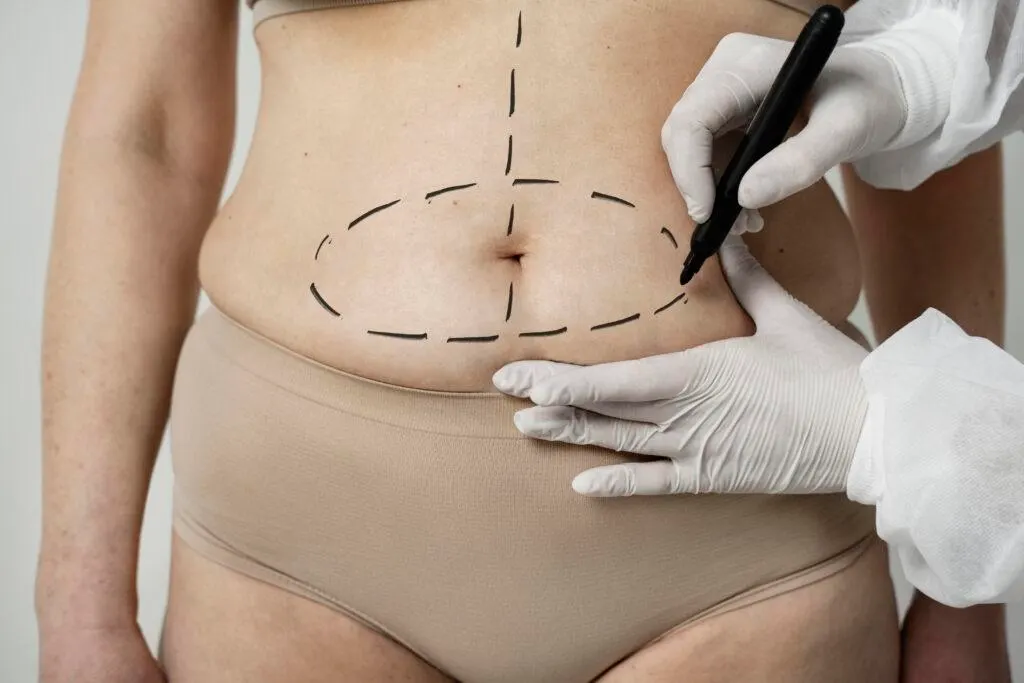
Q: How long is recovery after surgery?
A: Among liposuction procedures, the relatively more painful one is mainly “circumferential liposuction,” such as circumferential thigh or abdomen liposuction, where pain and swelling last longer, about three to seven days! The most popular choice is “localized liposuction,” which has a recovery period of about 1–3 days. After surgery, the body's own immune system begins repairing the treated area, and at this stage the most important thing is keeping the wound clean and cared for!
How to Avoid Liposuction Complications and Failure? 3 Liposuction Risks You Must Know!
Fastest Recovery After Liposuction? Precautions Explained in Full!
A little background: What is circumferential liposuction?
Take circumferential thigh liposuction as an example: fat is removed from a 360-degree ring around the thigh, extending upward to the outer upper thigh, the hip sides and saddlebag area, and downward to where the thigh meets the knee, so the whole area blends together more completely, helping patients address fat buildup and create their ideal thigh curves.
Safety of Liposuction
An “anesthesiologist” is present throughout liposuction surgery. If an emergency occurs, the anesthesiologist can respond and assist immediately, reducing surgical risk. And whether an anesthesiologist is present the whole time during surgery is extremely, extremely important in liposuction.

Q&A: Who and Which Areas Are Suitable for Liposuction?
Liposuction suits people with “localized fat bulges.” Liposuction technology keeps improving, and NAISS CLINIC uses “VASER liposuction”, which can help improve multiple areas of excess fat, loose skin, and more! Suitable areas include the abdomen, lower back, buttocks, thighs and calves, arms, double chin, and contour sculpting such as abs lines and six-pack definition, as well as special indications such as gynecomastia in men and macromastia, all of which can be improved with liposuction!
What Is Gynecomastia? A Self-Check Tip and Treatment Options Revealed
Today we have summarized the common questions about liposuction, and we hope you now have a solid understanding and the basics. If you are interested in liposuction or would like a consultation, feel free to message NAISS CLINIC, and a dedicated staff member will be in touch!
This article is for general information only. Results vary from person to person; please consult a doctor in person before deciding on any treatment.