Contents
Read this before liposuction! Want liposuction but keep getting talked out of it? Are the complications and risks going viral on Dcard and PTT actually true? To help patients understand liposuction better and go ahead with more peace of mind, NAISS CLINIC has collected the questions patients ask most often online and in the consultation room and answers them honestly! We have organized and analyzed “liposuction complications” and “liposuction risks” in particular, so if you are still on the fence, be sure to read to the end!
How Liposuction Works
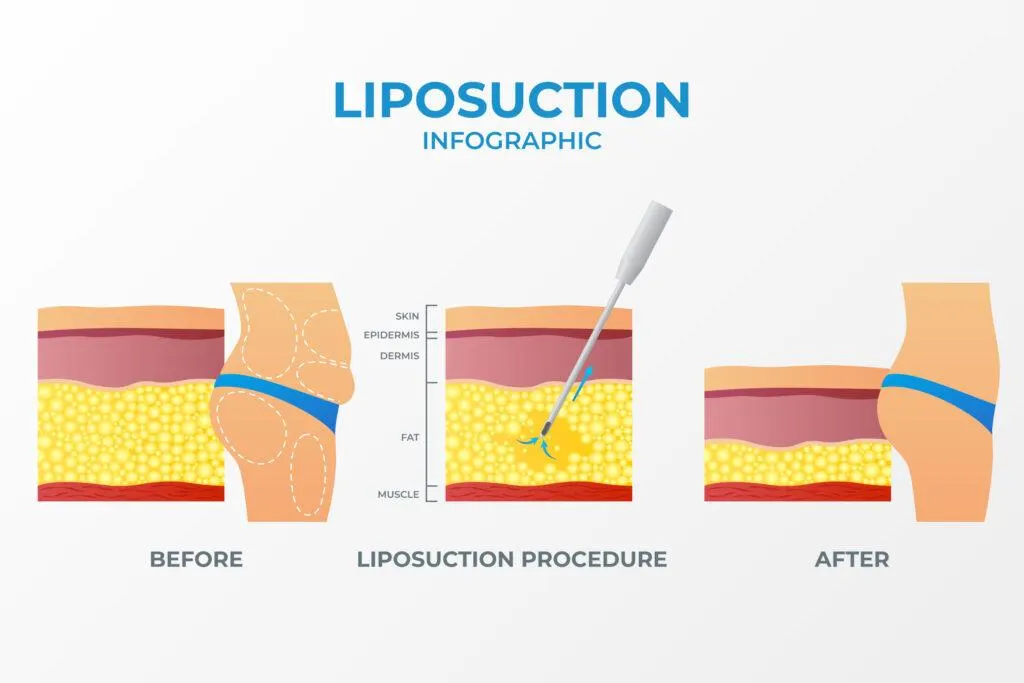
First, you need to understand what fat is. Fat is divided into “subcutaneous fat” and “visceral fat.” Visceral fat can be reduced through exercise and diet control, while subcutaneous fat is relatively hard to get rid of. Liposuction breaks up stubborn subcutaneous fat using methods such as ultrasound, water-jet, and VASER and then removes excess or uneven fat from the body using negative pressure and a constant flow rate.
The difference between dieting and liposuction is that weight loss only “shrinks” fat cells to make the body leaner or reach the desired result, and does not reduce the number of fat cells; liposuction “removes” the stubborn fat located deep in the body, reducing the overall amount of fat and re-sculpting the lines and curves of the body.
Liposuction Risks, Revealed
Many people wonder whether liposuction carries risks and what they are. In fact, every surgery has risks. Below are the three big things you must know before surgery.
1. Anesthesia Risk
Liposuction is invasive, and whether localized or large-area it requires anesthesia, and anesthesia is critically important during surgery. Therefore, every pre-op examination and evaluation must be thorough and careful, for example whether you are allergic to anesthesia, or have anemia or a clotting disorder, and overlooking any of these poses a great risk to surgery. Patients should also do their homework on whether the clinic has professional, properly licensed anesthesiologists and confirm that they will be present throughout surgery, so that any problem during surgery can be handled in time!
2. Infection During Surgery
The most basic requirement of the surgical environment is that it be “dust-free, sterile, and contamination-free.” Using unsterilized instruments or equipment can infect incisions, both on the surface and deep, and in severe cases tissues and organs can also become infected.
Surgical infection can harm the body, for example, if the fat layer is suctioned too thin, it affects blood circulation under the skin, causing dark skin pigmentation that looks like frostbite, or even skin tissue necrosis; and if the equipment is used improperly so that an ultrasound or laser procedure generates a large amount of heat, the skin can suffer burns.
3. Bleeding or Fat Embolism
Is heavy bleeding during surgery normal? The answer is: no! Depending on the doctor's technique, improper handling of instruments during liposuction can puncture muscle, the abdominal cavity, or internal organs and cause heavy bleeding, and in severe cases, fat particles can enter blood vessels and travel through the bloodstream to the lungs, leading to pulmonary embolism and shock. To avoid this, you must choose a professional medical team and a well-equipped clinic. Only an experienced, professional doctor who also performs a pre-op evaluation and knows how much fat you need removed can avoid the risk of improper handling.
Causes of Failed Liposuction and Complications, and How to Reduce and Avoid Them
Does liposuction have side effects? The common post-op side effects of liposuction are soreness, bruising, and swelling. Beyond these, what else makes patients feel their surgery has “failed,” and how can it be avoided? First, failed liposuction or complications usually come from results that fall short of expectations, and the factors behind that fall into the following eight categories.
1. Uneven treated area: This is the most common reason and the one we hear most in the consultation room. People who come to NAISS CLINIC for a second liposuction usually say, “After liposuction at my previous clinic, it turned out lumpy and uneven!” Did you know that obvious unevenness mostly comes down to the doctor's technique?
We recommend choosing “VASER liposuction,” which preserves elastic connective tissue. The fat it removes is very fine and has a high survival rate, so it can be transferred to other areas to sculpt body curves, avoiding unevenness.
A little background: Why the skin becomes uneven: when superficial fat is removed with poor control of force, the skin surface ends up dented.
2. Poor proportions in the treated area: After localized liposuction, the area looks “out of proportion”?! This is usually caused by removing too much fat from one area during surgery. We recommend using non-invasive treatments such as ultrasound and radiofrequency devices to improve laxity, or picosecond laser to improve scarring.
3. Asymmetry between the two sides: This usually happens with liposuction of the thighs or arms. After surgery, you look in the mirror and find the two sides clearly asymmetrical! The cause is too large a difference in the amount of fat removed from each side.
4. Poor results: You paid for liposuction but the results are not what you hoped for? Poor results with no change in body shape are usually due to not enough fat being removed.
5. Pigmentation: NAISS CLINIC offers post-op treatments that can improve pigmentation in the treated area.
6. Bleeding: Change absorbent pads regularly and keep the wound dry.
7. Edema: Wear the compression garment for the length of time your doctor recommends, along with massage.
8. Fat embolism: The incidence is below 1 in 10,000. It occurs when careless handling during liposuction lets clumps of fat enter the blood vessels and spread through the body, causing blockages elsewhere.
How Can You Avoid These Situations?
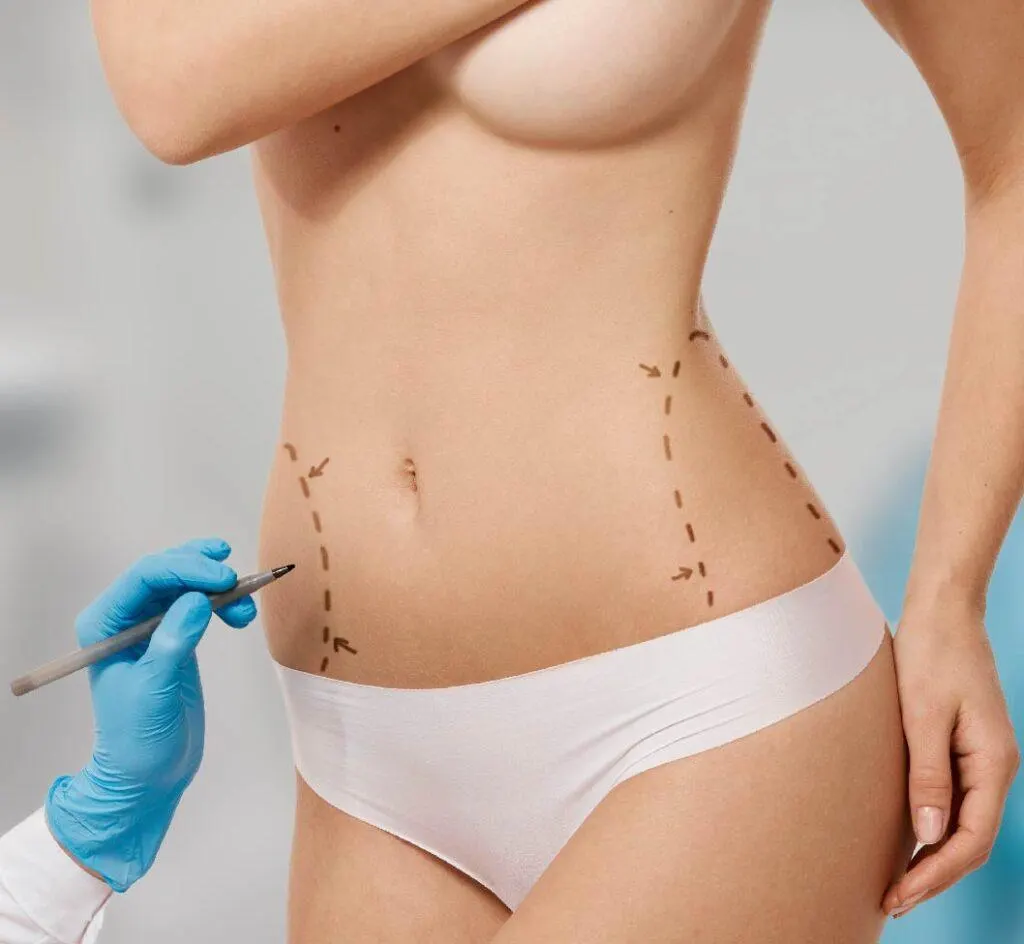
1. Pre-op evaluation and discussion: Before surgery, you need to communicate and discuss thoroughly with your doctor, telling them your ideal body shape or the specific problem you want to improve. Everyone's idea of a good result is different, and the sense of aesthetics varies a little, so communicating well and reaching consensus after the doctor's evaluation makes it easier to get a result you are happy with!
P.S. Before surgery, the doctor will always personally check the patient's body shape. Patients can bring photos of their ideal body shape, and after confirming your situation and desired result, the doctor will give the most professional and suitable recommendations!

2. Choose an experienced doctor and clinic: Liposuction is major surgery, and to avoid various risks or complications, the doctor's experience and skill really matter! So we recommend doing your homework before surgery, getting a basic understanding of liposuction before starting consultations, and also “consulting several clinics.” This not only helps you confirm which problems need improving and how much they can be improved, but also lets you learn about the doctor's background and experience, the clinic's environment, and related cases, which greatly reduces the chance of failed surgery or wound infection!
NAISS CLINIC has a medical-center-grade operating room and a dedicated dust-settling room, which ensure surgery is performed in a sterile, safe environment and greatly reduce the chance of infection. In addition, after surgery NAISS CLINIC offers recovery IV drips, centipede grass (wugong cao), and other options to shorten recovery time, and there are post-op treatments that improve pigmentation too!
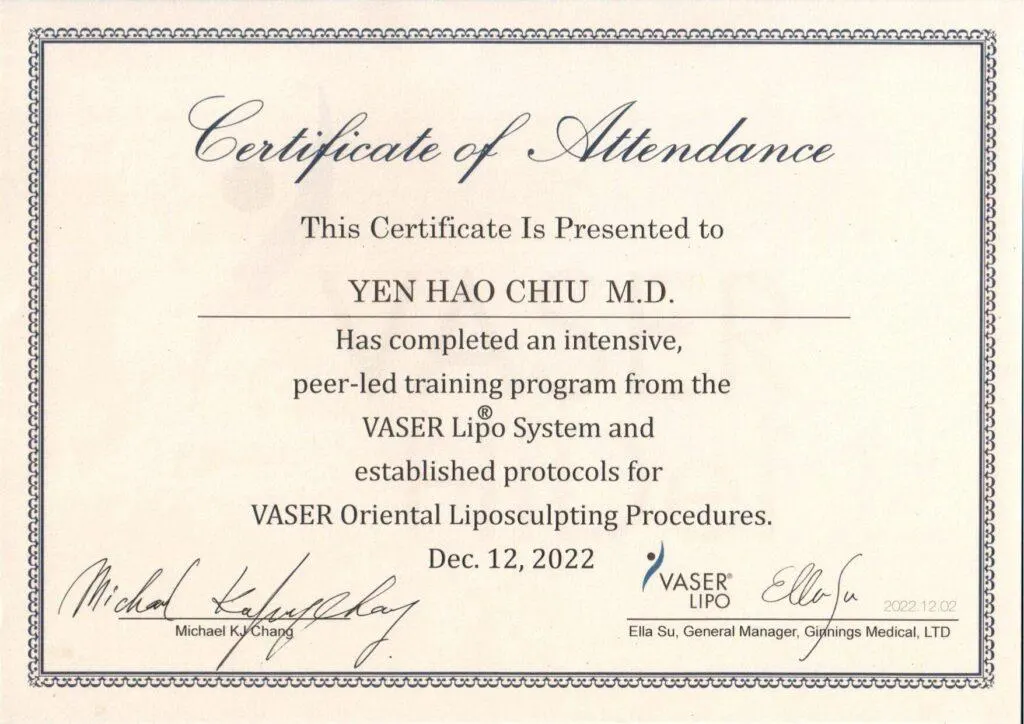
3. Choose the latest liposuction technology: There are many kinds of liposuction technology, and choosing the right one greatly lowers liposuction risks. “VASER liposuction” is currently the newest liposuction machine, and during the procedure there is no tearing injury or high-heat laser stimulation, and surrounding blood vessels, nerves, and connective tissue are not damaged, which effectively reduces bleeding, bruising, and pain and leaves the skin at the wound site firm rather than sagging. Compared with other liposuction techniques, VASER liposuction offers better fat reduction, fine superficial sculpting, a small incision of about 0.5 cm, minimal blood loss, and a recovery period of about 1 month.
4. Follow your doctor's instructions and take good care of yourself after surgery: How diligently and correctly you take care of yourself after surgery has a big effect on the results! Basically, as long as you follow your doctor's recommendations, such as wound care, notes on lifestyle and eating habits, wearing the compression garment, and how to massage, you are not far from your ideal goal!
Post-Op Precautions
Like other surgeries, liposuction involves about three days of swelling and recovery. Two weeks after surgery you can do moderate stretching exercises, but no strenuous exercise; also keep the wound dry and avoid tobacco, alcohol, and spicy foods.

Special note: Do not start eating and drinking without restraint after liposuction on the assumption that you will never regain weight. Abnormal eating habits and an irregular lifestyle after surgery will still lead to fat buildup. Liposuction can be treated as a shortcut to a new figure, but maintenance and care after surgery must not be ignored!
This article is for general information only. Results vary from person to person; please consult a doctor in person before deciding on any treatment.