Contents
- What Does the Pre-Op Process for Breast Augmentation Involve?
- How Is Breast Augmentation Performed? The Procedure Explained
- Comparing Breast Augmentation Surgical Methods
- What to Watch for After Breast Augmentation
- What Are the Types of Breast Augmentation?
- What to Watch for After Breast Augmentation?
- Post-Op Precautions
- How Long Is Recovery After Breast Augmentation?
- How Much Does Breast Augmentation Cost?
- Breast Augmentation Risks and Complications
- Is Breast Augmentation Right for You?
- FAQ
Want to know how breast augmentation is done? How long is recovery? About how much does it cost?
For anyone considering breast augmentation, there are often plenty of questions and uncertainties, from the surgical procedure to the results afterward.
This article walks you through the key points of breast augmentation, including the surgical procedure, choosing a method, post-op recovery, and cost, to help you evaluate your options before surgery and make a decision that is right for you with confidence.
What Does the Pre-Op Process for Breast Augmentation Involve?
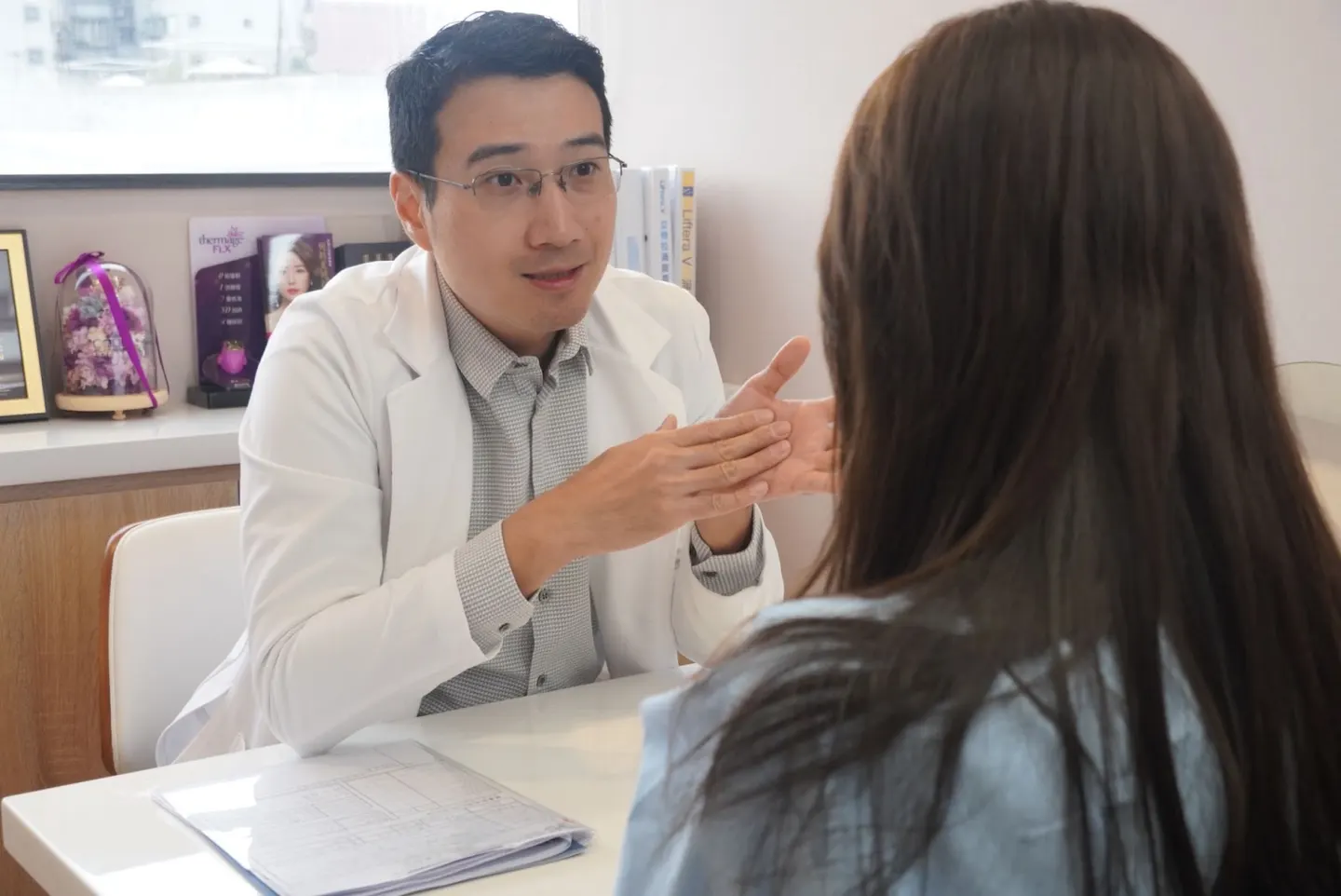
Before breast augmentation, careful planning and a thorough understanding help patients achieve the results they expect after surgery. Let's walk through the process step by step!
Consultation
After finding an experienced, professional plastic surgery team, the patient needs to book a consultation in advance to meet with the doctor. In this consultation, both sides discuss the desired surgical result, the details of the procedure, possible risks, and the expected recovery time.
Breast Ultrasound
A common medical imaging method used to evaluate breast structure and detect breast abnormalities and lumps. It is usually performed by a radiology technician or sonographer using ultrasound equipment to produce images of the internal structure of the breast.
Pre-Op Tests
Before breast augmentation, the doctor usually asks the patient to complete a series of pre-op tests, including: blood tests, X-rays, ultrasound, an electrocardiogram, blood pressure checks, and more. The results are key references for the doctor in evaluating whether the patient is a suitable candidate.
Pre-Op Markings
Before breast augmentation, the doctor uses a special marking pen to mark the patient's body, indicating the position of the breasts, the center point of the nipples, and the planned incision locations.
How Is Breast Augmentation Performed? The Procedure Explained
Before you press the confirm button on breast augmentation, it is crucial to understand the whole procedure. Below we lay out breast augmentation step by step so you can see the details more clearly.
Sterilization
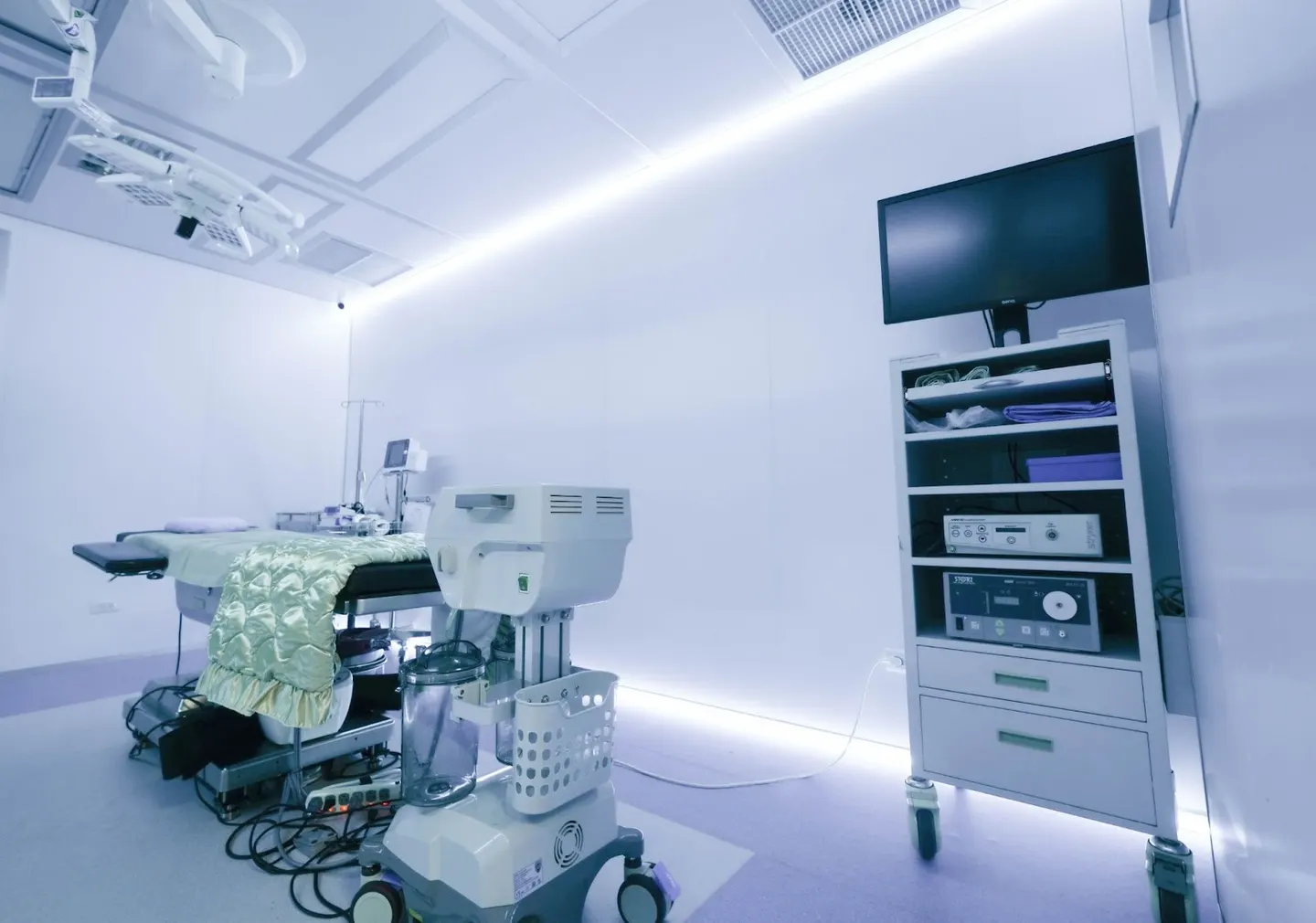
After all pre-op steps are complete, the patient changes into a surgical gown to enter the sterile operating room environment safely. The medical staff carry out a strict disinfection procedure on the surgical area, greatly reducing the possibility of any infection risk. This is for the safety and sterility of the surgery, and it also paves the way for the patient's recovery.
Anesthesia
General anesthesia is the most common choice for breast augmentation. It effectively reduces the patient's pain during surgery and also allows the doctor to work with precision. Before surgery, the doctor evaluates the patient's health to determine the most suitable form of anesthesia. By discussing the anesthesia process, risks, and side effects, the patient can have a safe and comfortable experience during surgery.
Pain Control
Mild to moderate pain may follow surgery, and the doctor usually prescribes appropriate pain medication to relieve pain at the surgical site. These medications reduce pain, make it easier for patients to tolerate post-op discomfort, and help improve patient comfort.
Performing the Surgery: Endoscopic Dissection and Implant Placement
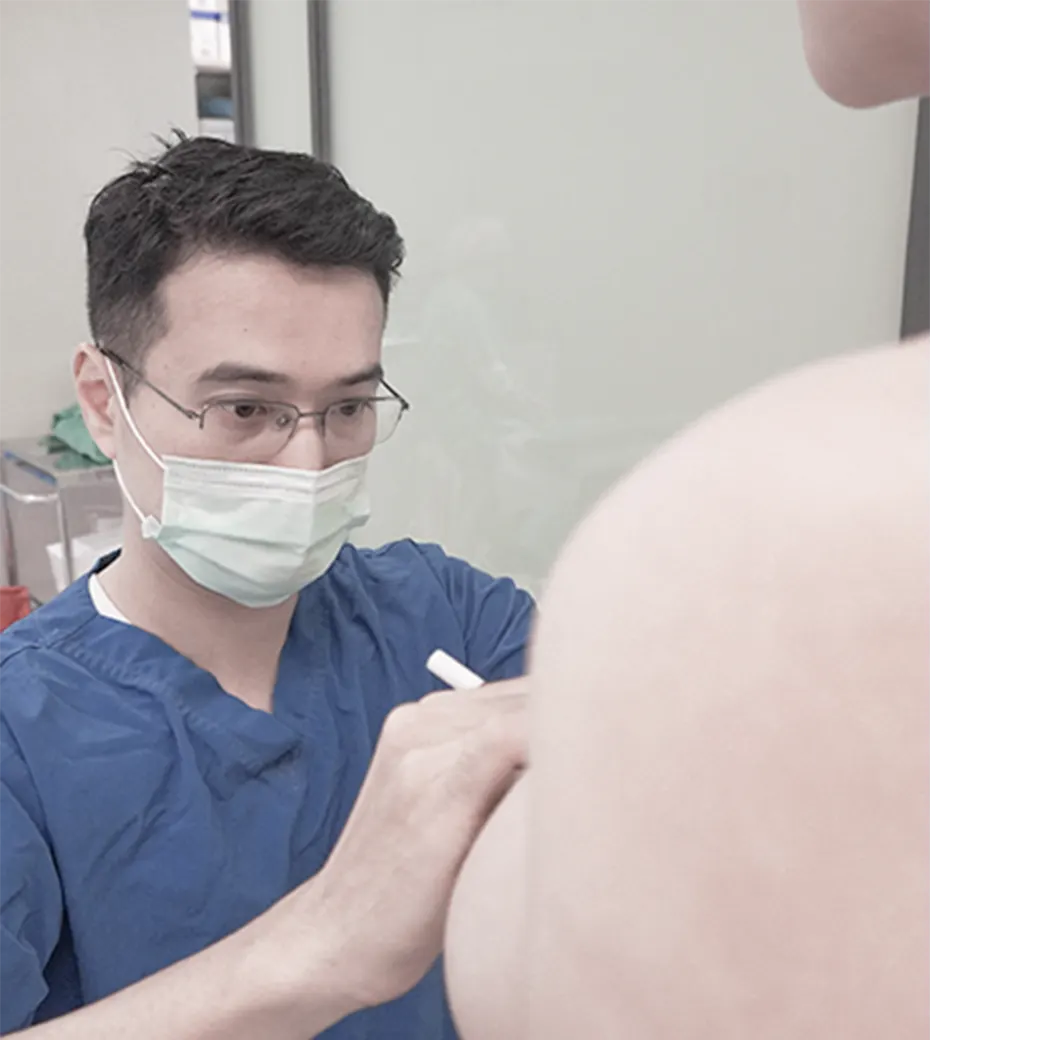
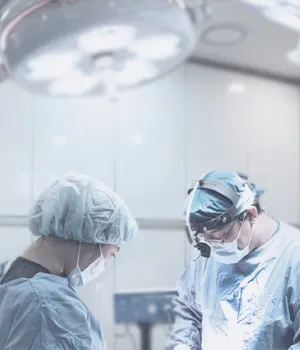
The doctor usually uses minimally invasive endoscopic surgery for the dissection and implant placement steps of breast augmentation. Compared with traditional surgery, this technique has significant advantages. It not only greatly reduces the incision size and damage to surrounding tissue, but also shortens recovery time. The overall surgery takes about 3–4 hours, depending on the surgical approach.
Precise Measurement With a Sizer
Made of soft, adjustable material, a sizer is mainly used to simulate the size and texture of the breast implant. Before surgery, the doctor places the sizer under the patient's breast and adjusts the size according to the patient's body structure and expectations. Choosing an appropriately sized implant is very important, as it makes the result look more natural.
Irrigation and Hemostasis
The doctor usually irrigates the surgical area with saline or a special solution. This step is meant to clean the surgical site, remove blood and impurities, and control bleeding at the same time. It keeps the surgical area sterile and clear, which helps the doctor operate accurately and keeps the surgery running smoothly.
Placing the Breast Implant
Once the implant size is decided, the doctor carefully adjusts the exact position of the implant. During this process, the doctor considers factors such as the patient's body contour, the position of the cleavage, and the height of the areola, so that the final breasts are balanced and symmetrical and meet the patient's expectations.
Checking the Implant and Breast Shape
After the implant is placed, the doctor carefully checks whether the implant is in harmony with the shape of the patient's chest. This check ensures the breasts are balanced and natural and, more importantly, meet the patient's expectations, creating a harmonious look.
Closing the Incision
This is the final step of the surgery and the moment when the doctor's skill shines. The doctor uses special sutures to close the tissue finely, promoting quick wound healing while minimizing scarring. The doctor chooses a suitable suturing technique based on the condition of the wound and the surgical method, ensuring the closure is secure and aesthetically pleasing.
Aligning the Wound Edges
The doctor uses special techniques and materials to bring the surgical wound together precisely so that the tissue returns to its correct position. This technique not only promotes quick wound healing but also minimizes scar formation, creating a natural result.
Waking From Anesthesia
After surgery, the patient goes through a period of waiting for the anesthesia to wear off. This usually takes some time, during which the doctor and nurses closely monitor the patient's condition until the patient wakes up safely. Only then is the patient moved to the recovery room for further observation and rest.
Comparing Breast Augmentation Surgical Methods
Different breast augmentation approaches affect scar location, recovery time, and overall natural look. Here is a comparison of the common incision options to help you compare quickly:
| Method | Location | Advantages | Best for |
|---|---|---|---|
| Armpit incision | Armpit | Almost no scar on the breast | Those who care about appearance |
| Inframammary incision | Under the breast | Good visibility and stability | Those who want precision |
| Areolar incision | Around the areola | Scar is hidden | Those who have had children |
Armpit Incision
The doctor makes a small incision in the patient's armpit and places the breast implant through it, beneath the breast tissue or beneath the pectoralis major muscle. The advantage is that it avoids leaving a noticeable scar, since the incision is in the armpit and can be better hidden in the natural skin folds. This approach also offers a faster recovery time, because the incision is relatively small and pain and swelling are usually milder.
Inframammary Incision
This incision location gives the doctor better control over the shape of the breast and allows larger or higher-positioned implants to be placed. The advantage is a larger surgical field of view, which suits patients who need more complex surgery. The downside, however, is a longer recovery period and greater pain and swelling.
Areolar Border Incision
With this approach, the scar is relatively hard to notice because it blends with the natural color of the areola. It is worth noting that although it looks more natural visually, it is more prone to problems such as blocked and infected mammary ducts. It is generally suited to patients who need a breast lift at the same time, and is especially suitable for women who have had children.
What to Watch for After Breast Augmentation
Care and recovery after breast augmentation are the key to maintaining the results. So what should patients pay special attention to?
Breast Massage
This kind of massage helps you feel improved blood circulation and less swelling and pain, while also improving the softness and natural look of breast tissue. In addition, it can lower the risk of scarring or capsule formation after breast surgery.
No Heavy Lifting or Strenuous Exercise
After surgery, patients should avoid lifting heavy objects and strenuous exercise, to avoid unnecessary pressure and pulling on the breast tissue, so the surgical site recovers quickly and the final look stays natural. This helps recovery go smoothly and gives the breast tissue enough time to adapt to the changes from surgery.
Normal Diet and Routine
Avoid overeating and keep a balanced diet, which provides the nutrients the body needs and helps wounds heal quickly and strengthens immunity. Keeping a regular routine and getting enough rest also helps the body recover quickly.
Don't Sleep on Your Stomach
Avoiding sleeping on your stomach is important, since it can put pressure on the surgical area and even backfire. Instead, you can sleep on your back or side to reduce pressure on the breasts. It is also a good idea to use extra pillows to support your body and keep a comfortable back or side position.
Attend Follow-Up Visits
After breast augmentation, regular checkups track recovery of the surgical site, catch and address any potential problems promptly, and optimize the surgical result while protecting your health and safety.
Why Is Massage Needed After Breast Augmentation?
What to Eat After Breast Augmentation? How Long Is Recovery? A Doctor Answers
What Are the Types of Breast Augmentation?
The two common types of breast augmentation are “implant augmentation” and “fat transfer augmentation,” which differ clearly in results, natural look, and who they suit. Choosing the right one requires considering your body type and desired outcome.
Implant Breast Augmentation
Breast implants (such as silicone implants) are placed within the chest to enlarge the breasts. This is currently the most common breast augmentation method.
✓ Can noticeably increase cup size (large upgrade)
✓ Good breast support and strong projection
✓ Size and shape can be customized to your needs
👉 Best for:
- Those who want a noticeable cup size upgrade (for example, 2 cup sizes or more)
- Those with small breasts or little breast shape to begin with
- Those who want a more centered, defined breast shape with clear curves
👉 Things to note:
- Implant material needs to be considered (Motiva, Mentor Xtra (Queen Wave), etc.)
- There is some chance of risks such as capsular contracture
- Some implants require massage after surgery
Fat Transfer Breast Augmentation
Fat is removed from other parts of the body (such as the abdomen or thighs), purified, and injected into the breasts to achieve a natural enlargement effect.
✓ Uses your own fat, so there is less of a foreign-body feeling
✓ Natural feel with high softness
✓ Can sculpt the donor area at the same time (liposuction)
👉 Best for:
- Those who want a natural fine-tuning of breast shape (about 0.5–1.5 cup sizes)
- Those with enough fat to harvest
- Those who do not want a foreign implant
👉 Things to note:
- Fat survival rate affects results (about 50–70%)
- Multiple surgeries may be needed to reach the ideal result
- Not suitable for those seeking a large upgrade
What to Watch for After Breast Augmentation?
Recovery and care after breast augmentation directly affect how natural the breasts look and the results of surgery.
Knowing what to expect after surgery and the right way to care for yourself can help you get through recovery with more peace of mind.
Common Post-Op Discomfort
- In the early period after surgery, the body usually has the following normal reactions:
- Swelling (from irritation of the surgical tissue)
- Tightness in the chest (the body has not yet adjusted to the implants)
- Mild to moderate pain
Most of these discomforts gradually ease within 1–2 weeks, which is part of normal recovery.
Recovery Timeline by Stage
Different changes are felt at different times:
- Within 1 week: Swelling and tightness are most noticeable; get plenty of rest
- 1–4 weeks: Gradually return to daily life, but still avoid strenuous activity
- 1–3 months: The breasts begin to look natural and softness improves
- 3–6 months: Breast shape stabilizes and the final result shows
Post-Op Precautions
To avoid affecting breast shape and recovery speed, we recommend following these principles:
Avoid heavy lifting and strenuous exercise
Avoid pulling on breast tissue, which can affect implant stability
Keep a regular routine and a balanced diet
Supports wound healing and body repair
Avoid sleeping on your stomach (back or side sleeping recommended)
Reduces pressure on the chest and protects breast shape
Wear a post-op compression garment as your doctor recommends
Holds breast shape in place and reduces swelling
Post-op massage (depending on implant type)
Some implants need massage, which can lower the risk of capsular contracture
How Long Is Recovery After Breast Augmentation?
Most people recover as follows after surgery:
- Daily activities: about back to normal in 5–7 days
- Full recovery: about 1–3 months
- Natural breast shape: about stable after 3–6 months
Actual recovery time still varies with individual constitution and surgical method.
How Much Does Breast Augmentation Cost?
Many factors go into the cost of cosmetic breast augmentation surgery. They include not only the brand and material of the implant chosen, but also the facility standard of the clinic and the skill and experience of the surgeon performing the procedure. Generally, then, prices start at around NT$200,000. However, with higher-end implant brands and models, the surgery cost can exceed NT$300,000.
2023 Breast Augmentation Costs Revealed! A Full Breakdown by Implant Material
Breast Augmentation Risks and Complications
Although breast augmentation is a well-established surgery, every surgery carries some risk. Knowing what can happen before surgery helps reduce anxiety and helps you make a safer choice.
Common risks of breast augmentation include:
- Capsular contracture: An overly thick capsule forms in the body, causing the breast to harden or become deformed
- Infection risk: Improper aftercare may lead to inflammation or implant removal
- Implant displacement: Asymmetrical breasts or a shifted position
- Rippling: In people with thinner skin, the edges of the implant may be visible
👉 These risks usually have a low incidence, but they remain closely tied to the surgeon's skill, implant choice, and post-op care.
👉 We recommend choosing an experienced plastic surgeon and following post-op care instructions, which can greatly lower the chance of complications.
Is Breast Augmentation Right for You?
After reading this article, you should have a good understanding of breast augmentation. Before deciding to have surgery, be sure to learn in detail about the pre-op process, the surgical procedure, expected results, post-op care, and related costs. Finally, we hope you regain your confidence, that this becomes an important turning point in your life, and that you fall in love with your body again!
FAQ
Is breast augmentation very painful?
Tightness and soreness are common in the early period after surgery, usually within an acceptable range, and can be effectively controlled with pain medication. As recovery progresses, most people improve noticeably within 1–2 weeks.
How long is recovery after breast augmentation?
In general:
- About 5–7 days to return to daily activities
- About 1–3 months to reach a stable stage
- About 3–6 months for a natural breast shape
The actual time varies with the surgical method and individual constitution.
Will people be able to tell I had breast augmentation?
With an appropriate implant size, well-planned placement, and an experienced surgeon, the breasts can look natural after surgery and in most cases are hard to notice.
Do I need massage after breast augmentation?
Whether massage is needed depends on the implant material and the surgical method. Some implants need massage to stay soft, while some newer implants do not need any special massage.
How long does breast augmentation last?
Breast augmentation results can usually last 10 years or more, and some implants can even be used long term, but regular follow-up checks are still recommended to ensure safety.
This article is for general information only. Results vary from person to person; please consult a doctor in person before deciding on any treatment.