Contents
Botox is one of the most popular aesthetic treatments in recent years: the treatment is quick, the results are immediate, and above all it is affordable, which is why it is many people's first choice for smoothing wrinkles and slimming the face. But the biggest worry with Botox is an unnatural expression after treatment, or even symptoms such as a heavy brow pressing on the eyes. This article gives you the complete guide to botulinum toxin, including complications, precautions, indications, and side effects!
What Is Botulinum Toxin?
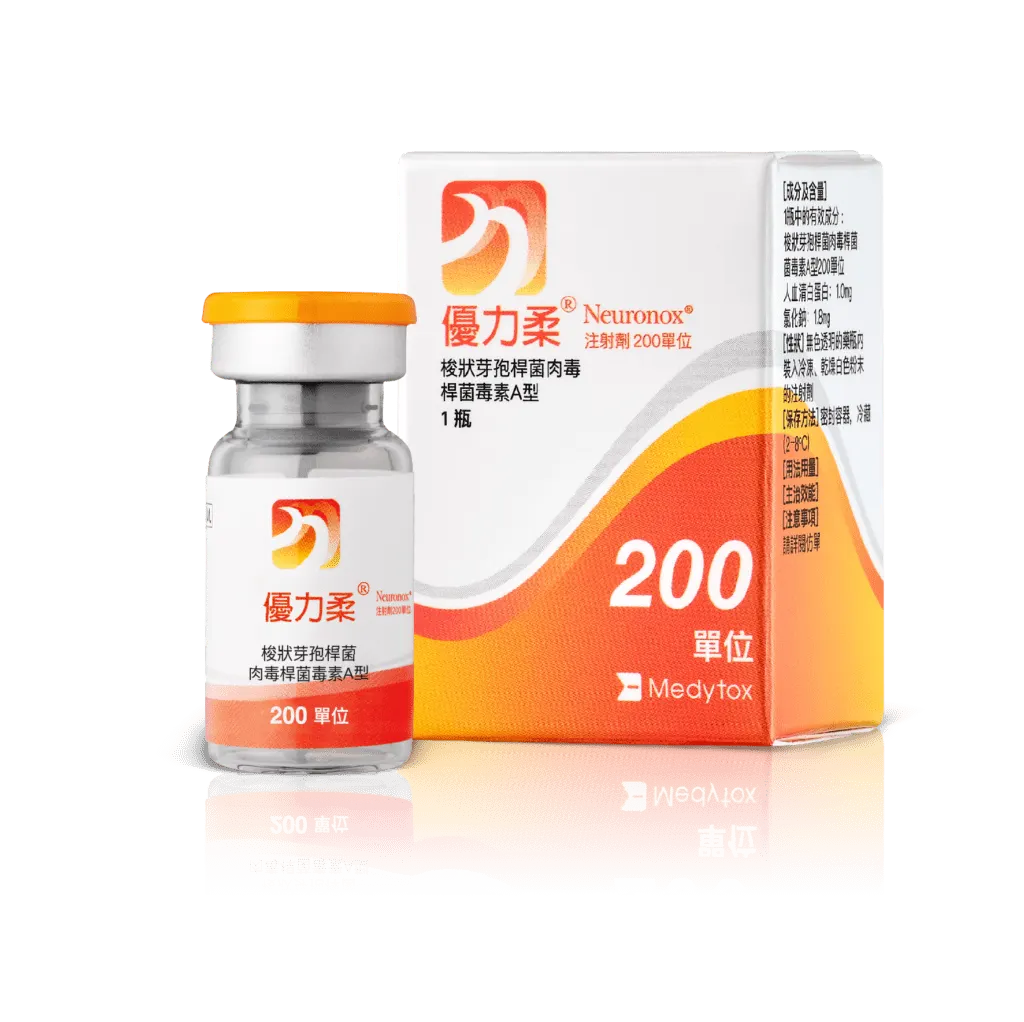
Botulinum toxin is a natural protein extracted from the bacterium Clostridium botulinum and purified with advanced technology. It inhibits the release of acetylcholine from nerve endings, which causes muscles to contract and stimulates glandular secretion, so it effectively relaxes muscles, treating overactive muscles by paralyzing the underlying muscle. Once the muscles relax, fine lines and wrinkles on the face improve, making the skin smooth and young, and it can produce significant results for most dynamic wrinkles on the face, as well as the square jaw caused by overdeveloped masseter muscles.
Why Can Botox Smooth Wrinkles and Slim the Face? The 4 Major Botox Effects Explained!
Is Botox a Poison? Is It Safe?

Botulinum toxin is actually a type of neurotoxin extracted from the botulinum bacterium. At this point, some of you will wonder: could injecting “botulinum” into the human body be dangerous or harmful?
You don't need to worry too much. Botulinum toxin is a highly purified protein obtained through artificial culturing, extraction, and refinement, and it is different from the “botulinum bacteria” behind ordinary food poisoning. The one widely used in aesthetic medicine today is “botulinum toxin type A”, which has the lowest toxicity of all botulinum toxin types, with a long clinical history and a stable composition. Within a reasonable dose range, even infants can receive botulinum toxin treatment.
Botox used in aesthetic medicine is generally dosed at 10U–300U, while the dose that causes poisoning or death in humans is as high as 2,500–3,000U, equivalent to injecting 20–30 vials of botulinum toxin at once, which is basically impossible.
The 4 Major Botox Brands Compared! Suitable Areas, Prices, Pros and Cons Revealed
Botox Indications
1. Wrinkle reduction
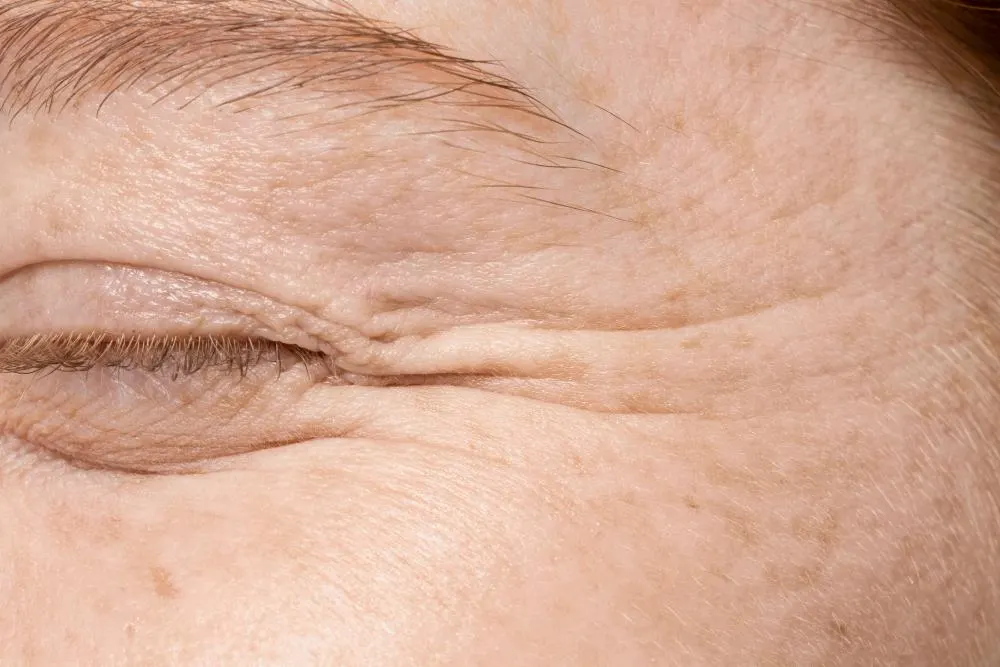
These include dynamic lines such as forehead lines, crow's feet, frown lines, and expression lines. “Dynamic” means lines created by muscles when you make facial expressions, formed by lifestyle habits, aging, and expressive faces. All of them can be improved with botulinum toxin injections, softening the lines and firming the skin!
2. Reducing sweating
Botulinum toxin can inhibit secretion from sweat glands and apocrine glands, improving excessive sweating and body odor. It lasts about 3–6 months. The injection site may feel red, hot, or painful, and the arms may feel weak; these are temporary and normal reactions.
Are You a “Heavy Sweater” or Do You Have “Body Odor”? Underarm Odor Treatments Compared
3. Face shape
Botulinum toxin blocks acetylcholine signaling between nerves and muscles so the muscle cannot contract, and the masseter muscles on both sides of the face lose tension and activity. The masseter then relaxes and shrinks in volume, which can improve masseter hypertrophy, a sagging jawline, a square jaw, baby fat, and more
4. Body areas
Besides the face, uneven contours caused by well-developed muscles in the body can also be improved with botulinum toxin, for example: muscular calves, trapezius muscles in the shoulders, and so on
| Wrinkle reduction | Sweat control | Face shape | Body areas | |
|---|---|---|---|---|
| Recommended dose | 10–30U | 50–100U | 30–50U | 100–150U per side |
| Duration | 6–9 months | 3–6 months | 6–12 months | 6–9 months |
| Recommended follow-up | After 1 week | After 1–2 weeks | After 1 month | After 1 month |
| Recommended repeat treatment | After 3–6 months | After 3–6 months | After 3–6 months | After 3–6 months |
| Possible temporary side effects | Redness, swelling, bruising (fades after 1–2 weeks) | Mild redness and warmth, pain, arm weakness | Masseter weakness | Soreness and weakness in the calves |
Common Botox Complications and Side Effects
1. Local redness, swelling, and pain
2. Bleeding
3. Headache, muscle weakness, flu-like symptoms
4. Facial asymmetry or abnormal expressions
5. Itching, bruising
6. Temporary drooping around the eyes
The symptoms above mostly go away on their own after a few hours to a few days. We recommend icing or applying bruise ointment after treatment. If the side effects last too long, return as soon as possible for an exam by your doctor. Complications and side effects are mainly related to individual constitution, dose, the doctor's skill, and the area treated.
Not Everyone Can Get Botox! 4 Types of People Who Should Not Get Injections

1. Pregnant or breastfeeding women
2. People with neuromuscular disease
3. People taking certain medications (e.g., muscle relaxants)
4. People allergic to certain ingredients (e.g., the special proteins in botulinum toxin)
Precautions After Botox Injections

1. Avoid lying flat, sleeping face down, or massaging the area after Botox, and stay upright as much as possible for 4 hours so the toxin does not spread
2. Avoid strenuous exercise and high heat exposure (sunbathing, saunas, hot compresses, etc.) for 24 hours after injection
3. Bruising, redness, and swelling may appear after treatment; icing relieves them
4. After facial injections, avoid hard foods or foods that need constant chewing, such as chewing gum and tapioca pearls
5. After calf injections, reduce high heels, prolonged standing, and strenuous leg exercise
6. If you take aspirin or other anticoagulants, it may increase the chance of bruising and bleeding and affect wound healing speed
This article is for general information only. Results vary from person to person; please consult a doctor in person before deciding on any treatment.