
Contents
Have you ever lost confidence because of your breast size? Have you ever considered breast augmentation to make up for what nature left out? If so, is Mentor breast augmentation surgery right for you? This article covers the benefits of Mentor breast augmentation, the surgical procedure, and aftercare, so let's take a closer look together.
What Is Mentor Breast Augmentation?

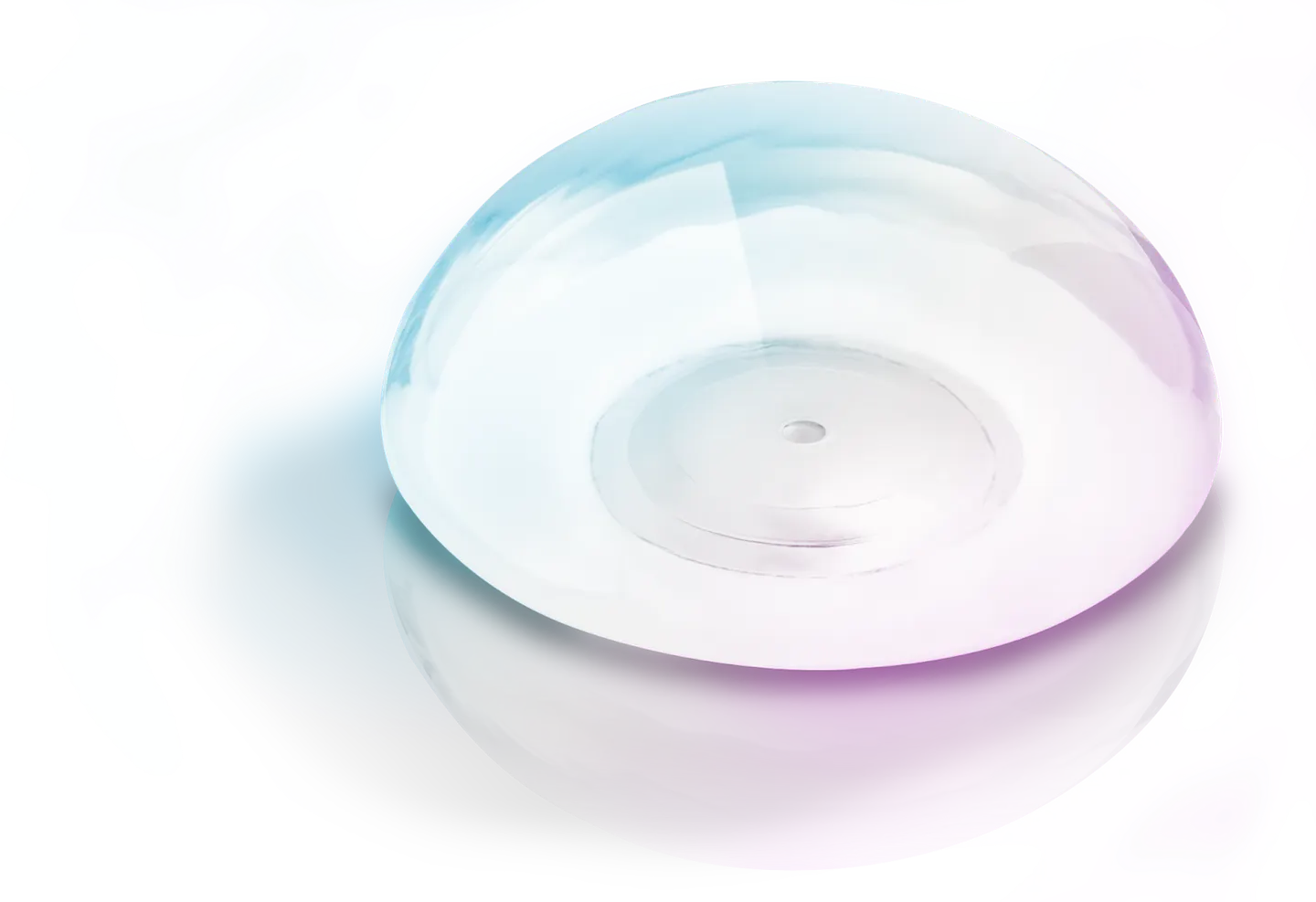
Mentor implants are made by a company called Mentor Worldwide LLC and come in different models and with different characteristics, so they can be chosen according to the patient's needs and expectations. The implants are usually filled with silicone or sodium hyaluronate, and can be used to increase breast volume, improve shape, reconstruct the breast, or perform other breast plastic surgery.
How Is Mentor Breast Augmentation Performed?
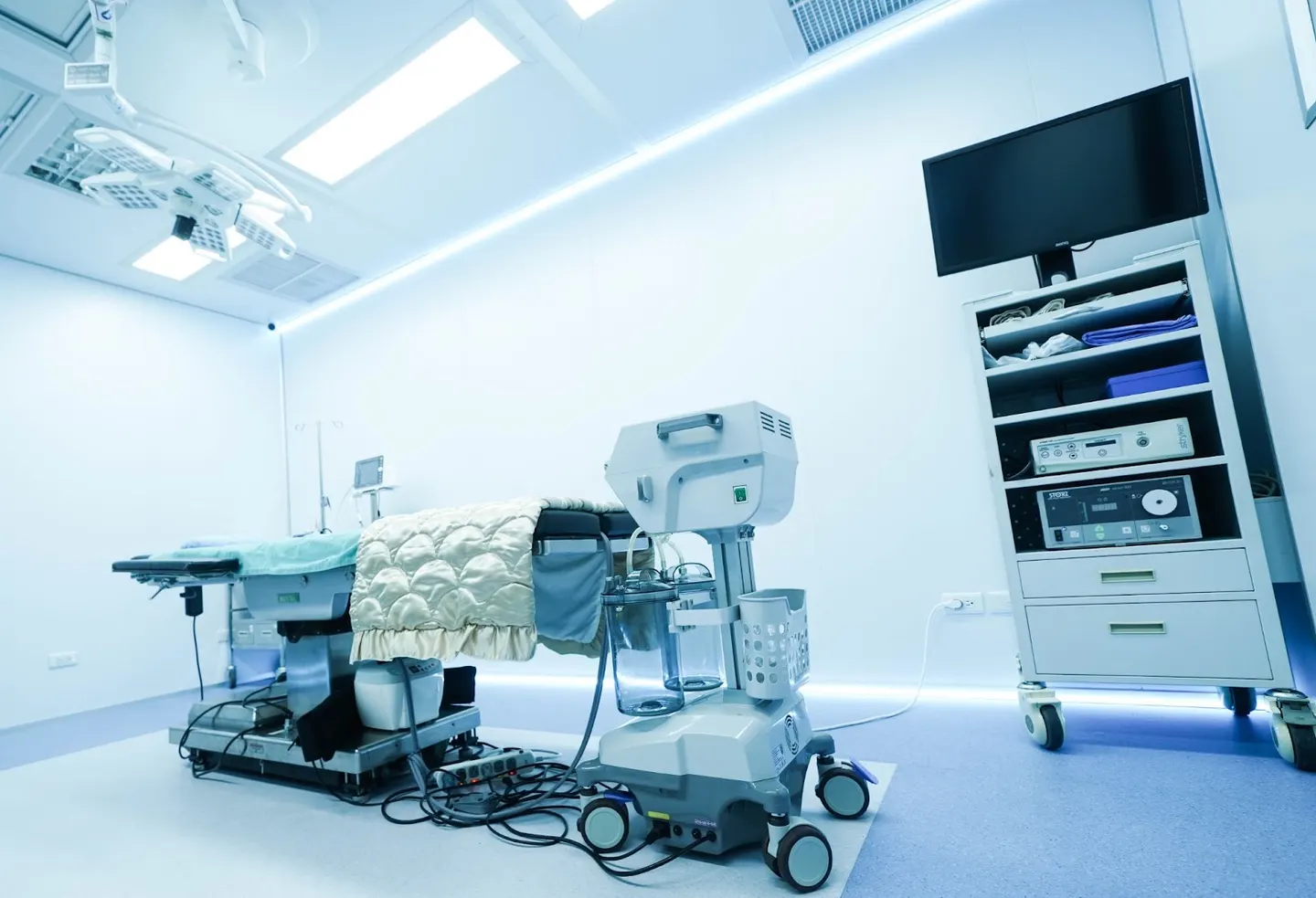
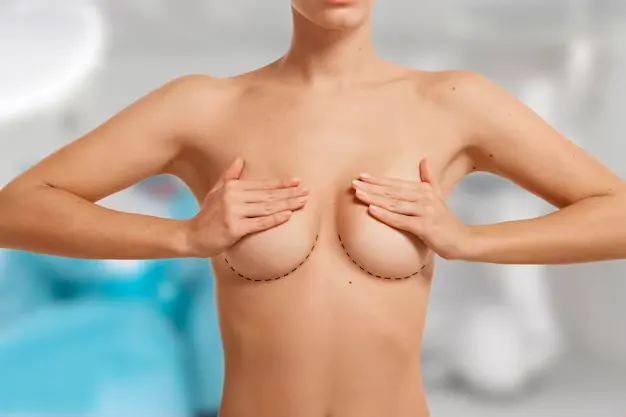
After discussing the plan with the doctor, the patient first receives anesthesia. The incision may be made in the armpit, along the lower breast fold, or at the areola.
Next, the doctor creates a space for the implant, which can be done by dissecting or shaping the tissue. Once this is done, the incision is closed with absorbable sutures or tape, and the patient is then moved to a recovery room for observation.
Implant Placement in Mentor Breast Augmentation
In endoscopic gel implant breast augmentation with Mentor implants, depending on the patient's individual situation, the implant is placed in one of the following positions: beneath the mammary gland, beneath the fascia, beneath the pectoralis major, or dual plane. An experienced specialist usually evaluates and decides based on the patient's body type and needs.
Beneath the fascia: Placing the implant beneath the pectoralis major may make it harder to feel or see the edges of the implant, but this position can also cause the implant to shift when the muscle contracts.
By comparison, placing the implant beneath both the muscle and the fascia, known as the dual plane, may be more conducive to a natural, soft breast shape and a realistic feel, and is better suited to people with less fat in the upper chest.
Beneath the Fascia Layer or Mammary Gland Tissue
One way to place the implant is beneath the fascia layer, which can reduce discomfort after surgery. This position is shallower, so it generally causes less discomfort, and may be a good choice for people whose breasts are already fuller.
Beneath the Pectoralis Major
One way to place the implant is beneath the deeper pectoralis major muscle layer. The advantage is that once the implant sits deeper, the constant friction from the muscle can effectively reduce the chance of capsular contracture. This deep placement approach usually can lower the risk of capsular contracture, allowing patients to enjoy beautiful results for longer.
Dual-Plane Placement Under the Pectoralis Major
In this approach, the pectoralis major is divided into two zones: the upper half of the implant is placed beneath the pectoralis major layer, while the lower half is placed above the muscle and beneath the fascia layer.
In other words, an approach that combines two different positions can create an ideal, naturally sloping breast shape. However, this surgery is relatively complex and takes longer to complete.
What Are the Benefits of Mentor Breast Augmentation?
How suitable Mentor breast augmentation is depends on individual needs and physical condition, and the best choice should be made by a plastic surgeon based on each patient's situation. So why do some people choose Mentor breast augmentation? What attractive features does it have?
Stable Material
Mentor breast implants have a smooth surface that is not only comfortable to the touch but also reduces the risk of friction or shifting after surgery. This gives Mentor implants a unique advantage in plastic surgery, and they are an attractive choice especially for patients who care about appearance and surgical results.
Reduced Capsule Formation
A capsule is the body's self-protective reaction to an implant, and it can sometimes cause the implant to become hard or deformed.
The special surface design of Mentor implants helps reduce the likelihood of capsule formation, so the breasts stay soft and keep a natural look and feel after surgery.
No Massage Needed
The simplified aftercare makes Mentor breast augmentation the first choice for many patients. For those with busy schedules or who cannot spend a lot of time each day on aftercare, it offers a simpler yet equally effective solution.
Mentor Breast Augmentation Procedure at a Glance

Now that you know what Mentor breast augmentation is, how it is performed, and its benefits, let us walk you through the process from the initial evaluation to the end of the surgery.
Book an Appointment
Choose an aesthetic clinic with a team of professional doctors and make an informed choice. This is the first step before surgery and an extremely important one.
Doctor Consultation
At this key stage, the professional medical team will conduct an evaluation, taking into account the patient's personal needs, expectations, and physical condition, in order to develop the most suitable surgical plan.

Scheduling the Surgery
After consulting with the doctor, patients will have a clearer picture of the expected results and can better assess their own physical condition. Once these key steps are complete, the patient can schedule the surgery.
Reviewing the Consent Form
By carefully reviewing the consent form, patients can better understand the risks of the surgery, possible complications, and details of the procedure. The medical team will also record the patient's surgical plan in the consent form to ensure safety and suitability.
Pre-Operative Tests
To confirm that the patient is physically fit for surgery, a series of medical tests and evaluations are required, which also give the doctor important information on how to carry out the surgery.
Fasting on the Day of Surgery
Patients are usually asked to avoid solid food for at least eight hours before surgery, in order to reduce the risk of reflux or vomiting during surgery and to avoid complications, which improves the chances of a successful operation.
Check-In and Payment on the Day of Surgery
When the patient arrives at the clinic or hospital, they check in at the reception desk and provide personal information, health history, insurance information, and an emergency contact. Fees must also be paid before surgery, and the payment methods depend on the options the aesthetic clinic offers.
Pre-Operative Photos
Photographing the patient's initial appearance and physical condition is important for plastic surgery. With photos, the doctor can better understand the patient's unique body structure and further evaluate the details of surgery, including the incision location, surgical method, and the most suitable treatment plan.
Changing Into Surgical Attire
The patient will change into surgical attire to stay comfortable and hygienic during surgery. This also keeps the surgical area clean and reduces the risk of infection.
The Surgery
This is the core stage of the entire plastic surgery process. Once the patient enters the operating room, the plastic surgeon and medical team begin preparing for surgery, including anesthesia, choosing the incision, placing the implant, suturing the wound, and so on.
Rest in the Recovery Room
After surgery is complete, the patient is moved to the recovery room for further observation and care.
At this critical time, the medical team prioritizes keeping the patient's condition stable and provides appropriate care. If the surgery runs long or starts late, we recommend that the patient consider staying overnight for observation after surgery.
Dressing Change and Stitch Removal Appointment
To ensure good wound healing and care, the patient can come to the clinic at the scheduled time so the doctor can check the wound, change necessary dressings or care supplies, and remove the stitches. This helps ensure good recovery of the surgical site and reduces the risk of infection or other complications.
Precautions for Mentor Breast Augmentation

Knowing the surgical procedure is only one part of the picture. There are other important things patients should know that are just as important, and they help the surgery go smoothly and improve the success rate.
If You Have a Family History of Breast Cancer, Get an Ultrasound Before Surgery
This helps the doctor detect potential breast problems early and improves treatment success. For this high-risk group, regular ultrasound exams can help detect any abnormality early, provide accurate information for personalized surgery, and preserve as much healthy tissue as possible.
Do Not Wear Nail Polish or Gel Nails on the Day of Mentor Breast Augmentation
This is because the medical team needs to operate in the cleanest possible environment on the day of surgery. Nail polish and gel nail products contain chemical ingredients that may cause unwanted reactions during surgery or affect the results.

Stop Anticoagulants Such as Aspirin One Week Before Mentor Breast Augmentation
This step is very important because anticoagulants can increase the risk of bleeding during surgery. Stopping these medications one week before surgery can help lower surgical risk and ensure that the surgery goes smoothly.
Fast for More Than Eight Hours on the Day of Mentor Breast Augmentation
This ensures the anesthetic works properly during surgery and lowers recovery risks after surgery. During the fasting period, patients should avoid solid food and all beverages, including water, and keep the stomach empty to prevent vomiting during surgery, which could endanger the airway.
Pain May Be Felt on the First Day After Mentor Breast Augmentation, So Take Pain Medication on Schedule
This is a normal post-surgery reaction, usually due to tissue irritation and repair during surgery. To help relieve pain effectively and improve comfort, patients should follow the doctor's advice and take pain medication on schedule at the designated times.
Ice the Lower Breast Fold for Seven Days After Mentor Breast Augmentation
In the early stage after surgery, breast tissue usually shows mild swelling and discomfort, which is a normal physiological reaction. Applying appropriate cold compresses can help constrict blood vessels, reduce swelling and pain, and promote wound healing.
After reading this article, you should no longer be unfamiliar with breast augmentation. The most suitable method should be decided according to each patient's unique needs and physical condition, so the choice should be in each person's own hands. Your beauty is yours to decide!

[Further Reading]
2023 Breast Augmentation Costs Revealed! A Full Breakdown by Implant Type
What Are the Side Effects of Breast Augmentation? 3 Tips to Lower the Risk of Complications!
This article is for general information only. Results vary from person to person; please consult a doctor in person before deciding on any treatment.