Contents
Back to where you belong! (roars) Do you ever feel your fat grows in all the wrong places? Whenever you gain weight, it goes to your belly and thighs first, never your chest (!?), or are you bothered by your body proportions (hips bigger than bust)?
If you are considering breast augmentation, this is one to pay close attention to today! This article covers the advantages of and common questions about autologous fat, which areas of the body fat can be harvested from for breast augmentation, and the characteristics of each. Read on!
Characteristics of Autologous Fat
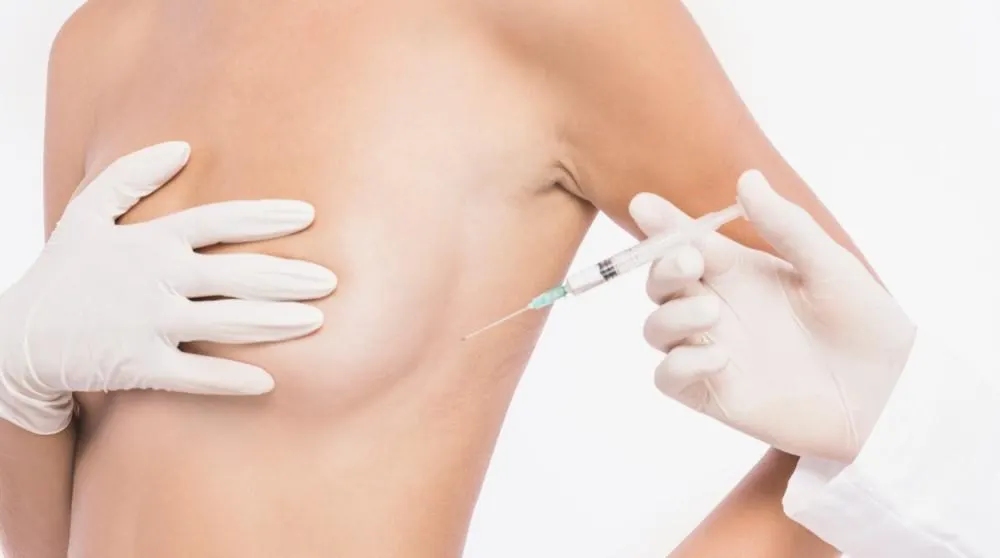
The medical field calls human fat "gold" because it offers "plenty of supply that is easy to obtain," "a natural feel," "low risk of rejection," and "natural retention in the grafted area", among other qualities. Besides being unlikely to trigger the rejection reaction of capsular contracture, autologous fat is also not gradually absorbed over time the way injectable fillers are.
"Fat transfer breast augmentation" uses your own fat, which is highly compatible with surrounding tissue, so there is no risk of allergy or rejection and safety is relatively high. After surgery, massage is neither needed nor allowed, and the breast shape looks natural, without the distinct edges and ball-like feel of an implant, so comfort and natural appearance after surgery are better.
Another big advantage of choosing "autologous fat" is that fat must be harvested from the body, such as the abdomen, outer thighs (saddlebags), waist, and buttocks, which can improve the distribution of body fat at the same time and create a body-sculpting effect.
Capsular contracture: A natural immune reaction the body produces after many breast augmentation surgeries, as in the commonly seen "bowl-shaped breasts" and "rock-hard breasts." The body forms a membrane (called a capsule) from collagen fibers to isolate or tolerate the foreign material and protect itself. As a result, many breast augmentations are easy to spot at a glance, which is also why more and more people now choose "fat transfer breast augmentation." Of course, it is also closely tied to aftercare.
[Further Reading]
What Are the Side Effects of Breast Augmentation? 3 Tips to Lower the Risk of Complications!
What to Do About Capsular Contracture After Breast Augmentation?
Recommended Areas to Harvest Fat From
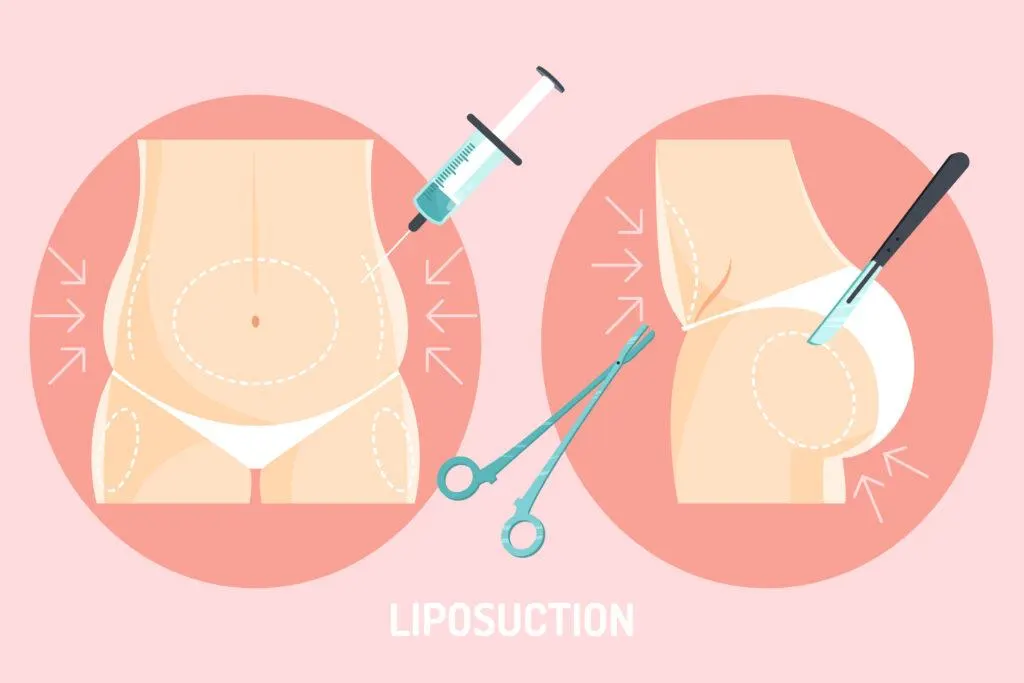
That's right! You really can say goodbye to the fat you don't want. Areas such as the abdomen, buttocks, outer thighs (saddlebags), and sides of the waist all have plenty of fat of good quality. Many people also wonder whether the "bye-bye sleeves" on the upper arms (bat wings) can be harvested too.
In fact, bat wings are caused not just by increased fat but also by loose skin. Because harvested fat must be purified and the arms contain relatively little fat, we do not recommend harvesting from this area after weighing all factors.
How Many Cup Sizes Can Fat Transfer Breast Augmentation Add?
Doctor, doctor! I have lots of fat. Can you take it all out and put it in my chest? I hope to go from an A cup to a D cup!
This kind of question and misconception deserves a straight answer! Before surgery, there is a multi-factor evaluation, including "the individual's fat volume." On average, "fat transfer breast augmentation" can achieve an upgrade of 1 to 1.5 cup sizes, and some cases have reached 2 to 4 cup sizes (it varies with individual constitution and conditions). So if you have higher goals for cup size, we still recommend having the doctor evaluate first and suggest a more suitable implant material!
As for "the amount of fat harvested," the harvested fat then goes through "centrifugal fat purification," in which blood, tissue fluid, and impurities from tissue other than fat must be filtered out. The amount of fat transferred back should also not be excessive, to avoid problems such as calcification or infection. So having more fat does not mean you can transfer more. Discuss your expectations and concerns with your doctor before surgery, or choose to transfer the fat to other areas of the body!
Post-surgery calcification: If you chase size blindly and ignore the points above, the fat may not receive enough blood supply, making calcification, lumps, and even cysts more likely, and it may become hard to tell whether there are signs of cancer. That is why the doctor's expertise and your own preparation of medical information are so important, and we also recommend evaluating multiple options to find a doctor who suits you and whom you can trust.
[Further Reading]
Am I a Good Candidate for Fat Transfer Breast Augmentation? How Can I Improve Fat Survival?
Is All the Harvested Fat Used in the Breasts?
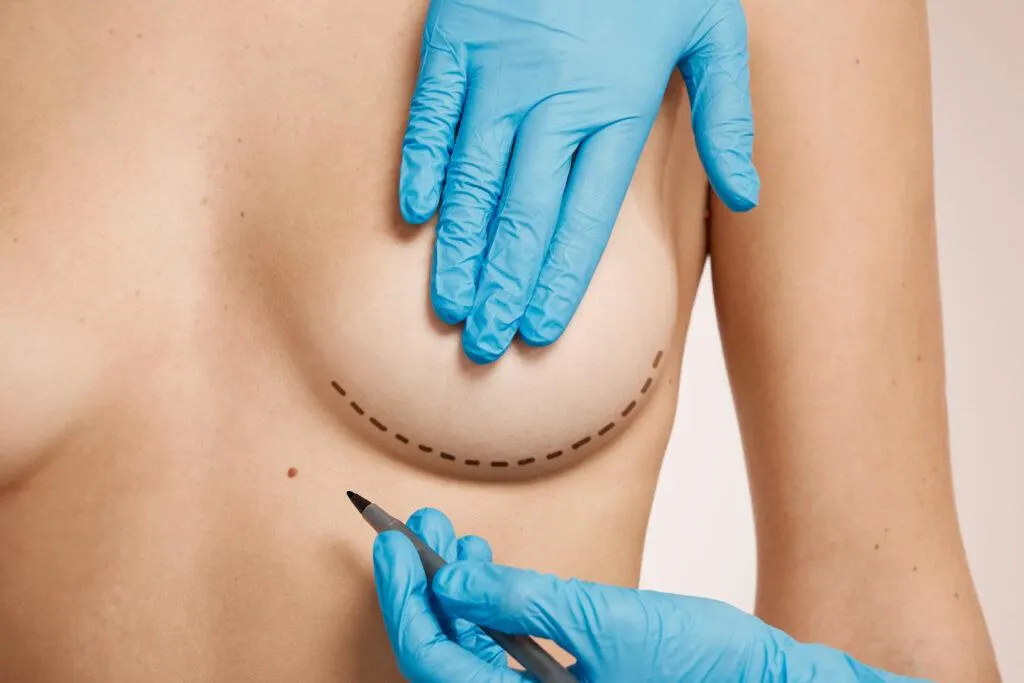
Many people considering or weighing "fat transfer breast augmentation" wonder: is all of the harvested fat used in the breasts?
As mentioned earlier, fat harvested for "fat transfer breast augmentation" is purified by centrifugation, so it is normal for the amount harvested to differ from the amount after purification. For example, 1,000 cc harvested may come to about 300 to 500 cc after purification. A transfer volume of 250 to 300 cc is generally recommended; too much or too little reduces fat survival or causes fat loss, which affects the results after surgery!
Three Keys to Successful Surgery
The success of "fat transfer breast augmentation" depends mainly on fat survival rate. Besides natural constitution, there are also the doctor's fat injection technique, the choice of equipment, and aftercare. These factors affect the survival rate of fat in the augmented area.
1. A high level of surgical skill: A professional doctor with extensive clinical experience can harvest healthy fat from different areas and layers, transfer it precisely and evenly, and control the volume better. This avoids an unnoticeable result, or transferring too much, which causes insufficient blood and oxygen supply and leads to calcification or lumps.
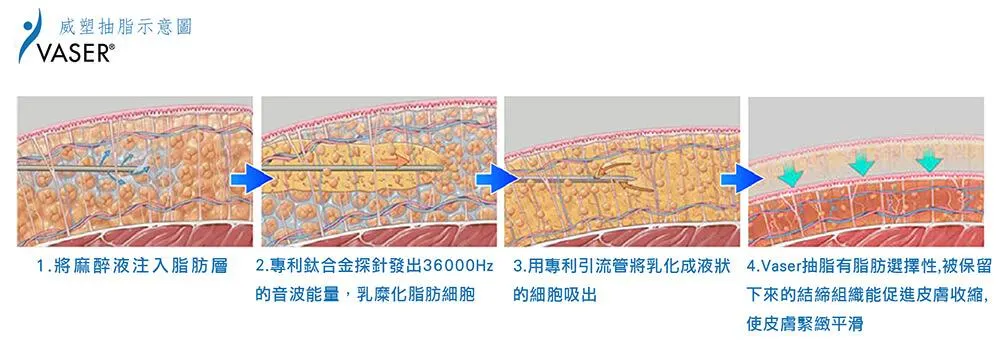
2. Precise supporting equipment: The equipment used to harvest and purify fat is also critical. The fat must be highly pure, with blood lipids separated precisely, for better results. NAISS CLINIC uses the internationally certified "VASER liposuction," which is highly regarded in the industry for both the fat harvesting process and aftercare. Not only does it offer a short recovery period and small incisions, while the skin keeps its original firmness with no bumps or unevenness, but with care following your doctor's instructions, the results can also be permanent.
3. Individual constitution and aftercare: How long the results of "fat transfer breast augmentation" last is closely related to your body fat, and the fat survival rate is affected accordingly. If you are naturally lean, you need to take extra care after surgery. Although there is mild soreness for 2 to 3 days after surgery, you can go about normal activities, only avoiding strenuous impact, hot spring soaking, and the like. For diet, eat plenty of protein, and do not diet during the first three months!
This article is for general information only. Results vary from person to person; please consult a doctor in person before deciding on any treatment.