Contents
Liposuction has long been one of the options for people pursuing their ideal figure, but for many, the cost is an important consideration. If you are thinking about liposuction, this article looks at the main liposuction methods in 2024, lists the cost range for each body area in detail, and discusses the three major factors that affect liposuction cost. Finally, we will cover whether liposuction can be paid for in installments.
What Types of Liposuction Are There?
Before looking at liposuction costs, let's first review the different types. There are many liposuction techniques and methods to choose from, and each has its own pros and cons. Here are several common types of liposuction:
1. Traditional Liposuction
Traditional liposuction is mostly a dry technique. A silicone suction cannula is inserted into the subcutaneous fat layer of the treatment area and moved back and forth by hand to break up large clumps of fat, and the broken-up fat is then suctioned out. It is suited to large areas of fat. Incisions are about 1 cm, recovery is long, pain is noticeable, the survival rate of the fat is low, and the skin is prone to sagging afterward.
2. Water-Jet Liposuction
Water-jet liposuction uses a high-pressure stream of water to soften the tissue, and the softened fat is then suctioned out. It is suitable for liposuction in localized areas.
3. VASER Liposuction
A titanium probe placed in the treatment area emits 36,000 Hz ultrasound that makes the tissue resonate, emulsifying clumps of fat while preserving the connective tissue. A spiral water flow then disperses the fat, and a drainage probe finally suctions it out. Its advantages are small incisions (0.3-0.5 cm), a fast recovery, low pain, and no skin sagging afterward.
The cost of each liposuction method is different and may vary by region, clinic, and surgeon. Before undergoing liposuction, we recommend consulting a qualified surgeon to learn the pros and cons of each technique and the corresponding costs.
4. Laser Lipolysis
A technique that uses a thin fiber-optic probe to deliver laser energy that breaks up fat tissue. When the laser is applied to the fat cells beneath the skin surface, the fat cell membranes are disrupted and the fat is eventually metabolized and eliminated by the body, achieving the laser lipolysis effect.
5. Ultrasound Lipolysis
A special ultrasound lipolysis technique emulsifies fat into a liquid, which is then suctioned out. This preserves most of the connective tissue and helps the skin stay firm and not sag, achieving the ultrasound lipolysis effect.
Comparison of the 5 Liposuction Methods
| Traditional Liposuction | Water-Jet Liposuction | VASER Liposuction | Laser Lipolysis | Ultrasound Lipolysis | |
|---|---|---|---|---|---|
| Suitable Areas | Localized or large-volume liposuction | Localized or large-volume liposuction | Localized or large-volume liposuction, superficial liposuction | Suited to small areas | Suited to small areas |
| Incision Size | About 0.5-1 cm | About 0.5 cm | About 0.2-0.5 cm | 0.2-0.3 cm | About 0.3 cm |
| Recovery Time | 3-6 months | 3-6 months | About 1 month | 3-6 months | About 1-1.5 months |
| Blood Loss | *** | ** | * | ** | ** |
| Cost | * | *** | **** | ** | *** |
Liposuction Cost Ranges by Body Area
| Traditional Liposuction | Water-Jet Liposuction | VASER Liposuction | Laser Lipolysis | Ultrasound Lipolysis | |
|---|---|---|---|---|---|
| Abdomen | About NT$170,000-230,000 | About NT$180,000-240,000 | About NT$200,000-300,000 | About NT$100,000-150,000 | About NT$240,000-300,000 |
| Arms | About NT$30,000-110,000 | About NT$40,000-120,000 | About NT$60,000-120,000 | About NT$40,000-60,000 | About NT$90,000-120,000 |
| Thighs | About NT$150,000-230,000 | About NT$160,000-240,000 | About NT$240,000-300,000 | About NT$120,000-180,000 | About NT$180,000-200,000 |
| Buttocks | About NT$90,000-190,000 | About NT$100,000-200,000 | About NT$150,000-300,000 | About NT$70,000-100,000 | About NT$100,000-120,000 |
| Double Chin | About NT$30,000-70,000 | About NT$40,000-80,000 | About NT$60,000-80,000 | About NT$40,000-80,000 | About NT$60,000-100,000 |
| Accessory Breast Tissue | About NT$30,000-110,000 | About NT$40,000-120,000 | About NT$60,000-150,000 | About NT$40,000-80,000 | About NT$100,000-120,000 |
(Final pricing is subject to in-person evaluation.)
3 Factors That Affect Liposuction Cost
1. Treatment Area
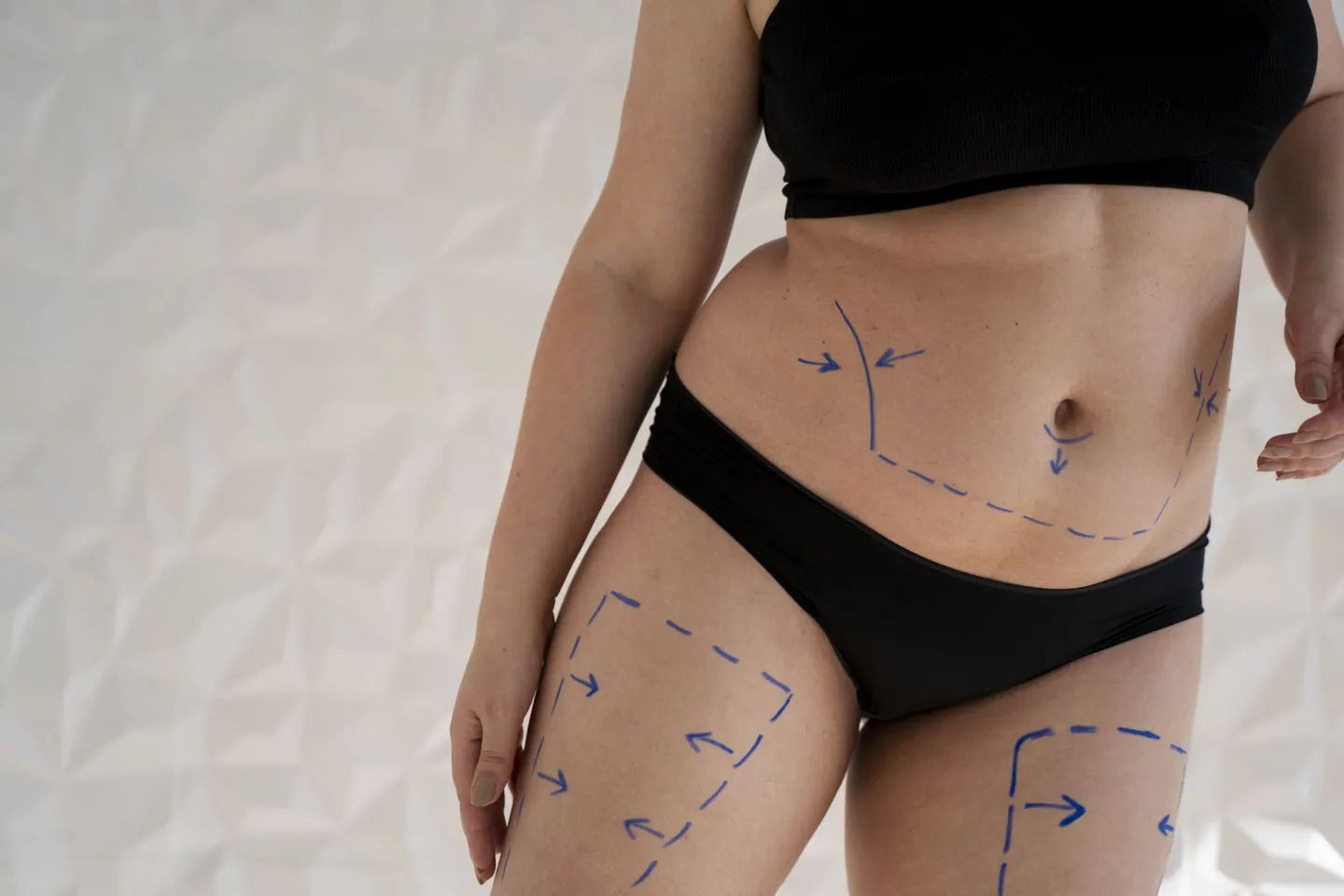
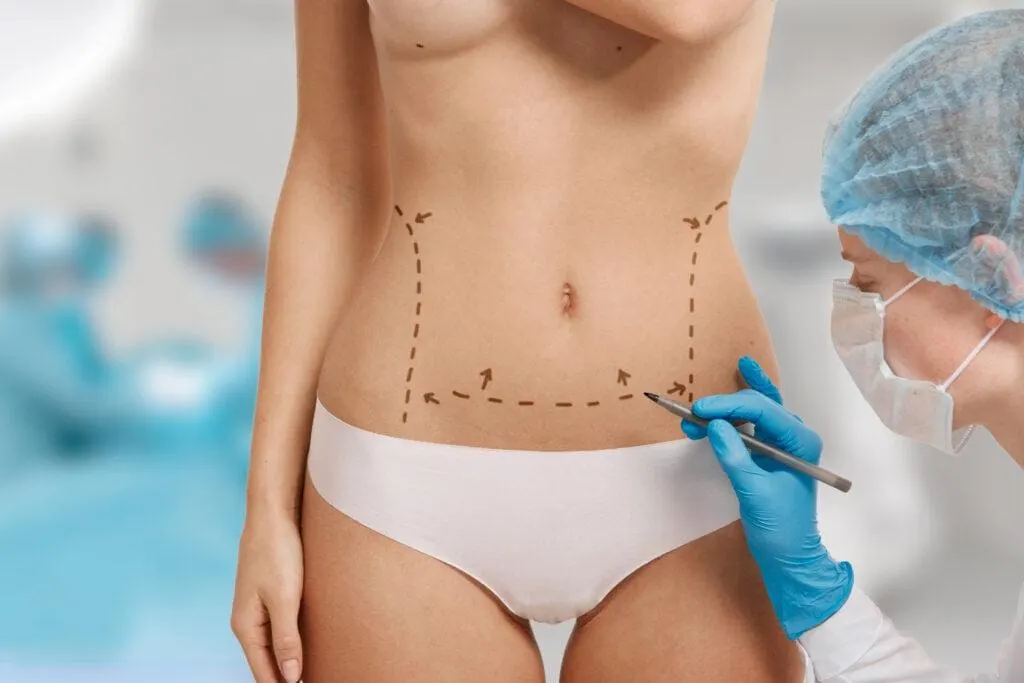
Depending on the area treated, the extent of fat removal and the time required both increase. Some areas are easier to treat, while others are more complex and require more time and skill. On the market, pricing is per area, and one area is about the size of a palm, so the treatment area affects the cost. Liposuction also comes in two approaches: "targeted liposuction," which reduces fat in the specified area, and "circumferential liposuction," which goes beyond the specified area to adjust the surrounding contours. The plan you choose directly affects the price.
If the surgery targets the legs or buttocks, the cost is usually higher because of the large area and the large amount of fat removed. Surgical difficulty also affects cost (for example, the back and the back of the thighs): these areas have more fibrous tissue, which makes the surgery harder and raises the cost.
>> VASER Liposuction Sculpts Your Ideal Figure
2. Liposuction Technique
Different liposuction techniques may require different equipment and methods, and the technique determines the length of recovery, the results, and the price. For example, VASER liposuction keeps blood loss low during surgery, keeps the skin from sagging afterward, and has a short recovery, so VASER liposuction costs more than traditional liposuction.
In addition, advanced technology may require higher costs and equipment investment, which is also reflected in the price of liposuction. The surgeon's skill and experience are another factor in the price: an experienced plastic surgeon can effectively lower surgical risks and handle the incisions with greater precision, reducing the degree of tissue damage. NAISS CLINIC's liposuction physicians are all certified by the liposuction manufacturer, unlike physicians at other clinics who perform many types of procedures at once and hold no manufacturer certification.
3. Clinic Equipment
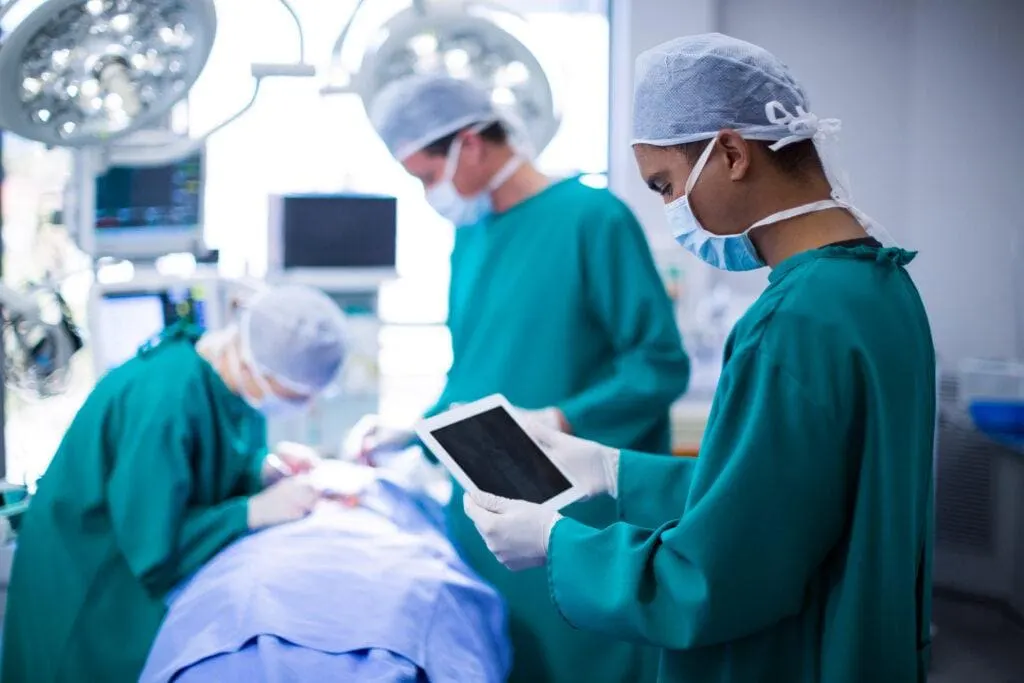
A clinic's level of equipment and facilities also affects the cost of liposuction. Some clinics may be equipped with the latest equipment and technology and provide a higher quality of service, which is reflected in the cost accordingly. For example, VASER liposuction involves no tearing trauma and no stimulation from high laser heat, and it lowers the side effect of skin sagging after liposuction. Blood loss during the procedure is minimal and recovery is shorter, making it a more efficient and safer liposuction method. NAISS CLINIC also has a professional cleanroom and operating rooms at medical-center standard. Before entering the operating room, patients pass through an air shower room, where strong airflow blows off hair, skin flakes, and dust, lowering the chance of cross-infection during surgery and making it safer. Post-op care includes a private recovery room, post-op meals, and a scar-fading program (including scar-reducing injections, pigment-lightening laser, and a photon repair device to help reduce swelling and shorten recovery time), among other services.
In summary, the cost of liposuction is the combined result of several factors. If you are considering liposuction, then in addition to cost, we recommend weighing factors such as professional expertise, equipment and facilities, and patient reviews when choosing a clinic and surgeon.
Can Liposuction Be Paid for in Installments?
Liposuction usually costs a five- or six-digit amount (in NT$) at one time, which is a considerable expense, so many people ask whether they can pay in installments. Payment methods differ from clinic to clinic, so we recommend consulting the clinic directly to learn which payment options it offers.
Who Is a Good Candidate for Liposuction? Who Is Not?
Good Candidates
- Normal health: liposuction is a surgical procedure and is suited to people in good physical condition. People with heart disease, diabetes, high blood pressure, abnormal blood clotting, or bleeding disorders may not be suitable for this surgery.
- Stable weight: if a person's weight fluctuates dramatically, this may affect the results of liposuction.
- Specific areas of fat accumulation: liposuction mainly targets specific areas of fat accumulation that are hard to change through diet and exercise. For people who are overweight all over, liposuction may not be the best option.
- Skin elasticity: people with good skin elasticity adapt better to their new shape after the fat is removed, while people with loose skin may develop dents or unevenness.
Not Good Candidates
- Generalized obesity: people with generalized obesity may often have accompanying health problems, such as heart disease and diabetes, which can raise the risk of surgery. Large-area liposuction also increases surgical risks such as bleeding, infection, and postoperative fat embolism.
- Certain medical conditions: for people with heart disease, diabetes, high blood pressure, abnormal blood clotting, or bleeding disorders, liposuction may carry greater risks.
- Overweight or underweight: liposuction is not a weight-loss method. People who are overweight should first try to lose weight through diet and exercise. People who are underweight may not have enough fat for liposuction.
- Poor skin elasticity: if the skin has poor elasticity, dents or unevenness may appear after liposuction.
Before and After Liposuction: What to Know
Before Surgery
- Avoid aspirin, Chinese herbal medicine, vitamin E, and other medications that may affect blood clotting for two weeks before surgery
- Also avoid smoking, alcohol, and caffeine for two weeks before surgery, because these affect blood circulation and blood vessel condition, which in turn affect the results and the speed of recovery
- Fast for the 8 hours before surgery to avoid complications from vomiting that may occur during anesthesia or after surgery
- Before surgery, a complete health check is recommended, including blood tests, an electrocardiogram, and X-rays, to confirm that you are fit for surgery
- On the day of surgery, wear comfortable, lightweight clothing. Do not wear makeup, nail polish, or any accessories, to reduce the risk of infection, and do not drive yourself
After Surgery
- Wear a compression garment to reduce swelling and promote recovery
- Keep the wounds clean and dry, and cover them with surgical tape
- Avoid standing or walking for long periods after surgery, and keep the treated area elevated as much as possible to reduce swelling and avoid dizziness
- For the first three days after surgery, apply ice packs to the wounds to reduce swelling, 4 to 6 times a day for 15 to 20 minutes each time
- After three days, once the wounds start to heal, begin applying warm compresses to promote metabolism and blood circulation
- Within the first month after surgery, avoid massaging the wounds forcefully, to prevent bleeding and skin sagging
- You can begin showering three days after surgery and take sitz baths after one week. Daily activities can resume after a week, but avoid strenuous exercise for a month
- Within the first week after surgery, avoid spicy or irritating foods, and do not smoke or drink alcohol
- Return for suture removal as scheduled by your doctor. If there is heavy bleeding, severe pain, or physical discomfort, return to the clinic immediately or seek medical help
This article is for general information only. Results vary from person to person; please consult a doctor in person before deciding on any treatment.