Contents
Breast augmentation is now a common plastic surgery, aimed at improving breast size and shape and helping women feel more confident. However, any surgery can cause complications, with unsatisfactory or unexpected results or symptoms. This article lists the complications that may follow fat transfer and implant breast augmentation, and shares 3 methods to lower the chance of complications after surgery!
Complications of Fat Transfer Breast Augmentation
1. Breast Asymmetry After Surgery
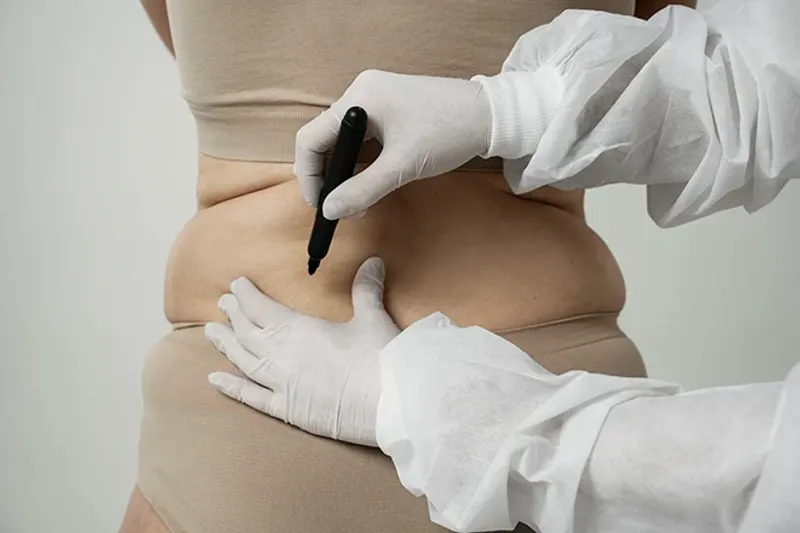
After fat transfer breast augmentation, breast asymmetry may occur. If the body absorbs the tissue unevenly, the left and right breasts may differ in size or sit at different positions, affecting the look. Postoperative asymmetry may be related to the surgeon's skill, uneven fat absorption, and how well the tissue heals. A touch-up fat transfer is recommended to perfect the shape of the breasts.
2. Fat Necrosis
After fat transfer breast augmentation, fat necrosis may occur. This refers to injected fat cells that are partly not absorbed, resulting in tissue death. It is usually caused by improper handling of the fat tissue during surgery or an inadequate blood supply afterward, so the fat cells do not get enough oxygen and nutrients and the tissue dies.
However, fat necrosis is a relatively rare complication and is mainly related to the surgeon's technique and the individual's constitution.
3. Surgical Infection
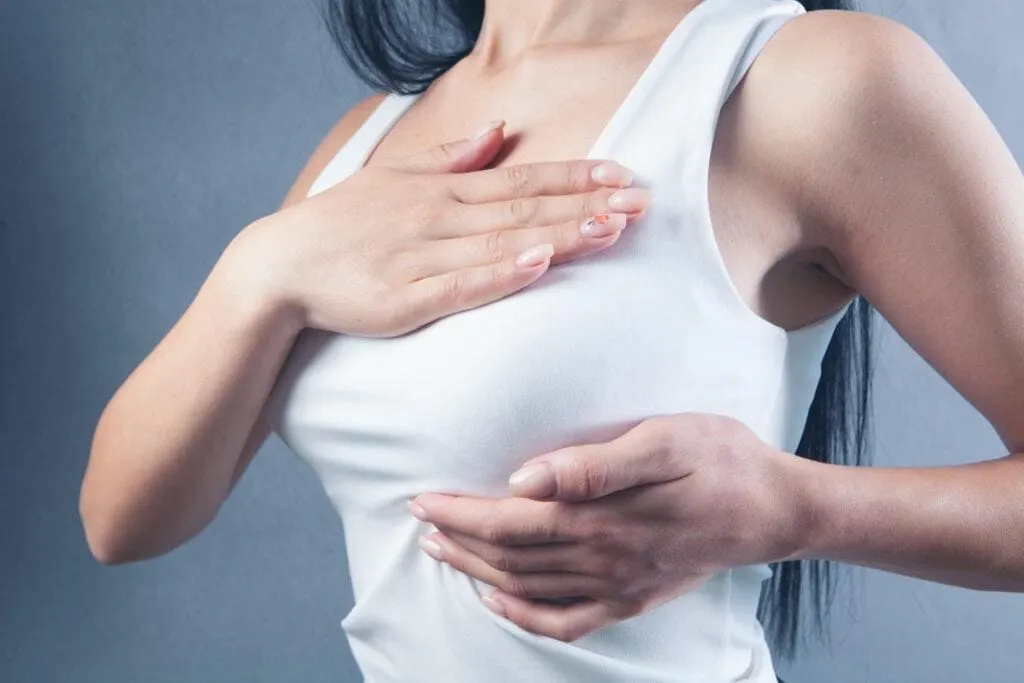
After fat transfer breast augmentation, postoperative infection may occur, meaning the surgical site or surrounding tissue is infected by bacteria or other pathogens. It is usually caused by bacterial contamination during surgery, improper wound care afterward, or a weakened immune system.
Cleaning the wound incorrectly or changing the dressing improperly after surgery can raise the risk of infection. Symptoms of surgical infection include redness, swelling, fever, and pain at the surgical site, and wounds that do not heal or become inflamed. If any of these symptoms appear, return to the clinic immediately so a qualified plastic surgeon can help.
4. Uneven Liposuction Area
After fat transfer breast augmentation, the area where fat was harvested may become uneven. Because this procedure requires taking your own fat, the liposuction area may develop dents or bumps, leaving the surface uneven.
An uneven surface may be caused by removing too much fat or by adhesions at the liposuction site. We recommend VASER liposuction as the device: it emits ultrasound and causes almost no tissue adhesion, which greatly improves unevenness after liposuction.
VASER 2.2 Liposuction: Tailor-Made for Your Ideal Figure
What Are the Complications of Breast Augmentation? Learn the Right Way to Speed Up Recovery!
Avoid Breast Augmentation Complications! The 4 Major Risks You Must Know
Complications of Implant Breast Augmentation
1. Unnatural Breasts with Differences in Size and Height
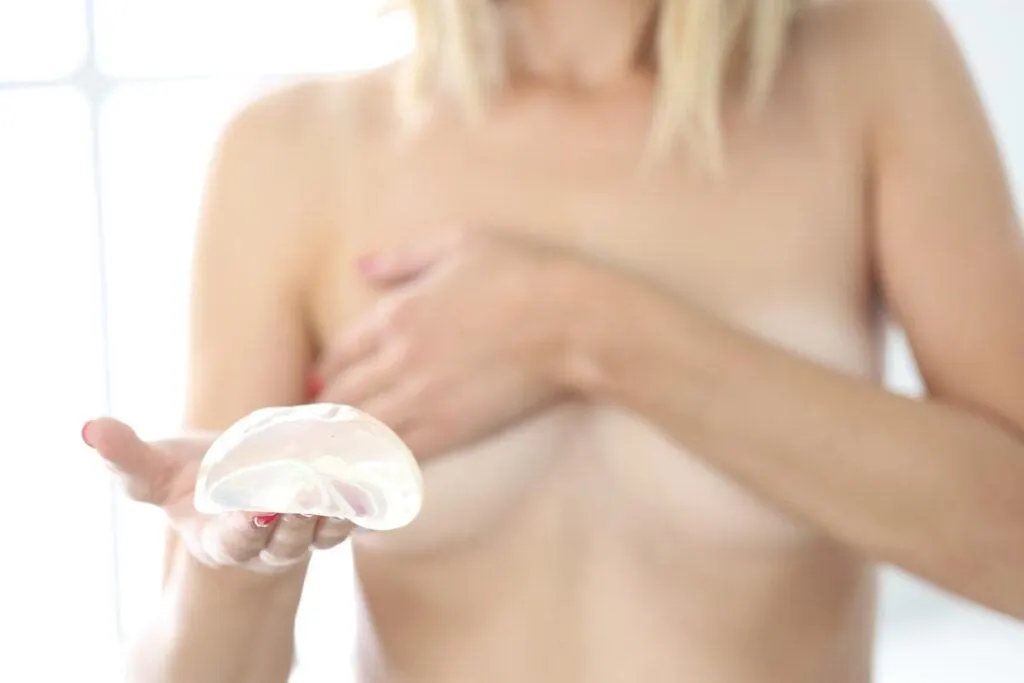
After implant breast augmentation, uneven breast size and asymmetrical breast position may occur. This is most common with traditional breast augmentation, because in the early days the technique was less refined and instruments could not be used to calculate the dissection space precisely. Today, breast augmentation can rely on endoscopic assistance, which reduces bleeding points and speeds up wound healing.
2. Capsular Contracture
After implant breast augmentation, capsular contracture may occur. Whenever a foreign object is implanted in the body, the body naturally forms a layer of capsule around it as a protective response, to keep the foreign object from contacting body tissue. Sometimes, however, the capsule overreacts, contracting and hardening. This is capsular contracture, which makes the breast hard, gives it an unnatural shape, and causes pain.
To avoid capsular contracture, we recommend maintenance massage every day once the wounds have healed, just 5-10 minutes at a time. Regular massage helps soften the breast tissue and restore a natural breast shape.
Read more: What should you do if capsular contracture unfortunately occurs?
3. Rippling
After implant breast augmentation, rippling may occur. It is especially common in Asian women: with a very slim build and thinner skin, choosing an implant with a lower fill rate makes rippling more likely once the implant is in the breast.
Is a higher fill rate always better? Not necessarily. A higher fill rate usually means less softness and a firmer, bouncier feel. For slim women who place a high value on softness, we recommend using fat transfer after surgery, which gives you a soft feel while also covering up the rippling.
4. Nerve Damage
After implant breast augmentation, nerve damage may occur. This is usually because surgical instruments compress the nerves around the breast during surgery, causing damage or irritation that leads to abnormal sensation, numbness, or pain. In general, most patients gradually recover from the damaged nerves within a year after surgery.
3 Ways to Lower the Chance of Breast Augmentation Complications
Whether you choose fat transfer or implant breast augmentation, no one wants to run into these complications. Here are 3 major ways to effectively avoid them after surgery:
1. Choose a Manufacturer-Certified Medical Facility
NAISS CLINIC holds major manufacturer certifications from Sebbin, Mentor, VASER, and others, and was designated by Sebbin as its only clinical education and training center in Asia, so surgical quality is assured. The instruments used during surgery are all genuine manufacturer products, and the clinic offers the most complete range of implant sizes, so patients can choose the size best suited to their chest shape and achieve the most ideal visual proportions.
2. Choose an Experienced Plastic Surgeon
NAISS CLINIC has invested heavily in recruiting teams of experienced plastic surgeons from National Taiwan University Hospital, Veterans General Hospital, Chang Gung Memorial Hospital, and other institutions to work on site. With top surgical teams specializing in different fields, patients with different needs can receive the most professional treatment advice.
3. Choose a Medical Facility with Professional Equipment
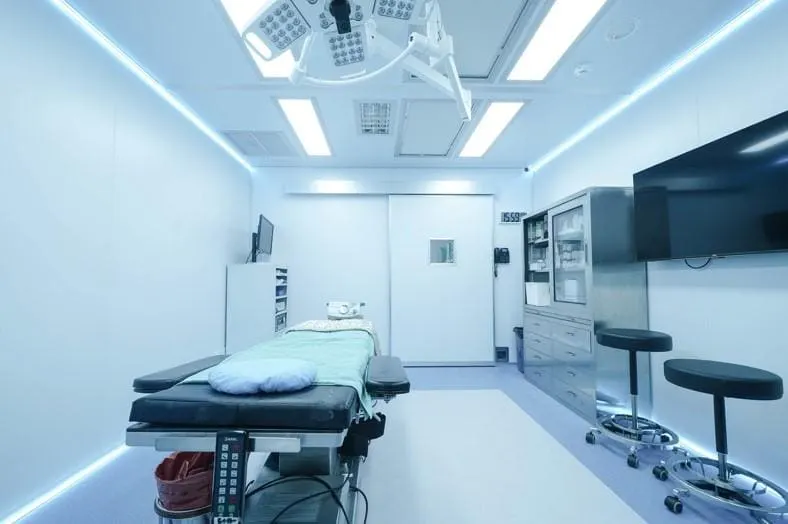
NAISS CLINIC uses advanced hospital-grade equipment and cleanroom operating rooms at medical-center standard, together with an air shower room that quickly removes dust, hair, and lint before patients enter the operating room. Surgery is also performed with a "no-touch" technique, ensuring the procedure takes place in a safe, sterile environment and preventing bacterial infection afterward.
This article is for general information only. Results vary from person to person; please consult a doctor in person before deciding on any treatment.