Contents
More and more women are choosing breast augmentation to show off their figure with more confidence and to wear a wider range of clothes. Thanks to advances in technology, recovery after breast augmentation is now much easier. This article covers what to eat after breast augmentation, how long recovery takes, and what to pay attention to afterward!
What Are the Common Side Effects After Breast Augmentation?
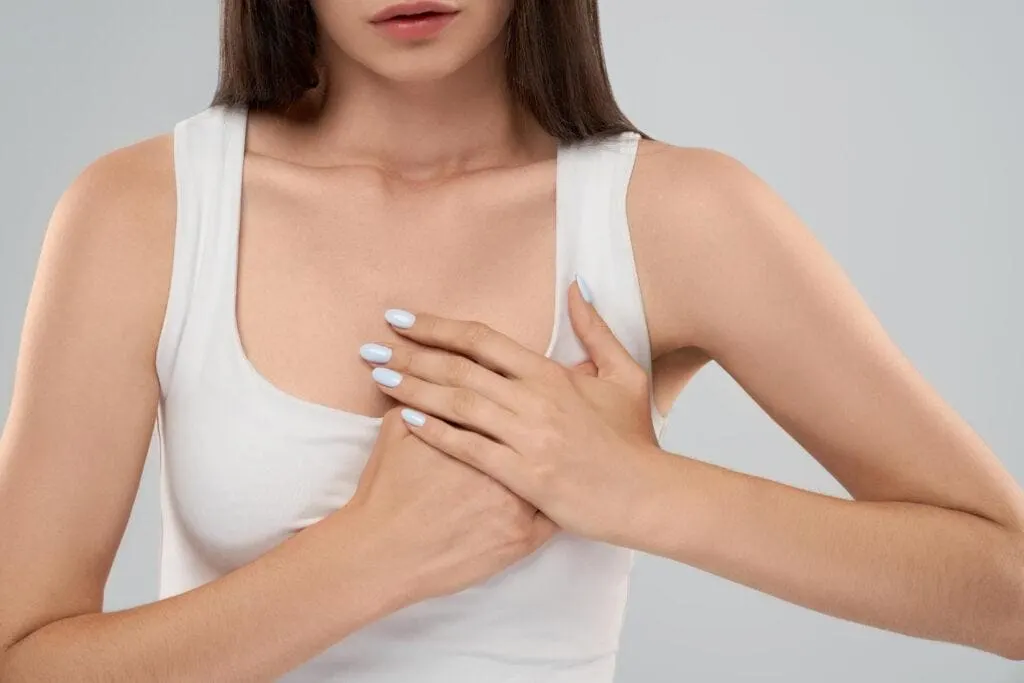
Breast Swelling and Tightness:
Breast swelling and tightness are most likely during the first 1-3 days after breast augmentation and usually last about 1-4 weeks, though the degree of discomfort varies from person to person. Because the implant is placed in the breast and stretches the breast tissue, it is easy to feel a foreign-body sensation and a tight chest. Mild swelling feels like breast fullness before a period; severe swelling feels like engorgement after childbirth. If it happens to coincide with your period, the discomfort may be worse. Use ice packs early on and warm compresses later; red bean water, adlay (Job's tears) water, and centipede grass may also be taken to speed recovery
Breast Throbbing and Pain:
Once you get used to the swelling, most people become more active as the wounds' swelling gradually goes down, which can cause breast pain or muscle soreness after activity. This is mainly because the breast volume increases suddenly and the pectoralis major muscle is stretched. Pain lasts about 1-4 weeks after surgery, and recovery speed varies by person. We recommend still moving slowly and keeping activity to a minimum after the swelling subsides. As long as the throbbing does not become more frequent, symptoms will gradually improve over time.
Bruising:
In traditional breast augmentation, bleeding was hard to control, so large bruises often appeared around the incision. Today, endoscopic assistance reduces the dissection space and greatly lowers bruising after surgery, so bruising does not necessarily occur now. If it does, it appears along the lower edge and inner side of the breast, is most noticeable within about 2 weeks after surgery, and disappears completely in about 1 month
Skin Peeling:
Because breast volume increases quickly after breast augmentation, the skin is prone to tightness and edema. Peeling can occur as the swelling goes down, which is a normal occurrence. Friction between the skin and clothing can also cause redness and breakouts. We recommend keeping the skin well moisturized and using a richer lotion to prevent continued peeling or stretch marks.
Shortness of Breath When Walking:
After surgery, some people feel chest tightness and difficulty breathing, and get out of breath after only a few steps. This is because the larger, heavier breasts may create a feeling of pressure, and wearing a post-op bra adds to the sense of constriction. Most people gradually feel better as they get used to the weight of the breasts, the tissue heals, and the tightness of the support band is adjusted
Air Sounds Inside the Breast:
Air enters the breast during surgery, so you may hear air sounds in the breast afterward. Once the air and tissue fluid are absorbed by the body, the sounds will stop.
What Are the Complications of Breast Augmentation? Learn the Right Way to Speed Up Recovery!
Avoid Breast Augmentation Complications! The 4 Major Risks You Must Know
How Much Do You Know About Breast Augmentation Complications? Understanding Capsular Contracture
How Can You Avoid These Side Effects?
Are you worried about the side effects above? Many side effects of breast augmentation are actually related to the surgery itself. In other words, the surgeon's skill and the clinic's equipment determine whether side effects occur after breast augmentation. So who should you choose for breast augmentation? NAISS CLINIC is the top choice, for three reasons:
- 1. Outstanding surgeon lineup: NAISS CLINIC has professional plastic surgeons from National Taiwan University Hospital, Chang Gung Memorial Hospital, and Veterans General Hospital on site, with extensive surgical experience, so surgical quality is assured.
- 2. Top-tier medical equipment: NAISS CLINIC has operating rooms and equipment at medical-center standard, lowering the chance of infection during surgery.
- 3. Manufacturer certification: NAISS CLINIC is a manufacturer-certified breast augmentation clinic. Breast augmentation at NAISS CLINIC comes with a 10-year-to-lifetime warranty, so you do not have to worry about problems after surgery.
How Long Is Breast Augmentation Recovery?
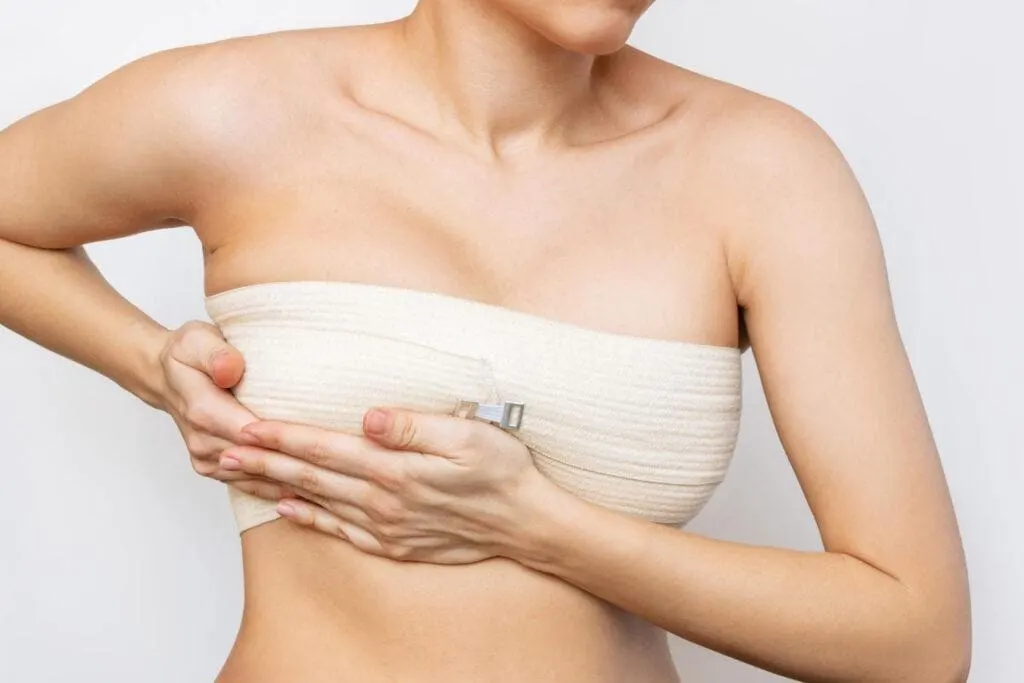
Recovery after breast augmentation varies with the individual's condition and the surgical materials. NAISS CLINIC's physicians say it can generally be divided into 3 stages: early, middle, and long-term:
Early Stage
This is the first 2 weeks after breast augmentation. At this stage you will usually feel mild discomfort, swelling, chest tightness, and muscle soreness, among other symptoms. At this point, reduce daily activity as much as possible and ice the wounds. You must wear a support band or special bra that holds the breast shape, which helps the wounds recover and keeps the implants from shifting. Keep the wounds dry and clean, and do not sleep on your stomach or massage in daily life.
Middle Stage
This is 2 weeks to 1 month after surgery. At this stage swelling decreases noticeably, the wounds have basically healed, and you can resume 70-80% of daily life. We recommend starting maintenance massage, which helps make the breast tissue softer, but you should still avoid damp environments such as swimming, soaking in a bath, and saunas.
Long-Term Stage
This is 3 months to 1 year after surgery. At this stage the body gradually returns to its normal state, the breast tissue stabilizes, and the breasts gradually regain softness. You can begin moderate- to high-intensity exercise, but we still recommend regular follow-up checkups to make sure recovery is going well.
Breast augmentation is an invasive procedure. Although instruments such as endoscopes can now greatly reduce the size of the incisions and the amount of bleeding, the wounds still have to go through stitching and healing. With normal, good healing, swelling or discomfort will still be present within the first 3 days after surgery, and you should avoid unnecessary activities such as raising your arms out to the side; once the stitches are removed after 1-2 weeks, daily life can resume (actual recovery still depends on the individual). Office workers can return to work in about 1-2 days, but people whose jobs are physically demanding or active are best off waiting 2 weeks after surgery before going back.
How Can You Speed Up Recovery?
NAISS CLINIC offers five-star post-op management, and the following recovery treatments carry no extra charge:
- 1. Three free recovery IV drips after surgery; you can return to the clinic every day to receive them, speeding up healing of the wounds.
- 2. At every follow-up visit, our professional nursing team cleans the wounds and changes the dressing, with dedicated staff caring for the surgical wounds.
- 3. For post-op scarring, NAISS CLINIC offers recovery treatments, including scar-reducing injections, pigment-lightening laser, and a photon repair device to help reduce swelling and shorten recovery after breast augmentation.
What to Eat After Breast Augmentation
1. Eat More High-Quality Protein and Collagen
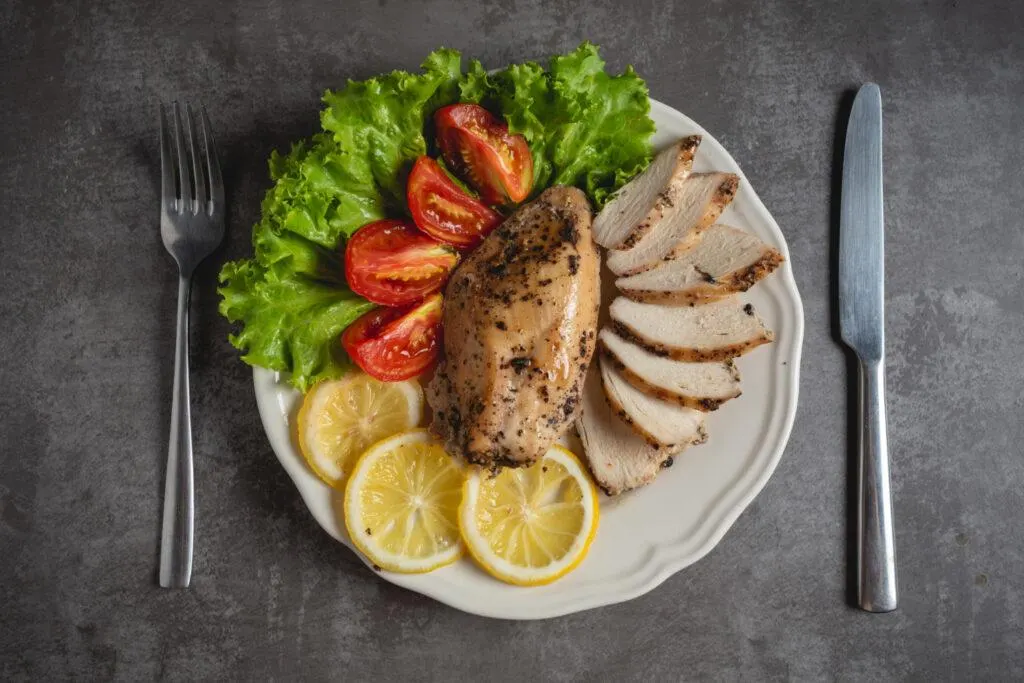
A healthy, balanced diet is very important after breast augmentation. We recommend high-quality protein such as chicken breast, salmon, eggs, tofu, and mackerel, which help the body repair itself and speed wound healing. Also eat plenty of fresh fruit and vegetables (for example broccoli, green bell pepper, mushrooms, guava, and kiwi), which are rich in vitamins, minerals, and antioxidants that supply the nutrients the body needs and keep the immune system healthy, helping reduce inflammation after breast augmentation while speeding wound repair; you can also eat moderate amounts of collagen (pork skin, chicken feet, chicken wings) to help tissue heal, and vitamin E (nuts, dark green vegetables) to fade scars. Whole grains (for example brown rice, oats, whole wheat bread) are rich in vitamins and minerals and make a good energy source during recovery. Zinc-rich foods (for example fish, shrimp, crab, red meat, pumpkin seeds, nuts, sesame, dairy) help protein synthesis and wound healing, while also boosting appetite and immunity. For all foods, we recommend eating mainly whole, unprocessed foods, cooked by boiling instead of deep frying, to preserve more nutrients
2. Avoid Blood-Activating, High-Fat, and Spicy or Irritating Foods
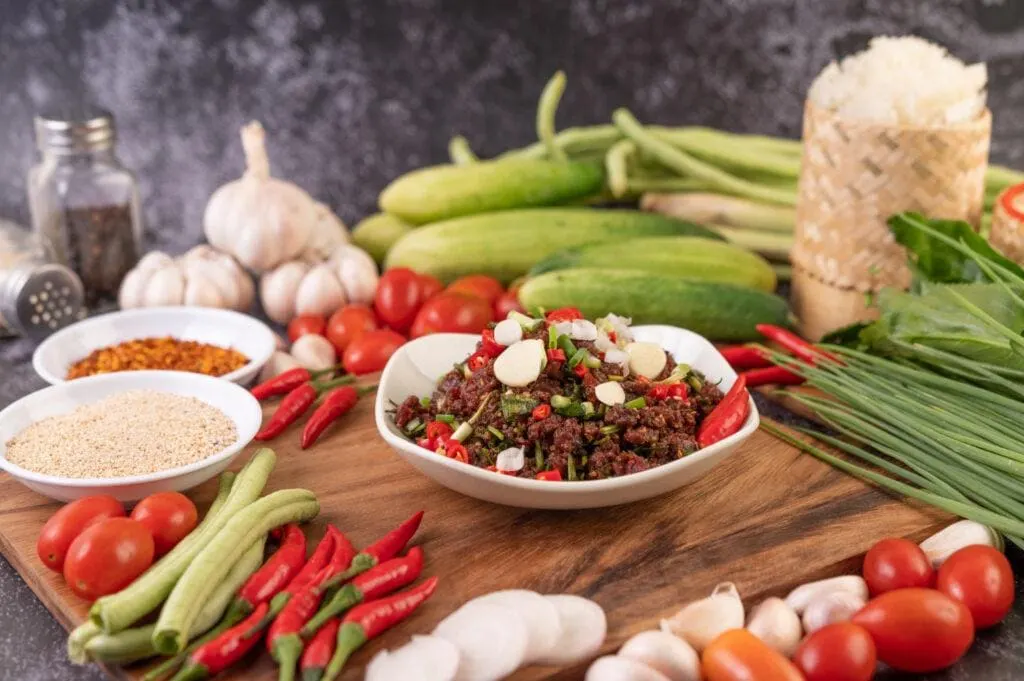
During recovery, avoid fish oil, ginger, saffron, ginseng, ginger duck stew, black wood ear fungus, hawthorn, royal jelly, aspirin, ginkgo, and Antrodia cinnamomea and other blood-activating foods and medications, which may raise the risk of bleeding, hematoma, and inflammation at the wounds after breast augmentation. High-fat foods may cause weight gain, making the breasts heavier and affecting the surgical result. Also cut back on overly spicy or irritating foods (for example raw ginger, chili peppers, garlic, chives, pepper, tobacco, and alcohol), which helps improve post-op swelling. After one month, dietary restrictions can be gradually relaxed.
Should You Massage After Breast Augmentation?
In general, we recommend starting massage after the wounds have healed. Massage mainly helps soften the breast tissue, improves blood circulation in the breast tissue, and restores the natural feel and softness of the breasts. When an implant enters the body, the immune system forms capsule tissue around it; if the breast is not moved appropriately, the capsule keeps thickening, and capsular contracture occurs in roughly 10-30% of cases
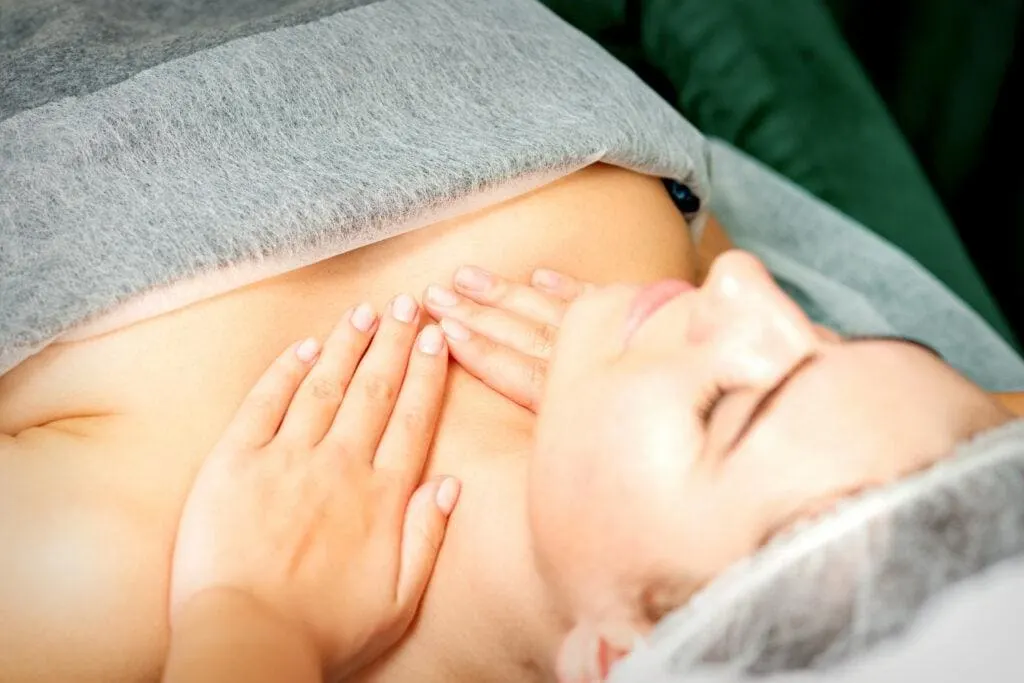
NAISS CLINIC's physicians explain that, with advances in implant technology, today's outer shell designs have brought the rate of capsular contracture down to a minimum, so massage after breast augmentation is now a relaxing, maintenance-type massage. If you want deeper cleavage, push the breasts inward and hold for 5 to 10 minutes; if you want a fuller upper-chest look, lift the breasts upward and hold for 5 to 10 minutes. You can do the whole maintenance massage yourself, with no help from anyone else.
4 Massage Techniques (10-15 Minutes a Day)
- Inward push: Push from the lower edge of the implant at the side of the armpit toward the center of the chest.
- Outward push: Push the lower edge of the implant at the center of the chest out to both sides of the armpits.
- Cross-shaped massage: Place the side of your palm in the middle of the chest and push the implant up, down, left, and right in four directions, tracing a cross.
- Asterisk-shaped massage: Centered on the nipple, use the side of your palm to push the implant in eight directions, tracing an asterisk shape.
"Breast Augmentation Massage Guide": Everything You Need to Know About Breast Augmentation
Precautions After Breast Augmentation
1. When Can You Shower?
In general, avoid getting the wounds wet for the first week after breast augmentation. If you need to wash, we recommend a sponge bath at first. If the wounds are healing well, you can shower, but cover the wounds with waterproof tape. Clean your body with mild soap and wipe the surgical area gently so as not to interfere with healing. As for washing your hair, raising your arms over your head may cause wound pain or discomfort, so we recommend having someone else wash your hair for the first week after surgery.
2. How Long Should You Wear the Post-Op Bra?
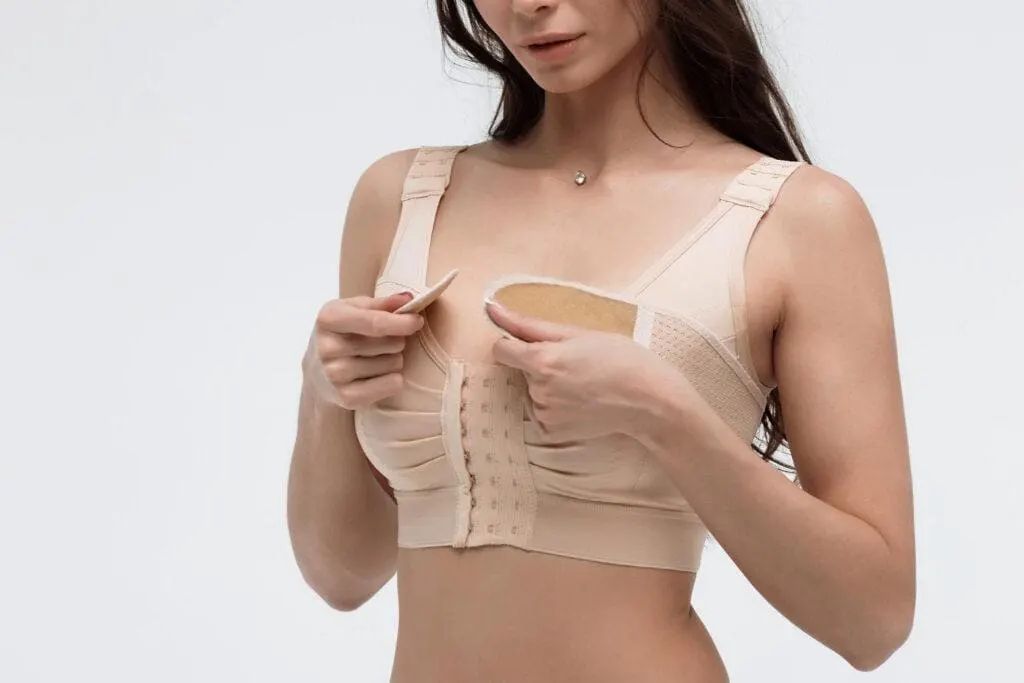
A post-op bra supports and holds the implants in position after breast augmentation, preventing the implants from shifting and swelling. We generally recommend wearing it for at least 1-2 months, taking it off only to bathe. However, recovery varies from person to person, so follow your doctor's instructions on exactly how long to wear it. You can wear an underwire bra after about 3-6 months. We recommend not choosing "push-up" bras; prioritize a moderate cup size and wider straps, which can better support the breasts and maintain their shape
3. How Often Should You Return for Follow-Ups?
For breast augmentation at NAISS CLINIC, we recommend returning daily during the first week after surgery for a free anti-inflammatory IV drip. Professional nurses will also change the dressings and clean the wounds, speeding up wound recovery and shortening recovery time after breast augmentation.
4. What Should You Know Before and After Breast Augmentation?
Before Surgery
- If you choose an armpit incision, the underarm hair must be shaved first
- The surgery is done under general anesthesia, so fast for 8 hours before surgery
- If you are taking anticoagulant medication, stop it 2 weeks before surgery to avoid bleeding
After Surgery
- Keep the wounds dry
- If you have a drainage tube, take care not to pull or kink it during activity, and keep the line clear
- Do not move your arms too much for three days after surgery
- For one week to one month after surgery, avoid tobacco, alcohol, reishi, almonds, garlic, chili peppers, and similar foods, which affect blood clotting and can cause bleeding
This article is for general information only. Results vary from person to person; please consult a doctor in person before deciding on any treatment.