Contents
Hot, muggy summer is here again. A short time outdoors and you are drenched in sweat; besides a big wet patch under the arms, the worse part is the smell that comes along with it! Everyone has some body odor, but for some people it is hard to bear, and it may be a case of "underarm odor" (osmidrosis), which seriously affects personal and social life. But did you know that "sweat odor" and "underarm odor" are different? What are the signs of underarm odor, and how can it be improved? Keep reading to find out!
What Is Underarm Odor?
The human body has 2 types of sweat glands: apocrine glands and eccrine glands. Underarm odor occurs when the apocrine glands are overactive and the fluid they secrete is broken down by bacteria, producing sulfur dioxide and ammonia and giving off a distinctive, pungent smell.
Eccrine glands are spread over the whole body and sweat automatically under body temperature regulation. If not cleaned promptly, the sweat broken down by bacteria also gives off an odor, which is commonly known as sweat odor. If the eccrine glands secrete too much fluid, it causes hyperhidrosis, which usually occurs together with underarm odor.
2 Ways to Tell Whether You Have Sweat Odor or Underarm Odor
To tell whether you have ordinary sweat odor or underarm odor, you can use 2 methods:
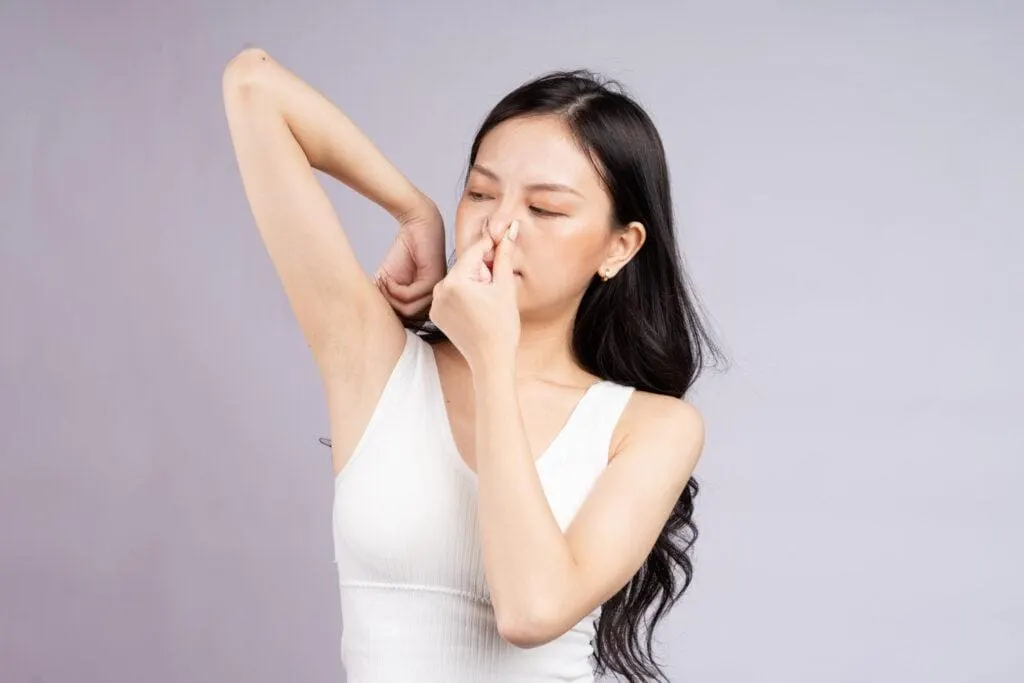
1. Compare the smell of your upper arm and underarm: with sweat odor, the upper arm and underarm smell about the same; with underarm odor, the two smell clearly different.
2. Underarm odor is caused by the oils secreted by the apocrine glands, so if your clothes show yellow stains, it is basically caused by underarm odor.
The Trait Shared by 98% of People with Underarm Odor
Underarm odor is mostly hereditary. If only one parent has underarm odor, the child's chance of having it is about 50%; if both parents have it, the chance is as high as 80%! Besides that, it is easy to find out whether you have underarm odor: you can tell from your earwax!
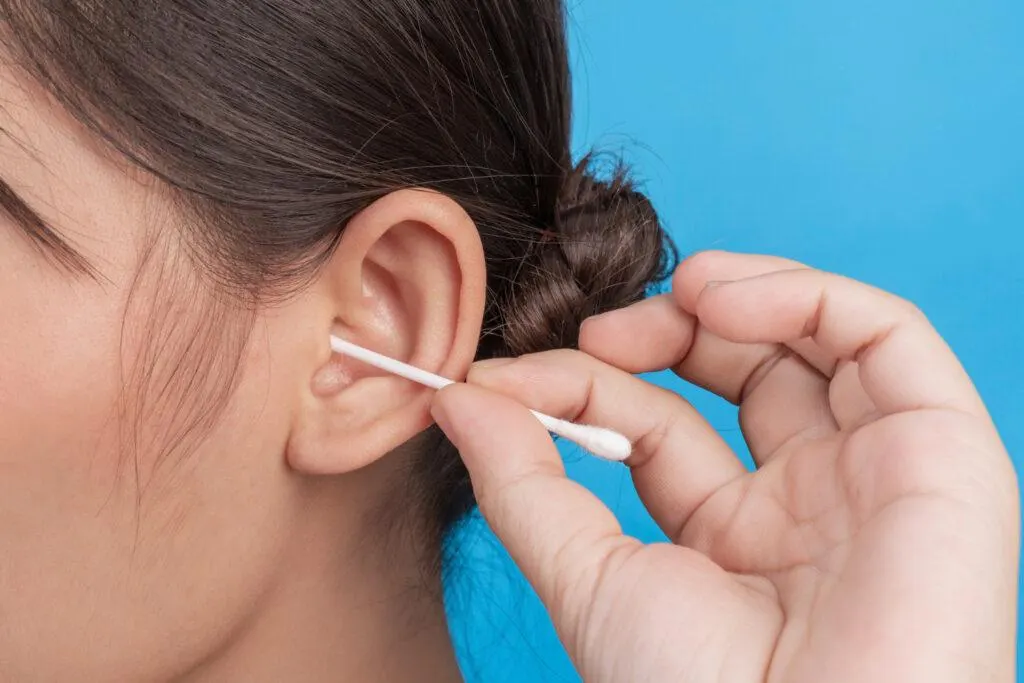
A study in Japan found that 98% of people with underarm odor have wet, sticky earwax. You can check for yourself whether you have wet, sticky earwax. If you do, there is no need to panic, but we recommend seeking help early.
Besides wet, sticky earwax, other signs of underarm odor include a strong smell, excessive sweating, and damp underarms. Although underarm odor does no harm to the body, the smell easily bothers others and affects personal image and self-confidence.
1-Minute Self-Check for Your Underarm Odor Level
By severity, underarm odor can be divided into levels 0 to 3:
Level 0: After heavy activity, the body sweats normally and no odor comes from the underarms.
Level 1: After heavy activity, you can smell a slight odor coming from your own underarms.
Level 2: After ordinary daily activity, you can smell a strong odor from your own underarms within 1.5 meters.
Level 3: Even without activity, your underarms give off a strong odor, which can be smelled from more than 1.5 meters away.

Level 1 can be improved by changing lifestyle habits or using antiperspirant. For levels 2 and 3, we recommend liposuction surgery for a permanent improvement.
4 Ways to Improve Underarm Odor on Your Own
Can underarm odor be improved without medication? NAISS CLINIC's physicians share 4 effective tips:
1. Keep Clean and Wipe with Wet Wipes More Often

Maintain local hygiene. For example, after sweating from exercise, shower and change into clean clothes as soon as possible, or wipe more often with wet wipes, keeping the skin clean and dry. This prevents sweat from accumulating, reduces the bacteria under the arms, and effectively lowers odor to improve underarm odor.
2. Eat Less Spicy and Irritating Food

A proper diet is also an important way to improve underarm odor. We recommend drinking less alcohol and eating less irritating food such as garlic and chili peppers; excess meat and dairy easily activates the sebaceous glands and apocrine glands. Eat more vegetables, fruit, and light foods to help improve underarm odor.
3. Use Antiperspirant
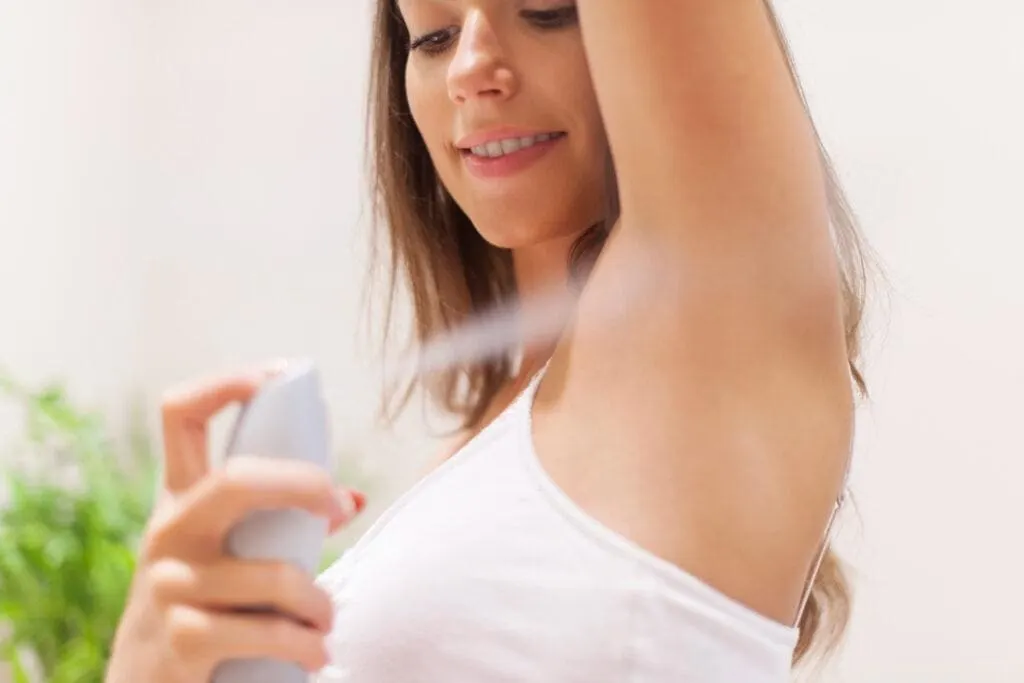
Antiperspirants use aluminum salts to form a gel-like substance that blocks the sweat ducts, reducing sweating. Because they do not directly harm the sympathetic nerves, they are suitable for most people, and proper use helps reduce underarm odor. However, people with allergic constitutions or folliculitis are advised not to use them, to avoid skin irritation.
4. Shave Underarm Hair
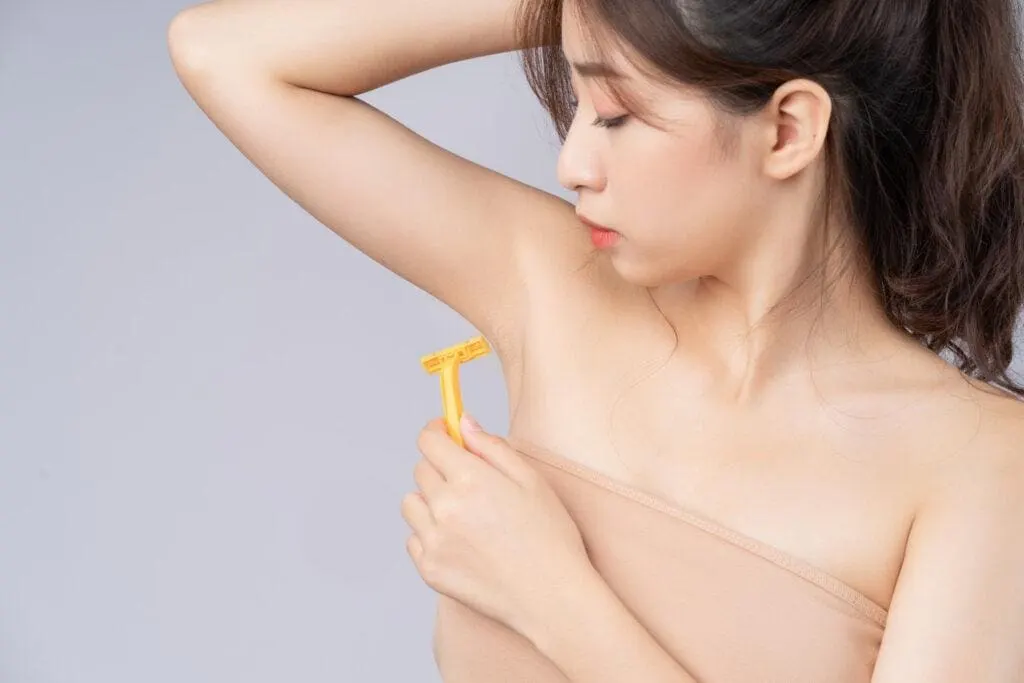
Regularly shaving underarm hair keeps the underarms clean, prevents sweat and bacteria from clinging, and helps reduce odor and improve underarm odor.
Solving Underarm Odor Once and for All
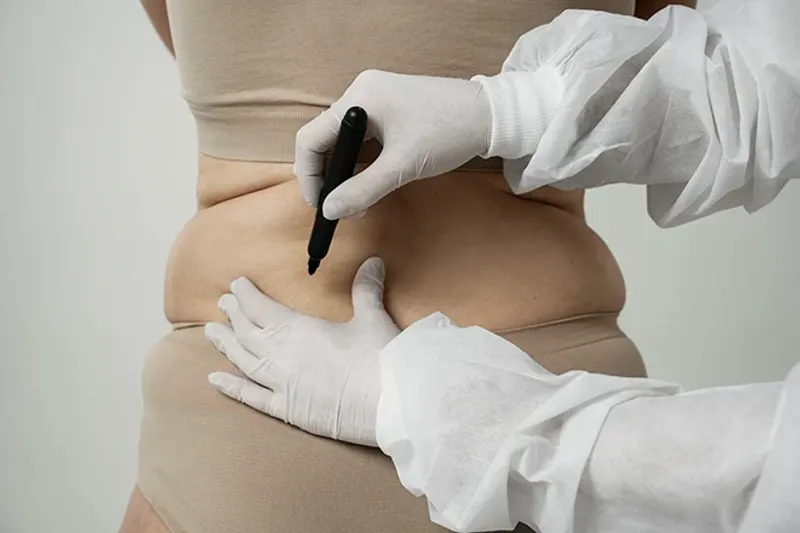
If the methods above still do not effectively improve underarm odor, you can consider liposuction surgery to improve it. By removing the subcutaneous fat and apocrine glands that cause underarm odor, the problem can be solved at its root.
Botox injections can also effectively treat underarm odor, but they must be repeated every six months, and after a few rounds the cost already exceeds that of surgery. If you want to improve underarm odor thoroughly, we still recommend surgery.
Surgical Treatment for Underarm Odor
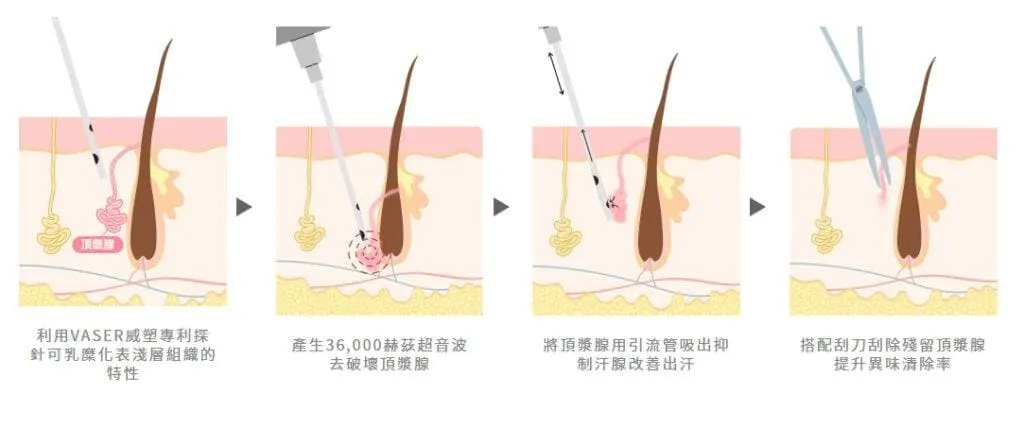
The apocrine glands in the underarms are wrapped in fat, so VASER liposuction is used to remove the fat. VASER uses a titanium probe, the metal most compatible with the human body, to emit ultrasound that emulsifies the fat cells, which are then suctioned out through a drainage tube. Finally, a curette is used to scrape away any remaining apocrine glands, making sure they are cleared completely. The liposuction incision is only 0.5 cm, and the process protects the integrity of nerves, blood vessels, and connective tissue.
Results of Surgical Treatment
Compared with Botox, which must be repeated, and laser, which requires multiple sessions, surgery for underarm odor is a once-and-for-all approach. Not only are the results excellent, but the operation takes under 1 hour, and with small incisions and a short recovery, you can resume daily life the day after treatment. Quality of life and social life after surgery both improve significantly.
Who Is a Good Candidate for Surgery
Underarm odor surgery is especially suited to people with hereditary underarm odor, people whose underarms sweat often with a bothersome odor, and people who normally rely on antiperspirant to control the smell.
Risks of Surgery
Any surgery carries certain risks, and infection, pain, bleeding, and other problems may occur afterward. Be sure to choose a qualified, legitimate medical facility and an experienced surgeon, which can greatly reduce surgical risks and complications.
Precautions Before Surgery
1. For 2 weeks before surgery, do not take aspirin-type or anticoagulant medications, including vitamin E, to avoid hematoma or heavy bruising.
2. For 2 weeks before surgery, do not smoke, to avoid blood vessel constriction and slower blood flow.
3. Before surgery, tell your doctor your detailed allergy history, medical history, and the medications you currently take.
4. On the day of surgery, avoid wearing valuable items, metal accessories, and contact lenses.
Aftercare Following Surgery
1. Although you can resume your daily routine after surgery, we recommend resting for a few days after liposuction and avoiding excessive activity.
2. For the first 3 days after surgery, use sponge baths; after that you can shower. Keep the wounds dry, gently clean them with saline, then apply ointment.
3. Because of the wounds in the underarms, some shoulder movement must be limited: avoid raising your hands above your shoulders and avoid gripping overhead bus straps. Other activities such as eating, washing your face, and typing are not restricted.
4. Wear a compression garment for 1 month after surgery to help reduce swelling, and avoid carrying heavy objects during this time.
5. Wound healing takes about 2 weeks. After the stitches are removed, keep massaging to reduce scarring and tightness.
When it comes to underarm odor, both prevention and treatment are important. Improving hygiene habits, eating properly, and using antiperspirant can all mildly improve underarm odor. If it seriously affects your quality of life, we recommend liposuction surgery to solve the problem at its root. Before undergoing surgery for underarm odor, also be sure to understand the surgical risks and aftercare, and choose a legitimate medical facility and an experienced doctor to achieve the best results.
This article is for general information only. Results vary from person to person; please consult a doctor in person before deciding on any treatment.