Contents
- How Does Liposuction Work?
- The Liposuction Procedure
- 5 Possible Causes of Death, 6 Complications, and 3 After-Effects of Liposuction
- Is the Death Rate from Liposuction High? These Are the Key Factors
- How Can You Lower the Risks of Liposuction?
- Can Full-Body Liposuction Be Done at Once?
- Aftercare After Liposuction
- Will Skin Sag After Liposuction?
Liposuction has become an increasingly popular cosmetic surgery that removes stubborn fat that is hard to lose through exercise or dieting and creates your ideal body contours. However, liposuction also carries certain risks and complications. This article tells you what to do to lower the risks of liposuction!
How Does Liposuction Work?
During human growth, the number of fat cells stops increasing after adulthood. Although the number stays fixed, the cells can still grow in size, accumulating in the superficial and deep fat layers of the body.
Liposuction is a surgical procedure, also known as lipoplasty or fat suction surgery, whose main purpose is to remove excess fat tissue from specific areas of the body. Using aesthetic medicine devices, stubborn fat cells are broken down and then suctioned out, shaping the body and improving its curves.
From birth, the body's fat begins to multiply until puberty. After that, the number of fat cells no longer increases, only their size, and they are stored in every corner of our body. There is also a distinction between "superficial fat" and "deep fat." Deep fat is more prone to becoming enlarged, in areas such as the abdomen, flanks, buttocks, and thighs, and is very hard to shrink through diet and exercise, while liposuction is a fast way to remove this excess fat.
What people usually call weight loss shrinks the fat cells to make body contours firmer, but it cannot reduce the number of fat cells, while liposuction can quickly remove excess flab, especially in areas that are hard to slim through exercise and diet control. After liposuction reduces the fat cells, their number no longer increases, so the chance of regaining weight is not high. We recommend combining liposuction with weight loss for better results.
The Liposuction Procedure
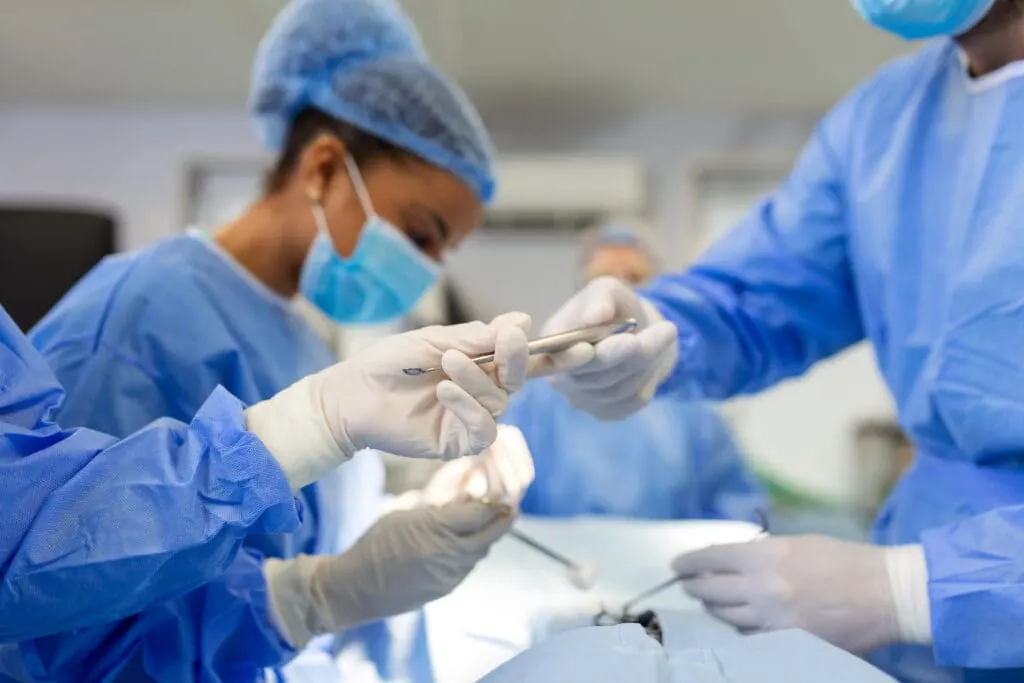
Before looking at the possible risks of liposuction, let's walk through the procedure:
1. Physical Exam and Evaluation
Before surgery, the doctor first evaluates your health to decide whether you are suitable for liposuction. If you have any health problems, such as high blood pressure, heart disease, or diabetes, a thorough physical exam is required to confirm that all values are within a safe range before liposuction can be performed. You will also be checked for anesthesia allergy, anemia, and clotting disorders to prevent anesthesia risks. If your health is not suitable, other treatment methods should be considered.
2. No Smoking, Alcohol, or Anticoagulant Medications Before Surgery
Before liposuction, certain medications and foods must be avoided to reduce surgical risk. Anticoagulant medications such as aspirin and NSAIDs may increase the risk of bleeding during surgery.
As for food, avoid high-fat, high-sugar, and high-salt foods, which may increase the body's sensitivity to anesthetic drugs. You must also avoid alcohol and smoking, which affect the immune system and recovery ability and raise the risk of postoperative complications.
3. Discussing the Surgical Plan and Marking
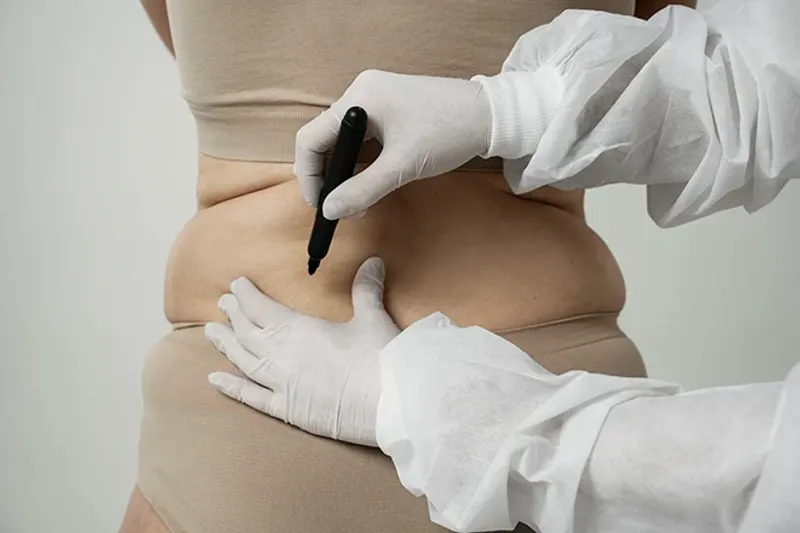
Once you decide to have liposuction, the doctor will discuss the surgical plan with you, confirm the areas of fat to remove and the extent of surgery, and mark your body so the liposuction areas are precise. The doctor will also explain the risks and complications of liposuction and the expected results.
4. The Liposuction Procedure
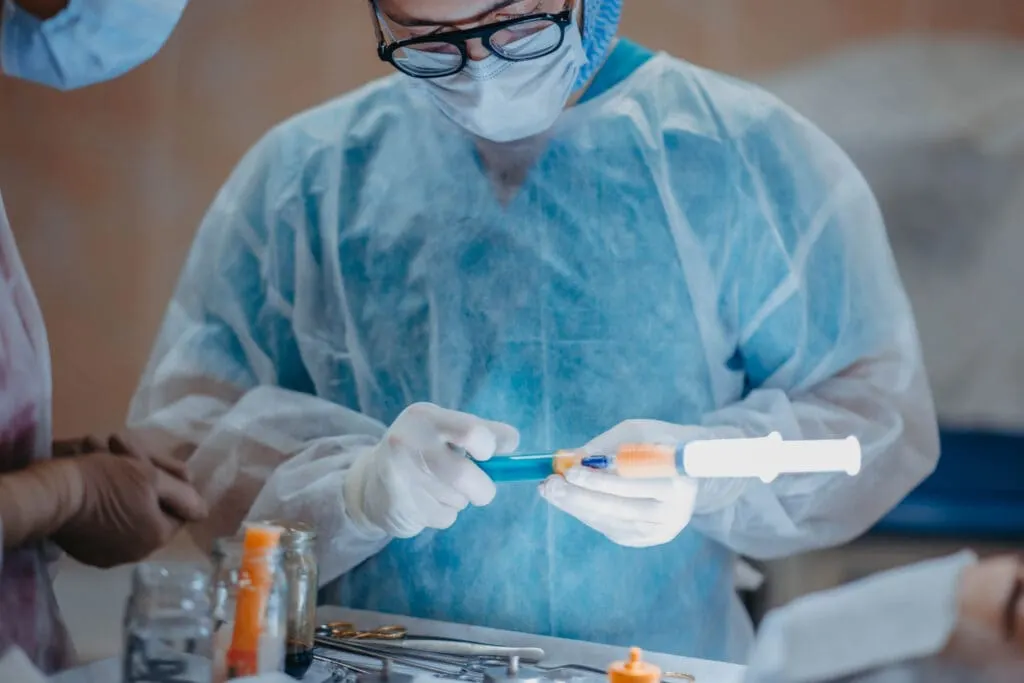
Liposuction requires a minimally invasive incision of about 0.3 cm. A titanium probe is inserted to emit ultrasound that emulsifies the fat cells, which are then suctioned out through a patented drainage tube. The process causes no tearing and does not damage the surrounding blood vessels, nerves, and connective tissue, effectively reducing bleeding, bruising, and pain.
5. Suturing and Post-Op Recovery
After the liposuction is complete, the doctor sutures the incisions to prevent blood and tissue fluid from leaking out. This requires great care and professionalism: besides reducing skin tension and lowering the chance of scarring, it also speeds up wound healing. NAISS CLINIC has invested heavily to recruit professional plastic surgeons from National Taiwan University Hospital, MacKay Memorial Hospital, Veterans General Hospital, and other institutions to perform surgery, so surgical quality is assured.
A compression garment must be worn after liposuction, which reduces swelling and pain, promotes blood and lymphatic circulation, and speeds up wound healing, helping the wounds and the surrounding tissue and skin return to normal.
5 Possible Causes of Death, 6 Complications, and 3 After-Effects of Liposuction
According to research from the American Society for Aesthetic Plastic Surgery (ASAPS), the rate of liposuction complications is about 0.25% and the mortality rate is 0.002%. The most serious complication, fat embolism syndrome (FES), has a mortality rate of over 50%, but its incidence is below 1 in 10,000.
5 Causes of Death
6 Complications
3 After-Effects
Is the Death Rate from Liposuction High? These Are the Key Factors
1. Fat Embolism
"Fat embolism" (Fat embolism syndrome, FES) has a mortality rate of over 50%, but its incidence is below 1 in 10,000
2. Anesthesia Risk
With "general anesthesia," the mortality rate is about 1 in 1,000, a risk between that of ordinary surgery and natural childbirth
With "local anesthesia," the mortality rate drops to about 1 in 30,000, far lower than the risk of natural childbirth
In fact, for healthy adults undergoing routine surgery, as long as basic screening such as a chest X-ray, ECG, and kidney function tests is done to make sure the body is fit for surgery, the anesthesia risk is very low
How Can You Lower the Risks of Liposuction?
To lower surgical risk, the most fundamental approach is to find an experienced plastic surgeon and an aesthetic medicine clinic with professional equipment. NAISS CLINIC has a professional team of plastic surgeons with over 10 years of experience who can plan the most suitable approach for each client's goals.

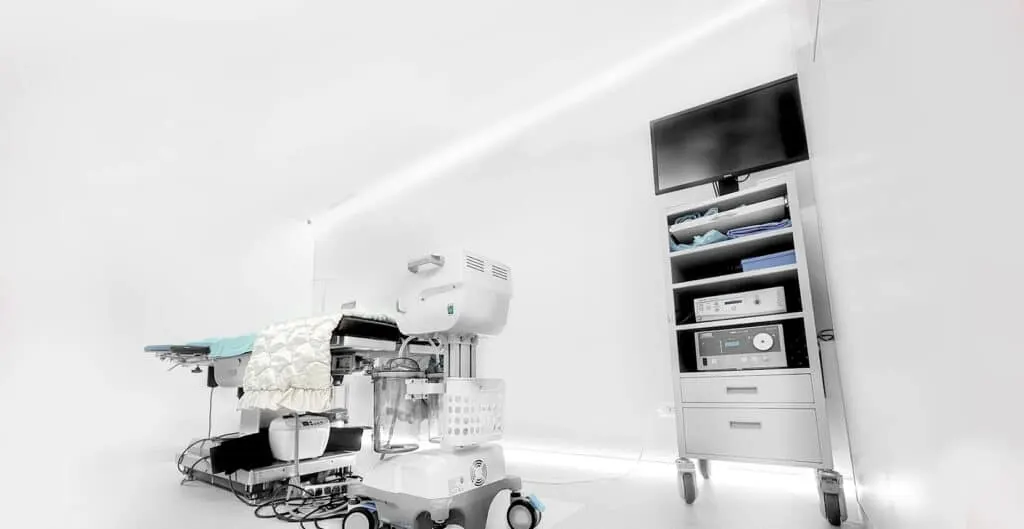
For any procedure requiring anesthesia at NAISS CLINIC, a licensed anesthesiologist is present throughout to lower anesthesia risk. NAISS CLINIC also uses advanced hospital-grade equipment, an air shower room, and a third-party-certified cleanroom operating room, ensuring surgery is performed in a safe, sterile environment and lowering the chance of infection afterward.
Beyond equipment, NAISS CLINIC also offers a five-star post-op care system that addresses scarring, the concern most people have about surgery. After surgery you can return for scar-reducing injections, pigment-lightening laser, and photon repair device treatments to help reduce swelling and speed recovery, and dedicated staff provide one year of post-op follow-up, so quality is assured.
Although liposuction is already a safe and fast cosmetic surgery, it does carry certain risks and complications. Before liposuction, we recommend a thorough evaluation and physical exam, telling your doctor your medical history and whether you have an allergic constitution and other relevant information, and following your doctor's advice on recovery and care afterward, to minimize the risks and complications of surgery and achieve ideal body contours.
Can Full-Body Liposuction Be Done at Once?
Yes! Large-volume liposuction refers to removing more than 5,000 cc, and mega-volume liposuction to more than 8,000 cc. The normal amount for most people is at most about 4,000-5,000 cc, but excessive liposuction can cause heavy blood loss, imbalance in the body's water and electrolytes, and abnormal blood pressure. Taiwan's Ministry of Health and Welfare therefore stipulates that the total amount of fat removed in a single session should not exceed 5,000 cc, to avoid raising the risk of related complications!
Can All the Body's Fat Be Removed at Once?
It is actually not recommended! Fat still has functions, such as protecting the skin and regulating body temperature. Also, if all of it is removed, the muscle lines of the lower body become extremely obvious and can even feel very tight. So more fat removed is not better; discuss it with a qualified doctor before surgery!
Aftercare After Liposuction
- Cover the incisions (about 0.2-1 cm) with waterproof tape and keep them dry
- Wear a compression garment to apply pressure and reduce bleeding, pain, and fluid buildup; we recommend wearing it for 3-6 months
- Smoking (including secondhand smoke), alcohol, betel nut, chili peppers, and coffee are not recommended
- Avoid lifting heavy objects and strenuous exercise after surgery. After large-area liposuction, rest for two to three days to avoid post-op bleeding
- When resting at home after surgery, reduce standing for long periods and walking around, and keep the treated area elevated as much as possible to reduce swelling and avoid dizziness
Will Skin Sag After Liposuction?
Usually not! Sagging is related to age, skin elasticity, collagen, and so on. Young people have more collagen and firmer skin and are less likely to sag after surgery, while older people are more likely to. We recommend discussing this with your doctor before surgery and choosing a suitable liposuction device (for example, one advantage of VASER liposuction is that the skin does not sag after treatment), or considering Renuvion or a lift procedure to help firm the skin
This article is for general information only. Results vary from person to person; please consult a doctor in person before deciding on any treatment.