Contents
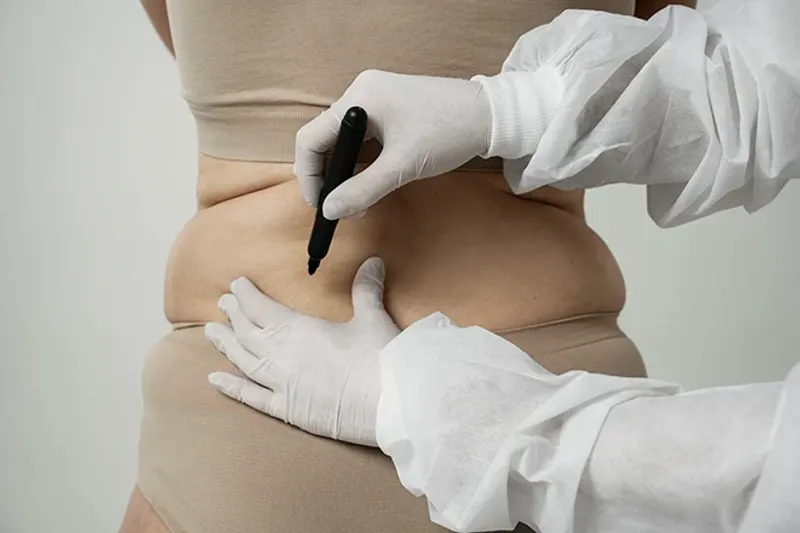
Besides improving your body shape, liposuction can boost your confidence, and it has become increasingly popular in recent years! Fat tends to build up in the abdomen, waist, buttocks, thighs, arms, chin, and similar areas. The fastest way to reach your ideal curves is liposuction, because these stubborn fat deposits are often harder to get rid of through diet and exercise than fat elsewhere, and they can leave people feeling self-conscious about their figure. Liposuction can effectively remove stubborn fat and sculpt a more flattering body contour.
Liposuction is suitable for people who have tried fasting, dieting, exercise, and other weight-loss methods but still cannot get rid of localized fat in the abdomen, buttocks, thighs, arms, chin, and other areas. However, liposuction is not a weight-loss surgery, and if you have any one of the following characteristics, you are not a suitable candidate for it.
Am I a Good Candidate for Liposuction? 3 Key Criteria at a Glance
1. Are Your BMI and Weight Status Suitable?
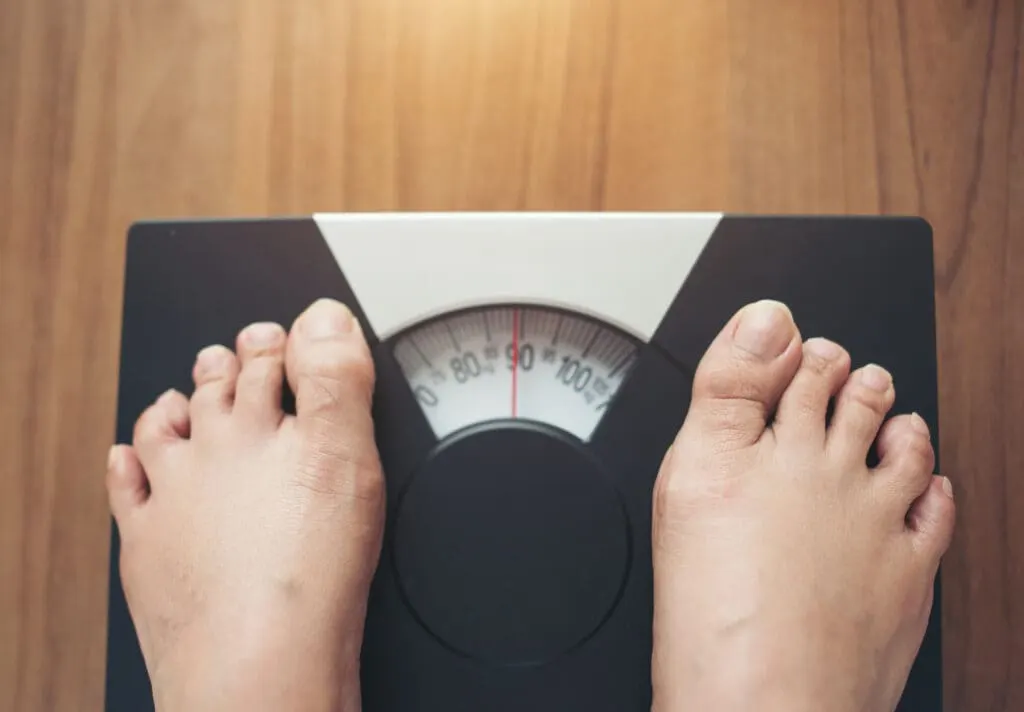
Whether you are a good candidate for liposuction depends on your BMI and weight status. In general, people with a BMI between 18.5 and 24.9 are better candidates for liposuction. If your BMI is over 30, liposuction cannot be performed, because it may pose health risks. We recommend first bringing your BMI below 30 through exercise and a controlled diet, and then considering liposuction.
2. Is the Amount of Fat Accumulation Too High?
Liposuction is most commonly used to remove localized fat that is hard to lose on your own, such as fat in the abdomen, waist, back, buttocks, and thighs. Some people are also particularly bothered by fat in specific areas such as the chin or arms, and these are suitable areas for liposuction as well.
However, please note that if the fat accumulation is excessive, such as in people with fatty liver or lipomas, liposuction is not suitable, in order to avoid risks.
3. Are Your Physical and Mental Health Stable?
Every type of surgery carries a certain amount of risk, so before liposuction your physical and mental health must be assessed for stability, because surgery requires a certain level of physical activity and adaptability. If you have a frail constitution or low stamina, or have conditions such as heart disease or diabetes, a doctor needs to perform a thorough physical examination to determine whether liposuction is suitable for you.
In addition, if you have had other surgery before, we recommend waiting 2-3 months so that your body can fully recover before undergoing liposuction.
Which Areas Can Be Treated with Liposuction?
Waist and Abdomen Liposuction
This includes the upper abdomen, lower abdomen, flanks, and lower back. After excess abdominal fat is removed, the abdomen becomes flatter, and you can also sculpt a defined vest line and six-pack abs.
Thigh and Buttock Liposuction
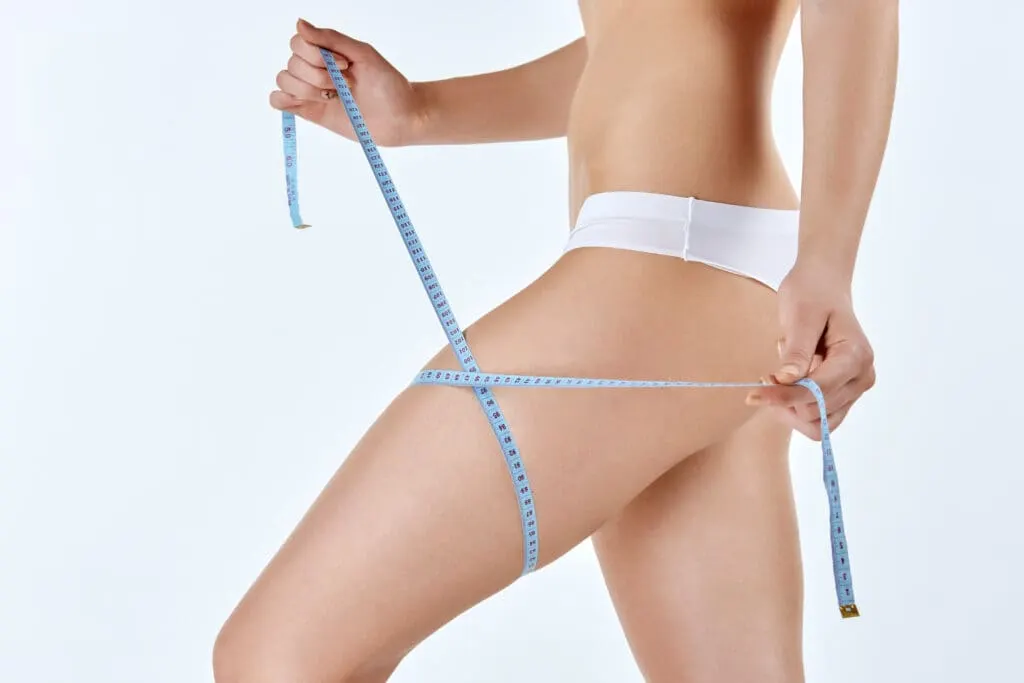
This removes excess fat from the front, inner, outer, and back of the thighs, the back of the calves, the buttocks, and other areas, giving you more balanced body curves.
Arm Liposuction
This removes excess fat from the upper arms and the back of the arms, making the arms slimmer.
Neck and Chin Liposuction
After excess fat is removed from the neck and chin area, it can effectively prevent a double chin from showing and give the neck a longer, more slender line.
Back Liposuction
After excess back fat is removed, the back becomes smoother.
Most importantly, liposuction can only remove excess fat from a localized area and is not a method of weight loss. If you have generalized obesity, you need to lose weight through diet control, exercise, and similar methods first, and then undergo liposuction once your BMI is below 30.
Before deciding to have liposuction, we recommend consulting an experienced plastic surgeon. NAISS CLINIC has invested heavily in recruiting a team of experienced plastic surgeons from National Taiwan University Hospital, Chang Gung Memorial Hospital, Veterans General Hospital, and Mackay Memorial Hospital. Our operating rooms are cleanroom-grade, at the level of a medical center and certified by a third party, so that surgery is performed in a safe, sterile environment and the risk of post-op bacterial infection is reduced.
Who Is a Good Candidate for Liposuction?
- People with localized bulging fat
- People who want to sculpt specific areas of their contour (e.g., vest lines, V-lines)
- People who have seen limited results from lipolysis injections or weight-loss pens
- People with a stable weight
- People with good skin elasticity
Who Is Not a Good Candidate for Liposuction?
- People with heart or lung disease
- People with severe drug allergies
- People with thrombophlebitis
- People with blood clotting disorders
- Pregnant women
- People who are significantly overweight (BMI > 35)
- People with heart disease, diabetes, high blood pressure, abnormal blood clotting, or bleeding disorders
- People with poor skin elasticity (who may develop skin dents or unevenness after surgery)
FAQ
How Long Does Liposuction Take, and How Long Is the Recovery?
Liposuction takes about 1-3 hours. The duration depends on the treatment area, size, and extent, and it will be longer if fat transfer is added. Most people can return to daily life about 1-2 weeks after the procedure, but full recovery takes about 3-6 months.
Is Liposuction Painful? How Big Are the Incisions?
Most people describe the soreness after liposuction as similar to the aches after running a marathon, but everyone's pain tolerance is different, so how much it hurts varies from person to person. The size of the incisions depends on the liposuction method you choose, and is usually around 0.2-1 cm.
Will I Lose Weight After Liposuction?
Liposuction is not the same as weight loss! The purpose of liposuction is body contouring, not weight loss. Liposuction surgically removes subcutaneous fat to reduce fat in a specific area. Weight loss, on the other hand, happens whenever the calories you burn exceed the calories you take in, but during that process you cannot choose where you lose weight from!
Here is a rough rule of thumb from our team: removing about 2,000-3,000 cc of fat is roughly equal to 1-2 kg, so if only 1,000-2,000 cc or so is removed, your weight will not change much. If you are significantly overweight to begin with, we recommend losing weight first before having liposuction.
Will I Regain Weight After Liposuction?
As mentioned above, liposuction is different from weight loss. Liposuction reduces the number of fat cells in the body, and fat cells that have been removed are very unlikely to grow back. However, the remaining fat cells can still get larger, so if you do not eat regularly and exercise after the procedure, and instead overeat, you can still return to your original shape!
How Long Do I Need to Wear a Compression Garment After Liposuction?
Recommendations vary from doctor to doctor, but generally you are advised to wear it 24 hours a day for the first 1-2 weeks after the procedure, and then about 8-12 hours a day after that. You will not need to wear the compression garment all the time until about 3-6 months after the procedure.
This article is for general information only. Results vary from person to person; please consult a doctor in person before deciding on any treatment.