Contents
- Myth 1: Can You Eat Anything During the 8-Hour Window of 16:8 Intermittent Fasting and Still Lose Weight?
- Myth 2: Can Herbal Decoctions Help You Lose Weight?
- Myth 3: Must You Never Eat Starch When Losing Weight?
- Myth 4: Does Skipping Breakfast Help You Lose Weight?
- Myth 5: Do Meal Replacements Help You Lose Weight?
- Myth 6: Can You Lose Weight on a Vegetarian Diet?
Obesity is a struggle most people have faced at some point, and many of us have gone down plenty of fruitless weight-loss paths. To lose weight effectively in a short time, do methods like fasting, meal replacements, and herbal decoctions really work? Many folk weight-loss remedies circulating online not only make weight regain likely but can also lower your basal metabolic rate and immunity! This article rounds up 6 common weight-loss myths in one place, so you do not get fooled again!
Myth 1: Can You Eat Anything During the 8-Hour Window of 16:8 Intermittent Fasting and Still Lose Weight?
Weight loss effect: Not effective!
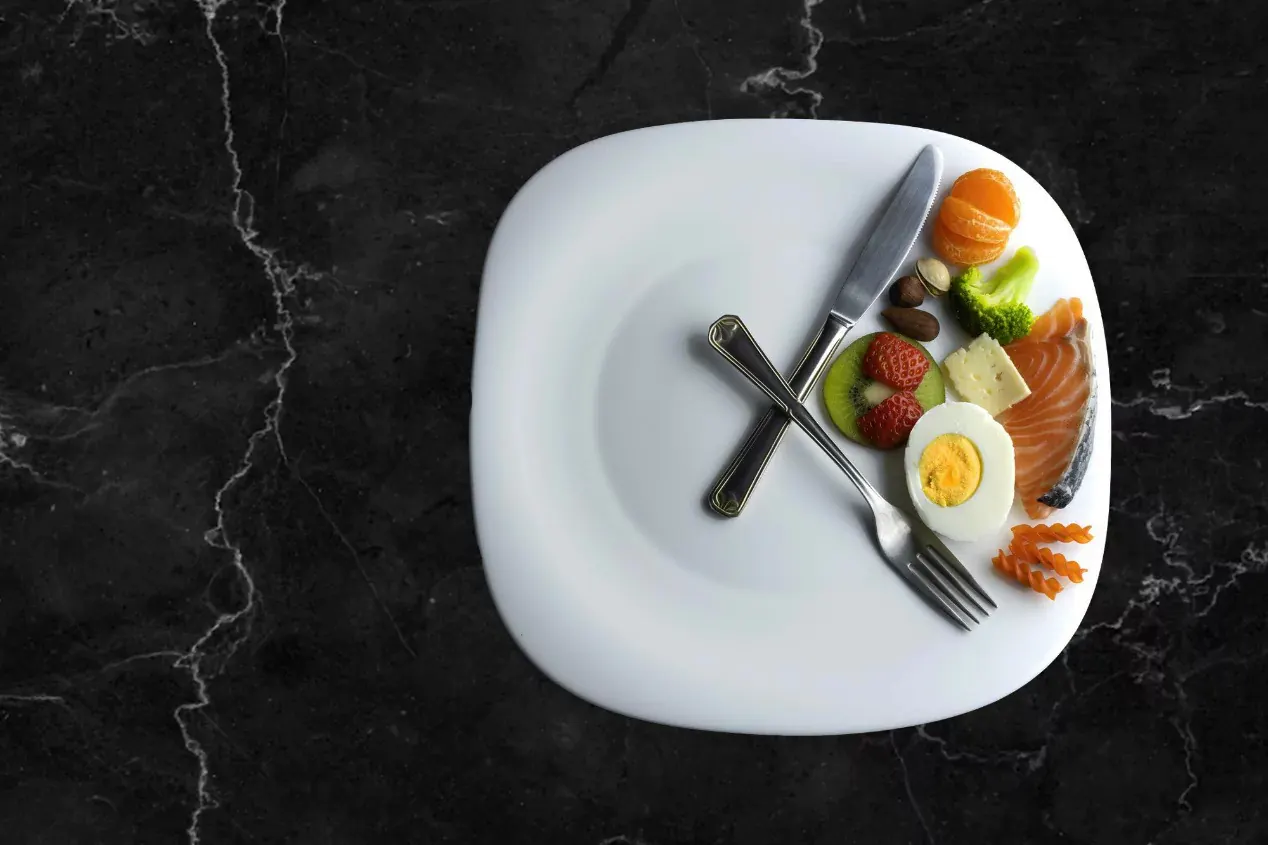
Many dieters are surely familiar with the "16:8 intermittent fasting method," and some even go further, shortening the eating window to 18:6 or 20:4. If you think that after fasting for 16 hours you can eat and drink as much as you like during the 8-hour eating window, that is completely wrong!
The 16:8 intermittent fasting method concentrates food intake within 8 hours to control daily calorie intake. For example, eating 100 kcal of french fries during the eating window gives completely different results from eating 100 kcal of chicken breast. Although the calories are the same, chicken breast is rich in protein, which raises glucagon in the body and helps burn fat, achieving a weight-loss effect, whereas french fries raise insulin, and the fat consumed becomes part of the body, doing nothing to improve your shape.
Myth 2: Can Herbal Decoctions Help You Lose Weight?
Weight loss effect: Not effective!

Many traditional Chinese medicine practitioners now run "weight-loss clinics," claiming you can lose weight easily by taking herbal decoctions. But a close look at the ingredients shows that most are plant extracts that contain no protein, so they cannot help the body burn calories. If you only drink herbal decoctions and do not supplement enough protein, over time you will lose muscle mass, and your basal metabolic rate will keep dropping, so as soon as you return to a normal diet, you will regain the weight!
Myth 3: Must You Never Eat Starch When Losing Weight?
Weight loss effect: Not effective!
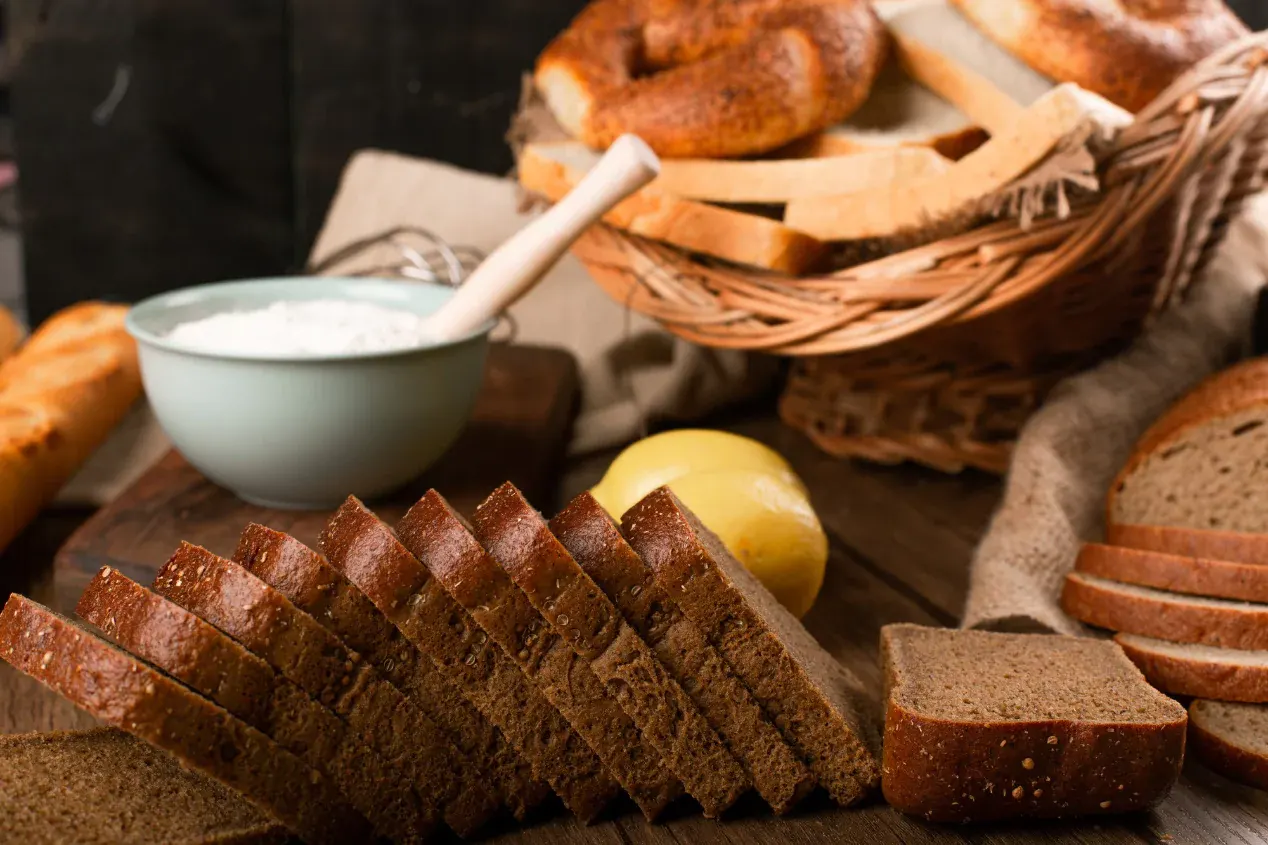
In recent years, no-starch diets have become popular, with people not daring to touch white rice, noodles, bread, sweet potatoes, and so on. But in fact, you should eat starch when losing weight. What matters is whether you are eating the right starch!
Starch is the body's main source of energy. If you eat no starch at all in your three meals, you may not take in enough calories. Although you may lose weight at first, your muscle mass and basal metabolic rate will both drop, and once you return to a normal diet later, you will definitely regain the weight right away.
During weight loss, you need starches from "unrefined whole grains," such as brown rice, corn, pumpkin, sweet potatoes, and whole wheat toast. They are rich in B vitamins, vitamin E, minerals, dietary fiber, and other nutrients that help gut motility, regulate metabolism, and burn fat, so eaten in moderation they are in fact good for weight loss!
Myth 4: Does Skipping Breakfast Help You Lose Weight?
Weight loss effect: Not effective!
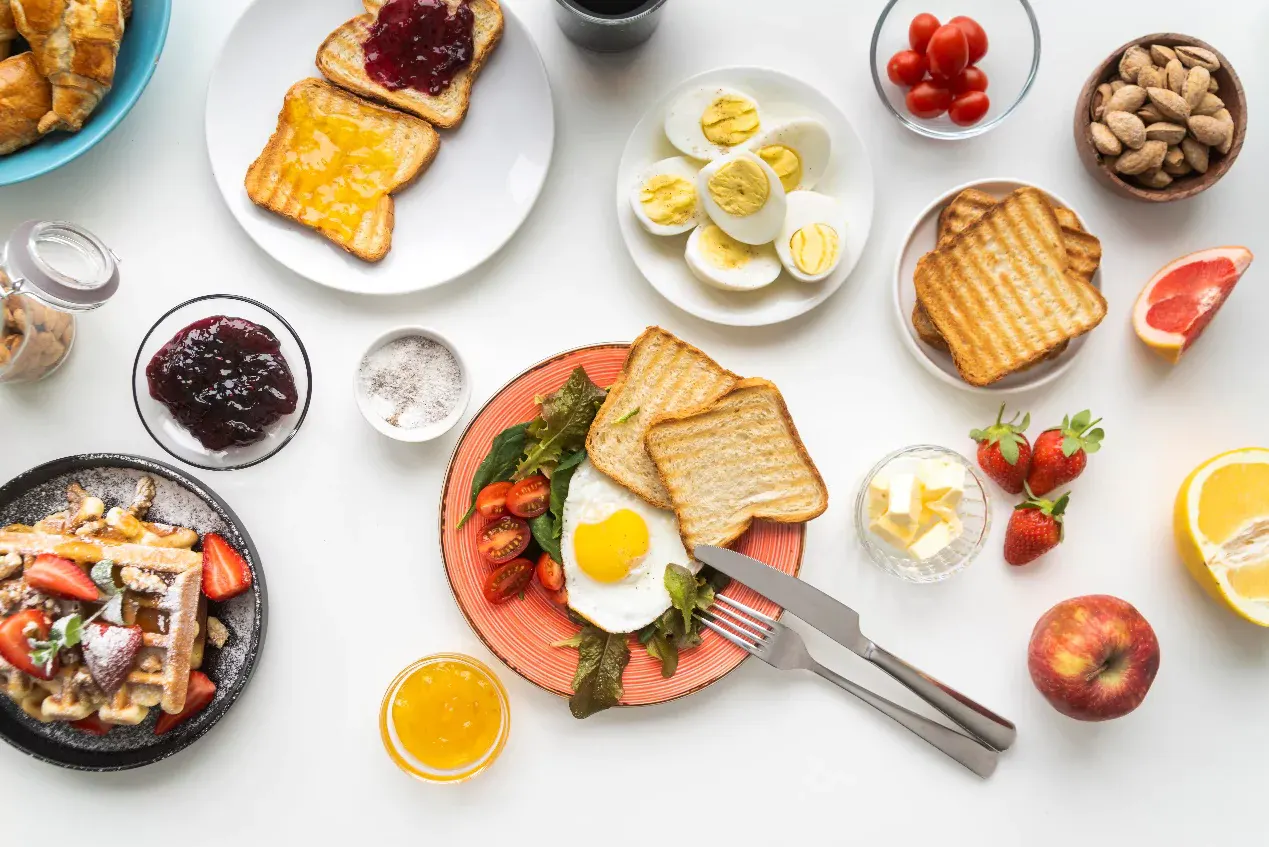
When the body goes without food for a long time, growth hormone rises and insulin falls, which increases hunger. Breakfast is the first meal of the day, and skipping it easily leads to overeating at lunch, which not only causes sharp swings in blood sugar but may also lead to obesity and raise the risk of cardiovascular disease.
We recommend a protein-rich breakfast, such as soy milk, boiled eggs, tea eggs, and chicken breast, or adding protein powder to soy milk to get more protein and help the body burn more calories.
However, although a protein-rich breakfast is important, avoid high-calorie foods such as steak. Steak contains triglycerides and excess fat, which burden the body far more than the protein it supplies, so not only will it fail to help you lose weight, it may even increase the risk of becoming more obese.
Myth 5: Do Meal Replacements Help You Lose Weight?
Weight loss effect: Not effective!
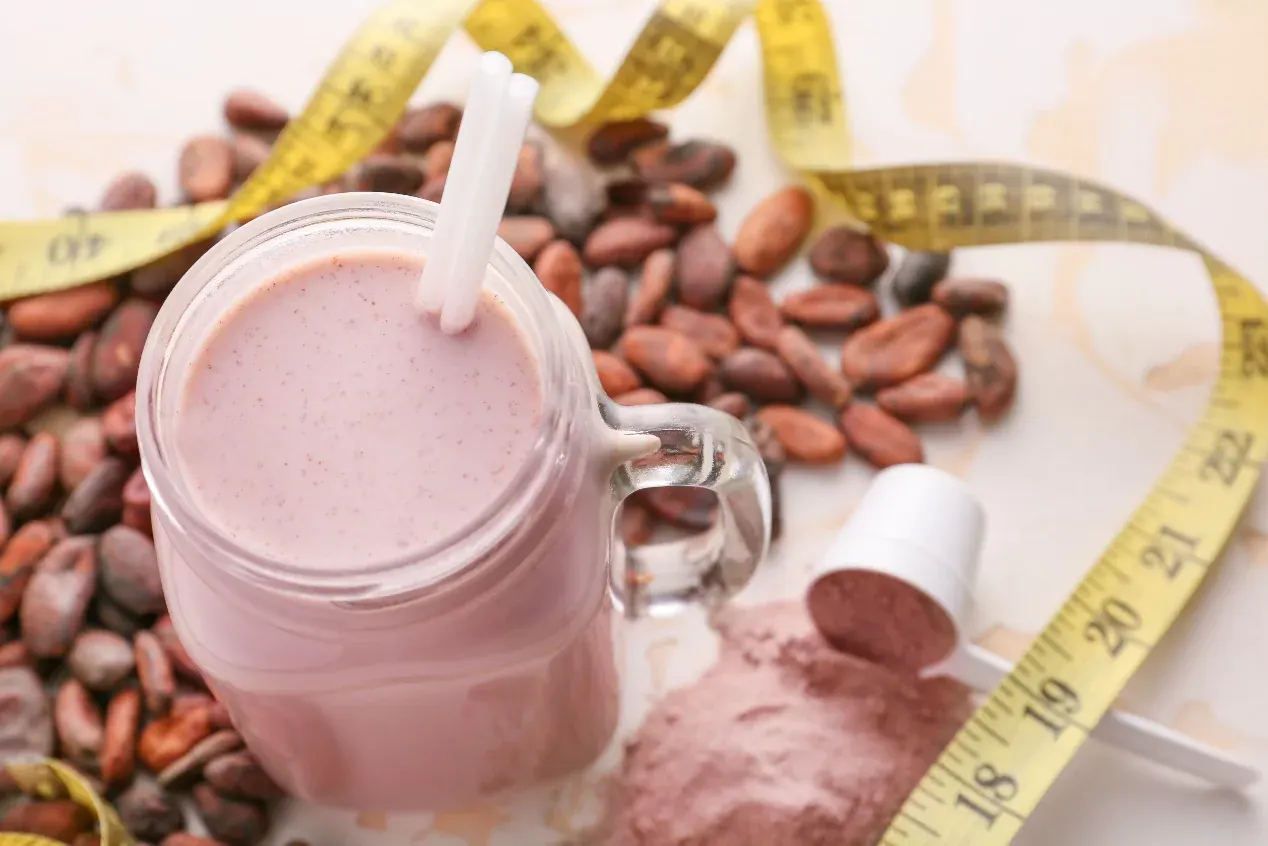
Meal replacements contain various nutrients and high-fiber ingredients, with far fewer calories than a regular meal, and many dieters eat them in place of regular meals to reduce daily calorie intake. However, the nutrition meal replacements provide is not balanced, and long-term use easily leads to malnutrition. They are also relatively expensive, so eating too many not only drains your wallet but also increases the risk of weight regain when you stop.
Myth 6: Can You Lose Weight on a Vegetarian Diet?
Weight loss effect: Not effective!

To make vegetarian dishes taste good, cooks may add too much oil, sugar, salt, and other seasonings, and use deep-frying, pan-frying, sweet-and-sour, and similar cooking methods, so in fact it is easier to gain weight than on a meat-based diet.
Mock meat and vegetarian meatballs are also processed foods and very high in calories. If you want to lose weight on a vegetarian diet, we recommend an ovo-lacto vegetarian diet to supplement protein, eating more dark vegetables and cutting down on seasonings and processed foods, and combining it with regular exercise, in order to get more noticeable slimming results.
Looking at all of the above, the core of weight loss comes down to 3 points:
First is diet control. A balanced diet is very important for the body. Skipping breakfast and starch and relying only on meal replacements cannot lead to successful weight loss; besides causing malnutrition, it lowers your basal metabolic rate and makes the road to weight loss harder and harder.
Second is regular exercise. Doing 3-4 sessions of cardio and weight training per week not only helps burn calories and build muscle but also raises your basal metabolic rate.
Third is eating more protein. Protein is not only the most important nutrient for building muscle but also raises glucagon in the body, helping burn fat and achieve weight loss. Building the right weight-loss mindset is the only truly effective way to avoid regaining weight!
This article is for general information only. Results vary from person to person; please consult a doctor in person before deciding on any treatment.