Contents
Summer is coming, and many people put on their clothes and find they no longer fit! Have you gained weight again? If you want to lose weight quickly, is "liposuction" or "fasting" the first thing you think of? What you need to clarify is whether you want to "lose weight" or "change your body shape." Most body weight is muscle and bone, and fat actually weighs little, so if you want to see a change in the number on the scale, liposuction will not work. Today we will analyze the differences between liposuction and dieting and the principles involved!
Can Liposuction Help You Lose Weight?
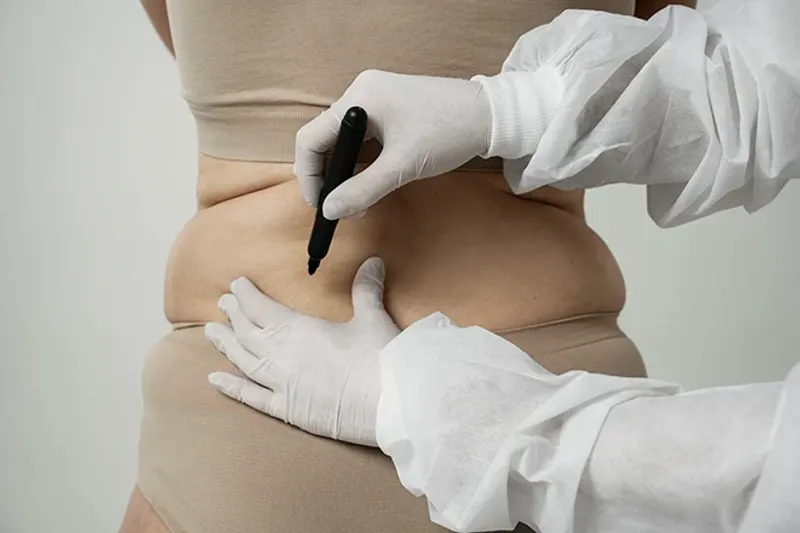
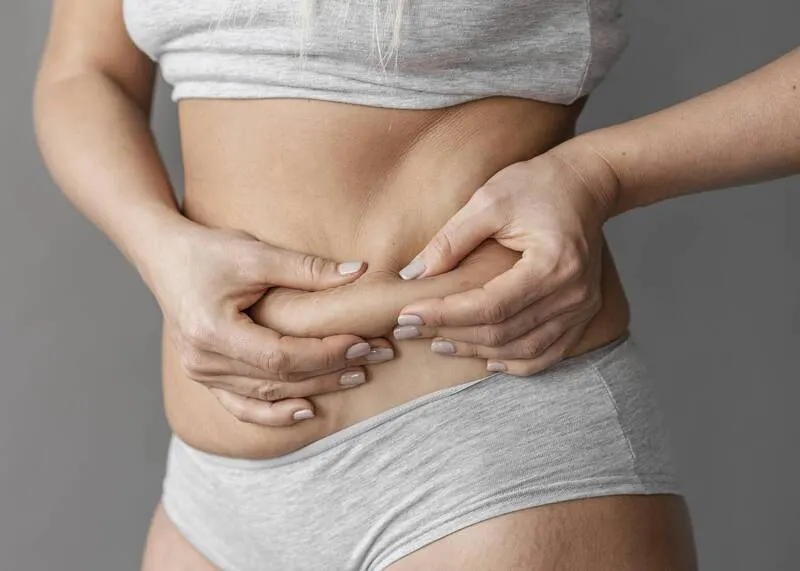
As mentioned in the introduction, losing weight and losing fat are actually two different things! Human skin structure can be divided into a superficial layer and a deep layer. Superficial fat can be improved with lipolysis injections or weight-loss pens, or burned off through exercise. Deep fat tends to enlarge more easily and is harder to eliminate (even strict diet and exercise may not remove it), so it is a good time to choose liposuction to help reduce fat.
Liposuction, as the name suggests, means removing fat, which reshapes the body and is different from ordinary weight loss. Common weight loss methods such as exercise and diet control can shrink fat deposits, but the fat cells themselves are not removed, so the effect is limited and better suited to those who want to maintain a healthy body shape. On the other hand, if you want a better body shape and lines, or want to remove fat from specific areas, you can choose liposuction surgery.
How Does Liposuction Work? Understand the Difference Between Liposuction and Dieting in 7 Minutes!
Fat Weighs Little: How Liposuction Works and How It Differs from Dieting
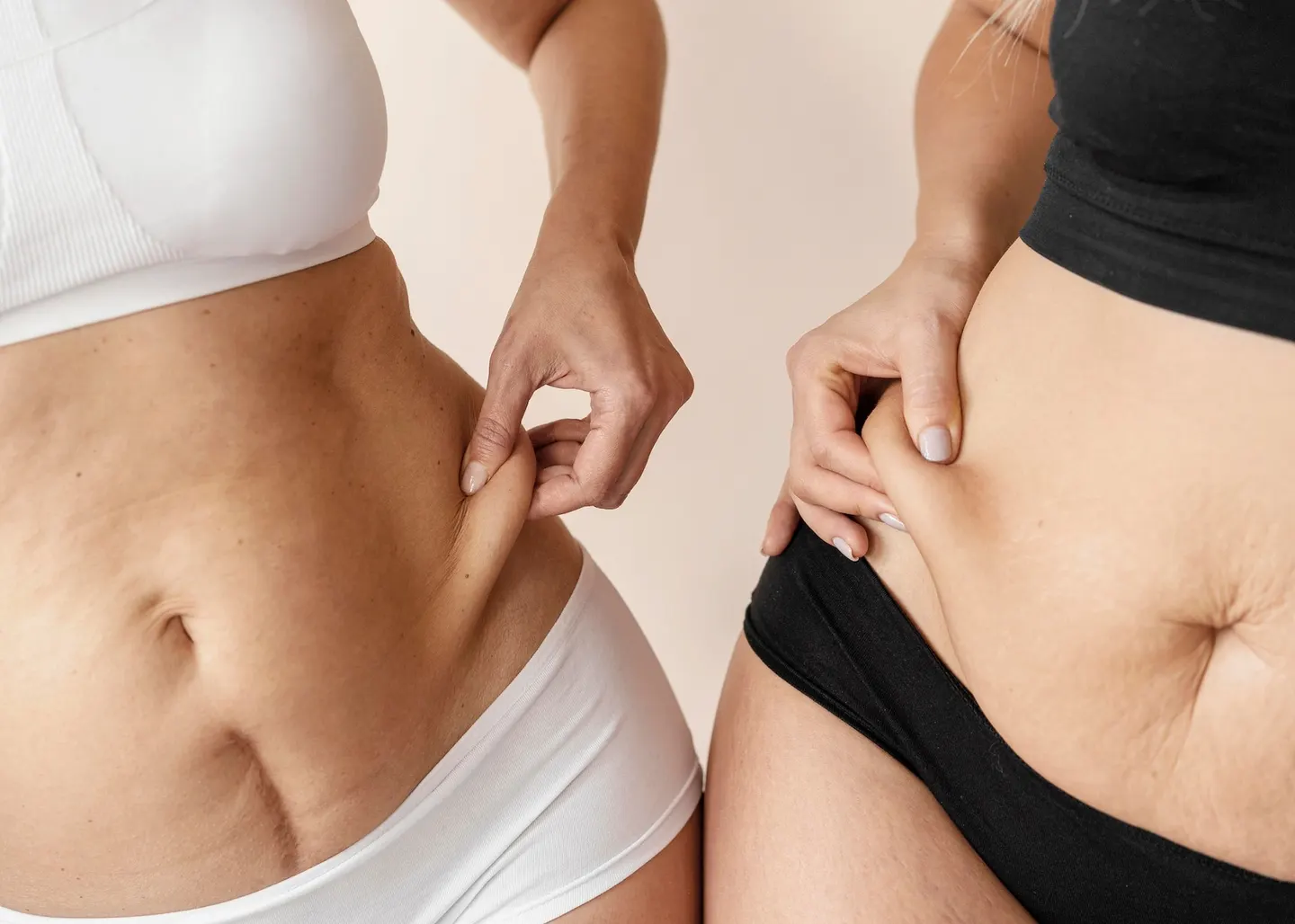
Many of you probably have the same doubt: "I had the fat removed, so how can my weight not change?" In fact, fat cells weigh only about one-third as much as muscle, so removing fat really does not change your weight much. Our editor also wants to tell you that body weight and body shape do not have an absolute relationship, and a low weight does not necessarily mean a beautiful figure! So instead of fixating on the number, put your attention on how to sculpt a better figure. Your mindset will be lighter, and you will get closer to your ideal goal!
Common liposuction areas: arms, abdomen, legs, double chin, and buttocks.
Read This Before Liposuction! What Determines Pain, and Is Liposuction the Same as Dieting?
Three Common Risks of Liposuction
1. Scarring
The wounds from liposuction are tiny, but if they are not carefully dressed and changed after surgery, or not diligently cared for, they may leave scars because of pigmentation.
2. Weight Regain
Many people ask: "I paid for liposuction, so can I still regain weight?" Yes! Liposuction removes fat from the body and reduces the total amount of fat, but it is not a once-and-for-all fix. If you do not control your eating and exercise habits and keep eating and drinking freely, with fried food and sweets, the remaining fat in your body can still grow, creating a risk of weight regain, so if you want to maintain a good figure, we still recommend watching your diet, and you can also add exercise to get twice the result with half the effort!
3. Anesthesia
Liposuction involves general anesthesia, but any type of anesthesia carries risks, such as allergic reactions, low blood pressure, and heart failure, so having an anesthesiologist present during surgery is very important! They can monitor your condition at all times during the procedure to prevent such tragedies, and NAISS CLINIC's operating room is both dust-free and independent, and a professional, licensed anesthesiologist stays with you throughout the procedure, so you can choose NAISS CLINIC with confidence!
Recommended Liposuction: VASER Liposuction
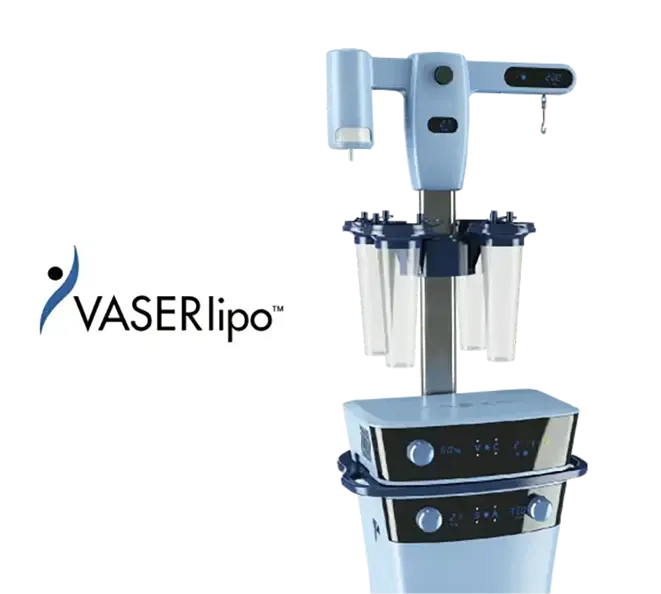
VASER liposuction is the newest device and the one most clinics are bringing in, using a titanium probe that is highly compatible with the human body to release ultrasound that creates hundreds of dense bubbles, breaking large fat clumps into smaller ones, and then a spiral water flow separates the small clumps into distinct individual fat cells.
The process involves no tearing damage or high-heat laser stimulation and does not destroy surrounding blood vessels, nerves, or connective tissue, so it effectively reduces bleeding, bruising, and pain, and keeps the skin around the surgical sites firm rather than sagging.And because the fat removed with VASER liposuction is highly refined and has a high survival rate, it can be grafted to other parts of the body, such as for a slim waist, ab lines, and peach-shaped buttocks, or the six-pack and V-line that men seek, and it can even sculpt male gynecomastia into attractive pectoral muscles! The range of results is very broad.
VASER liposuction can remove both deep and superficial fat, achieving "deep liposuction, superficial fine sculpting" to sculpt body contours more precisely.
VASER liposuction is suitable for: whole-body excess fat, localized fat deposits, those needing repeat liposuction, those needing fat grafting (such as breasts, buttocks, and face), those wanting fine contour sculpting in specific areas, and those for whom lipolysis injections or weight-loss pens have had limited results.
Get to Know VASER Liposuction! Build a V-Line and Ab Lines Through Surgery
Four Major Advantages of VASER Liposuction:
1. Short recovery time and low pain.
2. Many areas can be sculpted.
3. Fat survival rate of up to 80%
4. Skin is less likely to sag after surgery
Common FAQ
1. How long is recovery after surgery?
VASER liposuction causes less damage to the nerves, blood vessels, and connective tissue around the treated area, and recovery after surgery is also faster. Traditional liposuction needs about 3 to 6 months of recovery, while VASER liposuction needs only about 1 month! This greatly shortens recovery time. (Actual recovery varies slightly with individual constitution, lifestyle, and so on.)
If you choose liposuction of a small area, it will not affect your work, and you can go about normal life the next day!For liposuction of a large area, we recommend resting for 2-3 days depending on the situation. Generally you can resume daily life two weeks after surgery and start more intense exercise one month after surgery.
2. How soon will I see results?
Swelling and bruising in the treated area are unavoidable at first. After about 1 month, the treated area is mostly recovered, and the improvement in shape becomes visible.
3. Who should not have liposuction?
Liposuction is not suitable for everyone, so if you fall into any of the following groups, please take extra care!
- 1. Pregnant and breastfeeding women should avoid treatment.
- 2. Patients with a body temperature above 38°C or who are actively bleeding should avoid treatment.
- 3. Patients with abnormal blood pressure, infectious disease, or tuberculosis should avoid treatment.
- 4. People who bruise easily because of abnormal liver function or frequent use of steroid hormones should avoid treatment.
4. Why choose NAISS CLINIC?
Besides professional and experienced doctors, NAISS CLINIC's equipment and standards are among the best, and we provide customers with the highest quality of service. NAISS CLINIC is best known for its professional dust-control room and medical-grade operating rooms.
Before entering the operating room, everyone must first pass through the "air shower room," where strong air blows off hair, dead skin, and dust clinging to the body, which greatly lowers the risk of cross-infection and makes the entire surgery considerably safer. After surgery we also provide a private recovery room, a post-op meal, and a scar-fading care program, so we take care of our patients as well as we possibly can!
5. Why Does the Same Liposuction Method Cost Different Amounts?
Besides choosing the device that suits you, liposuction requires considering many factors such as clinic environment, equipment, and doctor expertise. Using manufacturer-original equipment ensures safety and stability during surgery, and of course the post-op results.
NAISS CLINIC's environment includes a cleanroom, with an independent, comfortable space for every step, which prevents cross-infection that could affect wound recovery. The final key factor is of course the doctor's professional skill. Rather than picking a doctor or clinic that seems cheap and good value, choose a doctor with a professional background, professional skills, and broad experience to perform the surgery. This makes surgery faster and smoother, lets the wound size and incisions be handled properly, and gives you more peace of mind.
All of these are reflected in the price, so we suggest not sacrificing the overall result of your surgery for a lower price!
Does Liposuction Hurt? How Long Does the Pain Last? The 10 Most Common Questions Answered
This article is for general information only. Results vary from person to person; please consult a doctor in person before deciding on any treatment.