Contents
The key to post-procedure skin care is “moisturizing,” but even after you moisturize thoroughly, does something still feel missing? If this sounds like you, try an “inside and out” approach and use “subtractive skincare” for post-procedure care. What exactly are these terms our team mentions? This article explains them. Let's find out what other skincare tips there are besides moisturizing!
Key Points of Post-Procedure Care
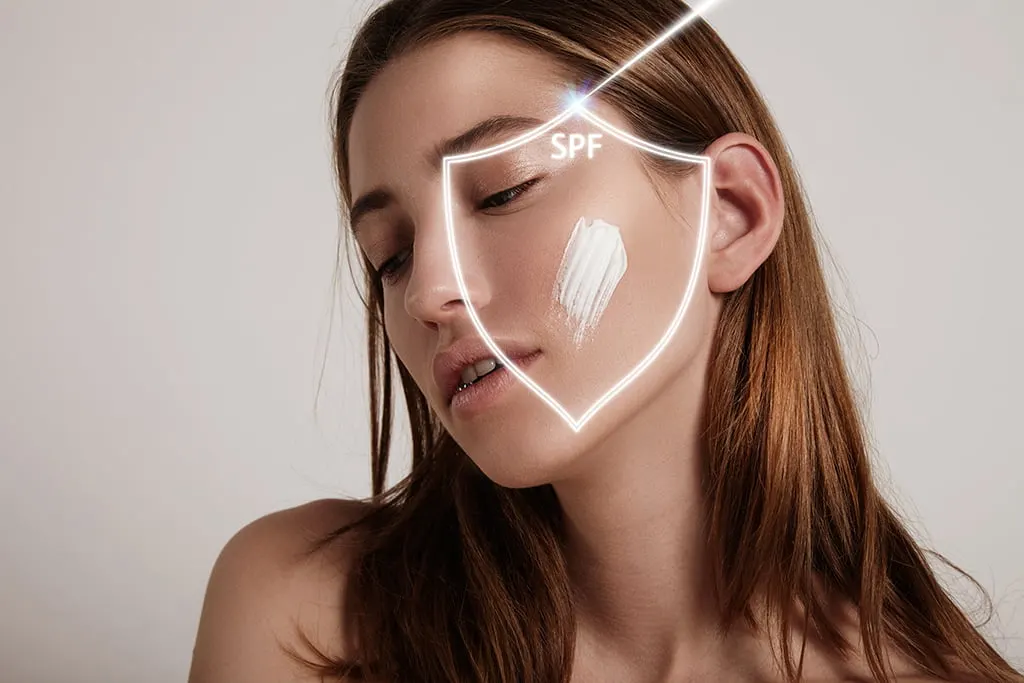
Common post-procedure care has several key points: protect against the sun, cleanse daily, and boost skin hydration, use fewer acids, exfoliants, certain whitening ingredients, and other products that easily irritate the skin, and stay away from saunas, hot springs, and other high-temperature places. These are the basic guidelines of “external care” for the skin.
Besides the points of external skin care, so-called “internal” care is also key. For post-procedure diet, we recommend eating fewer irritating foods, such as foods that are very hot, spicy, or caffeinated, to avoid affecting the body's metabolism, and fried or grilled foods contain a lot of free radicals, which increase oxidative stress and easily trigger inflammation in the body, so they should all be avoided after a procedure.
Aesthetic laser treatment: pre-treatment precautions and post-treatment care FAQs
Is summer a bad time for laser treatments? Busting the laser darkening myth
Recommended Ingredients for Post-Procedure Care
Among the many functional ingredients, collagen is one of the key ingredients in beauty and skincare, and plays a very important role in post-procedure supplementation!
This is especially true for treatments like ultrasound lifting, radiofrequency lifting, or fractional laser, whose principle is to stimulate the dermis with energy so that collagen grows, improving enlarged pores, reducing acne scar depressions, and smoothing fine lines. If you take oral collagen after the procedure, the body gets more raw material to synthesize collagen, which helps not only beauty but also wound repair and tissue regeneration.
(1) Collagen
It is the most abundant protein in the body, with many physiological functions. In the skin, collagen can support the surface and keep skin elastic and firm.
Oral collagen peptides (such as the dipeptide PO) have the effect of increasing fibroblast expression and hyaluronic acid synthesis, and help improve skin hydration, elasticity, and wrinkle resistance. While supplementing collagen, you can also take “vitamin C” to promote collagen growth.
(2) Glutathione
It reduces melanin formation, so it is a good focus of post-procedure supplementation, especially after treatments like picosecond laser, skin-clearing laser, and other treatments that use energy to shatter melanin for brightening and spot removal. After the procedure, pay attention to “external sun protection” and “internal nutritional supplementation” to reduce melanin production, and the skin-brightening results will be even better.
Besides brightening, glutathione can also reduce oxidative stress in the body and lower inflammation, helping to slow aging.
(3) Ceramides
An important component of the skin's stratum corneum. When keratinocytes are healthy and metabolism is normal, the skin's ability to lock in moisture improves, easing dry skin. Skin tends to become dry after laser and fruit acid peel treatments in particular, so it needs appropriate supplementation of moisturizing and water-locking nutrients even more.
Click to see post-procedure skincare products
Must-learn post-procedure care! A roundup of information from across the web
Is Subtractive Skincare the Secret?
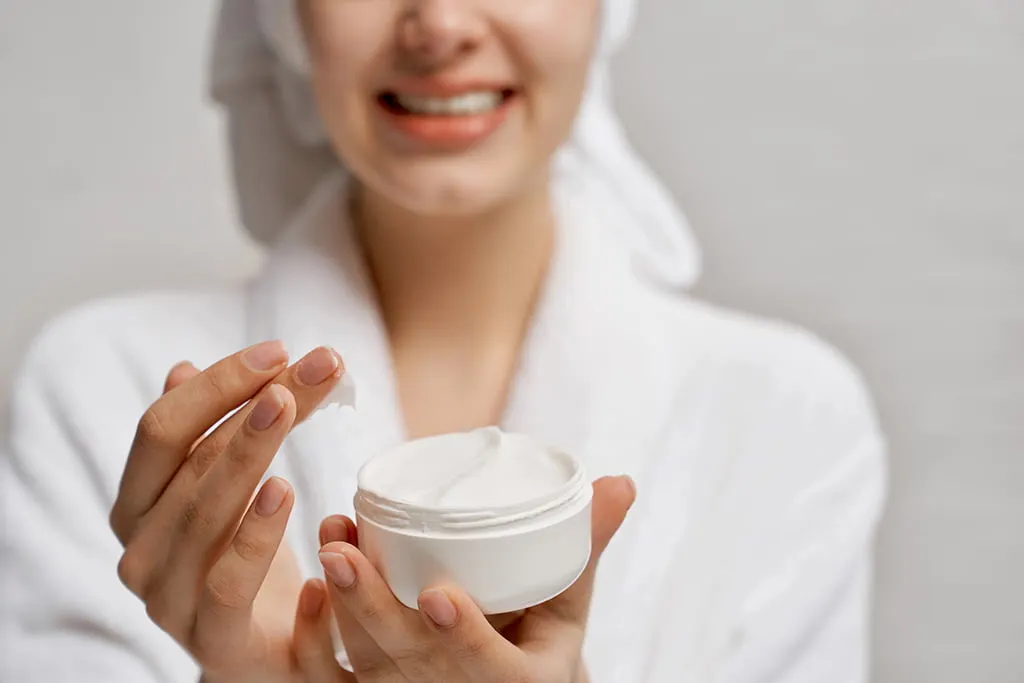
Skin is more sensitive after a procedure. If you keep applying many skincare products to your face, it may not absorb them, or the products may backfire at a very sensitive time. According to statistics, each person owns an average of 5-9 skincare products at a time, and if each bottle claims to contain 15-20 ingredients with different functions, without realizing it you force your skin to absorb more than a hundred ingredients within a few minutes. Can the skin fully absorb all of these nutrients without adding to its burden? Given these concerns, “subtractive skincare” may bring some help to your post-procedure care!
Q: What is subtractive skincare?
A: The philosophy of subtractive skincare is to “choose the skincare you really need,” cutting down the number of products and avoiding over-care, so you finish your daily cleansing and skincare steps with the fewest products, truly caring for your skin instead of harming it!
Without fully understanding every ingredient in your daily skincare products, you may well backfire and cause conflicting, counterproductive effects. Many people also, because of poor-quality ingredients, overly irritating chemical additives, and so on, end up with inflamed, allergic skin, which not only gets half the results for twice the effort but also wastes a lot of money!
The complete post-procedure care guide: does this speed up recovery and double the results?
How Do You Care for Post-Procedure Wounds?
(1) Early wound healing:
Small post-procedure wounds may itch, turn red, become inflamed, feel rough and dry, and show enlarged pores. At this time, avoid irritating the skin, avoid skincare containing fragrance or alcohol so as not to irritate the sensitive, fragile skin, and at the same time reduce sun exposure to keep UV rays from harming the fragile skin, and do not rinse with water that is too hot.
Full-protection low-irritation sun primer SPF30+ PA++
(2) Wound hydration phase:
If a post-procedure wound is not hydrated enough, the skin ages more easily and the post-procedure results cannot benefit from efficient repair. Therefore, “water” can quickly soothe and stabilize the skin's oil-water balance. To strengthen post-procedure results with skincare, choose suitable gentle ingredients, such as ceramides, hyaluronic acid, and squalane. All three have high moisturizing ability and strong repair power to relieve dry, uncomfortable skin, extending the staying power of repair and hydration.
Glacier Flower Miracle Revitalizing Mask
Glacier Flower Miracle Dragon's Blood Repair Gel
(3) Wound skincare phase:
After a procedure, the skin's stratum corneum has less water-locking ability and loses moisture easily, so it needs plenty of nourishing hydration. Beyond “diet” and “ingredient choices,” you also need “care habits” to help injured skin recover, and the most important of all is “sun protection.”
According to research, UV rays are the main culprit behind faster aging. Post-procedure skin is more fragile, and during healing you must avoid direct UV exposure from the sun, otherwise spots and darkening of the skin easily appear. In addition, while the wound is scabbing over, let the scab fall off naturally and do not peel it off by hand, to avoid leaving pigment marks; we recommend sun-protective hats, umbrellas, sunglasses, long-sleeved jackets, and so on, which are all key secrets of post-procedure care.
This article is for general information only. Results vary from person to person; please consult a doctor in person before deciding on any treatment.