Contents
The 7-10 days after an aesthetic treatment are the skin's repair period, and the right aftercare speeds up repair and makes results last longer. This article explains how to follow the golden rules of “cleansing,” “moisturizing,” and “sun protection” after treatment, what to note for aftercare with and without wounds, and how to choose post-treatment skincare products, so your skin can repair quickly and effectively and glow again soon.
4 Key Points of Post-Treatment Aftercare
1. Cleansing
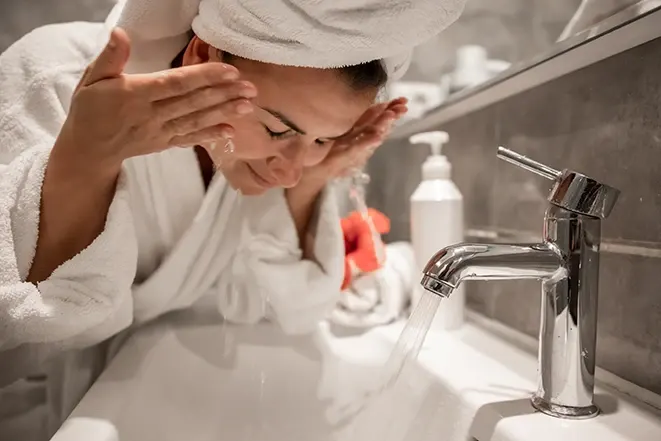
After an aesthetic treatment, the skin is usually thinner and more fragile. Avoid washing your face with tap water for 72 hours after treatment. If you need to cleanse your face, you can use saline, distilled water, or purified water, cleansing by gently pressing on the face and using water close to body temperature, avoiding water that is too hot or too cold, which can irritate the skin. For two weeks after treatment, we suggest washing with plain water only. If you do need a facial cleanser, avoid products with scrub particles, strong cleansing power, or whitening ingredients that speed up keratin turnover. No matter how gentle the cleanser, if you feel any irritation or discomfort, stop using it immediately and rinse with plain water.
2. Moisturizing
Normal skin has a water content between 20% and 35%, but after laser and similar treatments, the stratum corneum is damaged and skin water content drops. If skin water content falls below 10%, it means the stratum corneum is dehydrated, and the skin is extremely dry, making it prone to inflammation, sensitivity, dryness, and flaking. At this point, using a suitable post-treatment moisturizing product can raise skin water content and bring it back to a normal level.
3. Sun protection
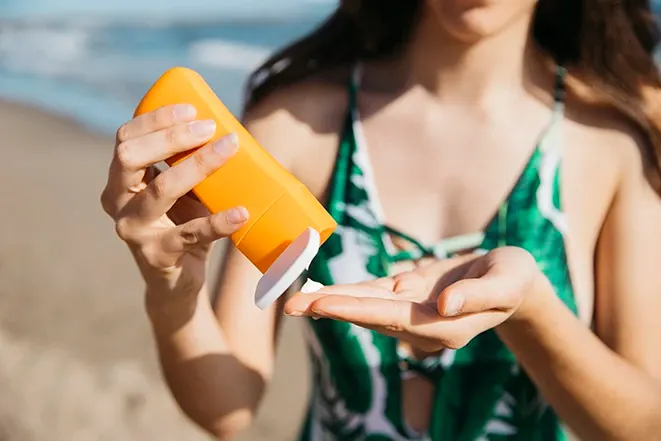
Sun protection is a must after aesthetic treatments, because skin is more easily affected by UV rays, leading to rebound darkening, spots, pigmentation, and the like, which greatly reduce the treatment's results. Also, many people think sunscreen is needed only outdoors or in strong sun, but in fact ultraviolet light (UV) is invisible, and even indoors, UVA still gets in and damages the skin. Therefore, regardless of season or whether you are indoors or outdoors, wherever there is light, you should protect your skin thoroughly.
4. Diet
Beyond external care, “inner care” matters after aesthetic treatments too. For diet, we suggest avoiding irritating foods, such as spicy, fried, and caffeinated foods, so as not to disrupt your body's metabolism or increase oxidative stress that causes inflammation. Because skin is more sensitive after treatment, you should also pay extra attention to avoiding allergens so that repair isn't affected. Besides cutting back on irritating foods, you can also take in specific functional ingredients in moderation, such as antioxidants, whitening, and water-locking nutrients, to help skin repair and reduce inflammation, and also to help regulate your constitution so your skin becomes more stable.
Laser treatments unsuitable in summer? Debunking the laser rebound-darkening myth
Aftercare Principles With and Without Wounds
1. Aftercare principles for treatments “with wounds”
Aesthetic treatments that commonly cause skin wounds include spot-removal lasers, fractional laser, and injectables. We suggest the following aftercare:
- Cleansing
Because there are open wounds after treatment, when cleansing avoid letting water touch the face directly. We suggest wiping gently with a soft towel or cotton ball, or using a dabbing cleansing method to reduce skin irritation.
- Moisturizing
For 3-5 days after treatment, we suggest avoiding touching the wound and not applying any skincare or moisturizing products for the time being. Try to keep the wound area dry to speed wound healing.
- Sun protection
Because there are open wounds, don't use sunscreen products for the time being; first use physical sun protection, such as hats, masks, and parasols, to block sunlight and UV rays, or try to avoid heavy sun exposure outdoors. Use sunscreen products once the wound has healed.
2. Aftercare principles for treatments “without wounds”
Non-invasive aesthetic treatments, picosecond laser, and the like mostly don't leave open wounds on the skin surface, at most tiny wounds almost invisible to the naked eye, so care is easier. We suggest the following aftercare:
- Cleansing
After treatment, we suggest cleansing with warm water and avoiding irritating products that contain acids, whitening ingredients, alcohol, or chemicals. Choose a gentle, fragrance-free facial cleanser or soap, and also cut down on how often you wash your face, using gentle motions to protect fragile post-treatment skin.
- Moisturizing
Treatments such as laser and radiofrequency/ultrasound deliver a lot of heat in a short time, which easily leaves the skin dry. You can pair them with moisturizing skincare to strengthen repair, for example by choosing a hydrating and moisturizing mask to help post-treatment repair and reduce redness and rebound darkening.
- Sun protection
We suggest applying a sunscreen with SPF 30 or higher, which also provides UVA protection (against tanning) and UVB protection (against sunburn), to protect the skin from UV damage that causes rebound darkening.
Key Points for Choosing Post-Treatment Skincare Products
1. Avoid irritating ingredients
For skincare used after aesthetic treatments, avoid products containing alcohol, fragrance, acids, and strong whitening ingredients. These ingredients remove the stratum corneum and speed cell turnover, and at the same time strip the skin's natural barrier. Using them after treatment may leave the skin dry and sensitive and interfere with repair.
- Ingredients to avoid
| Turnover-boosting acids | AHAs (fruit acids), retinoic acid, glycolic acid, azelaic acid, tranexamic acid, etc. |
|---|---|
| Whitening ingredients | Vitamin C, niacinamide, salicylic acid, etc. |
| Exfoliating ingredients | Alkaline soaps, scrubs, scrub gels |
| Deep-cleansing products | Jelly cleansing masks, oil-absorbing clay masks |
2. High moisturizing / repairing / soothing effects
Skincare products used after aesthetic treatments can be chosen along three main lines: hydration and water-locking, skin repair, and soothing and calming. Ingredients such as hyaluronic acid, vitamin B3, and B5 can all help calm unstable skin, strengthen and repair the moisture barrier, and lock in water effectively.
Overall, choose skincare with simple ingredients after aesthetic treatments, with the principle of not burdening the skin. Basically, as long as you pay attention to the three key elements of “cleansing,” “moisturizing,” and “sun protection” when choosing products, you can get good post-treatment recovery. However, because the treated area, scope, and energy of each treatment differ, there will still be some variation, so do your homework before and after treatment and consult a professional doctor.
This article is for general information only. Results vary from person to person; please consult a doctor in person before deciding on any treatment.