Contents
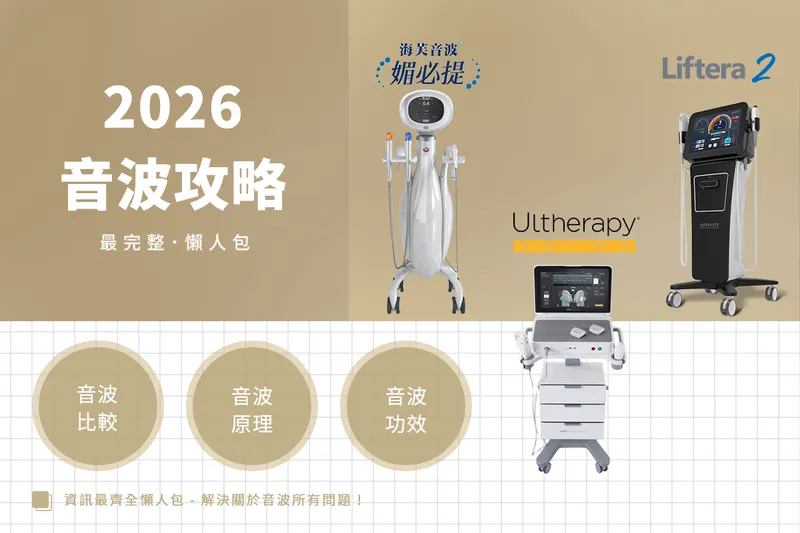
As we age, a defined jawline and bouncy cheeks seem to drift further and further away, and facial skin becomes less and less firm. Drooping mouth corners, a blurred jawline, and the appearance of nasolabial folds all hint that the skin is aging and sagging, so it is time to step up skincare and bring back a tightened, lifted look. "Ultrasound lifting," which younger people have also begun to try, uses ultrasound to generate heat, stimulating collagen growth and tightening the muscle and fascia layer to produce a lifting effect. This article analyzes ultrasound lifting, including a comparison of device types and how the lifting works.
How Ultrasound Lifting Works
"Ultrasound lifting" is a non-invasive treatment with almost no downtime: a probe focuses ultrasound energy to directly stimulate the fascia layer beneath the skin (SMAS), and the heat triggers a contraction response that produces an immediate lifting effect, and it also promotes collagen growth, which softens fine lines and restores skin elasticity.
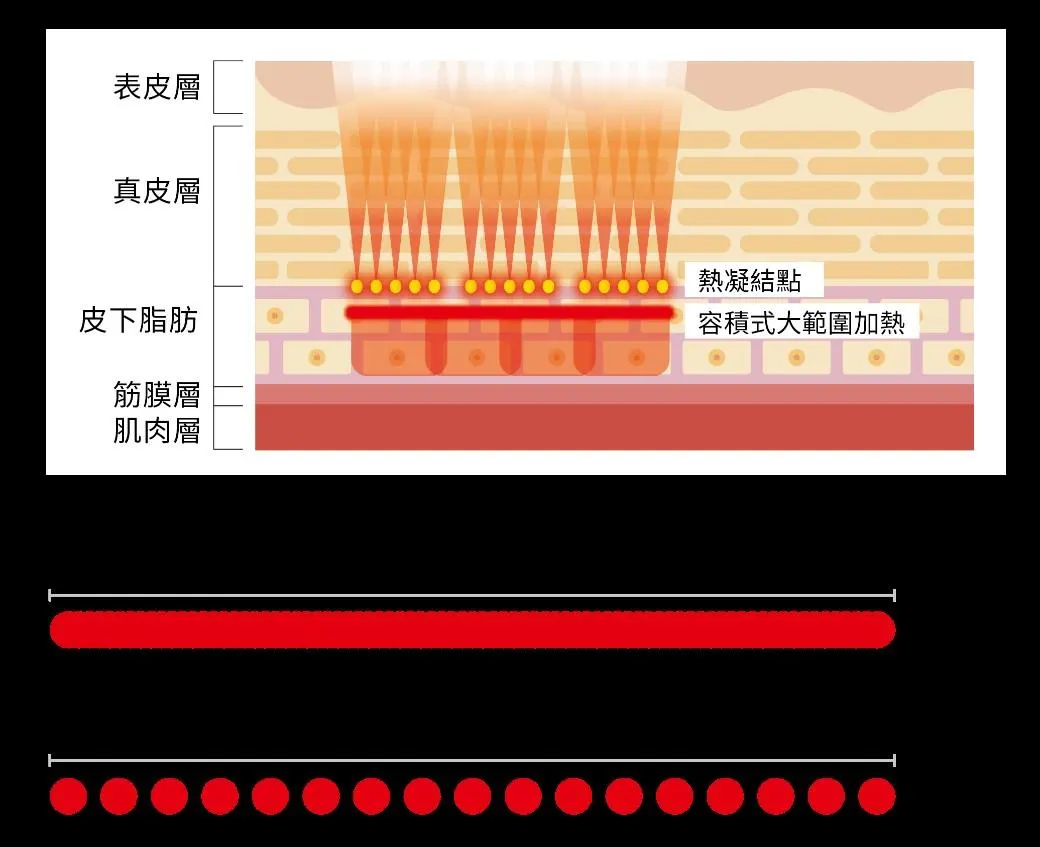
In other words, ultrasound heat is focused on the fascia layer, and when the fascia receives the heat it contracts, creating the lifting effect. Collagen production usually takes 2-3 months, so ultrasound treatment is a gradual improvement: you feel the face lifted right after the session, and after 2-3 months your own collagen increases, making the improvement even more noticeable and natural. Ultrasound treatment also leaves almost no wounds and does not disrupt your daily routine; you can go to work as normal the next day, with no need to worry that coworkers will find out about your little beauty secret!
Comparison of Common Ultrasound Lifting Devices
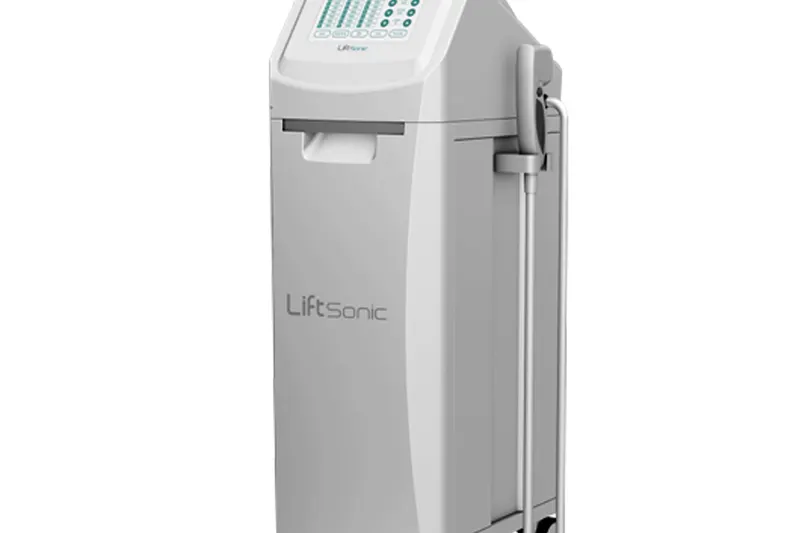
| Device / Name | Ulthera (Ultherapy) | Liftera | Ultraformer III (3rd generation) | ULTRAcel Q+ | Doublo Gold | Ultraformer MPT (4th generation) |
|---|---|---|---|---|---|---|
| Origin | USA | South Korea | South Korea | South Korea | South Korea | South Korea |
| Probe depth | 1.5mm, 3.0mm, 4.5mm | 1.0mm, 3.0mm, 4.5mm | 1.0mm, 3.0mm, 4.5mm | 1.0mm, 3.0mm, 4.5mm | 3.0mm, 4.5mm | 1.5mm / 3.0mm / 4.5mm |
| Pain level | Higher | Mild discomfort | Higher | Higher | Moderate pain | Relatively gentle |
| Features | Ultrasound imaging technology (safest) | Single-point shots, less pain | Mini probe option available | Fastest probe delivery speed | Highest total energy delivered per line | 20 treatment modes to address a wide range of concerns |
If you are afraid of pain, we recommend Ultraformer MPT, which combines the strengths of the third generation and adds three new depths to the original probes, so it can address a wider range of concerns more efficiently and comprehensively, with less worry about pain!Besides shortening treatment time, Ultraformer MPT is also gentler than the third-generation Ultraformer. Best of all, while lifting and tightening it also brightens and hydrates the skin, making it arguably the best-value device of recent years!
DOUBLO Ultrasound Lift: A Noticeably Firmer V-Shaped Face
Liftera-V Vortex Ultrasound: A Needle-Free Thread-Style Lift

Ultrasound Lifting vs. Traditional Facelift
Although both ultrasound lifting and a traditional facelift can help restore firmness, they work very differently. The table below makes the differences clear:
| Type | Ultrasound lift | Traditional facelift |
|---|---|---|
| Treatment concept | Heats the fascia layer with ultrasound to tighten the skin and stimulate collagen growth | Surgical incisions are made in the skin and the fascia layer is pulled taut to restore facial firmness |
| Anesthesia | None needed, or just topical numbing cream | General anesthesia |
| Target layer | Fascia layer, subcutaneous tissue, and dermis | Fascia layer |
| Procedure time | Shorter | Longer |
| Duration of results | About 1 to 2 years, varying with individual condition and technique | About 5 to 10 years, varying with individual condition and technique |
Facelift Surgery: Restore the Firm Contours of 10 Years Ago
Thermage FLX vs. Ultraformer MPT: Differences at a Glance
How Often Can You Get Ultrasound Lifting? How Long Do Results Last?
Ultrasound lifting is a "gradual" improvement treatment. You can feel an immediate lift and firmness right after the treatment, and 1 to 3 months afterward, your own collagen gradually increases and the results become more and more noticeable!
As for duration, ultrasound lifting is a one-time treatment, and results depend on the individual but generally last 1 to 1.5 years, though the actual duration depends on your doctor's assessment. If you want to keep your skin firm and smooth, we recommend one session every year as maintenance for more noticeable and lasting results.
Ultraformer Is Powerful! The Article Reveals the Three Key Reasons Ultrasound Treatments Fall Short
Who Ultrasound Lifting Is Suitable For:
1. Slight baby fat
2. Double chin, jawline lifting, and neck line improvement
3. Sagging, loose facial skin
4. Fine lines around the eyes
5. Eye bags and loose skin under the eyes
6. Nasolabial folds, marionette lines, and mid-face lifting
Ultrasound Lifting Q&A

Q: If I stop ultrasound lifting, will my face sag faster?
A: No! Regular maintenance treatments can help you stay youthful, but stopping the ultrasound will not suddenly age you or speed up aging; in fact, it is a way to slow aging.
Q: Does ultrasound lifting hurt?
A: Pain varies from person to person. Numbing cream is applied before the procedure to reduce pain, and many devices have now been well refined, for example the Liftera vortex ultrasound uses single-point shots that greatly reduce pain while achieving the same lifting effect!
Q: How long do ultrasound lifting results last?
A: Results can last one to one and a half years, and if you want better results, we recommend an additional session after six months to maintain them. Regular sessions also keep your skin in a firmer state!
Q: Does ultrasound lifting have side effects?
A: The skin may turn slightly red, which usually subsides within a few hours after the treatment. Some patients may have mild swelling, tingling, or tenderness, but don't worry too much; these are all temporary.
Care After Ultrasound Lifting
(1) Keep the Skin Moisturized to Prevent Water Loss
Because the procedure loosens and sheds some of the stratum corneum, the skin has trouble holding water and loses a lot of moisture easily, so the most important thing after the procedure is moisturizing. We recommend that you use gentle, soothing moisturizing products for post-procedure care.
(2) Choose Soothing Skincare Products to Avoid Injuring the Skin Again
Because the skin is unstable after the procedure, it is easily irritated by skincare products with irritating ingredients, such as products containing whitening agents, alcohol, or acids, as well as heavy makeup that is hard to remove.
(3) Apply Sunscreen Diligently to Block UV Damage
In the first week after the procedure, the skin is at its most sensitive and dry, so applying sunscreen frequently is how you effectively prevent UV rays from damaging the already fragile skin tissue.
This article is for general information only. Results vary from person to person; please consult a doctor in person before deciding on any treatment.