Contents
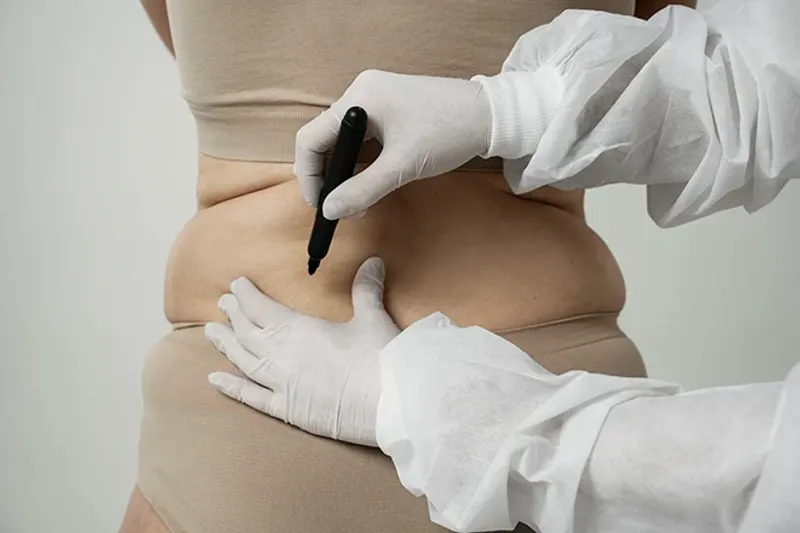
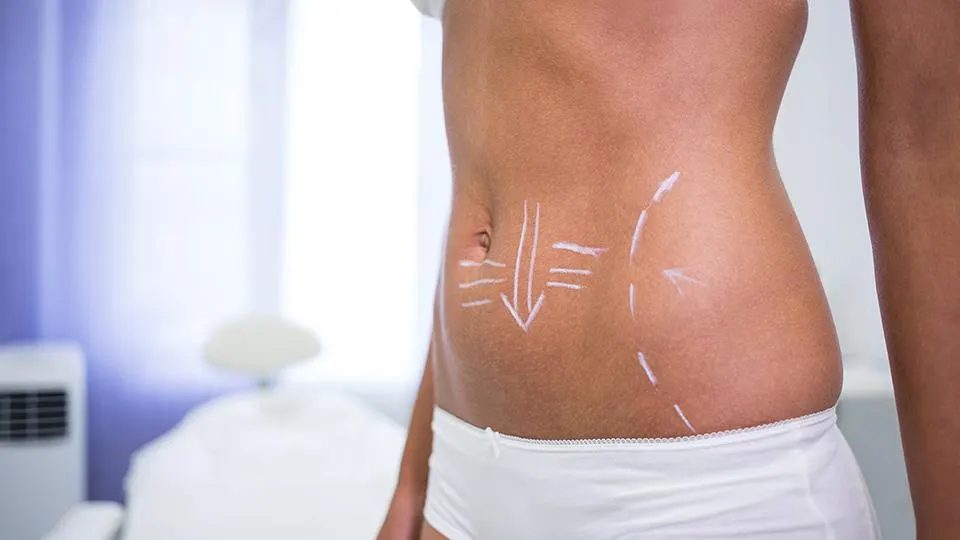
Tried many methods and still can't get back to your ideal figure? Or keep exercising to lose weight and still fall short of your goal... With advances in aesthetic medicine today, there are many ways to help you get back to your ideal figure in a short time, including lipolysis injections, body contouring, and liposuction. This article shares aftercare for liposuction surgery, and also reminds you that even after surgery you still need the right eating habits to maintain your figure!
How Liposuction Works
Liposuction is an "invasive" procedure, so it carries a number of risks. To lower these risks, besides carefully choosing the clinic and the operating physician and assessing your own health, you should also do your homework on liposuction beforehand to keep surgical risk to a minimum!
How liposuction works: The number of fat cells in the body increases from birth until it stops in puberty, after which fat cells only grow in size, accumulating throughout the body as superficial fat and deep fat. Self-directed body management and weight loss can only shrink fat cells to make the body look firmer; they do not reduce the number of fat cells. In contrast, liposuction removes stubborn deep fat from the body, reducing the overall amount of fat and re-sculpting the body's lines and curves.
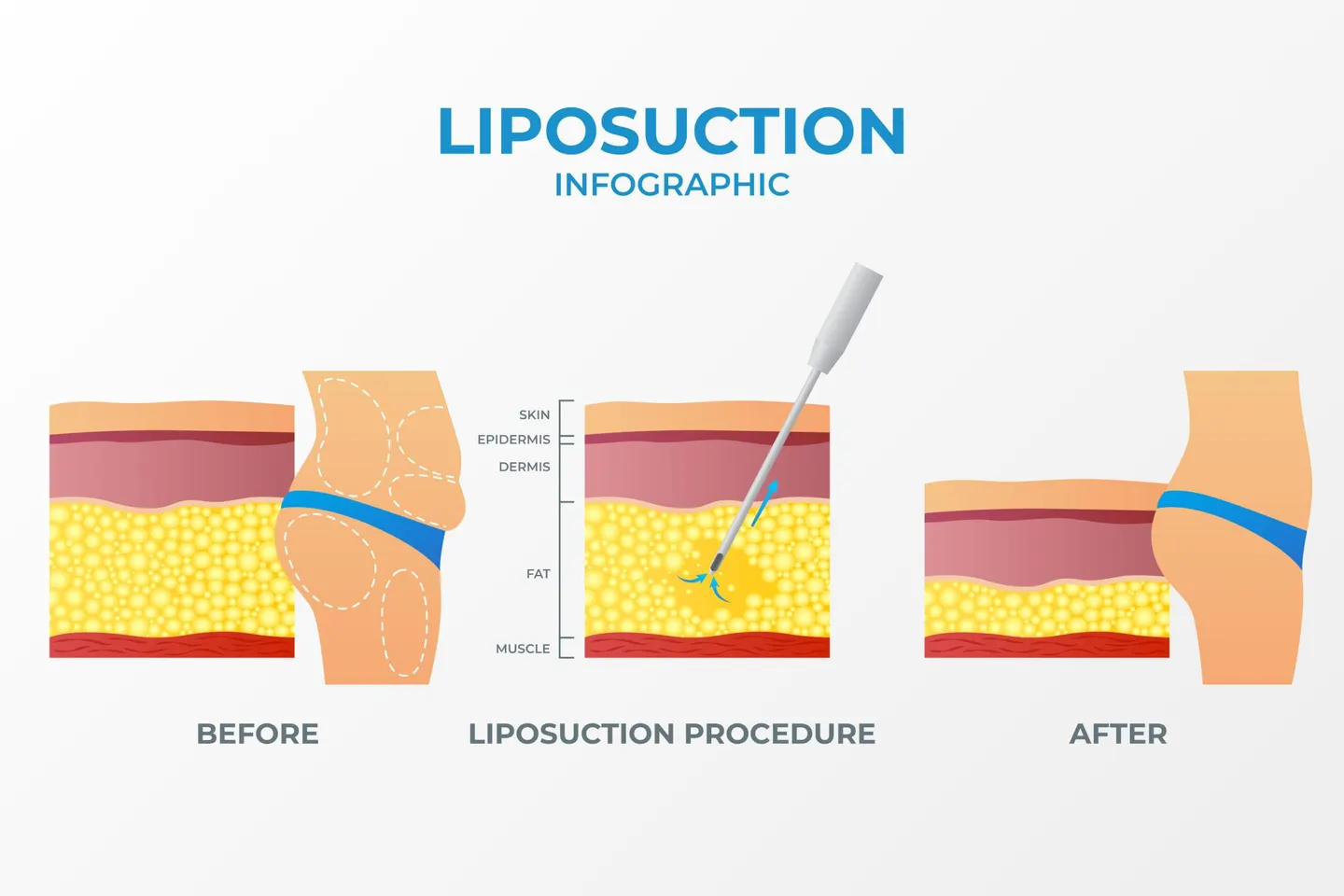
P.S. The purpose of liposuction is to reduce the number of fat cells, and fat cells weigh only 1/3 as much as muscle, so liposuction does not have a large effect on body weight, so it is normal for your weight to show no obvious difference after surgery! We also urge everyone not to blindly chase changes in the number on the scale; having a healthy body shape is what matters most!

In addition, it is especially important to note that having liposuction does not mean you can never gain weight or never put on fat again; with unhealthy lifestyle and eating habits, fat can still accumulate in other areas, so aftercare after surgery is very important. Only with the right diet and aftercare mindset can you maximize the results of liposuction and avoid skin laxity, dullness, fine lines, and other problems after liposuction!
What Is Liposuction? A Quick Introduction to Types, Costs, and Precautions!
Post-Operative Care Notes
Liposuction involves anesthesia, and the treated areas look temporarily swollen because tissue fluid mixes with the anesthetic, so results do not appear immediately after surgery. You still need to go through a recovery period, and during recovery you should pay special attention to the following:
The Golden 30-Day Recovery Period After Surgery
Days 1-7 after surgery: Pay special attention to wound infection!
At this time you also need to regain your strength, so enough sleep and the right diet become very important! Natural foods can help wounds heal and restore energy, and especially protein is the best nutrient.
1. Avoid smoking, alcohol, and staying up late; avoid irritating foods such as spicy, very salty, or fried foods
2. Eat natural foods and high-protein foods, such as fish soup, vegetables, and fruit
Days 7-30 after surgery: Reduce bruising and swelling
After surgery, the body produces tissue fluid to help it heal, so swelling is likely during this time, and with normal metabolism, the swelling gradually subsides after about a month!
During this period we recommend:
1. Drink plenty of water: about 2000-3000 cc a day
2. Take in vitamin C and protein to keep supporting wound healing
3. Get plenty of sleep; rest is also a way to help wounds heal
Day 30 after surgery: Eat more protein and cut back on starch
According to research reports, consuming up to 35 grams of protein helps prevent fat gain, lowers blood sugar, and increases satiety, and also helps build and repair muscle tissue, so to maintain a good figure after surgery, a correct and nutritious diet is of course important!
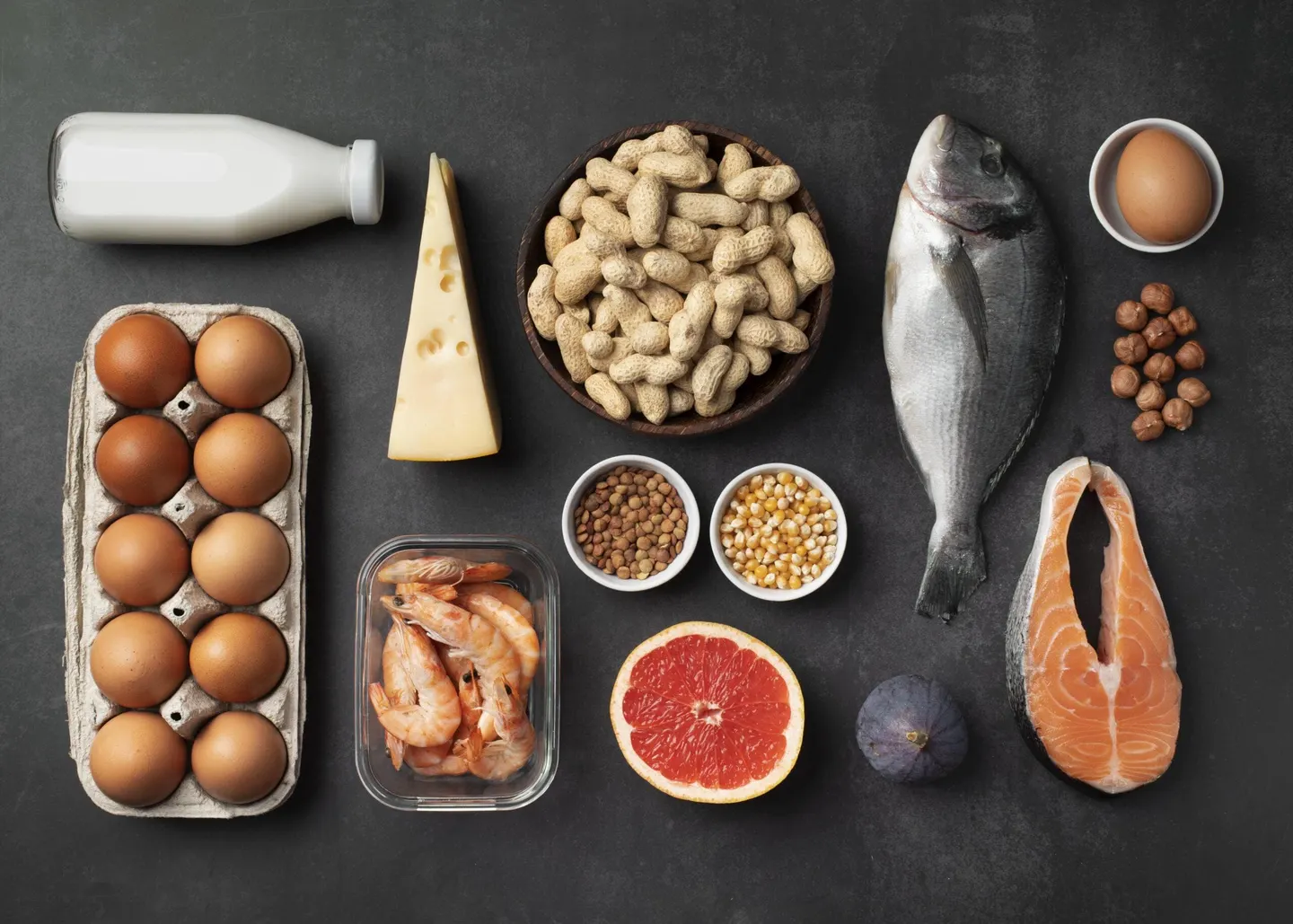
1. Take in 25-35 grams of protein per meal; milk, fish, meat, nuts, and eggs are all excellent protein sources
2. Keep replenishing fluids; drinking some adzuki bean or coix seed (Job's tears) water from time to time can also help reduce swelling
3. Pair with moderate exercise, but avoid overly strenuous exercise so the wounds do not reopen
What Are the Complications of Liposuction? Understand the Types and How to Avoid Them!
Other Aftercare Tips:
1. Wear a compression garment diligently: Because fat has been removed, the treated areas tend to develop loose skin, so we recommend wearing a compression garment for at least three months to help maintain your shape; wearing one can also ease wound pain in the liposuction areas.

2. Massage diligently: Appropriate massage around the wound areas helps firm the skin and speeds up the resolution of swelling, and prevents hard fibrotic lumps from forming.

3. Daily routine: During the recovery period, we recommend doing some exercise that does not pull on the wounds, such as yoga, slow walking, and stretching, all of which help maintain your body's lines. Avoid overly strenuous exercise, such as weight training or running, which make you sweat, since it not only pulls on the wounds and prolongs recovery but sweat can also lead to wound infection.
Balanced Diet with Protein as the Focus
In the dietary guidance mentioned in the previous section, we recommend getting an appropriate amount of protein at every meal, and also eating more foods that help metabolism and recovery, such as milk, sea bass, lean meat, tofu, and unsweetened soy milk (people with seafood allergies should avoid the fish), and also remember to replenish plenty of fluids to aid metabolism. We recommend a daily water intake of at least 2000 cc, and if you are worried about poor metabolism and swelling from drinking too much water, you can drink adzuki bean water or coix seed tea along with it.
Foods That Promote Wound Healing:
1. High-quality protein: Promotes wound healing and reduces the chance of infection, such as dairy, fish, lean meat, skinless chicken, and eggs.
2. Rich in vitamin A: Promotes wound healing; includes dark green and dark yellow vegetables such as spinach, bok choy, carrots, green peppers, water spinach, and tomatoes.
3. Rich in vitamin C: Promotes wound healing and inhibits melanin production, with brightening, antioxidant, and spot-fading effects; includes citrus fruits, oranges, papaya, guava, kiwi, grapefruit, dragon fruit, and green peppers.
4. B vitamins: Can increase the absorption and utilization of protein and also help prevent wound infection. Examples include legumes, oatmeal, nuts, egg yolks, milk, peanuts, and yeast.
What Is the Fastest Way to Recover After Liposuction? What Precautions Matter? A Complete Guide!
Add Health Supplements or Beauty Treatments to Boost Aftercare
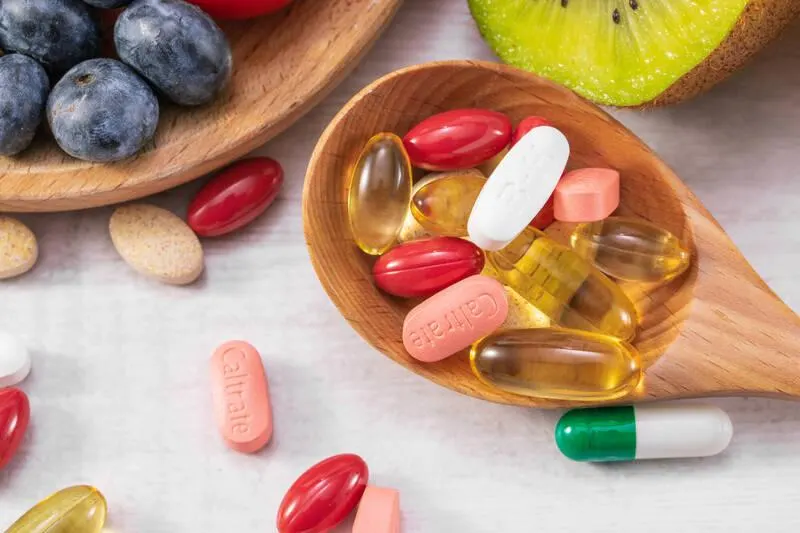
Modern life is busy. If you worry you cannot control every meal properly or cannot supplement nutrition on schedule, you can use some health supplements to help provide the nutrients you need, and of course you can also combine it with body contouring treatments, which help firm the skin and improve dullness and other problems!
What If Scars Remain After Surgery?
Another thing people worry about after surgery is the scars left by the operation. Our team has put together a few habits; avoid these and you can avoid scarring!
1. Avoid caffeinated foods, such as cocoa and chocolate, which can affect blood circulation and are highly stimulating, possibly causing wound congestion and itching and leading to poor healing.
2. Avoid seasoning with chili, pepper, mustard, scallions, garlic, shacha sauce, curry, and other irritating seasonings; also temporarily stop alcohol and vinegar!
3. Use sunscreen faithfully, to avoid pigmentation. We would also like to add some tips for caring for the wound before and after suture removal.
Wound Care Before Suture Removal
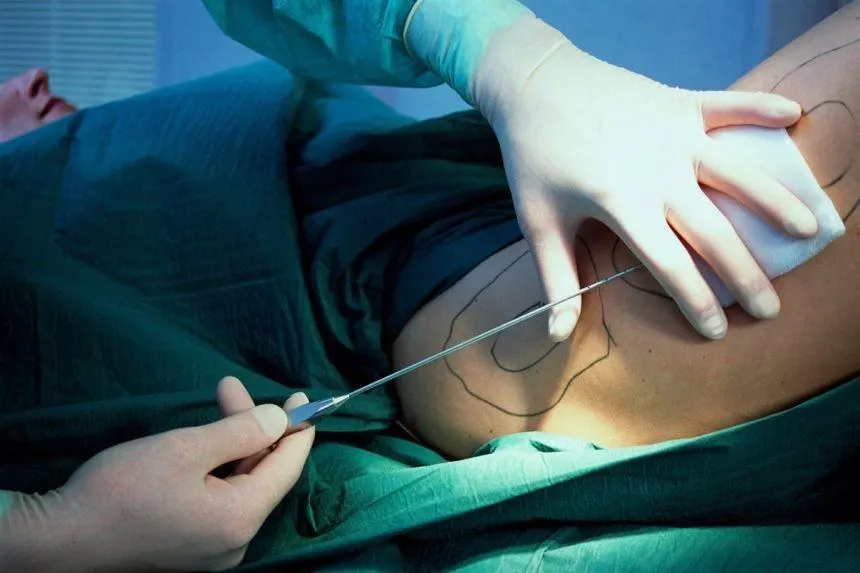
After surgery the physician treats and dresses the wounds so that drainage is absorbed and does not stain clothing when you change. If you find the dressing needs changing, we recommend changing the medication and dressing after a shower. Patients with sensitive skin can buy hypoallergenic tape at a pharmacy.
Wound Care After Suture Removal
According to medical research, if a wound is covered with something, the chance of pigment fading and scar softening is higher. If you ignore it completely, the wound may overgrow, becoming raised or darker in color, so wound care after suture removal takes longer and takes patience, and it is important to make the most of this time! There are two ways to treat scars, scar gel and scar sheets, and we recommend sheets! Because something with thickness can pull the wound slightly together and also keeps it from being pulled by accident when you put on or take off clothes, giving the wound better protection!
We hope the above aftercare tips and precautions help those of you who are troubled or worried! You are welcome to come in for a consultation, where our physicians can give you more customized skincare and post-operative care.
This article is for general information only. Results vary from person to person; please consult a doctor in person before deciding on any treatment.