Contents
- How Liposuction Works
- Liposuction Is Not the Same as Weight Loss! What's the Difference?
- Types of Liposuction: Common Options Compared
- What Are the Risks of Liposuction, and How Can You Prevent Them?
- What to Do About Swelling After Liposuction
- Who Should Not Have Liposuction?
- How Soon Will I See Results After Liposuction?
- What to Watch For Before and After Liposuction
Maintaining a good figure is a lifelong goal for many people, but there are always stumbling blocks along the way, such as aging, dietary temptations, and stress. Even with so many weight-loss methods and meal replacements available today, results often fall short, and the fat does not come off where you want it to. For stubborn fat that is hard to lose through dieting, liposuction has become one of the popular choices for shaping an ideal figure. As liposuction has become more common, however, the surgical methods have multiplied. How do they differ, and are there side effects or complications? Here we answer the questions people care about most.
How Liposuction Works
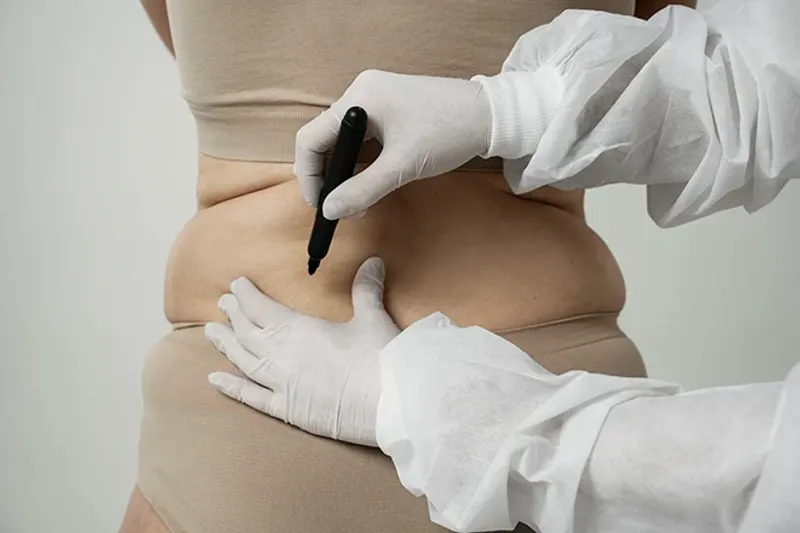
Liposuction is a surgical procedure, also called fat suction or lipoplasty, whose main purpose is to remove excess fat tissue from specific areas of the body. Using aesthetic medical equipment, stubborn fat cells are broken down and then suctioned out to shape the figure and improve body contours.
After birth, the body's fat cells multiply until puberty. After that, the number of fat cells no longer increases; they only grow in size and accumulate throughout the body, and fat comes in two types: "superficial fat" and "deep fat." Deep fat is more likely to enlarge, in areas such as the abdomen, flanks, buttocks, and thighs, and it is very hard to shrink through diet and exercise. Liposuction is a fast way to remove this excess fat.
Liposuction Is Not the Same as Weight Loss! What's the Difference?
Liposuction and weight loss are two ways of pursuing an ideal figure, but they differ significantly.
First, liposuction is a surgical procedure that reshapes body contours by suctioning out excess fat from specific areas, with fast results, but you need to be aware of surgical risks, including infection, bleeding, and bruising. Recovery time is relatively short, but results can be affected by lifestyle and weight changes.
By contrast, weight loss is a comprehensive nonsurgical approach that mainly relies on adjusting your diet, exercising more, and changing lifestyle habits to reduce overall body weight. It is a long-term process that requires active self-management and sustained effort. Results come more slowly, but the risk is very low, and it improves overall health rather than just appearance.
In summary, the biggest difference between the two is that liposuction removes stubborn fat that cannot otherwise be lost, reducing the number of fat cells and reshaping body contours, while weight loss shrinks fat cells to tighten the body.
[Read more]
How Does Liposuction Work? Understand Liposuction vs. Weight Loss in 7 Minutes
Read Before Liposuction! What Determines the Pain Level, and Is Liposuction the Same as Weight Loss?
Types of Liposuction: Common Options Compared
| Traditional liposuction | Laser lipolysis | Water-jet-assisted liposuction | UltraZ ultrasonic liposuction | VASER liposuction | |
|---|---|---|---|---|---|
| How it works | Uses a negative-pressure cannula that scrapes back and forth to suction out fat. | Uses laser heat energy to break up fat tissue. | Uses the force of a high-pressure, fan-shaped water jet to separate and flush apart fat tissue. | Uses rapid ultrasonic vibration to shatter fat tissue and emulsify it, then suctions it out of the body. | Sound waves create dense microbubbles, and larger fat clumps break into smaller ones. A spiral water flow then separates them into distinct individual fat cells, which are finally emulsified and preserved. |
| Anesthesia | General anesthesia | General / local | General anesthesia | General anesthesia | General anesthesia |
| Suitable areas | Large areas | Small areas | Large areas | Large or small areas | Large or small areas |
| Incision size | 1 cm | 0.3 cm | 0.5 cm | 0.5 cm | 0.1 to 0.5 cm |
| Pain level | ★★★★ | ★★★ | ★★★ | ★★★ | ★★ |
| Downtime | Longer | Shorter | Longer | Shorter | Shorter |
| Fat grafting | Yes | No | Yes | Yes | Yes |
| Price | ★★ | ★★ | ★★★ | ★★★ | ★★★★ |
| Pros and cons | The fastest liposuction, but only suitable for large areas, and it damages fat heavily, so uneven, bumpy results are more likely afterward. | Suitable only for dissolving fat in small areas, and the fat cannot be reused for grafting. | Improves on the heavier blood loss and long recovery of traditional liposuction, but cannot sculpt fine details. | Good value and high safety with smaller incisions, but it depends more heavily on the surgeon's skill. | High power output, faster procedure time, and precise sculpting of different body areas, but the price is higher. |
What Are the Risks of Liposuction, and How Can You Prevent Them?
Liposuction can help image-conscious men and women quickly regain a slim figure, but it is still a surgical procedure, so some risk is always involved. Below we explain the possible complications and risks, and how to reduce them.
Infection
Any surgery can cause infection. After liposuction, the incisions can become infected by bacteria, so keeping the surgical area clean is very important.
Excessive liposuction
Removing too much fat can lead to an irregular contour and uneven skin, and may even cause tissue damage. That is why communication and evaluation before surgery are important, to ensure the amount of fat removed is reasonable.
Blood clots
A long operation can increase the risk of deep vein thrombosis. Getting moving soon after surgery and wearing compression stockings help reduce this risk.
Allergic reactions
An allergic reaction may occur to the anesthetic or other medications used in surgery. Severe allergic reactions are rare but still need to be considered.
Abnormal blood lipid levels
Liposuction may change blood lipid levels, especially when a large volume of fat is removed, which may affect the heart and circulatory system.
Abnormal bleeding
Abnormal bleeding can occur during or after surgery. It can usually be controlled, but in very rare cases further treatment may be needed.
Local skin problems
These may include temporary swelling, ecchymosis, pain, bruising, or hyperpigmentation, but they usually ease and recover gradually after surgery.
Preventing Liposuction Risks
To reduce surgical risk, first choose an experienced, properly licensed plastic surgeon, and carefully review the doctor's professional background, certifications, and surgical experience. Before surgery, have a thorough discussion and evaluation with the doctor so you fully understand the expected results and possible effects afterward.
Most importantly, the doctor should choose an appropriate amount of fat to remove based on the patient's physical condition and needs, avoiding the problems that excessive liposuction can cause. Finally, after you go home, follow the doctor's instructions, take good care of the wound, and attend regular follow-up checks, which will lower the risks after surgery.
[Read more]
What Are the Complications of Liposuction? Types of Complications and How to Avoid Them
What to Do About Swelling After Liposuction
After surgery, the body's immune system starts a local and systemic repair process at the liposuction site, causing mild redness, swelling, soreness, and warmth. During this stage, keeping the wound clean and dry is essential, and regular use of anti-swelling and anti-inflammatory medication is recommended to prevent possible postoperative infection. Eating more high-protein foods can also help wound recovery. If the redness, swelling, and pain become severe, return to the surgical facility as soon as possible for further evaluation.
Who Should Not Have Liposuction?
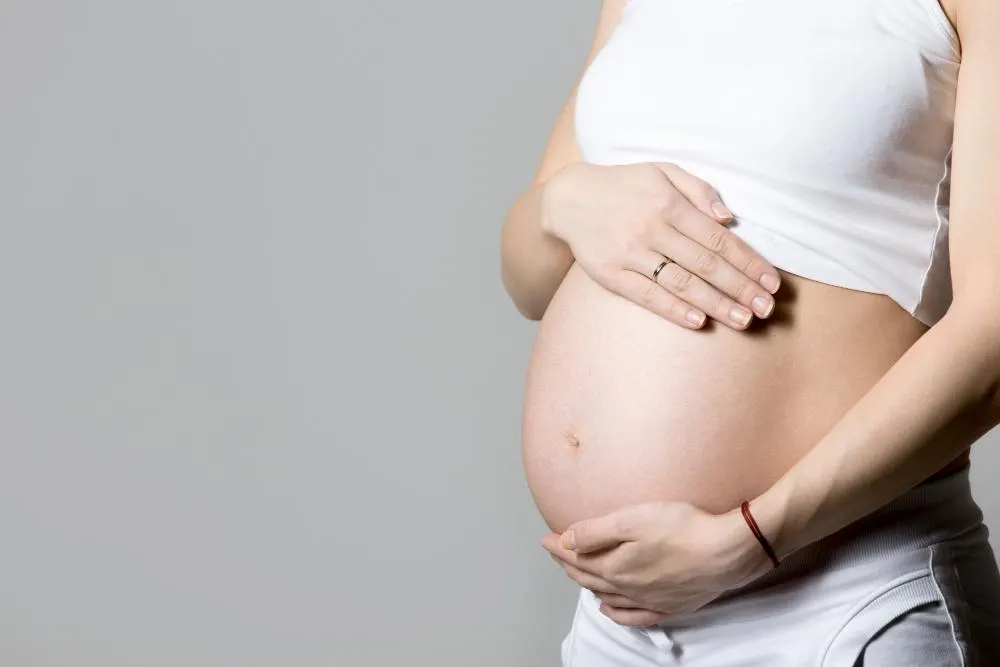
- Liposuction should not be performed during pregnancy, as it may have potential effects on the fetus.
- Minors under 18 may not have liposuction, per regulations.
- People with conditions that cause easy bleeding or difficulty stopping bleeding are not suitable for liposuction.
- People with chronic conditions should tell their doctor before surgery so it can be evaluated to ensure the surgery is safe.
- People allergic to anesthetics must tell their doctor, who will assess whether surgery is appropriate.
- If you are too thin and do not have enough fat, liposuction combined with fat grafting may be limited.
How Soon Will I See Results After Liposuction?
How soon results appear after liposuction varies from person to person and depends on several factors, including the area treated, the volume of fat removed, individual physiological response, and differences in the recovery process. Generally, patients may begin to see some initial results within a few weeks after surgery, but in the first week the results may not be obvious because the surgical area may still be swollen and bruised. As the swelling and bruising gradually subside over 1 to 3 months, you will slowly begin to see clear changes.
The final result may take 6 months to 1 year to fully settle, because the body needs time to adapt to the tissue changes, and the skin needs time to tighten and regain elasticity. During this time, be sure to follow your doctor's advice, including proper care, a healthy lifestyle, and avoiding extreme weight fluctuations, so the postoperative result can be even better.
What to Watch For Before and After Liposuction

- Do not eat or drink for 8 hours before surgery, to lower the risk of vomiting during anesthesia or after surgery.
- For about 2 weeks before and after surgery, stop taking aspirin, Chinese herbal medicine, ginkgo products, vitamin E, and other medications and supplements that affect blood clotting, to avoid increased bleeding and poorer recovery.
- Bruising, ecchymosis, stinging, mild warmth, and numbness at the surgical area are all normal and may last from several weeks to several months before gradually returning to normal.
- Put on a compression garment immediately after liposuction to help stop bleeding and reduce swelling. Wear it 24 hours a day during the first week, and for at least about 3 months.
- You can eat normally after liposuction, but if you overeat without limit and don't maintain a healthy routine, you can still regain weight.
If you have long been troubled by obesity, or have areas that exercise cannot improve, you are welcome to visit NAISS CLINIC! Our doctors will give professional advice and recommend the most suitable liposuction procedure to help you sculpt your body contours and achieve your ideal figure.
Get to Know VASER Liposuction! Sculpt Mermaid Lines and Vest Lines After the Fact
Read Before Liposuction! What Determines the Pain Level, and Is Liposuction the Same as Weight Loss?
What's the Fastest Way to Recover After Liposuction? What to Watch For: A Complete Guide
This article is for general information only. Results vary from person to person; please consult a doctor in person before deciding on any treatment.