To determine whether fat transfer breast augmentation is right for you, first check whether your excess fat is concentrated outside the breasts, especially in the waist, abdomen, arms, thighs, and buttocks. If you want to lose fat through surgery and enlarge your breasts at the same time, fat transfer breast augmentation is an excellent fit.
Besides having excess fat outside the chest, fat transfer is also a good choice if your breasts are uneven in size, have changed shape after pregnancy, or if you want a fuller bust but do not want implants.
Is Fat Transfer Breast Augmentation Safe?
Fat transfer breast augmentation uses, as the name suggests, your own body fat as the filler. Unlike other methods that use implants or fillers, the body is less likely to have allergic reactions or rejection after the fat is harvested and injected back.
In addition, because fat has no fixed shape, it can be used to fill different parts of the body. Compared with implants, the result looks more natural and feels closer to real tissue. Recovery is also shorter: you can go back to work the day after surgery, and daily life is barely affected.
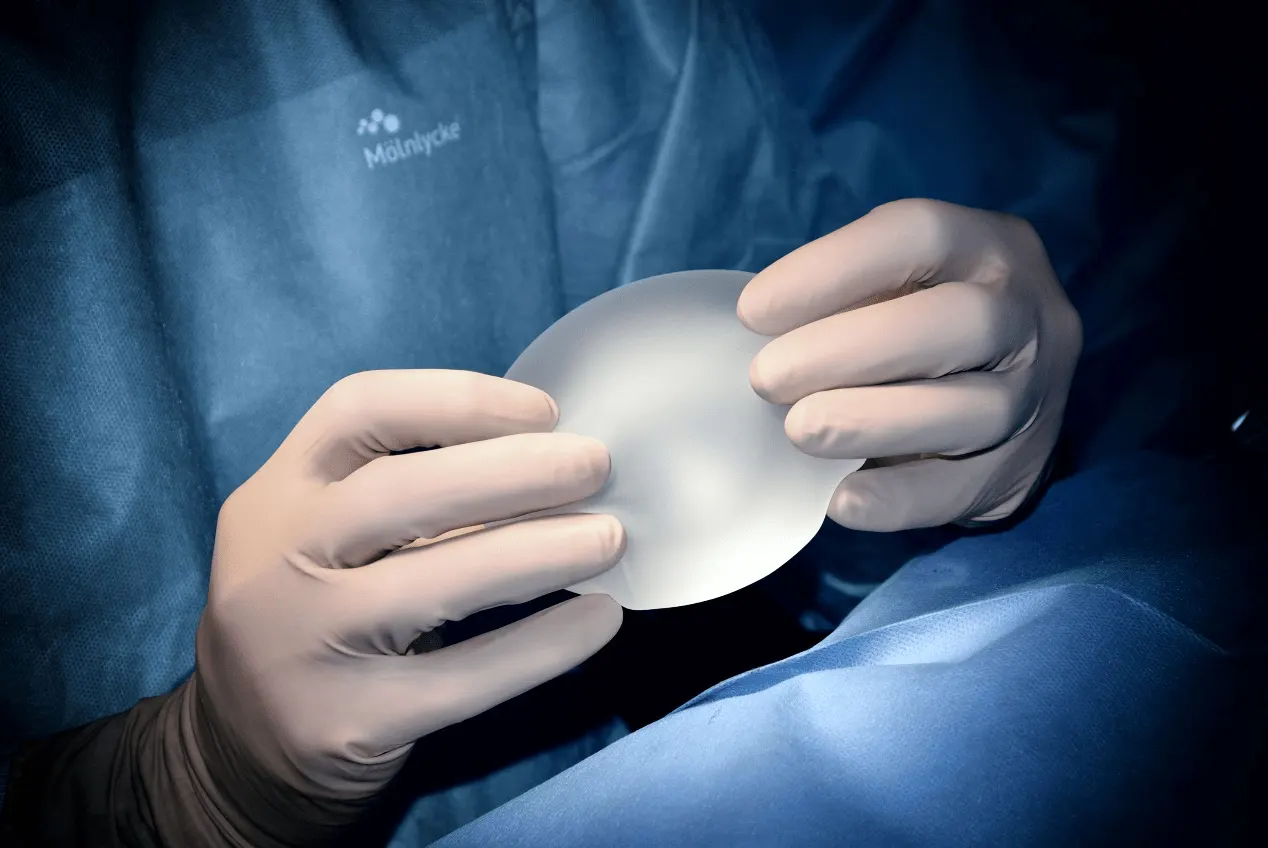
Since it sounds so good, you are bound to ask how long it lasts.
After undergoing fat transfer breast augmentation, how long the results last depends mainly on the fat's "survival rate"! In general, the survival rate depends on the patient's constitution, skin elasticity, and the surgeon's liposuction technique. If the fat stays in the treated area 3 months after surgery, it can be kept almost permanently!
How Can You Improve the Fat Survival Rate?
To keep the fat in the treated area, the fat survival rate has to be as high as possible. Based on the clinic's past cases, most people have an average fat survival rate of 50%-70%, and the key factor is post-op care. The daily habits below are the main culprits that lower the fat survival rate!
1. No smoking
The nicotine in cigarettes constricts blood vessels and delays wound healing, which lowers the fat survival rate. Do not smoke for one week before surgery or throughout the post-op recovery period.

What about e-cigarettes that contain no nicotine?
According to current research, it has not been proven that e-cigarettes affect surgery the way traditional cigarettes do. But since you are investing a lot of money in breast augmentation, it is still wiser to be cautious and avoid e-cigarettes.
2. No strenuous exercise
During the post-op recovery period, high-intensity exercise burns fat and lowers the fat survival rate. Simple exercise, however, is fine.

One week after surgery, you can start with walking and brisk walking. For the first month, focus on lower-body exercise, avoid any movement that uses the chest muscles, and skip overly intense workouts. If you normally do weight training, pause it for now.
One month after surgery, you can do simple chest-opening exercises, but increase the intensity gradually to tone and shape your figure.
3. No deliberate dieting
Many people hold a mistaken belief: they worry that the slim figure they get after liposuction will revert once they eat normally, and some patients even take diet pills to reduce the chance of regaining weight.
To clear up this misconception, you first need to understand what diet pills do. Diet pills work by getting the fat inside fat cells used up, so the cells shrink and atrophy. But you regain the weight as soon as your calorie intake goes up. This is different from liposuction, which permanently reduces the number of fat cells.
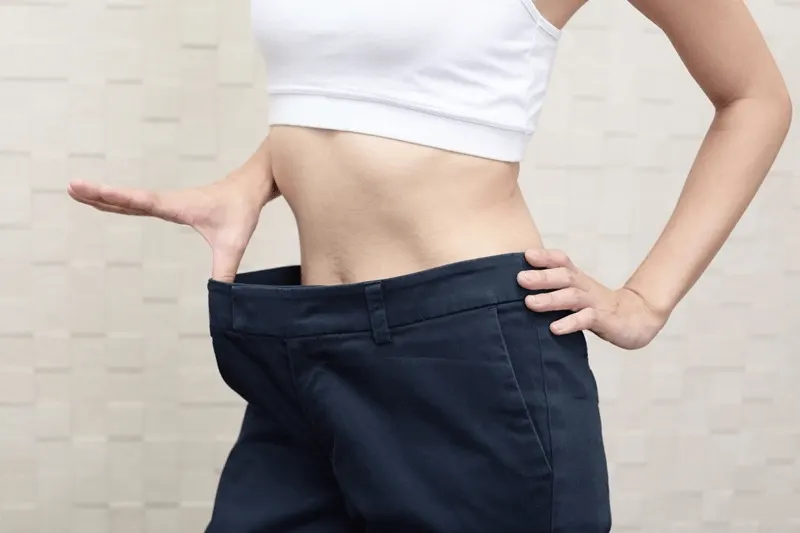
The same is true of the fat transferred during breast augmentation. Once you take diet pills and shrink the fat cells, your breasts after fat transfer will naturally be affected as well. The first three months after surgery are especially critical for whether the fat cells survive, and taking diet pills during this time undoes all your effort.
Besides eliminating the wrong daily habits, adjusting your diet can bring even better results!
1. Eat more protein
Fat transfer breast augmentation is followed by a recovery period in which diet is also an important factor. Here is how to eat so that you keep a high fat survival rate without regaining weight!
After surgery, the body's tissues and wounds urgently need repair, and what you need most is enough protein, the most important nutrient for wound healing. Good lean white-meat protein helps the body produce blood, and sea bass soup, the common "post-op recovery staple," is also a good choice.
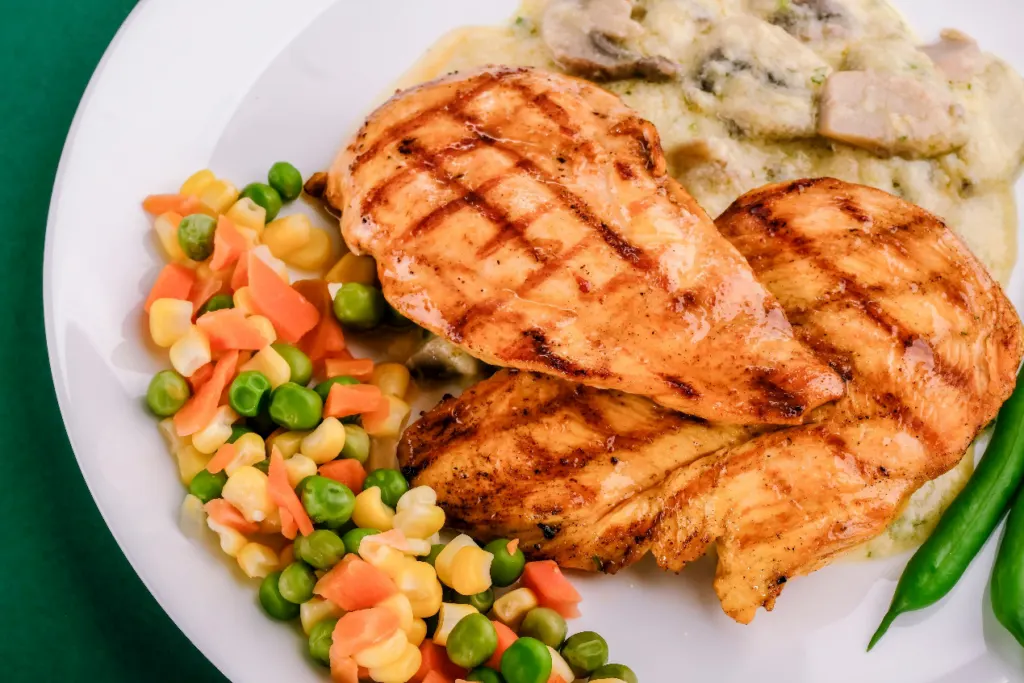
Alternatively, drink a high-protein beverage every day, such as avocado milk or soy milk, which can also improve the fat survival rate. Collagen-rich foods also help wounds heal, so you can eat more pig's feet, pork skin, fish maw, and black wood ear mushrooms.
2. Get more vitamins and minerals
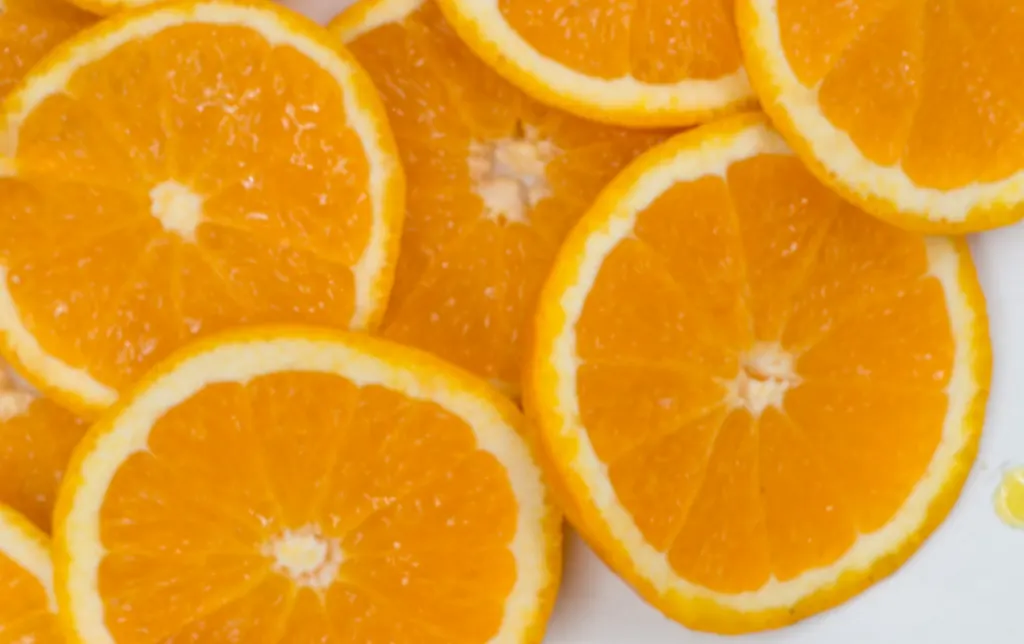
Besides protein, vitamins and minerals that support metabolism are also essential nutrients. B vitamins increase the body's absorption of protein, vitamin C promotes collagen growth and helps wounds heal, and vitamin E helps soften scars.
3. Eat less starch and irritating foods
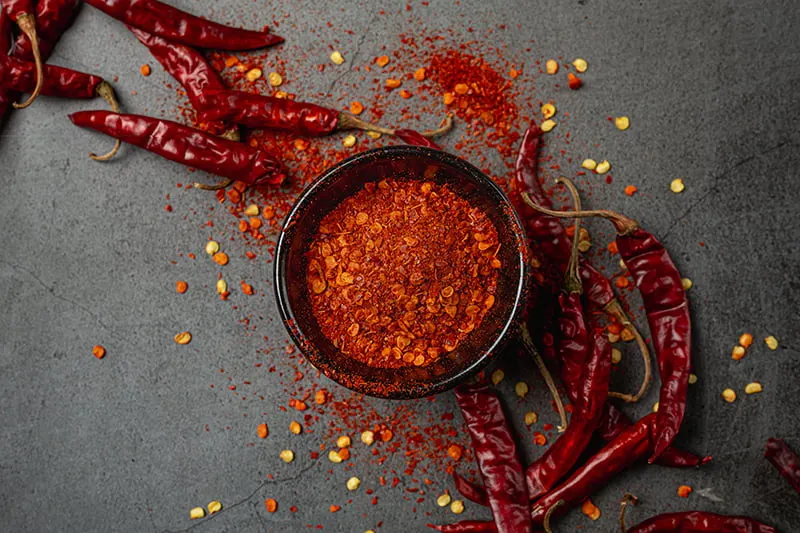
Cut back on starchy foods, sugary foods, and overly hot or irritating foods to avoid triggering inflammation in the body. Inflammation not only delays wound recovery but may even leave scars.
Doctors also recommend gaining 1-2 kg during the recovery period, so that the fat cells absorb more nutrients and the breast augmentation result looks better.
This article is for general information only. Results vary from person to person; please consult a doctor in person before deciding on any treatment.