Contents
In recent years, as society has changed, the desire for personal beauty and greater confidence has grown. Against this trend, breast augmentation has gradually come into the spotlight. People who want to improve the shape and size of their breasts, or who need breast reconstruction to achieve a look closer to their personal ideal, often want to try breast augmentation.
So what exactly is breast augmentation? How can you check the condition of your breasts yourself? What are the key points in choosing an implant material? And how should you care for yourself properly after surgery? This article covers each of these questions so you can understand breast augmentation more comprehensively!
What Is Breast Augmentation?
Breast augmentation is an invasive surgical procedure. Although medical technology has advanced, and tools such as endoscopes can reduce wounds and the risk of bleeding, the wound still needs time to heal. Swelling and discomfort are common in the first 3 days after surgery, and we recommend avoiding excessive arm movement.
Definition of Breast Augmentation
It mainly gives women the chance to increase breast size and improve breast shape. The surgery usually involves placing a volumizing or filling material beneath the breast tissue to increase breast volume and fullness.
What Should You Know Before Breast Augmentation?
Pain Level
Knowing what to expect helps you prepare mentally before surgery, and lets you plan ahead for any pain management methods you may need, so that the surgery and recovery go smoothly.
Risks and Complications
Because breast augmentation is a surgical procedure, it carries potential risks, including infection, bleeding, bruising, and implant displacement, as well as other problems. It may also lead to related complications.
What Are the Side Effects of Breast Augmentation? 3 Tips to Lower the Risk of Complications!
Expected Results and Limitations
Although breast augmentation can improve the size and shape of the breasts, it is important to keep realistic expectations. In other words, the results may not resolve every concern about appearance and confidence, and the surgery itself has some limitations.
Recovery Period
It varies with the type and extent of the surgery, and actual recovery time differs by individual and surgery type, so we recommend a detailed discussion with your doctor to make sure the surgery does not disrupt your work too much.
Incision Sizes Vary in Breast Augmentation
There are usually 3 common incision sites: the armpit, the areola, and the lower breast fold. Choosing the areola or the lower breast fold for the incision generally does not require dissecting extra tissue.
For Asians, however, skin tends to develop pigmentation, so special attention must be paid to preventing scarring.
Implant Placement Differs in Breast Augmentation
The surgical site and scarring are a common concern. The incision sites you can usually choose from are the areola, the lower breast fold, and the armpit.
The armpit is a popular choice because the wound is not easily exposed. Operating through the areola can achieve a more direct result but may carry a higher risk of infection. The lower breast fold usually has faster recovery but may involve scar formation.
What Are the Breast Implant Materials, and How Do You Choose?
Common implant types include Motiva, Sebbin, Mentor Prestige (Queen Wave), Mentor Classic (Smooth), Mentor Classic (Velvet), and the Mermaid Teardrop. Each filling material has its own advantages and characteristics, and the choice should be made after a full discussion with a qualified doctor, based on your personal goals, body characteristics, and risk tolerance.
Motiva
It can create a natural movement similar to that of a natural breast. The most notable feature is that no special massage is needed after surgery, making it an ideal choice for patients with busy daily lives who cannot set aside extra time for massage.
Sebbin
Sebbin has many advantages, one of which is that it can create a rounder breast shape and a deeper cleavage. Furthermore, Sebbin is especially suitable for body types whose upper breast lacks fullness. Using Sebbin can add firmness to the breasts and give the breast shape a fuller look.
Mentor Prestige (Queen Wave)
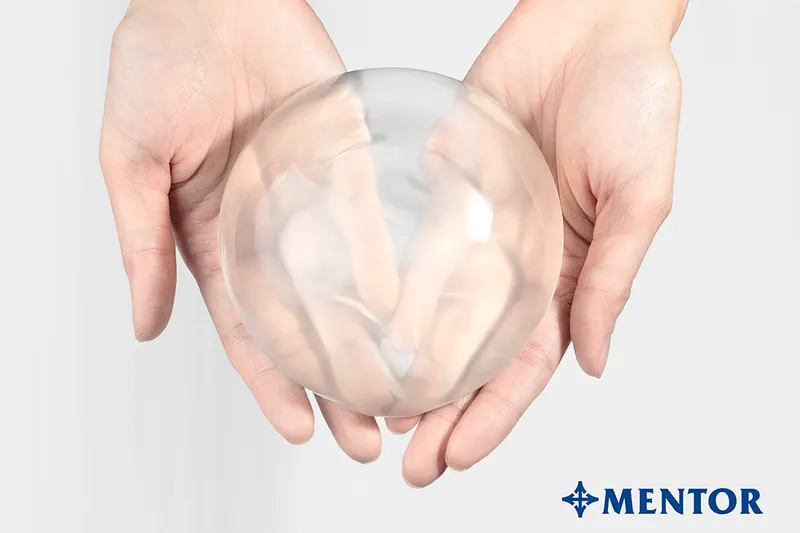
Mentor Prestige (Queen Wave) is a new-generation, round, disc-shaped, smooth-surface gel silicone implant. Unlike the mechanized processes of other brands that use a single fixed fill rate, Mentor Prestige (Queen Wave) uses AI-driven gel Precision Filling technology. Mentor Prestige (Queen Wave) has a customized design: for the height and outer diameter of each model, it achieves an excellent fill, bringing fullness close to 100%.
Gel Silicone
This is a filler widely used in plastic surgery, with properties that are soft, elastic, and viscous. Gel silicone is typically placed beneath the breast tissue to increase breast volume and improve shape. The texture of this filler is similar to breast tissue, giving a natural look and feel.
Mentor Classic (Smooth)
Its defining features are a smooth surface and soft texture, which can give the breasts a natural look and feel after breast surgery. The smooth surface helps reduce the risk of friction or shifting that may occur after surgery, and promotes better integration of the implant with breast tissue for a more natural appearance.
Mentor Classic (Velvet)
The velvet surface, also called a fine velvet finish, is one of the common surface treatments for implant materials. Its surface is covered in fine, velvet-like texture, with a soft, skin-friendly feel, which helps reduce possible friction and shifting after surgery while integrating better with breast tissue for a more natural look and feel.
Mermaid Teardrop
A teardrop-shaped breast implant has a more gently rounded upper portion that gradually transitions to a fuller lower portion. This design helps create a natural breast contour, making it look visually closer to the shape of a natural breast. Teardrop-shaped implants are typically used in breast augmentation for those seeking a more natural look.
Perle
A 100%-filled gel silicone implant that online users have nicknamed "bubble tea," Perle is divided by volume and base width into Moderate, High, and Extra High, with 38 sizes in total to choose from. It has a low capsular contracture rate, impact resistance of up to half a ton, and a lifetime warranty
Yingbo
A sixth-generation round silicone implant: Yingbo is a 100%-filled implant, which makes rippling after surgery less likely. Yingbo has a smooth surface, a soft feel, up to 540% elasticity, and a lifetime warranty
Autologous Fat Filling
Also known as autologous fat transfer, it involves harvesting fat from other areas of the patient's body, processing it, and injecting it into the target area to improve appearance and add volume. The main advantage is that no foreign filler is needed. It uses the patient's own tissue, reducing the risk of rejection and allergy while achieving more natural and longer-lasting results.
What Does Aftercare Involve After Breast Augmentation?
No matter the type of surgery, some pain and discomfort usually follow. So what aftercare steps can help ensure the results of the surgery last?
In fact, besides the usual medical aftercare of anti-inflammatory and anti-swelling IV drips, a post-surgery support bra, scar-reducing injections, recovery IV drips, and a photon recovery device, you can also work on your diet, such as post-surgery nourishing meals, which is also quite beneficial during the recovery period.
2023 Breast Augmentation Costs Revealed! A Full Breakdown by Implant Type
Care for Swelling and Holding the Breast Shape in Place
The first 1 to 3 days are usually when swelling and discomfort are most likely to occur. Patients are advised to keep wearing a dedicated chest band or bra for 72 hours.
Meanwhile, keep the wound dry and clean, and do not sleep on your stomach or massage the area. If you feel severe pain, use an appropriate pain medication as your doctor advises, or try cold compresses to relieve the discomfort.
Strengthening Wound Care After Breast Augmentation
Usually, in the 3 to 7 days after surgery, swelling and pain gradually ease, and patients can return to about 70% to 80% of their normal daily activities. When the wound is covered with waterproof tape, you can shower normally, but you should avoid soaking for long periods in humid environments such as swimming pools, bathtubs, or saunas, which can soften the stratum corneum of the skin, affect wound healing, and increase the risk of infection.
Stitch Removal and Daily Care
Whether stitches need to be removed after surgery depends on the suture material used and the size of the incision. Surgery at NAISS CLINIC uses endoscopic assistance and absorbable sutures, so the wound does not need stitch removal.
If non-absorbable sutures are used, we recommend waiting about 1 to 2 weeks, until the wound has mostly healed, before removing them. You can also consider using surgical tape or a scar-fading ointment to promote tissue repair.
What Are the Side Effects of Breast Augmentation? 3 Tips to Lower the Risk of Complications!
Breast Augmentation FAQ at a Glance

How Long Is the Recovery Period After Breast Augmentation?
Office workers with desk jobs can usually return to work about 1 to 2 days after surgery.
However, for physically demanding or more active jobs, we recommend waiting until you have fully recovered after surgery before resuming work, which takes about 2 weeks.
Is Breast Augmentation Very Painful?
On a pain scale of 0 to 10, natural childbirth is about 9 to 10, while pain during recovery after breast augmentation averages about 2 to 3, which is within an acceptable range.
How Long Does Swelling Last After Breast Augmentation?
The first 1 to 3 days after surgery are usually when swelling and discomfort are most likely to occur, because placing the implant during surgery can cause a feeling of tightness and muscle soreness. In general, swelling and pain gradually fade 3 to 7 days after treatment, and you can return to about 70% to 80% of your normal daily activities.
What Should I Eat After Breast Augmentation?
Maintain a healthy routine and make sure you get enough nutrition, which gives the body the energy and nutrients it needs to repair the wound. You can consider taking a moderate amount of collagen, which helps tissue recovery, or eating more foods rich in vitamin E, which helps fade scars.
How Do I Care for the Wound After Breast Augmentation?
Basic wound care is essential, including preventing wound infection, keeping the wound away from water, and avoiding activities that involve strenuous exercise or pulling, along with plenty of rest and recovery, which helps the wound heal.
What Should You Eat After Breast Augmentation? How Long Is Recovery? A Doctor Answers It All
Do you envy influencers and celebrities with eye-catching busts? Have you ever felt troubled because you lacked confidence in your own chest? Breast augmentation technology is now very advanced, so are you considering this option too? This article helps you choose the most suitable surgical approach within your budget, so you can start a better life afresh!
This article is for general information only. Results vary from person to person; please consult a doctor in person before deciding on any treatment.