Contents
- Can thin people really not have fat transfer breast augmentation?
- Fat transfer breast augmentation can add only 1 cup size
- What cup size suits you if you want natural-looking breasts?
- Which augmentation method suits different body types?
- Can postpartum mothers with sagging breasts not improve them with fat transfer breast augmentation?
- How are fat transfer and implant breast augmentation priced?
- Before and after fat transfer breast augmentation: what to know
- Keys to successful fat transfer breast augmentation
Plenty of articles online say that thin people cannot have fat transfer breast augmentation, because being thin means having little fat, so not enough can be harvested, or the breast space is too small to take much even if fat is harvested. Some even say the transferred fat turns into hard lumps that the breast cannot fully absorb. But is that really true?
Can thin people really not have fat transfer breast augmentation?
"No matter how thin you are, you can have liposuction, and if you can have liposuction, you can of course have fat transfer breast augmentation!"
Dr. Kuo-Chun Liao, Director of NAISS CLINIC, says that before getting fat transfer breast augmentation, the physician must assess whether the patient has enough fat. With at least 100 cc of fat, fat transfer breast augmentation is possible! Whether the fat is used as a base layer or to refine the surface, the harvested fat can be used flexibly, adjusted gradually in increments as small as 1 cc, to make the overall look better.
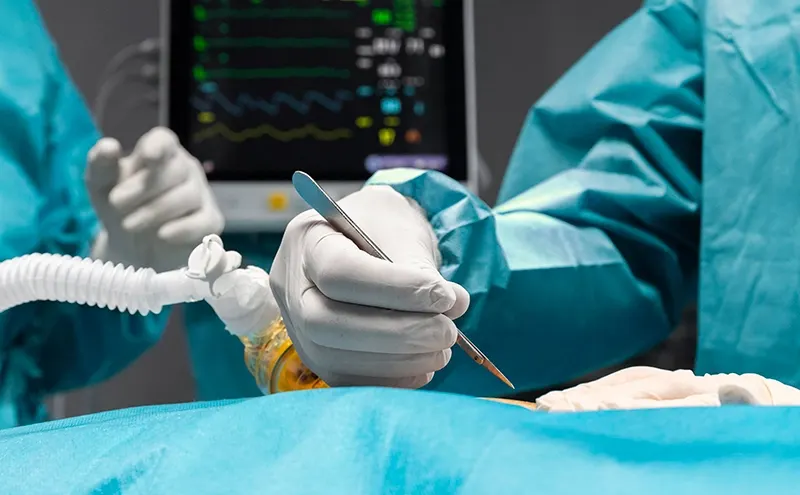
If someone is naturally very thin and never gains weight no matter what they eat, or has unhealthy habits such as staying up late, smoking, or drinking that raise the body's inflammation markers and cause fat to be lost easily, or has an internal medicine condition such as heart disease or high blood pressure that raises surgical risk, such cases are less suitable for fat transfer breast augmentation.
Fat transfer breast augmentation can add only 1 cup size
"Fat is like a bunch of grapes: the more gently you pick it, the less it gets bruised!"
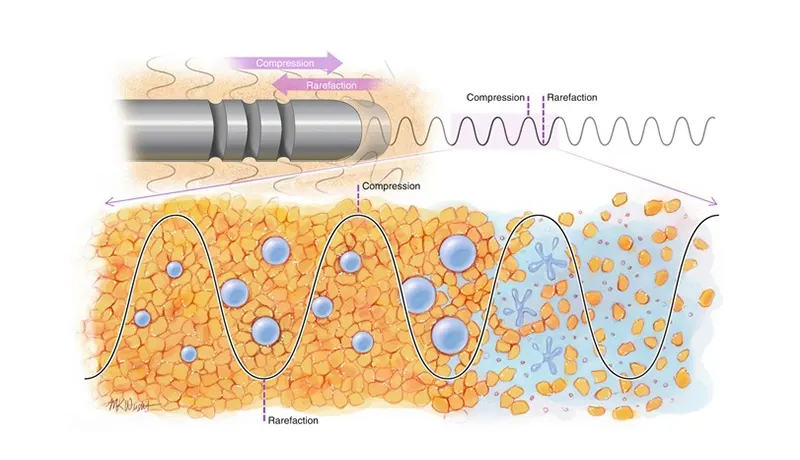
Dr. Liao points out that fat harvesting techniques have advanced considerably. The latest generation of VASER liposuction uses gentle ultrasound energy to make the fat resonate and shake loose on its own, which protects the fat compared with traditional liposuction. But how many cup sizes fat transfer breast augmentation can add depends first on whether you have enough fat. On average, it can add 1 to 1.5 cup sizes.
Fat harvested with VASER liposuction and purified with the Weicui system has a survival rate of up to 80%, which makes it very well suited for fat grafting. Provided there is enough fat, gaining 2-4 cup sizes in a single session is no problem.
What cup size suits you if you want natural-looking breasts?
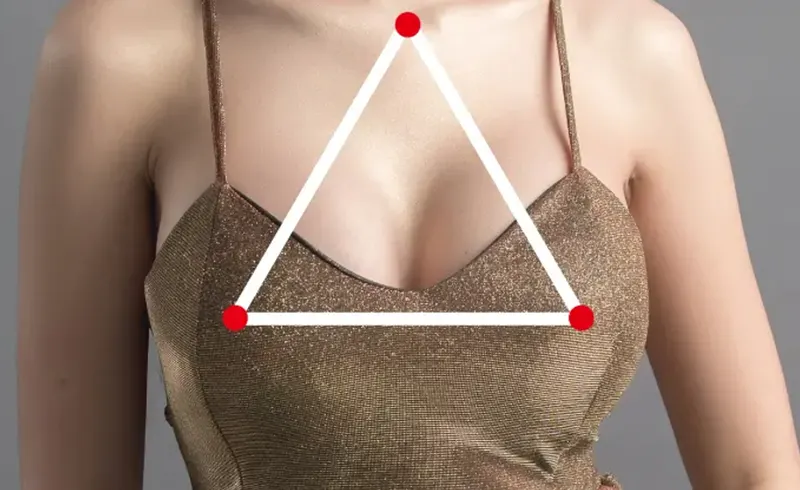
Dr. Liao explains that breasts have a golden ratio. The point where the two collarbones meet is the apex of a triangle, and together with the two nipples it forms a triangle with a ratio of 1:1:1.681, the most natural and attractive golden-ratio breast shape in terms of visual aesthetics.
Which augmentation method suits different body types?
1. Slim body types
For slim patients, Dr. Liao recommends combined breast augmentation: implants provide the main volume and the visual effect of a larger bust, while fat from local areas of excess is used to refine the overall natural look for a better result.
2. Fuller body types
Fuller patients are typically postpartum mothers who were fit in their youth but whose figures changed after childbirth, leaving a belly pooch. Dr. Liao says the clinic also offers a "Postpartum Mommy Revival" program that addresses the problem of going from a fit young woman to a pear shape after childbirth. He likewise recommends combined breast augmentation: liposuction first removes unwanted local fat such as the lower abdomen, saddlebags, and lower back, and then implants are used to rebuild the breast shape. Postpartum breasts tend to sag because of breastfeeding, and the biggest advantage of implants is their stronger support, which creates firm, perky breasts with defined cleavage.
Can postpartum mothers with sagging breasts not improve them with fat transfer breast augmentation?
Dr. Liao explains that postpartum breast sagging has three grades: mild, moderate, and severe. Look closely at the lower fold of the breast and you will see a natural crease. In young, healthy breasts, the nipple sits above this line, giving the breast a natural look. As we age, the nipple gradually drops. A nipple just touching the line is mild sagging, a drop of about 2-3 cm is moderate sagging, and more than 5 cm is severe sagging, commonly known as "bag-like breasts."
Dr. Liao further points out that mild breast sagging can be treated with fat transfer breast augmentation. Although fat does not provide as much support as an implant, the sagging is not severe, so fat grafting can hold it up. Moderate and severe sagging can only be addressed with implants, because implants have higher cohesiveness and better support, which is what it takes to fix postpartum breast sagging.
View case: Fat grafting improves an underfilled upper chest for natural, real, rounded breasts
How are fat transfer and implant breast augmentation priced?
The prices of fat transfer and implant breast augmentation vary with the experience of the medical team, the surgical technique, the precision of the surgical equipment, and the implant material. Fees also fluctuate with special requests or when the augmentation is more difficult. Typical market prices are: fat transfer breast augmentation at about NT$150,000-200,000, Mentor breast augmentation at about NT$200,000-250,000, Sebbin breast augmentation at about NT$300,000-350,000, Motiva breast augmentation at about NT$300,000-350,000, and Mentor Premium (Queen Wave) breast augmentation at about NT$400,000-450,000.
| Fat transfer breast augmentation | Implant breast augmentation | |
|---|---|---|
| Material | Your own fat | Cohesive silicone gel |
| Procedure | Harvest fat and graft it back | Implant placement |
| Incision size | About 0.2 cm (pinhole size) | About 3-4 cm |
| Pros | Real, natural feel Body contouring at the same time | Many shapes and sizes Can go up several cup sizes at once |
| Cons | Limited cup size increase | Higher cost |
| Downtime | About 1 month | About 1-3 months |
| Price | From about NT$150,000 | From about NT$200,000 |
2023 Breast Augmentation Costs Revealed! A Complete Breakdown by Implant Material
Before and after fat transfer breast augmentation: what to know
Before surgery
- Fat transfer breast augmentation is not recommended for people who are too thin with insufficient fat (body fat percentage under 16), people with very tight breast skin (staged surgeries are advised), or people with many fibrocystic lumps
- Fast for 8 hours before surgery, including water and food
- On the day of surgery, do not wear metal items, contact lenses, or valuables; do not wear makeup; and do not drive a car or ride a motorcycle yourself
- Stop taking aspirin-type and anticoagulant medications 2 weeks before surgery to avoid hematoma or heavy bleeding
- Tell your physician your medication history, allergy history, and so on. People with cardiovascular disease, kidney disease, diabetes, blood disorders, or other acute or chronic conditions need a physician's assessment of whether liposuction is suitable
After surgery
- After surgery, wear a wire-free, non-compressive bra, do not sleep face down, and avoid pressing on the breasts
- Avoid irritating foods and drinks after surgery, such as tobacco, alcohol, tea, coffee, and chili
- Swelling and soreness may occur after surgery and gradually ease in about 7-14 days
- Avoid lifting heavy objects for 1 month after surgery
- Avoid hot places such as hot springs and saunas for 2 months after surgery
- From 1 month after surgery, moderate underarm lymphatic massage and chest-expanding exercises can make the breasts softer
- The first 3 months after surgery are the golden period. Do not diet or lose fat during this time, and make sure to get enough protein and other nutrients
Keys to successful fat transfer breast augmentation
Physician skill
A professional physician with extensive clinical experience can harvest from different areas and at different depths to obtain healthy fat, and graft precisely and evenly, with better control of the grafted volume. If too little fat is grafted, the augmentation effect is not obvious; if too much is grafted, the blood supply and oxygen can be insufficient, and calcification or lumps can appear after fat transfer breast augmentation.
Professional instruments and equipment
Using VASER liposuction, which releases ultrasound to create hundreds of fine bubbles, large fat clumps are separated into smaller ones, and a spiral water flow then separates the small clumps into distinct individual fat cells. The process involves no tearing injury or high-heat laser stimulation, does not damage surrounding blood vessels, nerves, or connective tissue, and effectively reduces bleeding, bruising, and pain, leaving the skin at the surgical site firm rather than loose after surgery.
Individual constitution and post-operative care
Part of the fat survival rate in fat transfer breast augmentation depends on individual constitution. For people who stay slim easily, maintaining fat after surgery is harder. This makes it even more important whether you have a skilled physician and professional post-operative care.
This article is for general information only. Results vary from person to person; please consult a doctor in person before deciding on any treatment.