Contents
- How to Choose Breast Augmentation? Understand the 2 Main Methods First
- How to Choose Breast Implant Materials? Common Implant Differences at a Glance
- Which Breast Implant Material Is Right for You?
- Does Breast Augmentation Leave a Scar? Where Are the Incisions, and How Do They Differ?
- How to Choose Breast Augmentation Without Regret? Common Questions Answered
- How Should You Care for Yourself After Breast Augmentation?
For most people considering breast augmentation, the biggest question is not whether to do it, but rather—
how do you choose a breast augmentation that looks natural and leaves no regrets?
There are more and more breast augmentation options today, from fat transfer and cohesive silicone gel to a range of brands and implant materials, and each choice affects how natural the result looks, how it feels, and the recovery period.
Therefore, before evaluating breast augmentation surgery, besides understanding the different types of surgery and material differences, you also need to grasp the key points of pre-op evaluation and post-op care, so you can lower risk and make the choice that best suits you.
Starting from the question of how to choose, this article sets out surgical methods, material comparisons, and pre- and post-op precautions to help you make the most confident decision among the many breast augmentation options.
How to Choose Breast Augmentation? Understand the 2 Main Methods First
Before choosing breast augmentation surgery, the most important first step is to understand the two mainstream surgical approaches available today.
Clinically, breast augmentation falls mainly into two types: "implant-based" and "autologous fat filling," which differ clearly in principle, results, and suitable candidates.
Implant Breast Augmentation (Artificial Implants)
Implant breast augmentation is currently the most common approach. Through surgery, an artificial implant is placed within the breast tissue (mostly under the pectoralis major or in the fascial layer) to increase breast volume and shape the breast.
Common materials include:
- Saline implants
- Cohesive silicone gel
- Newer silicone implants such as Motiva and Queen Wave
Clinical features:
- Can noticeably increase cup size in one session (about 2 cup sizes or more)
- Allows precise control of breast shape (round or teardrop)
- Stable results that last a long time
Suitable for: those who want a "clear upgrade in breast shape," or who have low body fat and not enough fat to harvest
Fat-Filling Breast Augmentation (Autologous Fat Transfer)
Fat-filling breast augmentation mainly uses your own fat: after liposuction and purification, the fat is injected into the breasts for a naturally larger result.
Clinical features:
- The feel closest to natural breasts
- No artificial implant, with good biocompatibility
- Can contour the body at the same time (at the liposuction sites)
Please note:
- Fat survival rate is about 50-70% (depending on the doctor's technique and your constitution)
- A single session adds a limited amount (about 1-1.5 cup sizes)
- Some cases need multiple fat top-ups
Suitable for: those who want a "natural feel" or a subtle adjustment of breast shape
Each of the two surgeries has its own advantages and precautions, so the best choice depends on your personal needs and your doctor's recommendation.
| Implant breast augmentation | Implant breast augmentation | Implant breast augmentation | Fat-filling breast augmentation | |
|---|---|---|---|---|
| Motiva | Saline implant | Cohesive silicone gel | Fat transfer breast augmentation | |
| How it works | An artificial implant is placed under the pectoralis major | An artificial implant is placed under the pectoralis major | An artificial implant is placed under the pectoralis major | Autologous fat transfer |
| Cup size increase | Up to 2 or more cup sizes in one session | Up to 2 or more cup sizes in one session | Up to 2 or more cup sizes in one session | Up to 1-1.5 cup sizes in one session |
| Longevity of results | Long-lasting if the implant does not rupture | Long-lasting if the implant does not rupture | Long-lasting if the implant does not rupture | Up to 5 years |
| Feel of the breast | Soft and bouncy | Feels firmer | Bouncy | Very soft |
| Best suited for | Slim build | Sufficiently thick subcutaneous tissue | Slim build | Short-term needs |
| Surgery time | 3-4 hours | 3-4 hours | 3-4 hours | Under 1 hour |
| Normal breastfeeding | Yes; breast augmentation surgery does not damage the mammary glands | Yes; breast augmentation surgery does not damage the mammary glands | Yes; breast augmentation surgery does not damage the mammary glands | Yes; breast augmentation surgery does not damage the mammary glands |
How to Choose Breast Implant Materials? Common Implant Differences at a Glance
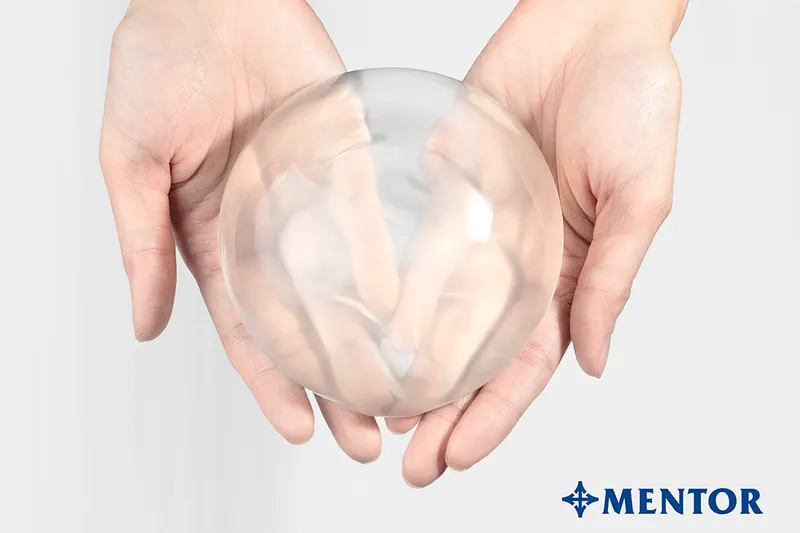
Mentor Classic (Smooth)
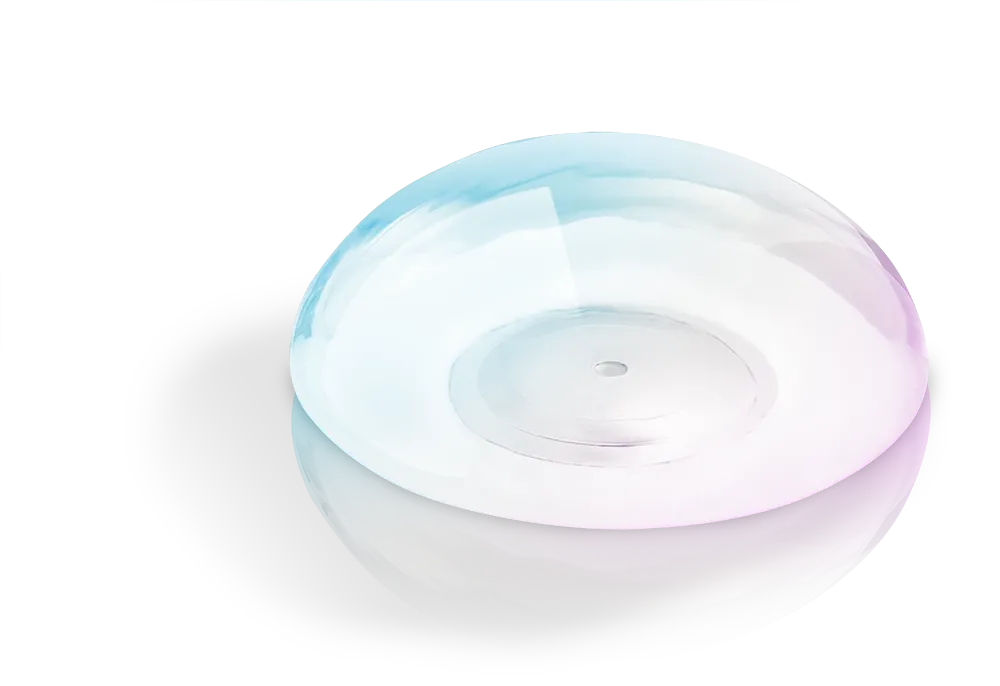
Cohesive silicone gel is a highly cohesive silicone, so even if there is an accidental hole, it will not leak out. Because smooth-surface implants still have the best feel of any implant, even with so many implant options now, smooth-surface cohesive gel implants remain the choice of many clients. After surgery, smooth-surface implants need massage so they are less likely to develop capsule problems later.
Mentor Classic (Textured)
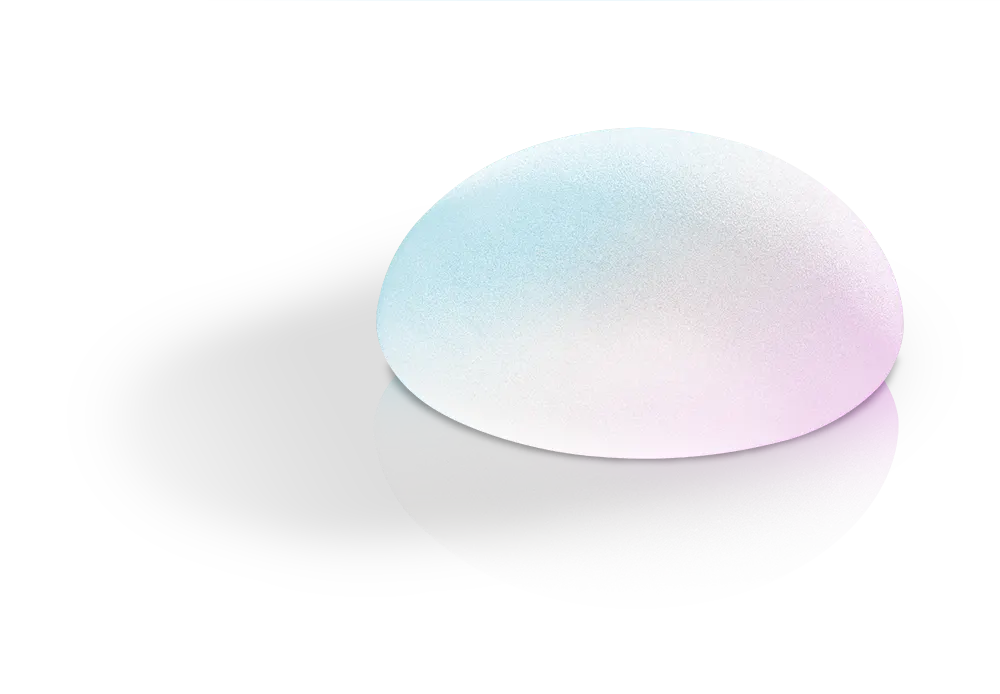
Textured implants abandon the smooth shell of the past and use machine embossing to turn the smooth shell into a matte surface. Textured implants are more compatible with body tissue, making better contact with muscle and with the soft tissue of the skin, and they are less likely to slip. At the same time, no massage is needed after surgery, with no problems resulting.
Mentor Elegance (Teardrop)
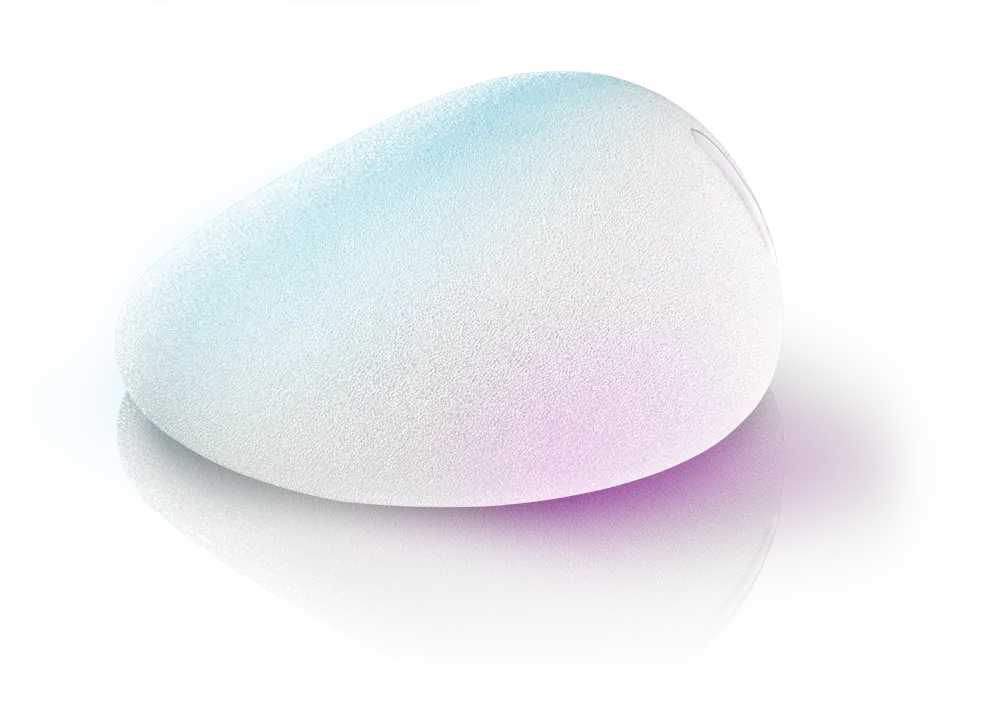
The Mentor Elegance (teardrop) type is thinner at the top and thicker at the bottom. Because it forms a natural teardrop, it is also called the "mermaid teardrop." It gives excellent support to the lower edge of the breast, tilting the nipple slightly upward for a natural breast shape. This implant fits closely to the body, needs no massage after surgery, has a bouncier feel, and can reach the ideal cup size in one session.
Mentor Prestige (Queen Wave)
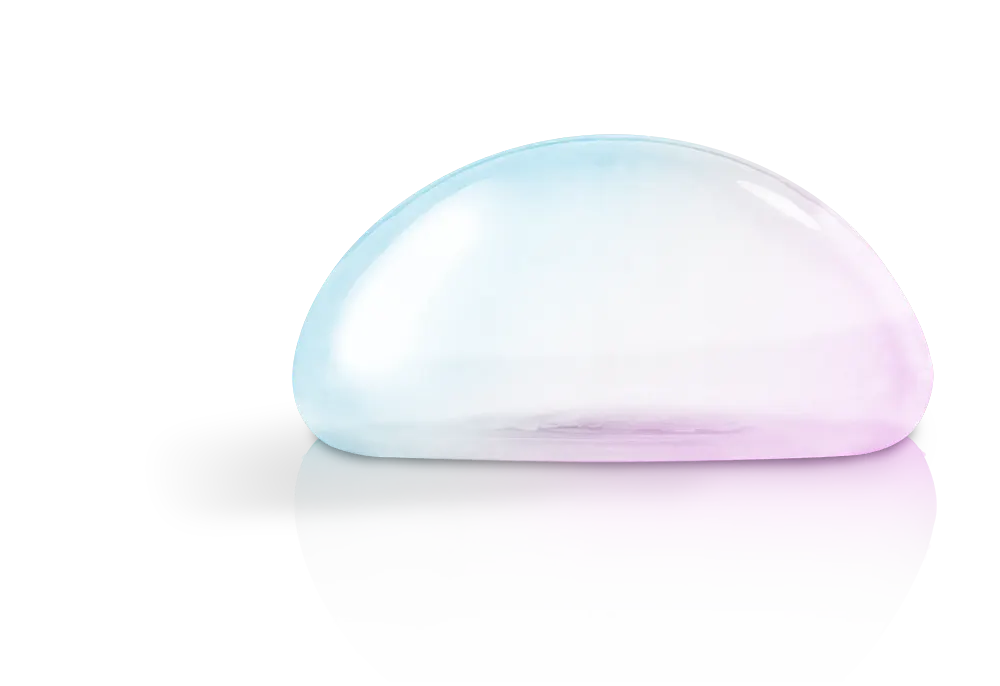
Mentor Prestige (Queen Wave) is a new-generation silicone implant material that can be customized for excellent fill volume across different heights and sizes, with fullness close to 100%. The outer shell of Mentor Prestige (Queen Wave) is thin yet tough, and the gel is soft and fluid, reducing drawbacks such as top-pole hollowing and rippling, giving the breasts a rounder, fuller, more three-dimensional and firm shape!
Sebbin Micro-Textured
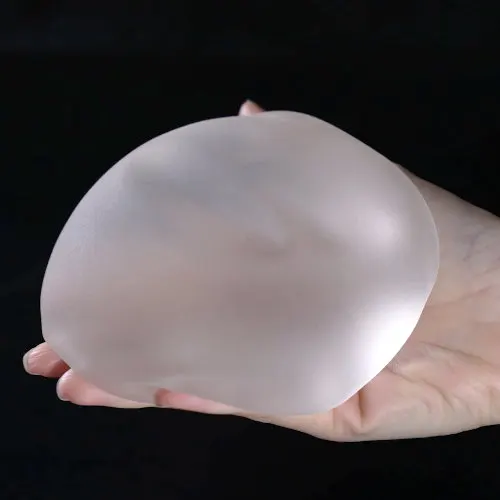
Sebbin micro-textured implants, known simply as Sebbin, are the latest breast implant material introduced from Europe. Sebbin implants inherit all the advantages of earlier implants, with further refinements for the best results. They use a nano-velvet surface similar to Motiva implants but with a lower capsule formation rate, and need no massage. Sebbin implants have an 88% fill rate and a soft, smooth texture, letting you enjoy the best feel.
Motiva Textured Surface
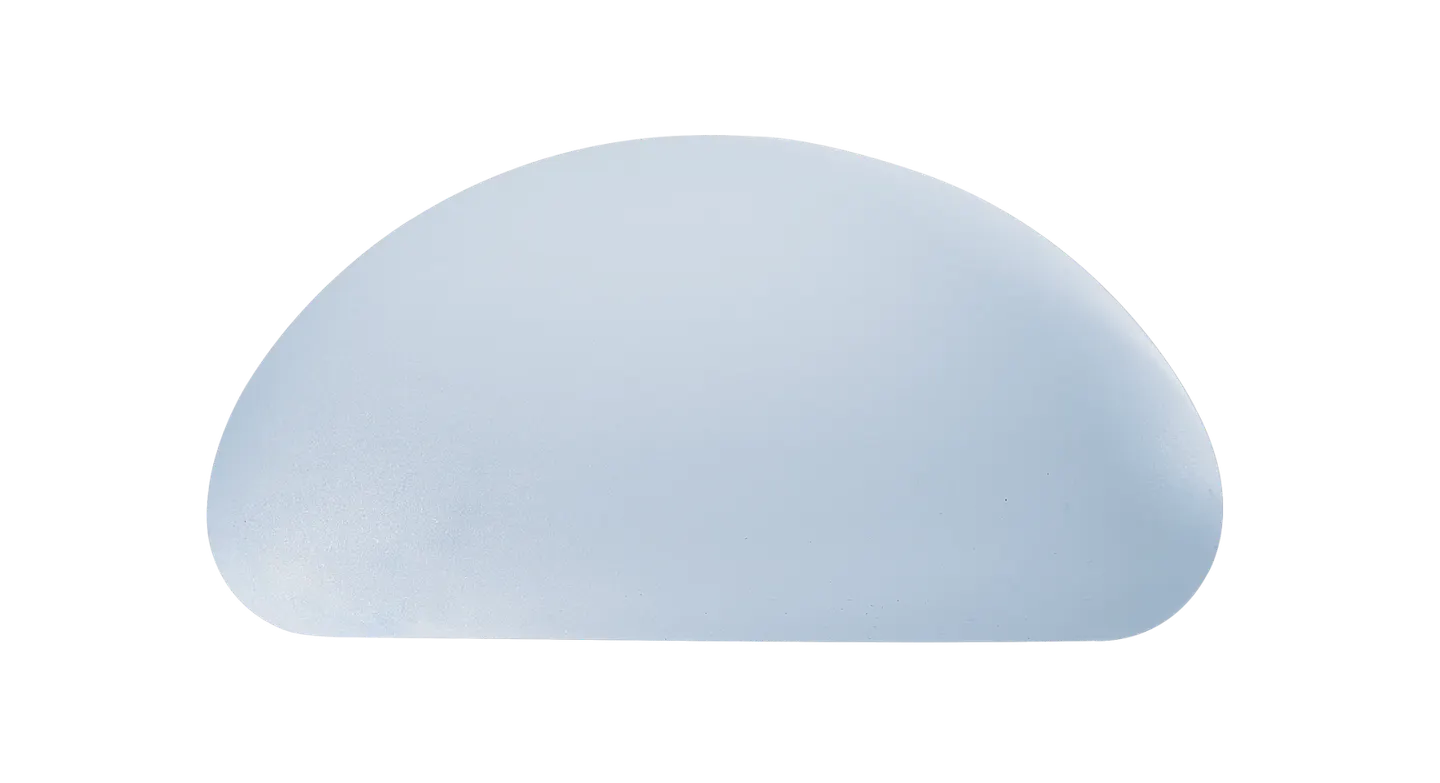
Motiva textured implants have been a very popular choice in the past two years. Their surface uses a new technology called nano-texture. Motiva textured implants offer the benefits of a smooth surface as well as those of a textured surface, and they are also compatible with body tissue; the cohesive gel itself is also highly elastic, so it is not easily damaged or deformed.
Fat Transfer Breast Augmentation
"Fat transfer breast augmentation" uses excess fat from specific areas of the body, which is harvested and purified and then transferred to the breasts to enlarge them and adjust their shape. Because this method fills with your own fat, it can achieve an extremely natural breast feel, which other implants cannot match. For women who do not want artificial implants, want a low-key way to upgrade the breasts, and want to reuse their own fat, fat transfer breast augmentation is an excellent choice.
Which Breast Implant Material Is Right for You?
There are many materials to choose from for breast augmentation. But how do you pick the one that suits you best? This requires weighing several factors, including feel, post-op massage, and the size and location of the surgical incision. After all, some people care more about appearance while others care more about feel.
It is therefore best to have a thorough discussion with your doctor to determine the surgery that fits your personal needs and desired results. This will help your breast augmentation reach a satisfying outcome and bring your vision of your appearance to life.
Does Breast Augmentation Leave a Scar? Where Are the Incisions, and How Do They Differ?
Scars from breast augmentation depend on the incision location; incisions are usually about 3-4 cm. Below are common approaches for each incision location.
Periareolar incision
A periareolar incision is about one-half to one-quarter of the circumference of the areola. This incision allows larger implants, and the scar color is close to that of the areola, so after healing it is almost invisible. However, if the areola is smaller than 2 cm, this incision is not recommended.
Inframammary fold incision
Breast augmentation through the inframammary fold incision is close to the breast, so less breast tissue is disturbed and the operation time is shorter. However, the scar may be more noticeable. This incision is suitable for women with ample breast tissue.
Axillary incision
With the axillary incision, the scar is hidden in the armpit crease, so it is relatively hard to notice, but the surgical area is easily pulled and the recovery period is relatively longer. This incision is suitable for people who need only a slight adjustment of breast shape, with implants of about 0.5 to 1 cup size.
Umbilical incision
Umbilical (navel) breast augmentation is a minimally invasive method performed through an incision of under 3 cm in the navel. Instruments carry the breast implant to the designated position, and in the end the scar is hidden inside the navel. Breast augmentation through the navel needs only a single wound, whereas the other approaches all require two. With fewer and smaller wounds, it is better for the body in terms of both safety and recovery speed.
Common incision locations:
| Incision location | Advantages | Limitations |
|---|---|---|
| Areola | Scar well hidden | Size limit |
| Inframammary fold | Stable to operate | More visible scar |
| Armpit | Hidden appearance | Longer recovery |
| Navel | Minimally invasive | Limited suitability |
The actual choice depends on areola size, breast shape, and the implant.
How to Choose Breast Augmentation Without Regret? Common Questions Answered
From clinical cases, most dissatisfaction after surgery is not simply a matter of surgical technique, but comes from poor choices or insufficient evaluation before surgery.
Breast augmentation is a surgery whose results depend heavily on planning. If there is a gap in material, size, or expectations, satisfaction can drop even when the surgery itself is successful.
Here are the most common reasons for regret clinically:
Chasing a very large size at the expense of natural proportions
Many people tend to want to go "straight to the largest cup size" before surgery, but if chest width, skin tension, and body proportions are not taken into account,
the following may appear after surgery:
- A breast shape that is too stiff or set too far apart
- An upper chest that is too high, with unnatural bulging
- Poor harmony with the overall body shape
Doctors usually advise adjusting the size "within what your body proportions can bear" rather than simply pursuing a large size
Mismatch between material and body type
Different implant materials place different demands on tissue conditions, and a poor choice can easily lead to:
- Rippling (especially in people with thin subcutaneous fat)
- A feel that is too firm or unnatural
- A visible implant outline
For example:
- Low body fat with an implant that is too thin → a less natural look
- Choosing fat transfer without enough fat → an unnoticeable result
The key is that the material must match skin thickness and fat volume, not just the brand or price
Not understanding the recovery period
Breast augmentation is not a surgery with an "instant final shape"; there is a transition period after surgery:
- Early swelling and tightness
- A firm feel or a higher breast position
- The breast gradually settles lower and looks more natural (over about several weeks to months)
If you do not have the right expectations of the recovery process,
you may mistakenly think the surgery has failed and feel unnecessary anxiety.
Understanding the recovery period correctly is an important key to reducing the post-op psychological gap
Overlooking the importance of post-op care
Post-op care directly affects the final result. Not following your doctor's instructions can increase the risk of complications, such as:
- Not massaging (smooth-surface implants) → higher chance of capsular contracture
- Vigorous exercise too early → affects implant position
- Not stabilizing the breast shape → leads to displacement or asymmetry
Most problems of "hardening and deformation" are closely linked to post-op care
Choosing based on price alone
Some consumers use price as the main basis for their evaluation, but overlook:
- The doctor's experience and skill
- The completeness of surgical planning and evaluation
- The materials used and their safety
This may lead to:
- Results that fall short of expectations
- Even the need for a revision surgery (which can cost more in the end)
How Should You Care for Yourself After Breast Augmentation?
Key points of care after breast augmentation include:
Do not shower for the first three days to keep water off the wounds, then cover the wounds with waterproof tape.
For the first week after surgery, keep the wounds securely fixed by wearing a chest band or elastic bandage, using breathable gauze or cosmetic tape to hold the wounds in place.
Improve your sleeping position: sleeping on your back is best, and you can use body pillows to adjust your posture. Keep a normal daily routine.
Apply scar-fading gel to the wounds and massage to improve the look of the scar tissue and reduce contracture.
Rest appropriately to help the muscles recover, and avoid overusing the arms.
Wear a comfortable sports bra and avoid underwire bras to reduce pressure.
Keep good eating habits, quit smoking and drinking, and take in more nutrition and fluids.
Stay in close contact with the clinic and watch for changes in your body; if you feel unwell, return early for evaluation.
What Should You Watch in Your Diet After Breast Augmentation?
Maintain a healthy lifestyle and a balanced diet to provide the nutrients and energy needed for wound repair. It is best to take in more collagen to promote tissue recovery, and to eat more foods rich in vitamin E to help fade scars.
What Symptoms Occur After Breast Augmentation?
After breast augmentation you may have breast swelling and a tight, uncomfortable feeling, because the implants stretch the breast tissue. It is best to reduce activity, and avoid too much exercise even after the swelling goes down, so that side effects do not worsen or cause stabbing pain.
How Do You Ice After Breast Augmentation?
In the first three days after breast augmentation, the breasts may swell and hurt. To relieve this discomfort, we recommend using ice packs. Right after surgery, ice the area through gauze, at least four times a day for about 30 minutes each time. This helps reduce bleeding, relieve swelling and pain, and promote a comfortable recovery.
Do You Need to Massage After Breast Augmentation?
After implant breast augmentation, the body produces an immune response called a capsule because a foreign object has been implanted. Without regular breast massage, the capsule may gradually thicken. This can make the breast hard and deformed after 1-3 months, with up to a 30% chance of capsular contracture, leaving the breast feeling stone-hard, like a "rock breast." Therefore, massage is an important step in keeping the breast soft and well shaped.
Can You Exercise After Breast Augmentation?
After breast augmentation, you need to be especially careful during the transitional healing period.In the first month after surgery, we recommend avoiding use of the chest muscles, so you can focus on lower-body exercise. Once you get past this month, you can usually return to your normal exercise pattern and your previous fitness habits, but make sure you allow enough time to recover and adapt.
What Are the Complications of Breast Augmentation? 3 Tips to Lower the Chance of Side Effects!
What to Eat After Breast Augmentation? How Long Is Recovery? Doctors Answer Everything
Do you envy the influencers and celebrities with eye-catching busts? Have you ever been troubled by feeling unconfident about your own breasts? Technology is now very advanced, and choosing the right surgical method can achieve the look you want. However, breast augmentation requires weighing many factors as well as professional surgical knowledge. So to get a beautiful breast contour, it is best to choose an experienced, professional doctor to help you.
This article is for general information only. Results vary from person to person; please consult a doctor in person before deciding on any treatment.