Contents
When people consider breast augmentation, the question they run into most often is: "Should I get fat transfer or implants?"
Each method has its pros and cons, and neither is necessarily better. The key is whether it fits your body type, the results you expect, and your lifestyle needs. This article walks you through a full comparison of results, natural look, cost, and suitable candidates to help you find the breast augmentation method that suits you.
What Is Fat Transfer Breast Augmentation?
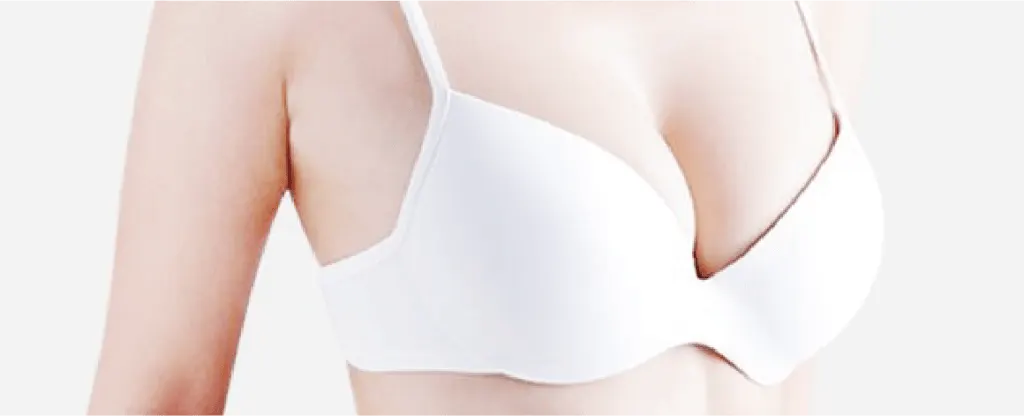
Fat transfer breast augmentation harvests fat from other parts of your body and injects it back into the breasts. It suits people who want to refine breast shape, correct uneven breast sizes, or address post-pregnancy sagging, as well as those who cannot accept implants. It enlarges the breasts while also slimming the body.
The advantage of fat transfer is that it looks more natural and carries lower risk. Because the fat comes from your own body, there is no need for massage after surgery, no rejection by the body, and no capsular contracture.
The drawback is that each procedure can add at most 1.5 cup sizes, so it suits people who are already a B cup or larger.
What Is Implant Breast Augmentation?
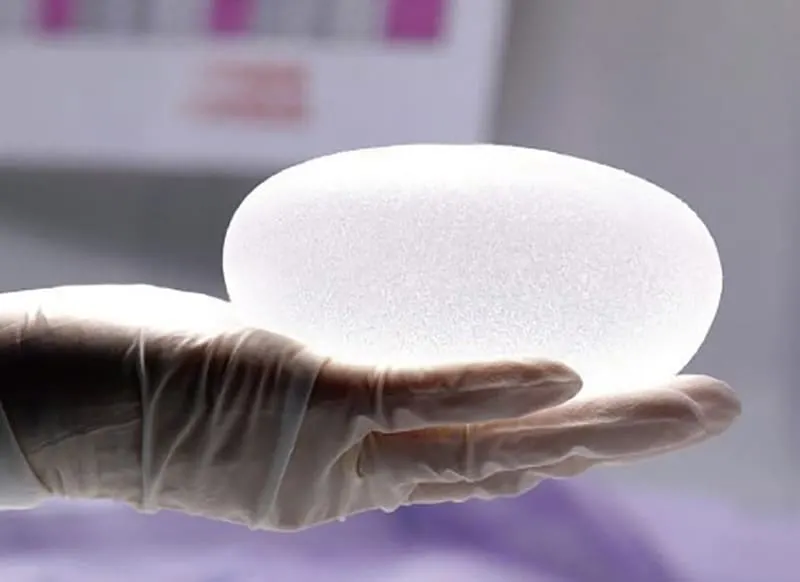
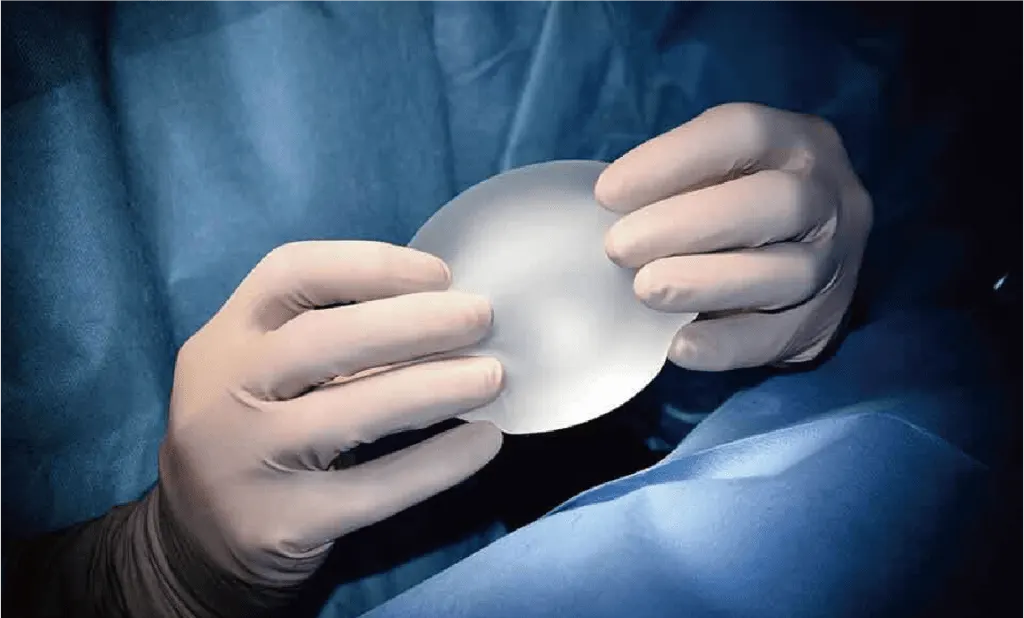
Implant breast augmentation places implants under the breast tissue. The implants commonly used in Taiwan today include Sebbin, Motiva, Mentor Queen Wave, and Perle. There are more material choices, and the advantage is that you can choose the size that suits you and get the best visual result.
Another advantage is that you can go up several cup sizes at once, but this is also a drawback of implants, because the body may react against the implant, leading to capsular contracture.
What Is Capsular Contracture?
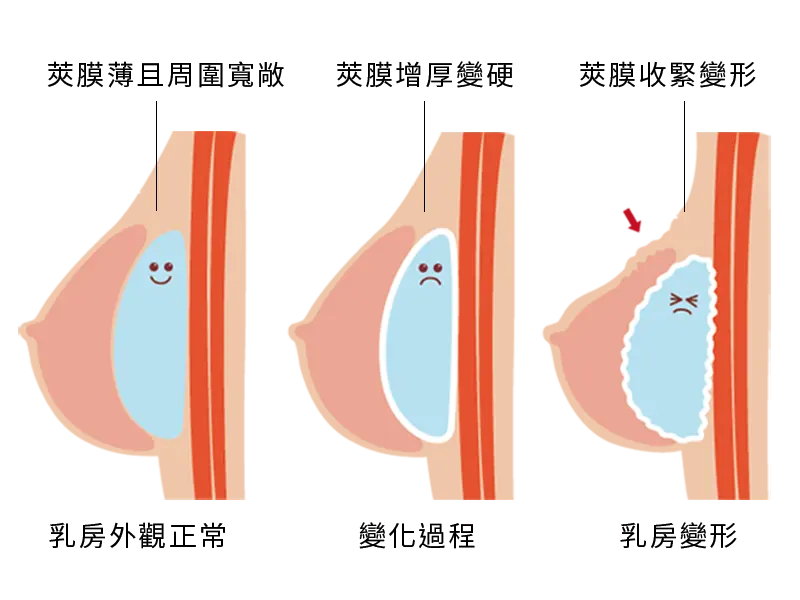
When a foreign object is implanted in the body, the body's protective mechanism automatically forms fibrous tissue, known as a "capsule." If tissue cannot attach to the implant or the body rejects it, a thick capsule forms. If you do not massage frequently at this point, the tissue piles up and becomes thicker and harder, causing capsular contracture. The breast turns into an ugly, hard lump (commonly called a "stone breast"), and in severe cases the breast may be displaced.
Fat Transfer Breast Augmentation: Procedure, Pros, and Cons
1. Liposuction
Before the breast augmentation begins, the surgeon first performs liposuction. The donor sites are often large areas such as the thighs and abdomen, because the fat cells there are larger, deeper fat can be harvested, fewer blood vessels are encountered, and safety is higher.
After the harvested fat goes through centrifugation and purification, the healthy "golden" fat cells are evenly injected into the subcutaneous layer, fascia, muscle, and fat layers of the breast. We recommend 250-300 cc per session, to avoid injecting too much fat when the skin is too tight and there is not enough room, which can cause fat calcification or loss.
2. Incision
Fat transfer breast augmentation incisions are made at the needle entry points for the fat injection, mostly in the armpit crease or at the edge of the breast. The incision is very small, only 0.2 cm, and leaves almost no scar once healed. The incision for liposuction depends on the area treated and is usually hidden in an inconspicuous place such as the inner thigh.
3. Side Effects
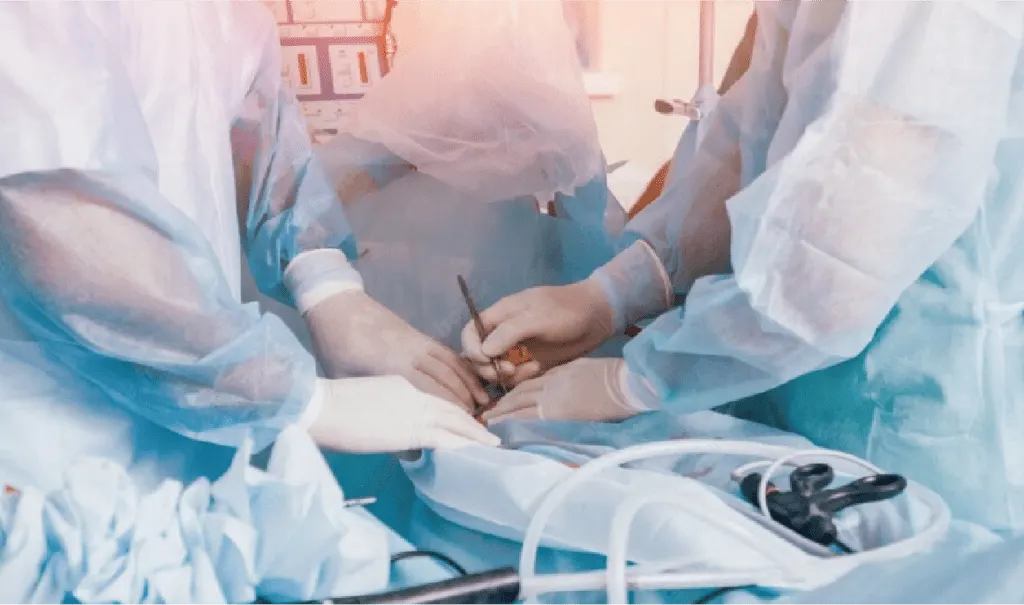
In general, fat transfer breast augmentation uses fat transplanted from other parts of your own body, so there is no rejection. Even so, three side effects can still occur: calcification, liquefaction, and loss, which lower the fat survival rate. These are usually caused by poor post-op care or excessive dieting. Even with good post-op care, about 30% of the fat injected into the breasts is still lost.(Read more: How to Improve the Fat Survival Rate?)
Implant Breast Augmentation: Procedure, Pros, and Cons
1. Incision
The "breast augmentation incision" is the entry point through which the implant enters the body during surgery. No matter which material is placed, the incision is about 4 cm. The biggest difference is that different incision locations affect how the scar looks after surgery.
There are currently four incision locations for breast augmentation: the armpit, the areola, the lower breast fold, and the navel. This chart shows the pros and cons of all four at a glance.
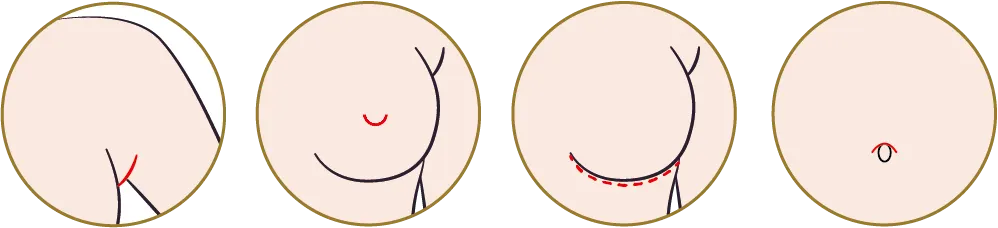
| Armpit | Areola | Lower breast fold | Navel | |
|---|---|---|---|---|
| Difficulty | ★★★ | ★ | ★ | ★★★★★ |
| Pros | Does the least damage to breast gland tissue and leaves a more hidden incision, making it the incision location most people choose. | Close to the breast, so the surgery is simpler | Low surgical difficulty and no damage to the breast gland | The incision is the least likely to be noticed |
| Cons | The armpit is the farthest from the breast, so the procedure relies on precise endoscopic equipment and the surgeon's professional skill. | May damage the breast gland and nipple nerves, and the post-op infection rate is higher. | The scar is more easily noticed | It is far from where the implant sits, and excessive damage to the ligaments and connective tissue must be avoided during the procedure, so it is not suitable for most cases. |
2. Implant Placement
After choosing the incision, the next step is to understand where the implant will be placed.
Generally, there are three options: under the pectoralis major (submuscular), under the fascia (subfascial), and under the breast gland (subglandular). Of course, each position has its own pros and cons. Which position suits your body must be discussed in detail with your surgeon before surgery!
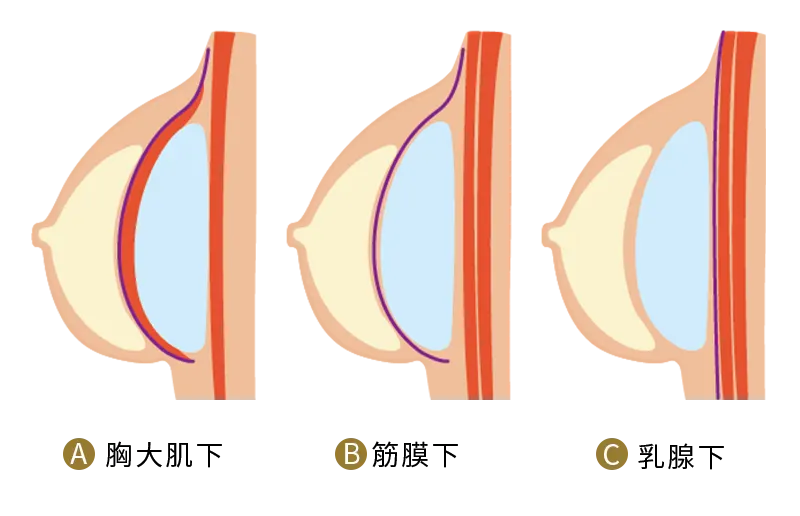
A. Submuscular (Under the Pectoralis Major)
Pros: Low capsular contracture and infection rates. It is better suited to thin body types and is less noticeable after surgery.
Cons: More blood loss, but endoscopic breast augmentation is now used to greatly reduce blood loss.
B. Subfascial (Under the Fascia)
Pros: Less blood loss, less post-op pain, and cleavage is easy to create.
Cons: In thin people, if there is not enough subcutaneous fat, the wrinkled edge of the implant is easily noticed.
C. Subglandular (Under the Breast Gland)
Pros: Less blood loss.
Cons: High capsular contracture rate and prone to infection. Most surgeons generally do not recommend placing implants under the breast gland.
Endoscopic Breast Augmentation Greatly Improves Surgical Safety
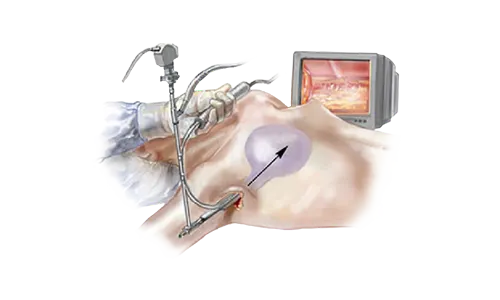
Endoscopic breast augmentation is performed with the aid of a camera. In traditional breast augmentation, reducing hematoma around the implant after surgery relies solely on the surgeon's skilled experience and manual technique.
Endoscopic augmentation makes up for the shortcomings of the traditional procedure. The surgeon can see the internal tissue clearly and completely, so every bleeding point can be precisely stopped. The surgeon can also mark a precise curve on the skin showing the implant position, then use the endoscope to cauterize and release the serrated attachment between the pectoralis major and the sternum, creating a smooth, rounded boundary that matches the line drawn on the skin exactly.
Whether the pectoralis major is well developed or weak, with endoscopic breast augmentation the cleavage curve appears quickly after surgery and the size is just right. In addition, endoscopic augmentation can coagulate the blood vessel walls by electrocautery before the vessels bleed. The less blood loss, the less need for drainage tubes, which speeds wound healing, reduces pain caused by bleeding irritation, and greatly lowers the chance of capsular contracture, raising patient satisfaction after surgery!
3. Standard Pre-op Planning vs. 3D Simulation
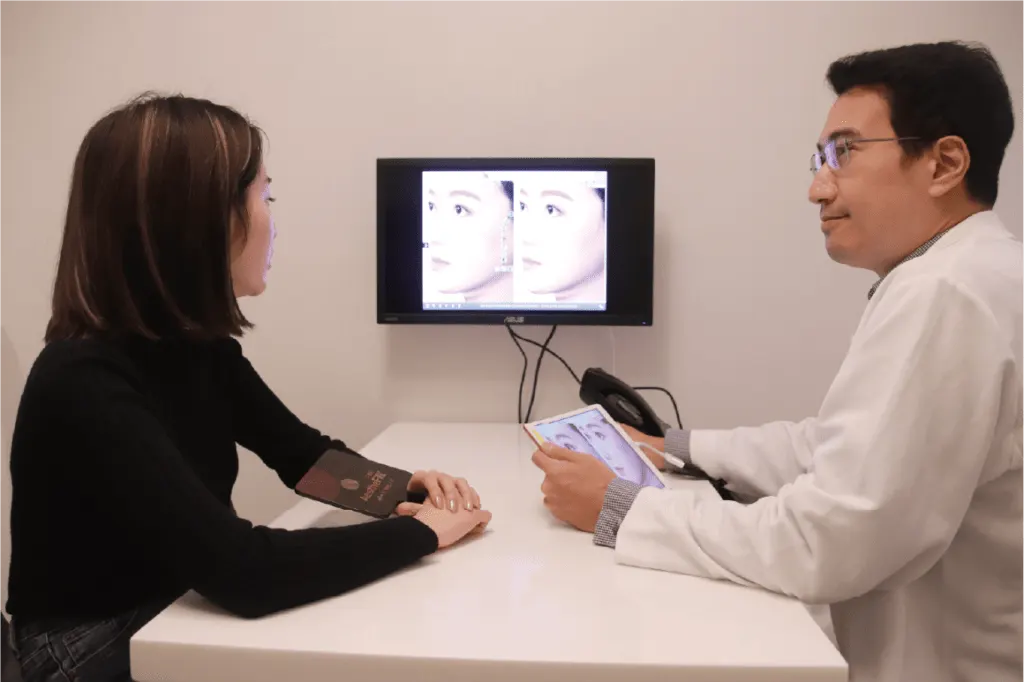
People get breast augmentation hoping for a perfect, beautiful breast shape afterward. In the past, you could only discuss it with your surgeon and imagine the result yourself. Now, with 3D simulation, you can not only simulate how your breasts will look after surgery from the front, at a 45-degree angle, from the side, and lying down, but also choose different implant materials to simulate the result and simulate breast size, further confirming which size suits you!
How Much Should You Budget for Breast Augmentation?
Now for the main event! After analyzing the differences between the two methods, the most important thing is the surgery cost, so here is a look at market prices.
Fat transfer breast augmentation:
Usually in the range of NT$60,000 to NT$180,000. The surgeon's skill and the post-op services the clinic includes both affect the overall cost.
» Scarless Fat Grafting for the Breasts, Upgraded: Fuller Breasts and a Sculpted Figure in One
Implant breast augmentation:
Usually in the range of NT$200,000 to NT$360,000. The material and type of implant are the main cause of the price differences. The newest options, such as Sebbin, Mentor Queen Wave, Perle, and Motiva 2.0, all start at NT$300,000 or more.(Read more: Motiva, Sebbin, or Mentor: Which Is Better? Gel Silicone Implant Materials Revealed)
That said, the most expensive is not necessarily the best, nor necessarily the best fit for you. If you are considering breast augmentation, we recommend discussing it with your surgeon first before proceeding with surgery!
» Champs-Élysées Sebbin: Extremely Soft, a New Choice in Implant Materials
» Motiva: Beautiful Both Still and in Motion, with a Natural Drape That Looks Born With It
» The Latest Mentor Prestige (Queen Wave): A Tailor-Made Dream Bust
This article is for general information only. Results vary from person to person; please consult a doctor in person before deciding on any treatment.