Contents
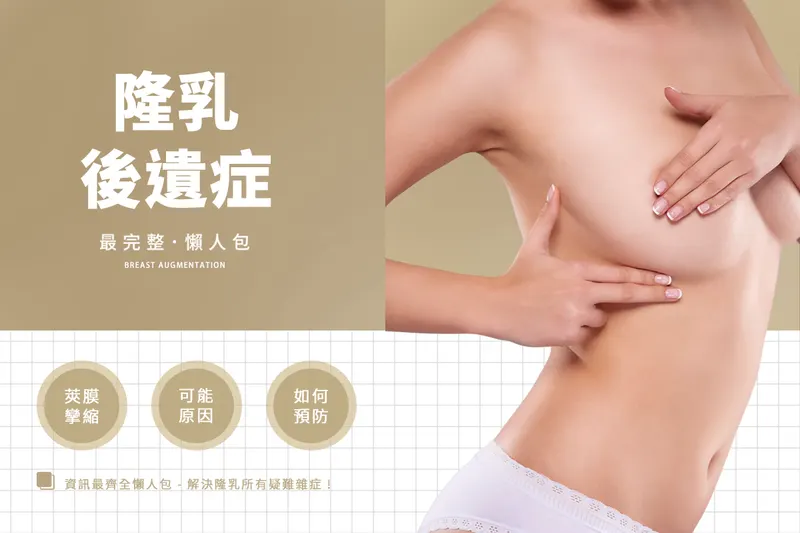
Fat transfer breast augmentation is a technique that has drawn wide attention in aesthetic medicine. Using fat transfer, it can help you achieve the dream of fuller breasts. In today's society, many women pay increasing attention to their appearance, and more and more are choosing fat transfer breast augmentation to reach their goal of a perfect figure.
In this article, we take a closer look at the concept and procedure of fat transfer breast augmentation and some important precautions, and provide related knowledge and information to help you understand the surgery better and make a wiser choice!
What Is Fat Transfer Breast Augmentation?
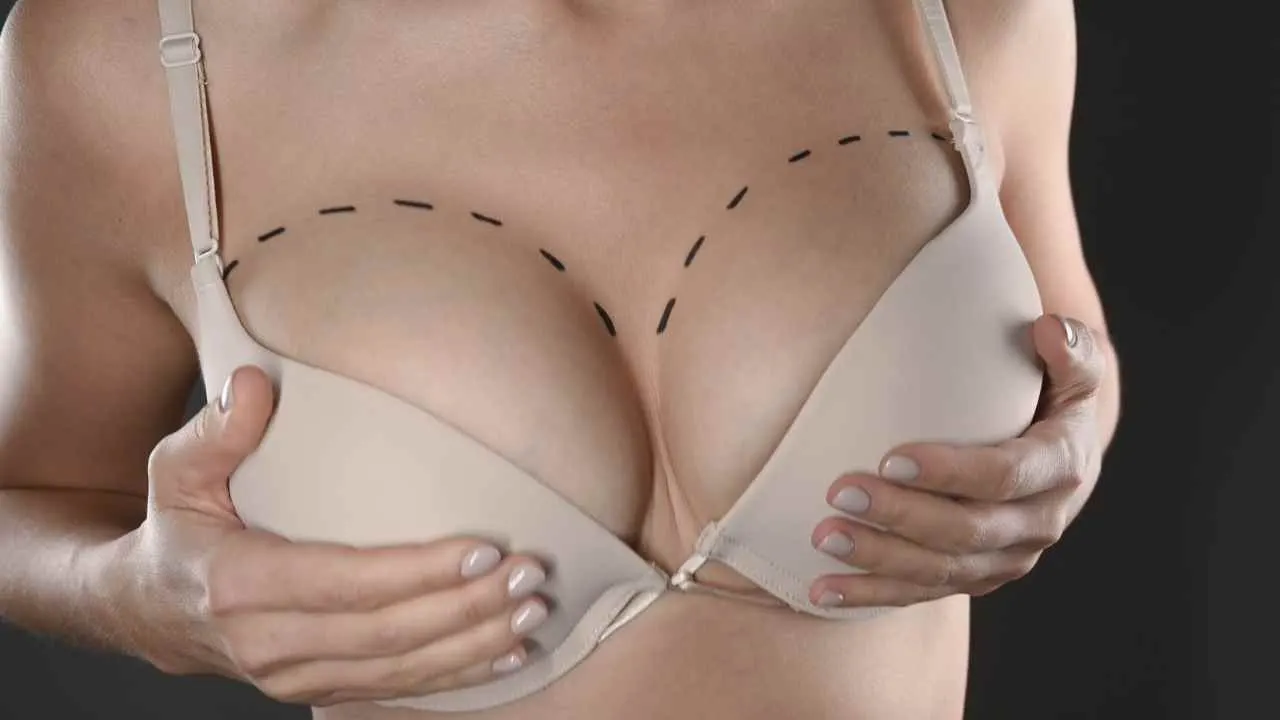
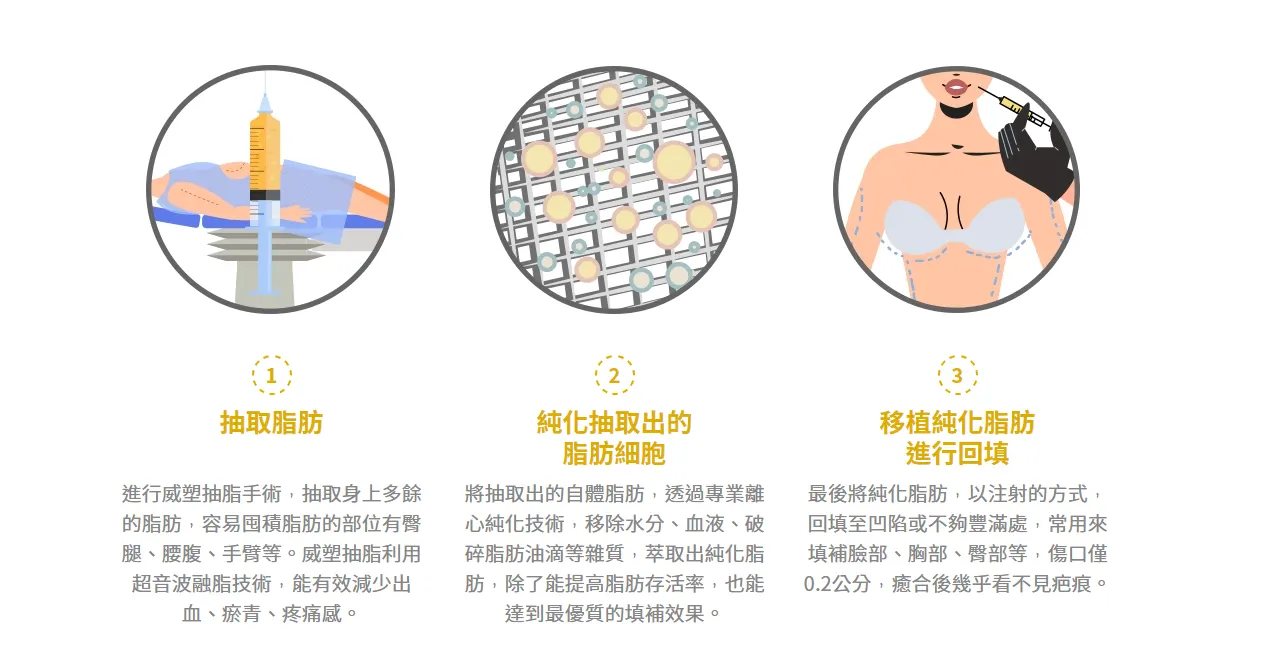
Fat transfer breast augmentation is a method of enlarging the breasts using your own fat. It mainly involves harvesting a certain amount of fat from the abdomen, thighs, or arms. After special processing, the purified fat is injected into the breasts to achieve a permanent breast enlargement effect. Because the fat is injected into the breasts, there is almost no noticeable scarring.
After surgery, the breasts regain a soft feel. Because part of the fat may be absorbed by the body, the fat survival rate is affected by several factors, including the doctor's injection volume and technique, the patient's physical condition, and lifestyle after surgery.
Goodbye, Fat! These Are the Best Areas to Harvest Fat From for Fat Transfer Breast Augmentation
How Is Fat Transfer Breast Augmentation Performed?
The doctor first learns the patient's needs and expectations in detail, then confirms whether the patient's health suits surgery, and harvests fat from another part of the patient's body. Next, the fat is purified and divided into portions to ensure quality and purity, and finally the fat is injected into the breasts to achieve the augmentation effect.
Pre-Op Consultation
Before surgery begins, the patient has a detailed consultation with a plastic surgeon. During the consultation, the doctor evaluates the patient's overall health, breast structure, personal goals, and expectations, and discusses the possible risks of the surgery.
Pre-Op Preparation
For fat harvesting, the thigh area is the first choice, followed by the abdomen. If the goal is also to improve thigh proportions, consider harvesting from the inner and outer thighs, which will help noticeably improve leg shape, and the fat in these areas is of relatively better quality.
Processing the Fat
Fat-processing equipment removes excess oil and blood fluid to improve the survival rate of the fat.
Purifying and Dividing the Fat
After purification, the fat is divided into portions and growth factors are added at the same time to improve its survival rate.
Injecting the Fat
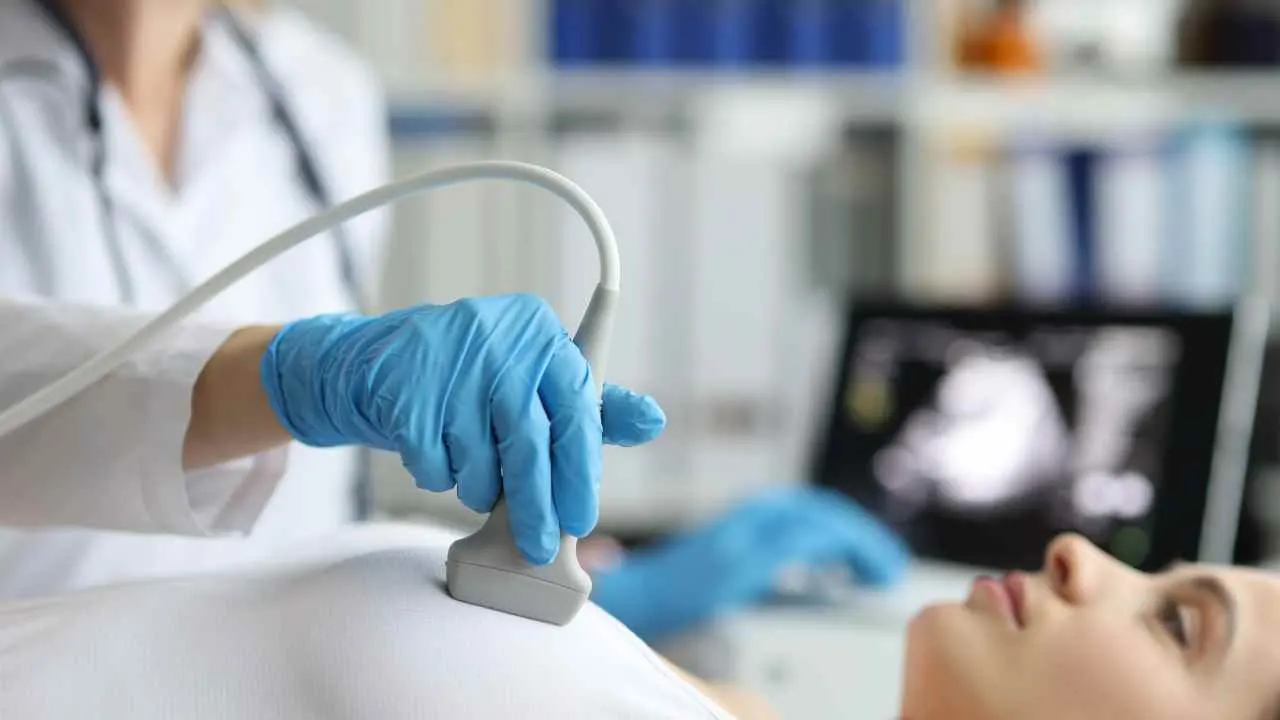
Once the fat has been processed and purified, the doctor uses a special syringe to inject it into the breast area to increase breast volume and improve shape. Before surgery, you will first have blood drawn and a breast ultrasound or an MRI scan.
How Is the Cost of Fat Transfer Breast Augmentation Calculated?
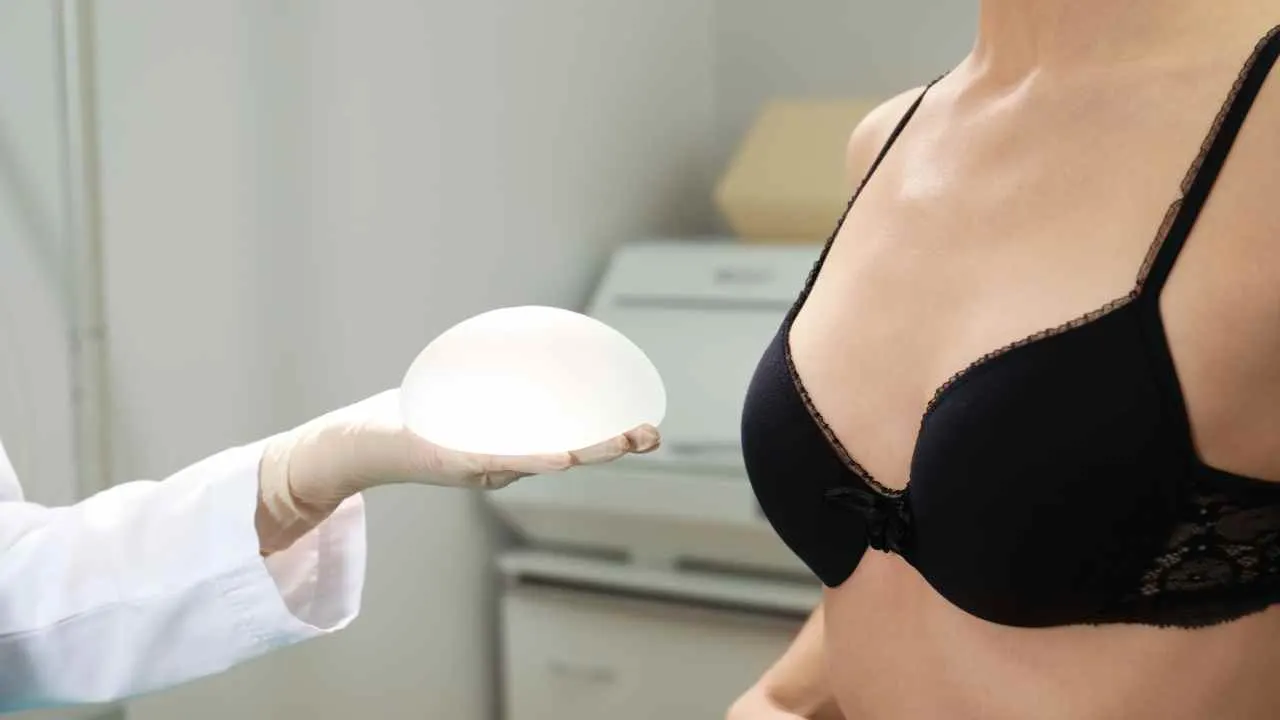
The surgical fee includes fat harvesting and body contouring surgery. The success of fat transfer breast augmentation depends largely on the doctor's seniority and experience. This includes injection technique, shaping the breast, and the distribution of the fat injections.
Choosing an experienced doctor not only ensures good surgical quality but also allows quick recognition of and response to possible complications. For this reason, excellent doctors usually charge higher fees. Before surgery, we recommend researching the doctor's related cases and experience, and ideally meeting the doctor in person for a consultation.
What Should You Prepare Before Fat Transfer Breast Augmentation?
Now that you know what fat transfer breast augmentation is and how the surgery is performed, let's look at what you need to prepare beforehand. Read on!
Preparing for the Consultation
Tell the doctor your relevant medical history, including whether you have had breast surgery, a family history of breast cancer, keloids, and whether you take anticoagulant medication.
One Week Before Surgery
In the week before surgery, stop taking aspirin and avoid vitamin E, tonic supplements, and Si Wu herbal drink, which helps reduce the risk of bleeding.
On the Day of Surgery
Come in loose, comfortable clothing, and remove acrylic nails and nail polish the day before, do not wear metal items or contact lenses, and avoid makeup if possible. We also recommend being accompanied by a friend or family member and not driving yourself. In addition, staying in a good mood and getting enough sleep are also important so that surgery goes smoothly.
Fat Transfer Breast Augmentation FAQ
Fat transfer breast augmentation is an increasingly popular plastic surgery that uses the patient's own fat to enlarge and beautify the breasts. Below we answer some common questions about the surgery.
How do I reduce swelling after fat transfer breast augmentation?
Some swelling and mild numbness or soreness may follow surgery, but they usually subside gradually over a few weeks. How fast swelling goes down varies from person to person. Generally it takes about 1 month, and the best shape is usually reached 3 months after surgery.
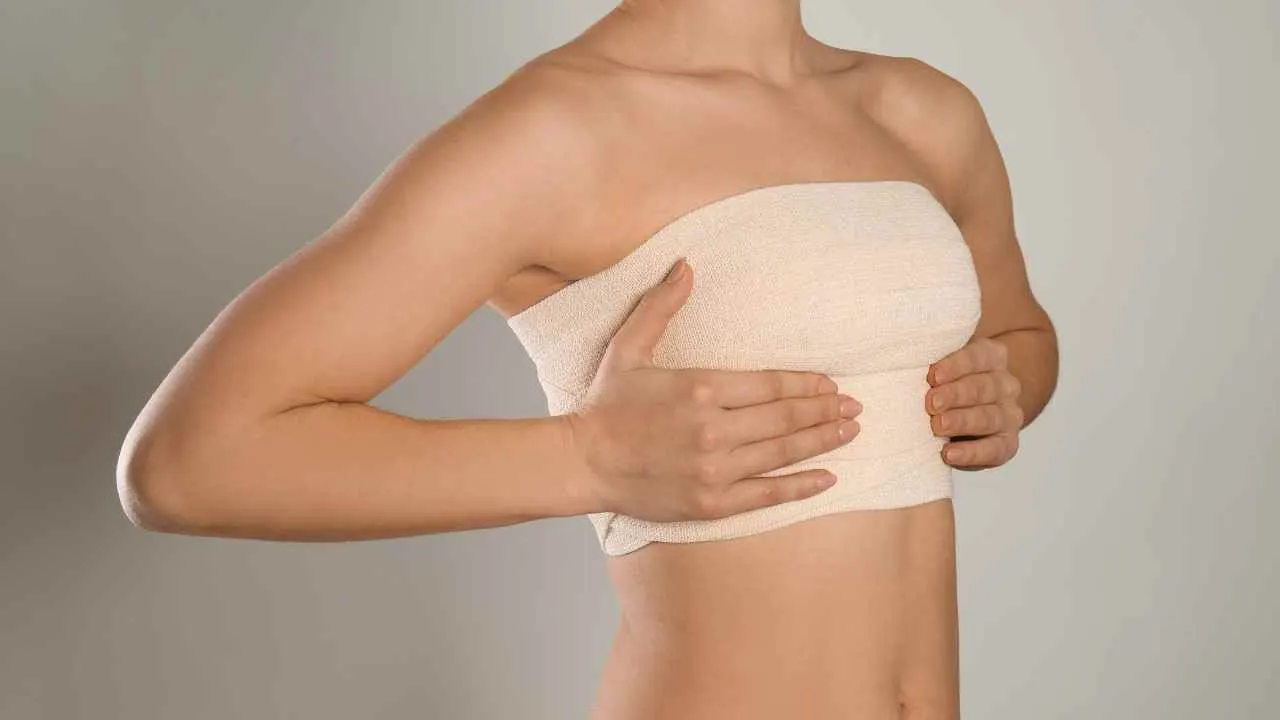
We recommend that after surgery you wear a compression garment for at least 6 to 8 hours on the first day, and ideally keep wearing it for 3 months, to help reduce swelling and help the body recover to its best state.
What should I watch for when changing dressings after fat transfer breast augmentation?
Change the dressings every morning and evening to keep the wound clean and prevent infection. Bruising usually begins to fade after about 10 days. If the wound oozes blood, we recommend using a waterproof dressing to keep it dry. When the oozing lessens, you can consider switching to an ordinary adhesive bandage.
How should I take pain medication after fat transfer breast augmentation?
After surgery, the doctor will prescribe 3 to 7 days of anti-inflammatory, pain-relief, and anti-swelling medication, depending on the fat-dissolving procedure performed.
What if I have lumps after fat transfer breast augmentation?
Lumps larger than 4 cm in diameter can be improved with ultrasound-assisted fat dissolving. For lumps smaller than 4 cm in diameter, fine-needle aspiration can be considered. If the first treatment does not fully soften a lump, some degree of improvement is usually seen after multiple treatments.
For lumps smaller than 2 cm, a diluted scar-reducing injection is simply applied to them, and they usually shrink gradually after one or two months.
Does fat transfer breast augmentation cause cancer?
Based on current medical evidence, fat transfer breast augmentation generally does not increase the risk of cancer. The surgery only uses the patient's own fat to improve breast volume and shape and does not involve implanting foreign material, so it does not create a cancer risk.
Do you have breast-related concerns, or lack confidence in your breasts? Fat transfer breast augmentation is an excellent option that lets you have naturally beautiful breasts and regain confidence and happiness. Most importantly, be sure to choose an experienced plastic surgeon carefully and have an overall evaluation!
This article is for general information only. Results vary from person to person; please consult a doctor in person before deciding on any treatment.