Contents
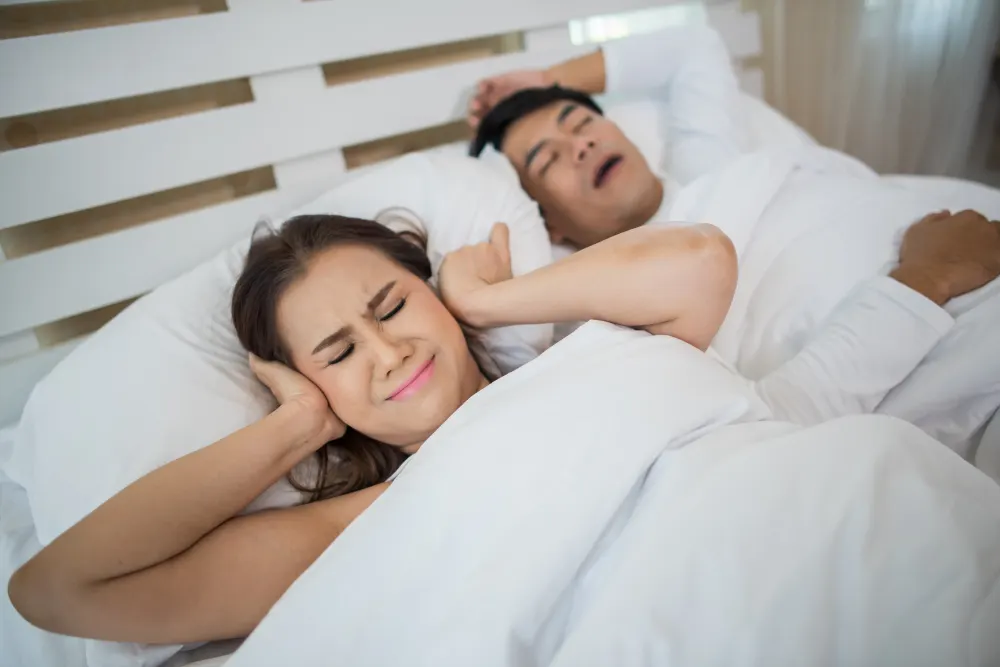
Do you struggle with snoring? Or are you often woken up by your partner's snoring? Besides surgery, there are many ways to improve snoring. Do the anti-snoring products commonly seen online actually work? Snoring is common, but it can lead to many cardiovascular diseases. There is now a painless way to deal with snoring, with no recovery time and no wounds. This article walks you through the causes of snoring, how the snoring laser works, comparisons with other options, and more.
30-Second Self-Check: Do You Have a Snoring Problem?
- People often tell you that your snoring is loud
- You feel interrupted sleep or labored breathing at night
- You sleep enough hours but still feel tired or unfocused in the morning
- Your throat is dry or sore when you wake up
- You have gained weight and your snoring is getting worse
Why Do People Snore? What Causes It?
Snoring is the low, rumbling breathing sound made during sleep. It happens mainly because the muscles around the airway (tongue, soft palate, and so on) relax during sleep, and when airflow passes through the narrowed airway, it makes the soft tissues of the throat, the soft palate, and the uvula vibrate, producing noise or labored breathing. Have you noticed that you snore louder when you are very tired? That is because your muscles are even more relaxed. In Taiwan, about 40-50% of people snore when they sleep, and a study by Chang Gung Memorial Hospital found that among 400 healthy people aged 22-86, 86% of men and 66% of women snored regularly. Because of differences between men and women in the hormones progesterone and estrogen, snoring becomes more common in women after menopause
Causes of Snoring Include:
- Medications: sedatives and muscle relaxants relax the muscles and cause snoring
- Obesity: accounts for 70-90% of cases, as fat buildup in the neck narrows the airway
- Reduced muscle tone: the muscle tone around the throat decreases with age, making it easier for the tongue to block the airway
- Nasal congestion: swelling of the nasal passages from a cold or allergies obstructs breathing
- Structural abnormalities: a deviated septum, enlarged turbinates, enlarged tonsils, a large tongue, or a short chin can all narrow the airway
- Alcohol and smoking: alcohol and tobacco relax the throat muscles and make snoring worse
4 Levels of Severity
Severity is classified as healthy, mild, moderate, or severe. You can stand upright or sit; open your mouth as wide as possible
- Severe: only the hard palate is visible
- Healthy: the tonsils, soft palate, and the full uvula are visible
- Mild: the tonsils, soft palate, and uvula are visible
- Moderate: the soft palate and the base of the uvula are visible
Can Snoring Lead to a Stroke?
Snoring is really a sign of an obstructed airway, and sleep apnea deprives the body of oxygen and causes blood vessel inflammation, which can lead to cardiovascular diseases such as high blood pressure, arrhythmia, and stroke. In addition, studies at US medical centers show that long-term lack of sleep speeds up aging, which can trigger depression and affect physical and mental energy.
Non-Surgical Ways to Stop Snoring
Lifestyle Changes
You can start by avoiding alcohol, cigarettes, and sleeping pills and other things that make snoring worse. If you are overweight, we recommend losing weight first. You can also change your sleeping position (from sleeping on your back to sleeping on your side) to reduce airway obstruction.
Medication
Nasal dilators can improve nasal airflow, but they cannot solve severe snoring
Assistive Devices
Common options include anti-snoring products, though their effect may not last or may be poor. There are also oral appliances (mandibular advancement devices), commonly called mouthguards, which are about 60-90% effective for snoring but only suitable for mild to moderate cases
What Is NightLase Snoring Laser?
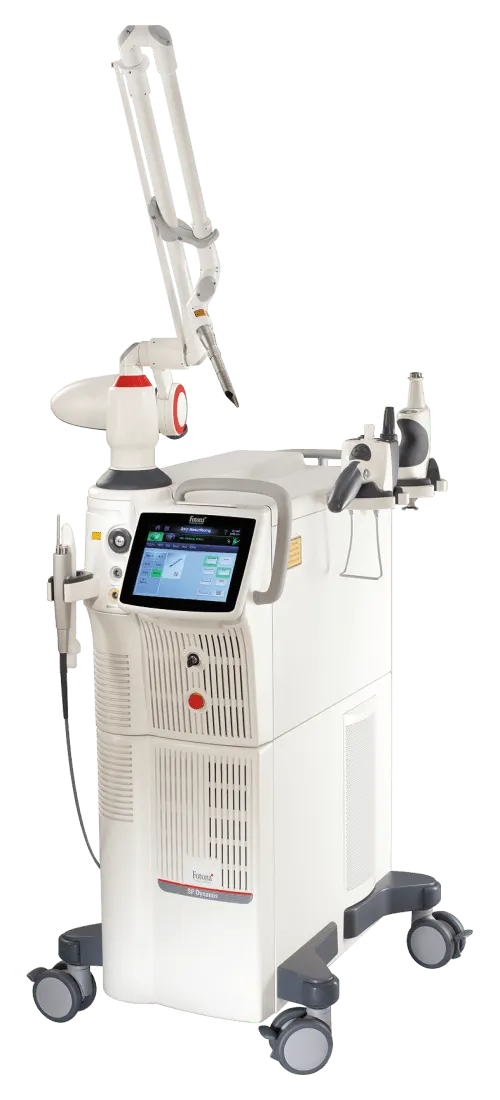
The snoring laser is a non-invasive, low-energy laser developed by Fotona of Europe. It makes the collagen in aging, loose throat mucosa and soft tissue contract, tightening and lifting the mucosal tissue of the oropharynx and the back of the throat (soft palate). It does not harm the skin or tissue, and it can reduce the number of sleep apnea episodes and lessen the intensity of snoring.
In addition, NightLase has an innovative mucosal pulse mode, smooth mode, the pulse mode best suited to mucosa, which spreads the laser's photothermal energy evenly into deeper tissue without overheating and damaging the mucosal surface
Comparing Snoring Treatment Options
| NightLase snoring laser | Palatal implants | Traditional surgery | CPAP (continuous positive airway pressure) | |
|---|---|---|---|---|
| Method | Uses laser to stimulate muscle contraction | Implants placed in the soft palate to increase its tension | Removal of some soft tissue in the mouth | A ventilator that applies positive pressure to the airway |
| Treatment time | 20-30 minutes | 30 minutes | About 2-5 hours | Worn every night for life |
| Pain level | * | ** | *** | Discomfort during sleep |
| Recovery time | No recovery time | About 7 days | About 7-10 days | N/A |
NightLase Precautions
Before Treatment
- People who are pregnant or breastfeeding, or who have a severe skin disease, heart disease, or epilepsy, are not suitable for treatment
- We recommend downloading a snoring analysis app or recording yourself for 1-3 days to track your snoring
After Treatment
- A dry mouth for a short time is normal, and a few people develop mouth sores or pain, which heal within about 1 day to 1 week
- You can return to normal life right away
- Do not drink alcohol or eat irritating food for 3 days after treatment
- Mild swelling may appear around 3-7 days after treatment, so snoring during sleep may temporarily get worse
FAQ
How many NightLase sessions are needed, and how long does each take?
A NightLase session takes about 20-30 minutes. We recommend 4-6 sessions, about 1 month apart.
Does NightLase hurt?
NightLase treatment requires no numbing cream. Patients report that it feels like drinking warm water, and you can return to your normal routine right after treatment.
This article is for general information only. Results vary from person to person; please consult a doctor in person before deciding on any treatment.