Contents
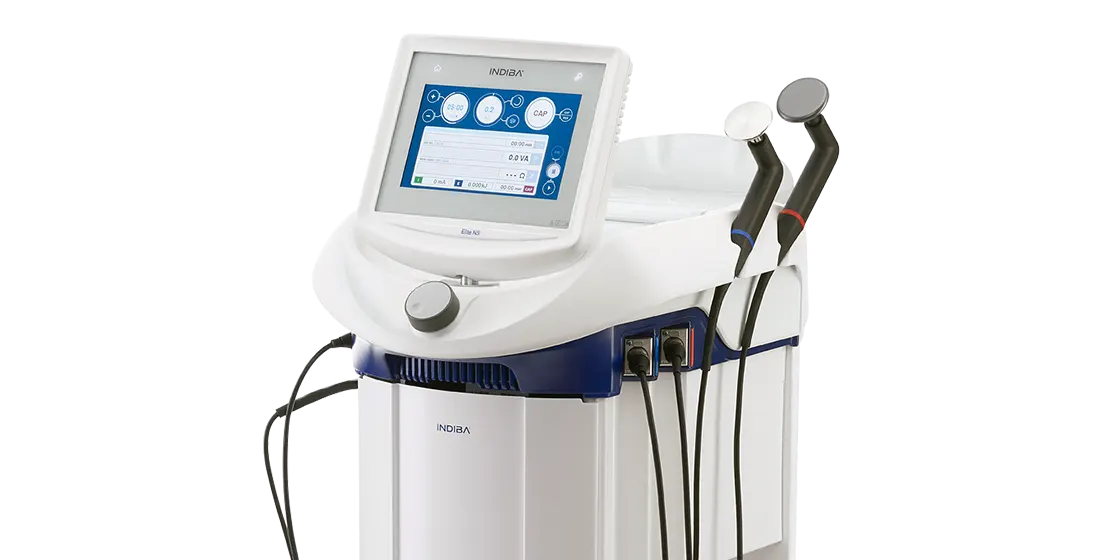
The RF treatments we know are almost all applied to the face to promote collagen production, but INDIBA focuses on recovery. Besides the face, it is mostly used for post-operative recovery and sports rehabilitation, and it can also be used to support hair growth. INDIBA delivers RF energy to the body at a frequency of 448 kHz. As the energy passes through, the temperature of the tissue gradually rises and triggers the body's natural cell regeneration, repair, and defense responses. This article explains how INDIBA works, who it suits, and why it can support hair growth.
What Is INDIBA?
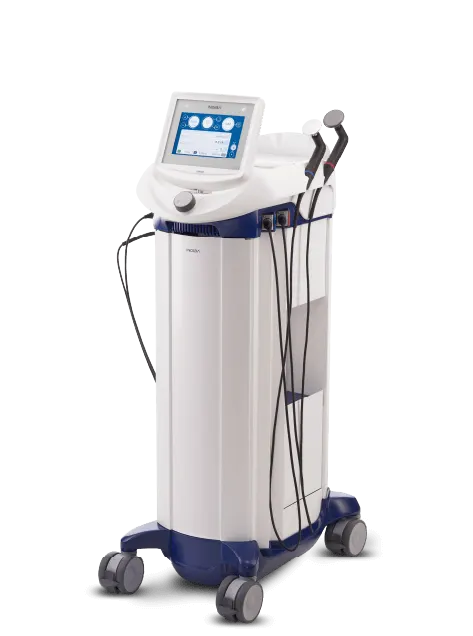
INDIBA is a monopolar RF technology that delivers energy to the body at a frequency of 448 kHz. As the energy passes through, the temperature of the tissue gradually rises and triggers the body's natural cell regeneration, repair, and defense responses. INDIBA is widely used in sports rehabilitation, physical therapy, and cosmetic care, among other fields.
3 Temperature Modes
| Non-thermal mode | Warm mode | High-heat mode | |
|---|---|---|---|
| Description | Quickly increases metabolism, helps tissue detoxification and drainage, stimulates fat breakdown, generates new collagen, and stimulates heat shock proteins; suitable for acute injuries | Activates metabolism, supplies more nutrients to fibroblasts, and speeds up collagen and elastin synthesis | Increases blood flow, helps cells receive more oxygen, supports the clearing of waste and boosts metabolism, and can reduce skin wrinkles and fine lines |
2 Probes for Superficial and Deep Layers of the Skin
| CAP superficial treatment probe | RES deep treatment probe | |
|---|---|---|
| Depth | 3-5 cm | Below 5 cm |
| Target areas | Epidermis, dermis, and superficial subcutaneous layer | Fascia, visceral fat, tendons, bones |
| Effects | Firming, softening, and relaxing muscles | Revitalizing and helping to boost blood flow |
Can INDIBA Support Hair Growth? 3 Main Benefits
- Hair transplant care before and after surgery: Improves the condition of the scalp before and after hair transplantation, stimulating both the donor and recipient areas during the transplant to help maintain the size of the transplanted area.
- Restoring hair quality: Improves scalp color and elasticity, and by stimulating hair follicle growth, turns weak hair into strong, healthy hair
- Maintaining scalp health: Strengthens fragile hair and helps blood circulation around the hair follicles, which improves hair loss and can also add visible hair volume
Areas and Candidates for INDIBA
- Hair loss and thinning hair
- After a hair transplant
- Wrinkles, fine lines, and skin laxity
- Post-operative recovery
- People who sit or stand for long periods or get little exercise
- Stretch marks
INDIBA Precautions
Before the procedure
- Treatment is not recommended for people with a pacemaker or electronic implants, pregnant women, people with open wounds, or people with thrombophlebitis
After the procedure
- Avoid high heat on the treated area for 4 hours after treatment, such as hot springs and saunas
- A small number of people are more sensitive to heat and may have redness in the treated area afterward. This is normal and usually improves within 2-3 days
- Drink 2000-3000 cc of water a day to speed up fat metabolism
FAQ
How long do INDIBA results last? How soon do they show?
INDIBA has some effect after every session. After 2-4 sessions on a single area, you will see varying degrees of improvement. The course is generally recommended based on the patient's needs and expected results, usually 6-10 sessions, although the actual number of sessions still has to be advised by your doctor. A single session usually lasts 1-2 weeks, and as more sessions are completed, the effect becomes more noticeable and longer lasting. How long results last varies with individual constitution, lifestyle habits, and other factors.
Does INDIBA hurt?
You will not feel any pain during treatment. Non-thermal or warm mode is used depending on the patient's condition and needs. In addition, warm mode feels very comfortable, and patients often fall asleep in the middle of treatment.
Can I have it after surgery?
After surgery, non-thermal mode is generally used. Our treatment recommendations are as follows:
- Plastic surgery: Wait 24 hours, then treat in non-thermal mode
- Laser or light therapy (with wounds): Avoid the wounds, or wait about 3-7 days and treat in non-thermal mode
- Laser or light therapy (without wounds): Wait 24 hours, then treat in non-thermal mode
This article is for general information only. Results vary from person to person; please consult a doctor in person before deciding on any treatment.